All categories
Business & Offices
Electronics & Media
Fashion & Accessories
Groceries & Essentials
Health & Personal Care
Home & Living
Kids & Family
Sports & Outdoors
Search in ZoneOffer

Loading...
Ever scroll past “Optics – Other” and wonder what on earth that includes? You’re not alone. This catch-all corner of photo and video gear covers all the specialty glass and optical accessories that don’t fit neatly into the “lens” box—think filters, adapters, macro aids, teleprompter glass, viewfinders, and clever creative tools that can completely transform your footage. The best part? These accessories often cost a fraction of a new lens while unlocking looks and capabilities you can’t get any other way.
Here’s the secret: small pieces of glass can make big changes. A single filter can calm harsh reflections, a simple adapter can open up entire ecosystems of lenses, and a modest teleprompter can turn one-person shoots into smooth, confident productions. If you’re looking for high-impact upgrades without blowing your budget, the “other” optics category is where deals hide in plain sight.
Filters are the easiest optical upgrade you can make. Pop one in front of your lens, and you instantly control light, reflections, contrast, and mood. Many are staples on professional sets, and for good reason—filters help you create a consistent, cinematic baseline in-camera instead of wrestling with fixes later.
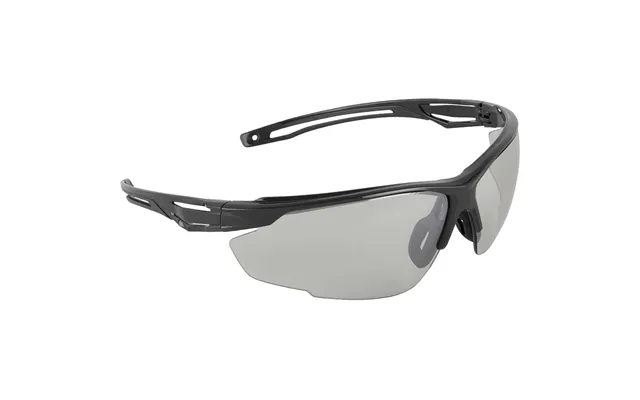
Polarizers are like sunglasses for your lens. Rotate one and you’ll watch reflections melt away from glass, water, and glossy surfaces while skies deepen and foliage pops with richer color. They’re indispensable for outdoor shooters, product filmmakers, and travel creators who want clean, contrasty images without visual clutter. Bonus: in bright sunlight, a polarizer can subtly cut light, making exposure easier to manage.
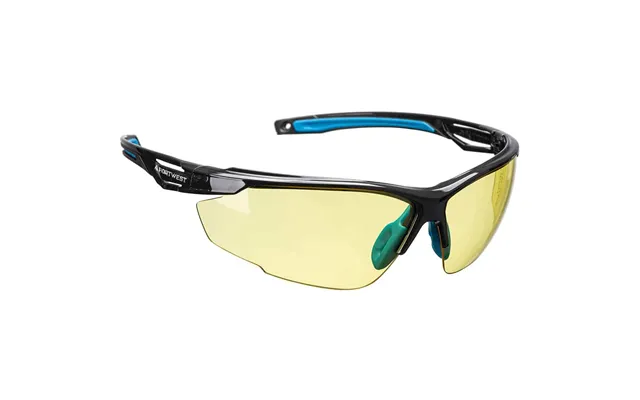
When bright conditions force your shutter to climb, motion can look jittery. Neutral density filters reduce light so you can keep a natural, cinematic motion look. Variable ND lets you dial things in quickly—perfect for run-and-gun shooting when the sun ducks behind clouds every few minutes. The rule of thumb? Use solid ND for critical sharpness and color consistency; reach for variable ND when speed and flexibility matter most.
Modern lenses can be almost clinical. Diffusion filters reintroduce character by softening contrast, gently blooming highlights, and smoothing skin without killing detail. Want some dreamy flare? Try streak or prism effects for stylized music videos and fashion shoots. With filters, you decide how your images feel, not just how sharp they are.
You don’t need an expensive dedicated macro lens to explore the tiny world. A few small accessories can get you surprisingly close and deliver beautifully detailed results, from product shots to nature textures.
Extension tubes sit between your camera and lens, shifting the focus range closer so you can fill the frame with small subjects. They contain no glass, so they preserve your lens’s native look. Bellows take this concept even further with adjustable extension, great for studio setups where you want fine control over magnification.
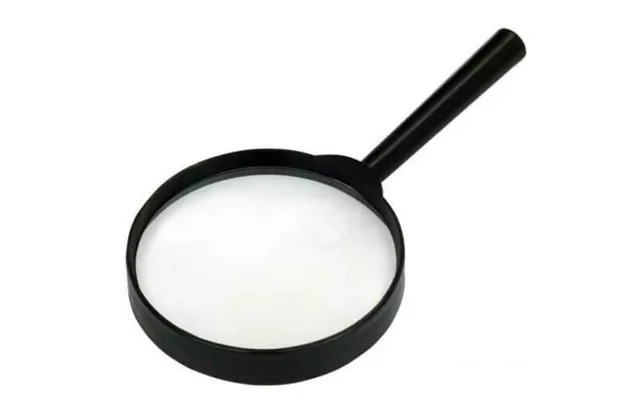
Close-up lenses (also called diopters) attach to the front of your lens and act like a magnifying glass to cut your minimum focus distance. They’re lightweight, fast to use, and ideal for travel. Invest in high-quality, multi-coated options for the best clarity and fewer aberrations.
When you’re working inches from a subject, the focus plane is razor-thin. Macro rails let you slide the camera forward and back in micro-steps, helping you lock precise focus or capture focus stacks for ultra-sharp composite images. They’re a small price to pay for a big boost in consistency.
Adapters are like passports for your lenses, letting them travel across mounts and creative zones. Converters and specialty attachments take it further, bending light to change how your lens behaves—in field of view, magnification, and even how highlights stretch and flare.
Have a drawer full of classic lenses? With the right adapter, they can live again on your modern camera. Quality adapters maintain solid alignment and, when possible, retain electronic communication. They’re a gateway to vintage character, creamy bokeh, and unique rendering at a fraction of the cost of contemporary options.
Teleconverters magnify your image for tighter framing without moving your feet—great for wildlife, sports, and detail shots. On the flip side, wide adapters squeeze more scene into the frame, helpful for handheld vlogging and tight interiors. Choose premium glass here to minimize softness and preserve contrast.
Anamorphic adapters add that signature cinematic stretch, elongated bokeh, and horizontal flares without requiring a complete lens overhaul. They’re quirky, a bit finicky to operate, and absolutely mesmerizing when dialed in. If you’re after a distinctive look that screams “cinema,” this is your ticket.
Seeing accurately is half the battle. External viewfinders and loupes give you a bright, magnified, glare-free view so you can focus confidently and compose precisely, even under harsh sun or in fast-paced environments.
If you love the immediacy of an eye-level view, optical viewfinders offer a low-lag, battery-friendly option that pairs beautifully with compact setups. They’re particularly useful for street photography, events, and documentary work where responsiveness matters more than overlays and tech.
Clip a loupe over your camera’s screen and you’ll block stray light while enlarging the display for easy focus checks. It’s a simple, inexpensive fix that prevents squinting and guesswork. For videographers, a good loupe can feel like an instant monitor upgrade without the bulk.
Solo creators and small teams swear by teleprompters. With high-quality beam-splitter glass in front of the lens, on-camera talent maintains eye contact while reading their script. The result? Polished delivery, fewer flubs, and quicker shoots.
Consider your shooting distance and the size of the device you’ll use as a display. For sit-down pieces and intros, a compact teleprompter is often plenty. For standing deliveries or wider shots, a larger beam-splitter makes text easier to read without crowding the frame.
Beam-splitter glass demands care. Use microfiber cloths, lens-safe solutions, and a light touch. Dust and smudges show up immediately on camera, so keep covers on between takes and store the glass in a padded case when traveling.
A single smudge can torpedo sharpness and contrast. Smart protection and a basic cleaning workflow keep your optics performing at their best and extend their lifespan for years.
Clear protective filters shield the front element against scratches, dust, and salt spray—especially handy in rough weather or at the beach. Lens hoods block stray light to reduce flare and add a bit of impact protection. Both are low-cost insurance that pay for themselves the first time something goes wrong.
Pack a blower, soft brush, microfiber cloth, and a gentle cleaning solution. Lens pens are brilliant for lifting oils without streaking. For mirrorless cameras, a sensor loupe helps you spot dust so you can manage it before it ruins a take.
Keep moisture at bay with sealed cases and desiccant packs. If you frequently shoot in humid environments or near water, consider dedicated dry storage to prevent fungus and haze—two silent image killers that love neglected optics.
Some tools don’t seem glamorous until they save your shoot. Portable rangefinders, optical light meters, and levels help you work faster and more accurately, especially on sets where time is tight and precision matters.
In narrative work, measuring precise distances makes manual focus predictable and repeatable. A compact rangefinder lets you record distances quickly, mark positions, and keep focus actions smooth. It’s a tiny tool with a huge payoff in consistency.
Light meters with optical spot attachments help you evaluate contrast across a scene and place exposure exactly where you want it. Once you get used to working deliberately with a meter, you’ll wonder how you ever flew blind.
Deals on optics can be fantastic—but only if you know what to look for. Two filters can look identical on paper yet perform very differently in the field. A careful read and a quick test can save you money and frustration.
Don’t stop at buzzwords. Look for multi-coating, color neutrality, edge-to-edge sharpness, and solid build. With adapters, prioritize precise machining and secure fit. With variable ND, watch for cross patterns or tint shifts at stronger settings. The best deal is the one that performs reliably under real-world conditions.
A price-comparison platform like ZoneOffer helps you scan multiple retailers at once, spot genuine discounts, and track price history. Compare not just the numbers but also what’s included—cases, caps, trays—and verify authenticity by checking seller reputation. It’s the fast lane to value without the guesswork.
While you don’t have to chase logos, certain brands have earned trust through consistent optical quality and durable construction. When you see strong pricing on these names, it’s worth a closer look.
These makers are known for dependable coatings, color neutrality, and robust frames. For square filter systems, cinema-friendly sizes are common and widely supported by matte boxes and trays, making it easy to build a flexible kit as your needs grow.
From premium mount adapters to creative anamorphic attachments, these brands offer solid options at different price tiers. Prioritize versions praised for tight tolerances and minimal optical compromise to get the most from your lenses.
Not every optic needs to be top-shelf. Knowing where to invest and where to economize keeps your kit lean and your results excellent.
Anything that lives directly in the light path—ND, polarizers, diffusion—deserves quality. Cheap front-of-lens glass can add ghosting, flare, and softness that no amount of editing can fix. Spend here and your footage will thank you.
For niche looks like heavy streak filters or kaleidoscope prisms, try value options first. You might use them sparingly, and many affordable versions deliver the fun without draining your budget.
Want a setup that covers a ton of creative ground without weighing you down? A smart, compact optics kit travels easily and handles most day-to-day shoots with ease.
Pack a polarizer, a variable ND for changing light, a soft diffusion filter for flattering interviews, and a basic teleprompter if you record to camera. Add a sturdy hood and a small cleaning kit. You’ll be ready for cityscapes, beaches, interiors, and pieces to camera without lugging a studio.
Grab a set of extension tubes, a high-quality close-up lens, and a compact focusing rail. With these three, you can capture product details, food textures, and nature close-ups that look like they came from a dedicated macro rig—no heavy lens required.
Even great gear misbehaves sometimes. Knowing what causes artifacts helps you fix them fast or avoid them entirely.
Unwanted reflections usually come from light bouncing between filter surfaces or entering from an angle. Use a hood, keep filters clean, and prefer multi-coated glass. If you notice a tint shift, profile your setup and correct gently in post—or switch to a more neutral filter.
Stacked filters, thick frames, and wide fields of view can darken corners or reduce sharpness. Keep stacks minimal, try slim frames, and test your setup at your widest angle to ensure even illumination and crisp edges.
Think of optics like musical instruments—treat them right and they’ll sing for years. A little routine care goes a long way toward preserving clarity and value.
Condensation happens when moving from cold to warm environments. Let gear acclimate in a sealed bag to reduce fogging, and keep desiccant packs in your case. If you work near water, consider a dedicated dry space to park gear between shoots.
Blow off grit first so you’re not grinding dust into coatings. Then use a gentle fluid sparingly, working in small circles with a microfiber cloth. If a smudge won’t budge, switch to a lens pen’s soft tip and finish with a dry buff.
Before you click “add to cart,” pause for a fast sanity check. It’s the quickest way to make sure you’re getting the right tool at the right price.
Confirm mount compatibility, filter system fit, and that any adapter maintains the spacing your camera needs. Favor multi-coated glass, solid frames that resist binding, and reputable brands when image quality is critical. Cross-check prices on a trusted comparison site and scan recent reviews to avoid surprises.
“Optics – Other” is where small pieces of glass deliver big creative wins. Whether you want cleaner outdoor shots, cinematic motion, dreamy character, or on-camera confidence, the right filter, adapter, or teleprompter can change your work overnight. Shop smart, compare options thoughtfully, and you’ll build a compact, affordable kit that punches miles above its weight—no new lens required.

| £ 102,- |