

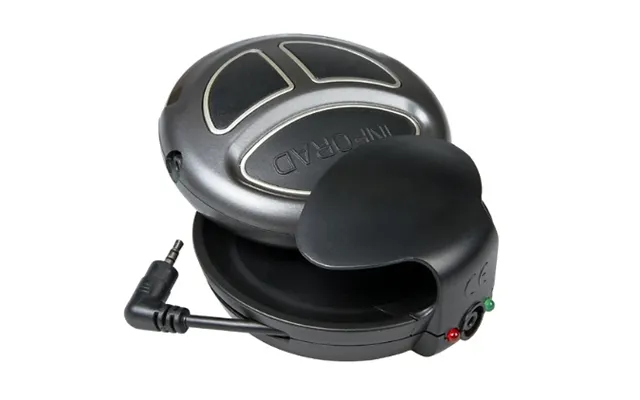
Speed Radars price list
Last updated Saturday, 17 Oct 2026
| Speed Radars | Price |
|---|---|
| Inforad V4e Gps Speed Camera Detector | £32.99 |



Loading...
Last updated Saturday, 17 Oct 2026
| Speed Radars | Price |
|---|---|
| Inforad V4e Gps Speed Camera Detector | £32.99 |
Speed radars aren’t just for traffic police anymore. From grassroots sports to professional coaching, from community speed awareness to hobbyists tracking car launches, these compact Doppler-powered devices are popping up everywhere. Looking for popular offers in the UK? You’re not alone—demand is surging, and smart shoppers are turning to comparison platforms to spot real deals fast.
What’s driving the buzz? Accuracy, accessibility, and the simple thrill of turning speed into a measurable, improvable metric. Whether you want to clock a baseball pitch, measure a tennis serve, test a golf swing, or run community speed checks, there’s a speed radar for that. Let’s break down what to buy, how to choose, and how to save—without sacrificing performance.
A speed radar uses Doppler technology to measure how quickly an object moves toward or away from it. Think of it like a bat using echolocation: the device sends out a signal, the moving target reflects it, and the radar calculates speed from the shift in frequency. Simple idea, powerful results.
You’ll find two main categories on UK deal pages: handheld sports radar guns and compact pocket radars. A third adjacent group—launch monitors for golf—also uses radar to track ball and club data. Each serves different needs, but all boil down to the same payoff: clear, consistent speed readings that help you measure improvement.
Classic pistol-style guns are the go-to for coaches and scouts. They’re easy to aim, fast to read, and designed for repeated use. Many are optimized for ball sports—capturing pitch speed out of the hand, serve speed off the racquet, or a slap shot right at the stick. If you want pro-level accuracy and reliable range, this style rarely disappoints.
Pocket-sized models squeeze high performance into a palmable design. They’re discreet, portable, and often pair with apps to log sessions. Perfect for parents, players, PE teachers, and casual leagues who want big value without lugging a bulky gun around the field.
Portable golf launch monitors use radar to track ball speed and other launch metrics. While they’re not speed radars in the strictest sense, they belong in the conversation because ball speed is a crucial stat—and the tech is similar. If you’re a golfer chasing distance, this category is worth your attention.
Some buyers look at speed radars for community-led safety initiatives, like checking vehicle speeds near schools or parks. If that’s you, focus on devices that can clock moving vehicles accurately from a safe distance and in a repeatable position, and always use them responsibly with local permission where required.
A speed radar lives and dies by accuracy. Look for models known for consistent readings across multiple tries and angles. If you’re coaching or comparing players, you can’t have numbers bouncing around without reason. Reliable brands publish typical accuracy tolerances, and user feedback often confirms whether the real-world readings match the spec.
Range determines how far away you can be and still get a solid reading. Target acquisition is how quickly and confidently the radar locks onto the correct moving object. If you’re measuring baseball pitches, you don’t need an enormous range—but you do need a unit that prioritizes the ball over a moving arm or a runner in the background.
Bright, bold displays help you read speeds instantly, even in direct sunlight. Some pocket models offload data to your phone, while gun-style units show it on-device. If you’re working with a team, easy-to-see numbers save time and reduce confusion.
App pairing is a game changer: you can log sessions, track progress, and share data with players. Coaches love tagging results by athlete; parents love seeing concrete progress in a season. If you’re serious about improvement, the ability to export or sync results is huge.
Do you prefer replaceable batteries for quick swaps, or a rechargeable unit you top off between sessions? Field conditions matter too—rain, dust, and an occasional drop happen. Durable housings, solid buttons, and protective cases all earn their keep.
This compact favorite combines portability with robust app features. It’s ideal for baseball and softball training—great for bullpen sessions, hitting exit speed, and outfield throws. Coaches appreciate reliable readings and easy data sharing. If your training is mobile and frequent, this one’s a standout to watch when offers pop up.
Built with ball sports in mind, the Ball Coach zeroes in on peak speeds like pitch velocity or exit speed. It’s simple, fast, and extremely handy in the dugout or on the sideline. The form factor is tiny, so it slips into a pocket between drills. If you don’t need deep app integration, it’s a brilliant value pick.
A classic gun-style choice, the Bushnell Velocity delivers quick readings with straightforward operation. It’s a popular entry point for families, PE departments, and community teams. If you want the “point-and-read” feel without extra bells and whistles, this one reliably gets the job done.
Premium and precise, Stalker’s pro-grade sports radars are known for accuracy and fast target acquisition. If you’re running high-performance programs, combines, or serious scouting, keeping an eye out for discounts on Stalker models can pay off. They’re built for rigorous daily use.
Another coaching classic, JUGS guns are designed for field use and heavy-duty sessions. They’re a staple in baseball and softball circles for a reason: consistency and build quality. When you’re clocking dozens of players, day after day, that reliability matters.
Golfers measuring ball speed and smash factor will find value in radar-based launch monitors. They’re compact, surprisingly accurate for the size, and ideal for home nets or range sessions. Look for deals that include app subscriptions or carry cases—those extras add long-term value.
Coaches need repeatability, battery longevity, and data tools. Go for models that log sessions and tag players, and pair with tripods so the radar stays fixed for consistent angles. Gun-style units excel when multiple volunteers will rotate using them—no app learning curve required.
Portability and simplicity shine here. Pocket radars are easy to carry and quick to set up. Look for a model that catches peak speed reliably and pairs with your phone for tracking progress. If you’re practicing at parks or back gardens, compact gear keeps the focus on fun.
Make sure the radar is tuned to pick up a fast-moving ball or puck rather than your swing or stick. Units optimized for ball sports handle this better. Positioning matters too—placing the radar in line with the ball’s path yields cleaner readings.
Prioritize a device with a strong range, clear display, and stable mounting options. Set up in safe, permitted locations and keep the radar steady and angled properly to the road. Always operate within local guidelines and be mindful of privacy and signage.
Most sports radars list a minimum and maximum speed they can measure. If you’re clocking youth baseball or beginner tennis, ensure the lower end captures slower throws and serves. If you’re tracking faster varsity-level speeds, confirm the top end comfortably exceeds your expected readings.
Radars measure best when the target moves directly toward or away from them. If you’re off at a sharp angle, readings can under-report. That’s why consistent placement—behind the catcher for baseball, behind the server for tennis—produces the most trustworthy numbers.
Some radars sample more times per second than others, which can improve peak speed capture. For sports where peak speed happens in a blink—like a pitch leaving the hand—look for devices known to catch that moment reliably rather than averaging across a longer window.
Prices can swing week to week. Use a comparison site like ZoneOffer to scan multiple UK retailers quickly. You’ll spot limited-time markdowns and bundled extras that aren’t obvious if you only check one shop.
Baseball and softball gear often gets discounted before and after peak season. Golf tech tends to see price drops around major releases. If you can wait a few weeks, you might shave a chunk off the price without compromising on model or features.
Certified refurbished units from reputable sellers can be a smart way to snag higher-end models for less. Just make sure you understand what’s included—batteries, chargers, and cases add value you might otherwise buy separately.
Bundles that add tripods, mounts, or extended app access can save you money in the long run. A tripod alone can be the difference between stable readings and frustrating inconsistencies.
Place the radar in line with the ball’s path—behind the catcher for baseball, behind the server for tennis, or directly behind a golf hitting area. Keep it stable and at a consistent height. The closer you are to the action (within safe limits), the stronger and cleaner the signal.
If you’re off to the side, the radar might read a slower speed than reality. Think of it like watching a car pass: head-on, you sense full speed; from an angle, it looks slower. Keeping the radar aligned eliminates that angle error.
Busy backgrounds can confuse target acquisition—especially if multiple moving objects are in view. Choose a clean line of sight, minimize foot traffic behind your target, and use a backstop when possible. Consistency is your secret weapon.
Have athletes take a few warm-up reps before logging speeds. Then measure multiple attempts and average the results. Peak speeds are exciting, but trends tell the real story of progress. Data over time beats one flashy number.
Every radar has a sweet spot. If you’re too far, readings can drop out or fluctuate. Move closer within the recommended distance for your model and maintain a clear path to the target.
Hand movement introduces jitter. A small tripod or mount instantly improves reliability. If handheld is your only option, lock your elbows and brace against a stable surface to reduce shake.
Speed is one piece of performance. Mix in accuracy, form, and consistency. Use the radar to motivate improvement, not to force it. Good training habits make the numbers climb naturally.
Always use speed radars where you have the right to be, and with the consent of participants. Avoid pointing devices toward public spaces where bystanders might feel monitored. Transparency builds trust.
If you’re measuring vehicle speeds for community awareness, prioritize safety. Use safe, permitted locations, keep a healthy distance from traffic, and never distract drivers. When in doubt, consult local guidance before setting up.
In sports settings, speed measurement is straightforward: it’s about training and performance. Get buy-in from coaches, parents, and players, and keep equipment secured when not in use.
A stable mount delivers more consistent readings than handheld use. Even a lightweight tripod can transform your results, especially during long sessions with lots of reps.
Field life is rough. A padded case and a simple rain cover extend the device’s life. If you’re coaching multiple days a week, this protection pays for itself.
Don’t let a dead battery end practice early. Keep spares or a portable power bank on hand. It’s a low-cost insurance policy against lost training time.
Choose apps that make logging effortless—tag players, track drills, and export results. If your radar supports live video with speed overlays, you’ll supercharge feedback and keep athletes engaged.
Place the radar behind the catcher, record peak pitch speeds, and track progression. Use the data to structure throwing programs and manage workload sensibly.
Set the radar behind the server, capture peak speeds, and pair with video to identify what changes add speed without hurting consistency. Small technique tweaks can add several mph quickly.
If you’ve got a portable launch monitor, log ball speed and launch direction over time. A small uptick in ball speed—paired with better contact—often translates to more distance on the course.
Position the radar in line with the shot path. Track slap shot speed and release consistency. Use the numbers to compare sticks, flex profiles, and technique changes.
Core performance should be non-negotiable. It’s better to buy a trusted mid-range radar than a feature-heavy unit that struggles with consistency. Clean data beats gimmicks.
If you never export data, a simple model with a clear display might be perfect. If you already own a great tripod, skip the pricier bundle. Let your actual use dictate your shopping list.
A radar that grows with your needs—adding app features, team sharing, or accessory support—can cost less over time than multiple upgrades. Consider where you’ll be a season or two from now.
Instead of bouncing between dozens of retailers, a comparison site like ZoneOffer lets you scan prices, stock, and promotions quickly. That wide-angle view makes it easier to spot genuine value.
Deals change fast. Comparison listings surface short-term promotions you might otherwise miss, especially around sports season transitions and new releases.
Sorting by connectivity, range, or form factor helps you zero in on the right device at the right price. You’ll avoid the trap of buying “cheap” and ending up with something that doesn’t fit your needs.
Speed radars turn effort into insight. Whether you’re a coach sharpening team performance, a parent supporting a young athlete, a golfer chasing ball speed, or a community volunteer promoting safety, the right device will keep you focused on what matters: progress. Prioritize accuracy, choose form factors that fit your routine, and use comparison platforms to find real value. With the right setup and a little consistency, those numbers on the screen will become a powerful story of improvement—session after session, season after season.