

Slide Projectors price list
Last updated Saturday, 17 Oct 2026
| Slide Projectors | Price |
|---|---|
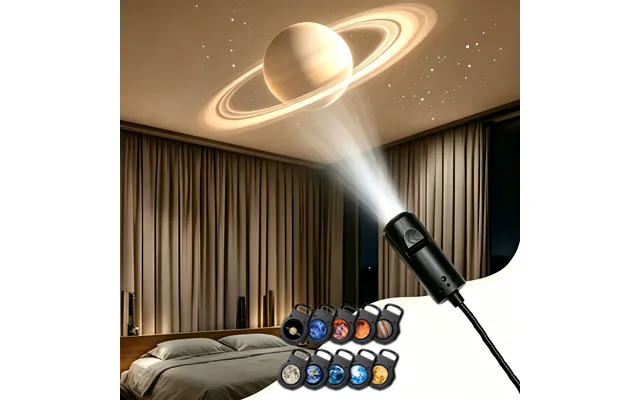
| Planet Moon Projector With 10 Slides - Meteor Effect | £4.16 |
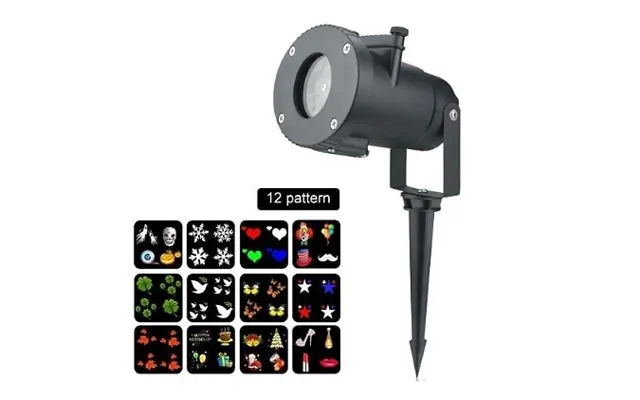
| Festive Outdoor Laser Light Projector With 12 Slides | £12.99 |


Loading...
Last updated Saturday, 17 Oct 2026
| Slide Projectors | Price |
|---|---|
| Planet Moon Projector With 10 Slides - Meteor Effect | £4.16 |
| Festive Outdoor Laser Light Projector With 12 Slides | £12.99 |
Hunting for a great slide projector in the UK? You’re in the right place. Whether you’re rediscovering family memories mounted in classic 2 x 2 inch frames or curating a retro slideshow night with friends, the right projector makes all the difference. This guide brings together what to look for, how to compare, typical prices, and smart buying tips. We’ll also point you toward comparison resources—like ZoneOffer, a comparison site—so you can quickly weigh the best deals across multiple retailers without the hassle.
There’s something magical about seeing a translucent image bloom across a big screen. Slide projectors offer depth, color, and a cinematic feel that digital galleries can’t quite replicate. They’re perfect for family archives, art portfolios, academic presentations, and photography clubs. Even better, the market is vibrant: from vintage carousel workhorses to modern LED models that sip power and run cooler, you’ve got real choice without spending a fortune.
Think of a slide projector as a bridge between your past and present. The tactile clack of a tray advancing, the glow of a bulb, the vivid pop of a beautifully exposed slide—it all creates an experience that feels more like a film screening than a slideshow. Today’s options can be quieter, lighter, and easier to maintain, yet they still preserve that timeless look on a big screen.
Deals on slide projectors come and go, but you don’t need to chase them blindly. Use a comparison site like ZoneOffer to track price drops, see what’s trending, and identify bundles that include trays, remotes, or screens. Because multiple sellers are compared side by side, you’ll spot patterns fast—like which brands tend to include replacement bulbs, or which refurbished units consistently earn higher customer scores.
Want to catch a bargain? Watch for seasonal clearances, photography club sales, and academic turnover periods. You may notice prices dip when studios refresh their equipment or during holiday promos. Savvy shoppers often shortlist a few models—say, a classic carousel and a compact LED unit—then pounce when the price hits that sweet spot. It’s a simple trick that pays off.
Let’s talk money. While prices vary by brand, condition, and features, you can use a simple framework. Budget-friendly, compact slide projectors—which typically handle 2 x 2 inch mounts and basic manual feed—can start around £50 to £120. Refurbished carousel-style machines with remote advance and a tray often range from about £120 to £280. Premium or collector-grade units, especially those in near-mint condition with extras like multiple trays, fast autofocus, or a selection of lenses, can go from roughly £280 up to £600 or more. Rare editions or museum-quality sets can exceed that, but those are the exception rather than the rule.
Condition, completeness, and brand reputation drive most of the price. A projector that includes a tray, a working remote, a fresh bulb, a carry case, and proof of recent servicing usually commands more because it’s ready to roll. On the flip side, “projector only” listings with unknown bulb life or no tray can look cheap—until you add the cost of missing pieces. A good comparison listing helps you see the total value at a glance.
There’s no single “best” type—your perfect projector depends on how you plan to use it. Here’s a quick breakdown of the main styles you’ll see when browsing offers.
Carousel projectors are the icons of the genre. A round tray holds a generous batch of 2 x 2 inch slides, advancing them with a satisfying click. Many include remotes for forward and backward movement, making them ideal for lectures, weddings, and storytelling nights. They’re known for reliability, smooth operation, and a classic look that sets the mood the moment you dim the lights.
Magazine-style or stack-loading projectors feed slides in a line or a small tower. They’re often simpler and lighter than carousel models, great for quick setups and smaller collections. If you’re digitizing as you present—or just want to share a handful of your favorite frames—these can be an easy, affordable pick.
Some newer projectors use LED light sources, which run cooler and can last far longer than old-school bulbs. You might also find hybrid kits that include adapters, letting you pair a slide holder with a digital or compact optical system for quick showcases. If you love the vibe of slides but prefer low maintenance, an LED option is worth a look.
Comparing slide projectors isn’t complicated once you know what matters. Focus on usability and the viewing experience you want at home.
While brightness specs are often listed, think in practical terms: Are you projecting in a fully darkened room, or do you need visibility with some ambient light? Traditional bulbs can be bright and punchy, while LED light sources favor longevity and cooler operation. If you’re showing to a group, plan to darken the room for the best contrast and color fidelity.
Sharp optics make a noticeable difference, especially on larger screens. For room setup, think in feet: if your sofa sits about 10 to 12 ft back, a projector that fills a 90 to 120 inch screen from that distance will feel cinematic. If your room is shorter, look for models known to produce a large image at a closer distance.
Verify that your projector matches your slide mounts and trays. Most collections use 2 x 2 inch frames, but materials vary—plastic, glass, or cardboard. Mix-and-match trays can cause jams, so it’s smart to stick with what the projector was designed to handle or grab a compatible tray at the same time.
Remote advance, single-step back, and focus control are big quality-of-life wins. A quiet fan helps during long shows. If you plan to carry it to clubs or classrooms, check weight in lb, and consider whether a hard case is included. Little conveniences—like an easy-access bulb door—make ownership smoother.
Don’t forget the supporting cast. The right accessories can turn a good projector into a fantastic setup that’s simple to use and a joy to watch.
Extra trays are invaluable. Label them by event or year—“Family Holiday,” “Studio Portfolio,” “Travel 1998”—so you can switch shows in seconds. If you’re buying used, inspect for broken slots or bent parts. Trays are durable, but age and storage conditions vary.
A proper screen lifts brightness and contrast. A folding or pull-up screen in the 80 to 120 inch range is perfect for living rooms. If you prefer a clean wall, choose a white or light gray surface with a smooth finish. A sturdy stand or a simple cart keeps the projector level and gives you space for trays and a remote.
Always have a spare bulb on hand, and if your projector supports different lenses, consider picking up a second option for tighter or wider framing. Remotes are small but mighty—losing one mid-show is no fun. A small caddy for accessories keeps everything together.
You don’t need a dedicated theater to get a great image. A little planning goes a long way.
Start by placing your seating, then set the projector. Many living rooms work well with the projector sitting 8 to 12 ft from the screen. Test the image size and focus before guests arrive, and mark your sweet spot with a bit of tape so future setups take seconds.
Most groups love a screen between 90 and 110 inches, depending on room depth. Keep the center of the image close to seated eye level so necks don’t strain during long shows. A small tilt or keystone adjustment can square the picture if your projector sits slightly off-center.
Hold slides by the edges, and give each one a gentle puff with a blower before loading. Keep trays covered when not in use. If you spot dust on the lens, clean with a proper optical cloth. A few seconds of care protects decades of memories.
Different buyers want different things. Are you after that classic feel, ready-to-go reliability, or minimal maintenance? Here’s how to decide.
Vintage carousel projectors ooze character and often deliver stunning images. If you enjoy collecting and tinkering, a well-kept vintage unit can be the star of your setup. Just factor in the time to source a spare bulb and perhaps a tray or two, and confirm that the mechanism runs smoothly.
Refurbished units strike a balance between price and peace of mind. They’re typically cleaned, tested, and sold with some assurance about functionality. On a comparison site like ZoneOffer, you can quickly scan listings to find refurbished projectors with recent service notes and strong ratings. This route often gives you dependable performance without paying a collector premium.
Prefer low heat and long life? LED options are appealing. They can be lighter, quieter, and more portable, making them great for casual screenings and quick family nights. They may not always match the punch of a high-powered bulb, but in a dim room they look beautiful and are easy to live with.
Slides are wonderful, but sometimes you want hybrid flexibility. Here are a few tools that pair well with traditional projection.
Digitize your favorites so you can share them online and back them up. A scanner with a dedicated slide holder preserves color and detail. Once archived, you can project the originals for special nights and keep the digital copies safe for everyday viewing.
If your event includes slides, video clips, and music, a digital projector can complement your slide setup. Use the slide projector for the main show, then switch to digital for music-backed montages or captions. It’s the best of both worlds.
Short-throw models create a large image from just a few feet away. If your room is snug, this style keeps the projector close to the screen so guests don’t walk through the beam. It’s a clever fix for compact living spaces.
A little maintenance preserves image quality and prevents hiccups. Treat your projector like a vintage camera: gentle, regular care delivers long-term rewards.
Dust and smudges soften detail. Use a blower first, then a clean, lint-free cloth designed for optics. Avoid harsh cleaners. If your projector has a removable lens, keep it capped when not in use and store it upright.
Bulbs eventually fade or fail—that’s normal. Keep a spare, store it safely, and learn your model’s replacement steps before you need them. Some owners mark usage, swapping bulbs at the first sign of dimness so every show is bright and even.
Most jams are simple: mismatched trays, warped mounts, or slides inserted upside down. Stick with compatible trays and keep slides clean and flat. If a jam occurs, power down, let the unit cool, and clear it gently. For persistent issues, a professional service can work wonders.
Brand reputation matters—especially in the pre-owned and refurbished market. While gems can appear from many makers, a few names have especially strong track records.
Carousel-style machines set the standard for reliability, smooth advance, and excellent optics. They’re widely supported, with trays and accessories relatively easy to find. If you’re building a classic setup, this legacy is hard to beat.
European makers earned a reputation for sharp lenses, robust builds, and thoughtful ergonomics. If you’re showcasing a serious photo portfolio, a unit known for crisp focus and consistent framing will reward you every time you dim the lights.
Don’t overlook budget brands that emphasize simplicity. A straightforward projector, a couple of good trays, and a compact screen is often all you need. For family nights and casual shows, these are easy wins that won’t stretch your budget.
Comparing is where smart buying happens. ZoneOffer, as a comparison site, helps you see multiple sellers, specs, and conditions in one place so you don’t have to hop between dozens of pages.
Look for phrasing like “clean optics,” “tested focus,” “remote included,” and “tray included.” A projectors-plus-tray bundle can save you the time and cost of hunting extras. If a listing mentions recent servicing, that’s a strong sign of reliability.
Add everything up: projector, tray, spare bulb, screen, and stand. A slightly higher sticker price may be cheaper overall if it includes key accessories. Also note weight in lb if you plan to transport it often; a lighter projector plus a hard case can be worth the premium.
If you’re not in a rush, shortlist two or three models. Watch for a price slide or bundle that nudges one ahead. Comparison listings make it obvious when a deal adds up, so you can click with confidence instead of second-guessing.
Not every room is a cinema, and that’s fine. Tailor your setup to your space for the best results.
Place the projector on a low table about 8 to 10 ft from a 90 to 100 inch screen. Kill overhead lights and rely on small lamps behind the seating for ambiance. Keep the projector’s fan vents clear so it runs cool and quiet.
Mount a screen on a clean wall, and keep a rolling cart for your projector, trays, and a small box of slides. Use cable ties so nothing dangles near the lens. If you present often, mark your ideal cart position on the floor for quick, repeatable setups.
Use a larger screen—110 to 120 inches—and test image size from 12 to 15 ft. A wired remote ensures precise timing during talks. If you’re showing rare slides, announce short breaks to let the projector cool between sessions.
New to slide projectors? Avoid these easy pitfalls and you’ll look like a pro from night one.
Not all trays love all mounts. If your slides are thick or glass-mounted, make sure the tray is compatible, or you risk jams. When in doubt, test with a small stack first.
Even the best projector struggles in a bright room. Close curtains, switch off overhead lights, and let the screen shine. The payoff is sharper detail and richer color.
Bulbs fail at the worst times—usually mid-show. Keep a spare ready and you’ll never have to pause the party. While you’re at it, tuck a soft cloth and blower into your kit for last-minute cleaning.
Slide projectors aren’t just for nostalgia buffs. If you’re a photographer, an artist, an educator, or a family historian, projecting on a big screen creates a shared experience that digital galleries can’t match. It’s tangible, it’s dramatic, and it turns viewing into an event. If that sounds like your vibe, a slide projector belongs in your toolkit.
Planning a gallery night? A curated sequence of slides can tell your story with rhythm and pacing. For families, themed trays—“Weddings,” “Road Trips,” “Grandad’s Camera”—turn memories into a living album that brings everyone together.
Slide projectors blend art, nostalgia, and community in a way few devices can. With a smart plan—define your space, pick your style, compare features, and use a comparison site like ZoneOffer to track popular offers—you’ll land a projector that suits your budget and your vision. Add a screen, a spare bulb, and a couple of well-labeled trays, and you’re set for unforgettable showings at home or on the road. Ready to light up the wall and bring your slides to life? Dim the lights, advance that first frame, and watch the room lean in.