All categories
Business & Offices
Electronics & Media
Fashion & Accessories
Groceries & Essentials
Health & Personal Care
Home & Living
Kids & Family
Sports & Outdoors
Search in ZoneOffer
Loading...
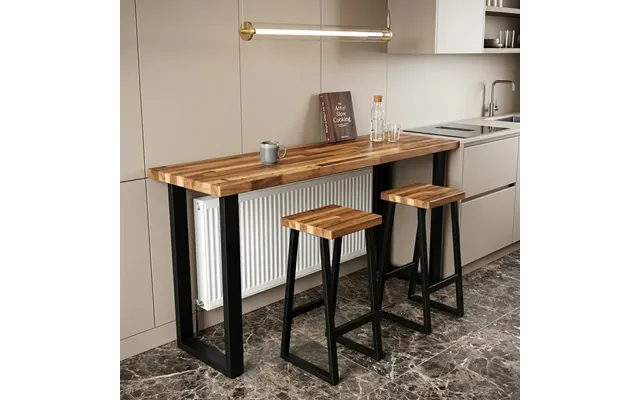
A kitchen island does more than sit in the middle of your kitchen; it becomes the heartbeat of the room. Prep station? Check. Breakfast bar? Of course. Extra storage and a stylish focal point? Absolutely. If you’ve been scanning popular offers and price lists for kitchen islands in the UK, you’re probably asking the big questions: Which style fits my space? What size works best? How do I get great value without compromising quality? Let’s break it all down in simple, practical terms so you can pick an island you’ll love for years.
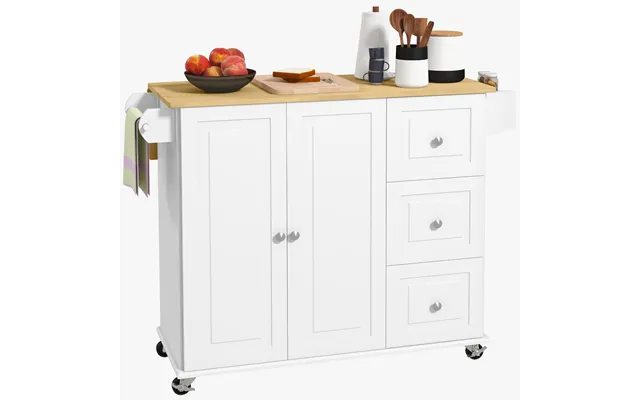
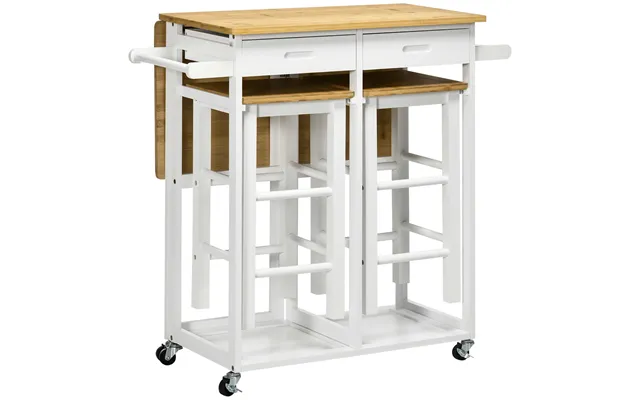
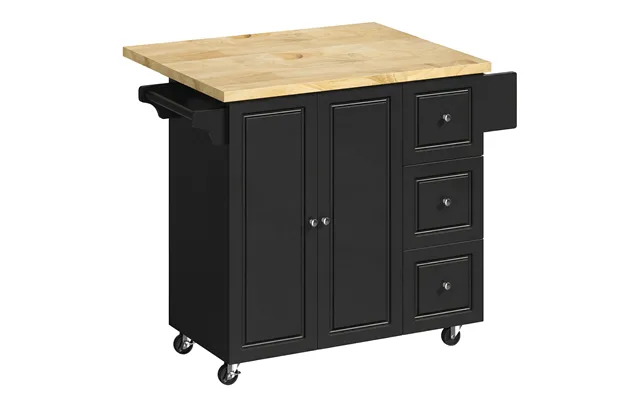
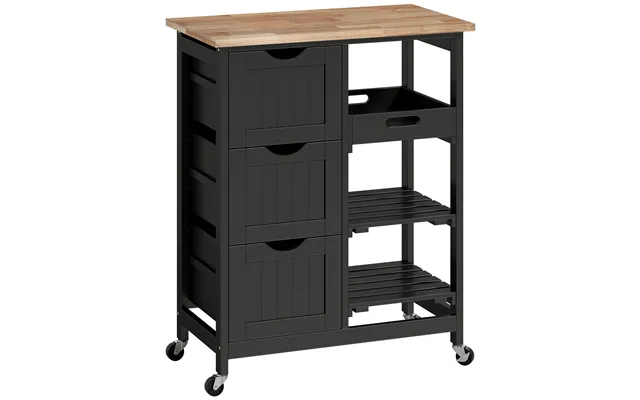
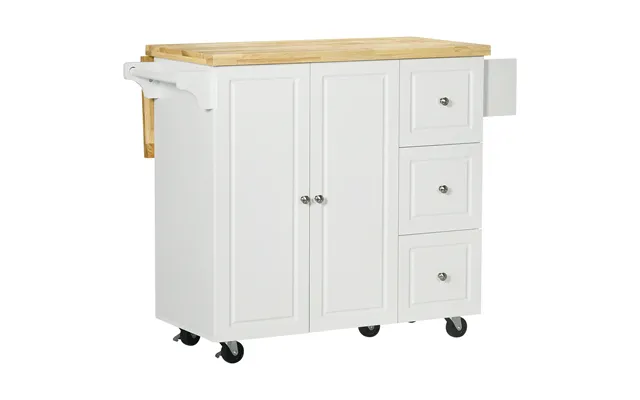
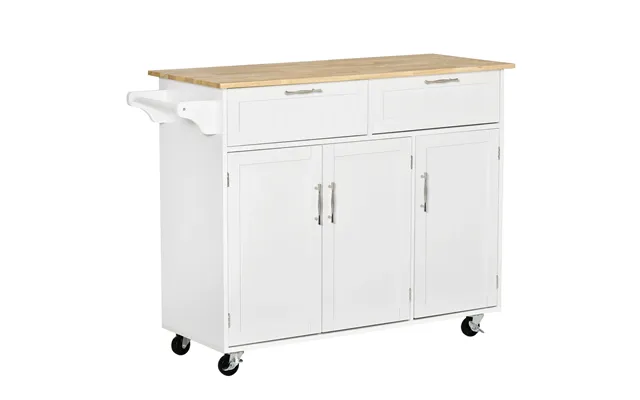
Rolling kitchen islands (sometimes called carts) are the flexible friends of compact kitchens. They’re great when you want an extra worktop on demand and clear floors when guests arrive. Look for sturdy frames, locking casters, and shelves or drawers for essentials. A 24 to 36 inch width suits most tight layouts, and a 20 to 24 inch depth keeps pathways clear. The best part? You can wheel it around like a sous-chef on call. Need a coffee station in the morning and a cocktail cart at night? Done.
If you cook often, a butcher block island turns prep into a pleasure. The warm, solid wood surface is ideal for chopping, kneading, and plating. A block top around 1.5 to 2 inches thick feels substantial under the knife and ages beautifully with proper care. Opt for end-grain or edge-grain hardwoods like maple or oak. Pair with deep drawers and pull-out trays so knives, boards, and bowls are always within reach. You’ll feel like you’ve added a small craft workshop to your kitchen.
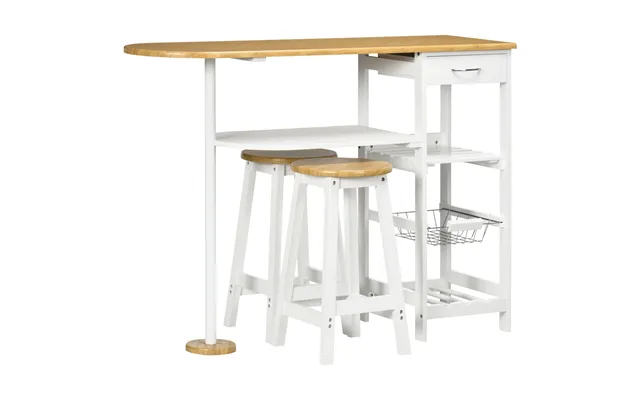
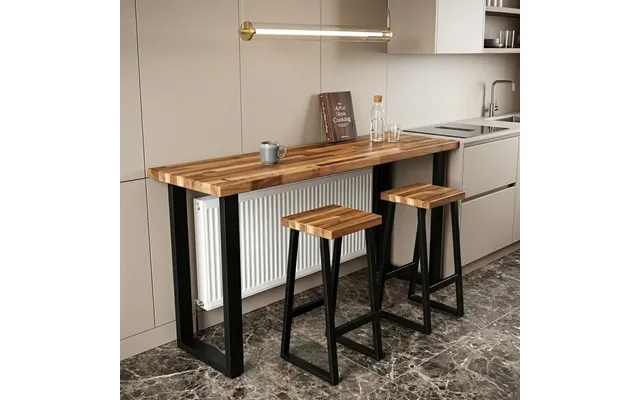
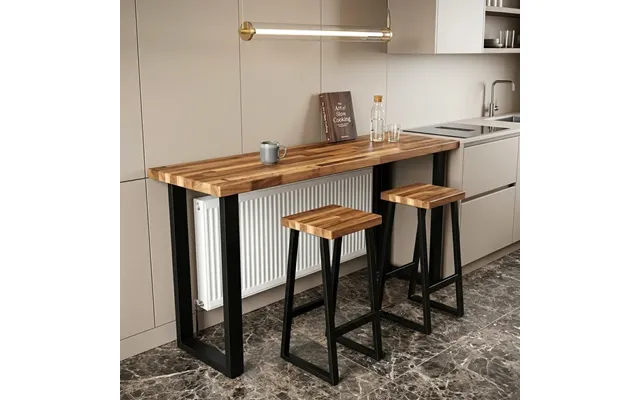
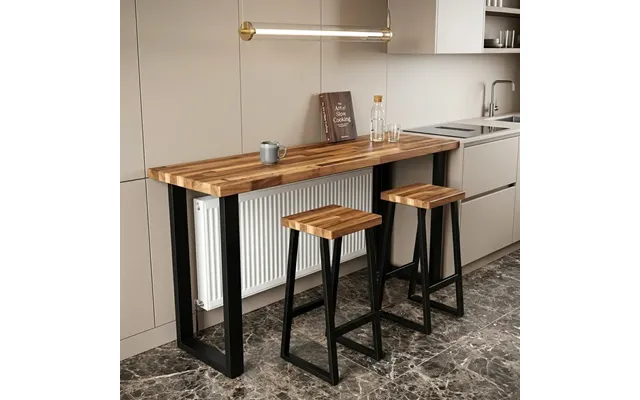
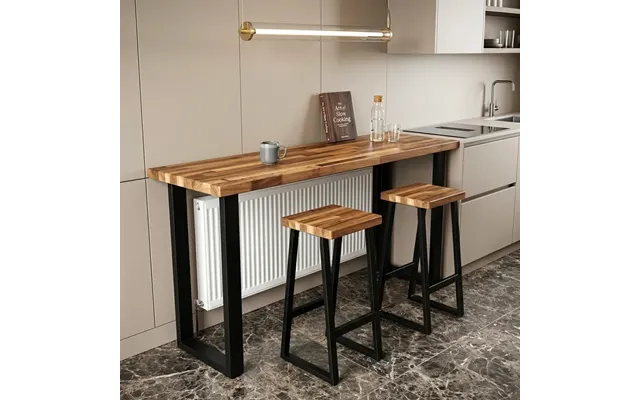
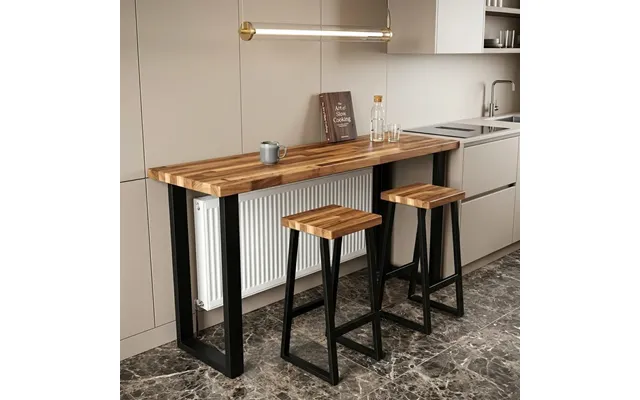
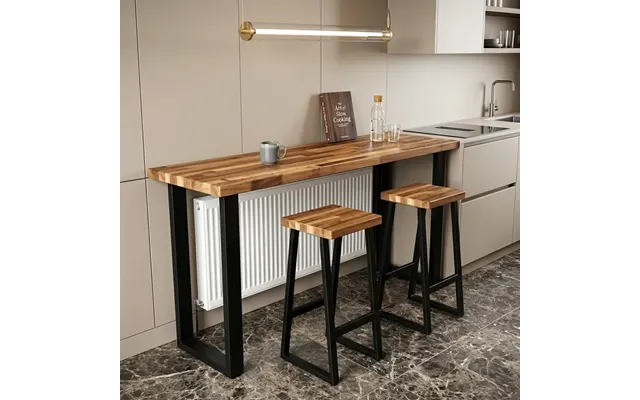
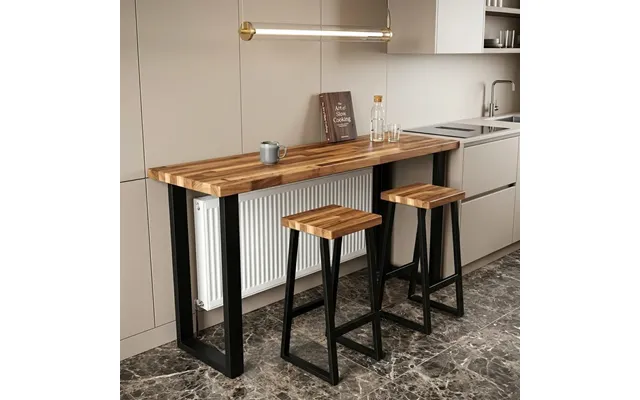
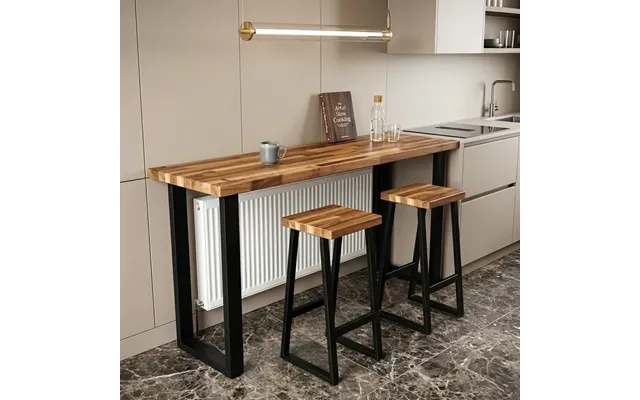
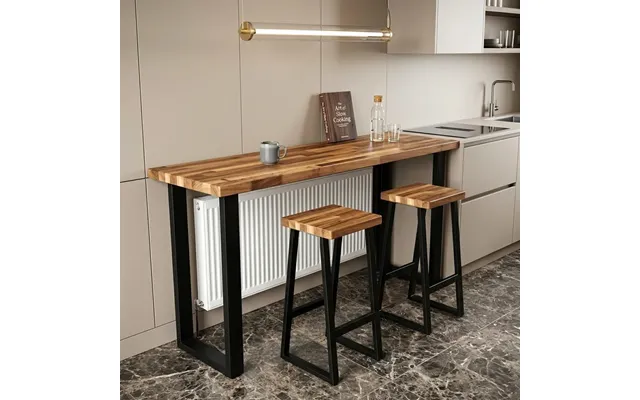
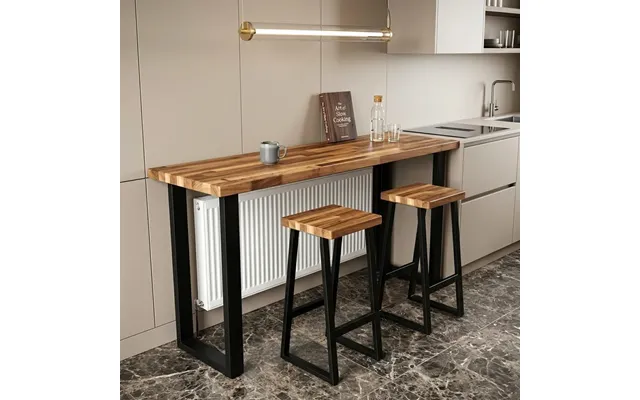
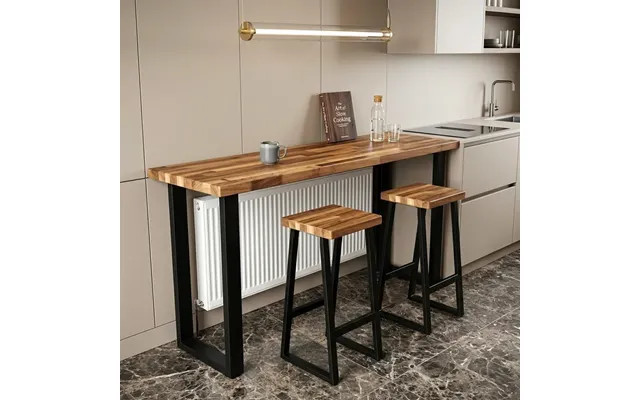
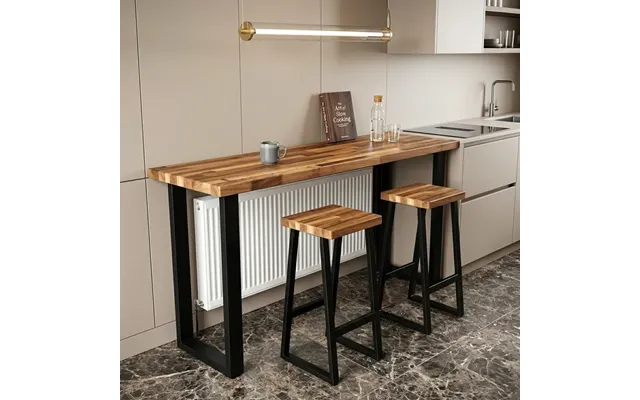
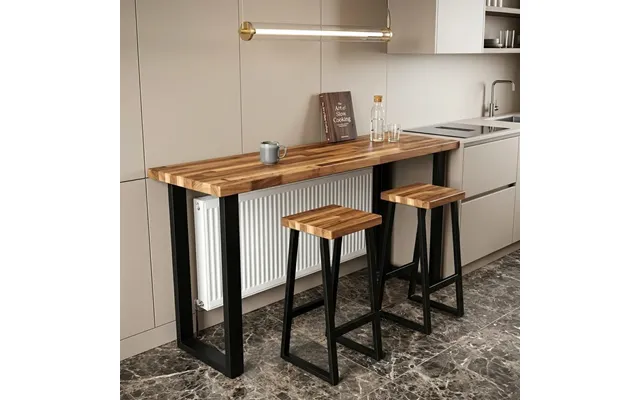
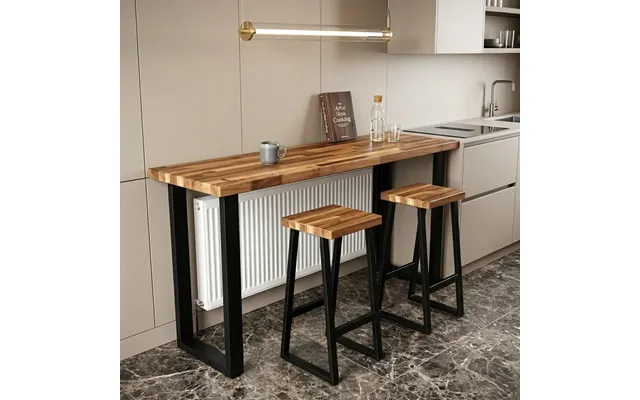
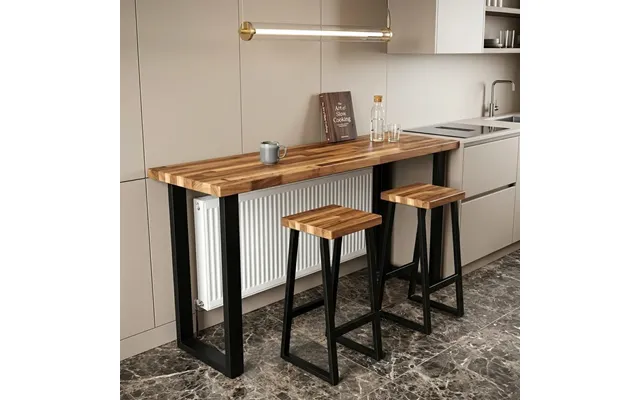
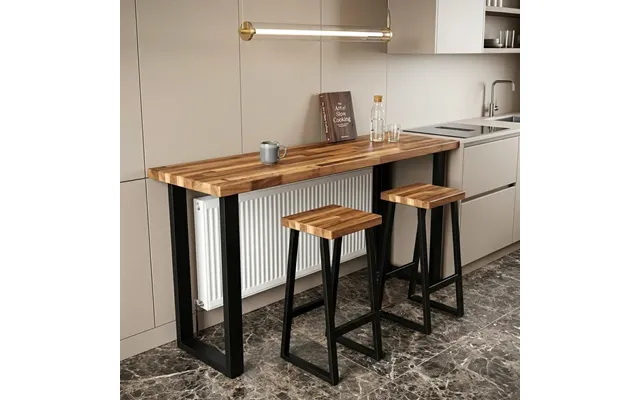
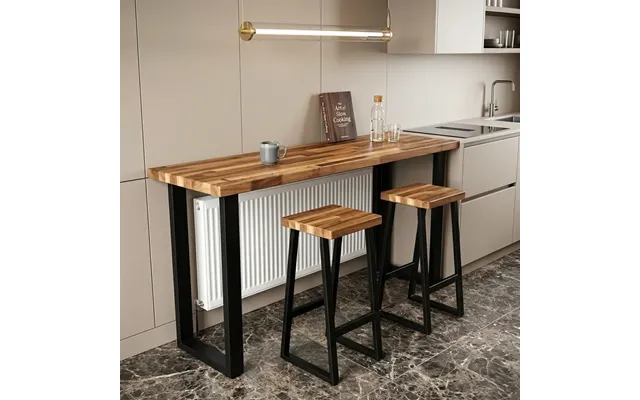
Want extra seating without cramming in a dining table? A breakfast bar island is your new best friend. A counter-height top at about 36 inches works with standard stools, while a bar-height tier at roughly 42 inches gives a casual, pub-style vibe. As a rule of thumb, plan about 24 inches of space per stool and a 12 inch overhang so knees don’t bump. A 72 inch-long island typically seats three comfortably, while 84 inches suits four.
No room for a massive block? Try a slim, galley-style island. A depth of 18 to 24 inches and a length of 48 to 60 inches creates a handy prep lane without hogging space. Add hooks, narrow drawers, and an integrated towel bar to squeeze out every bit of storage. A drop-leaf section can extend to 30 inches deep when you need it and fold down afterward. It’s like having a convertible sports car, but for cooking.
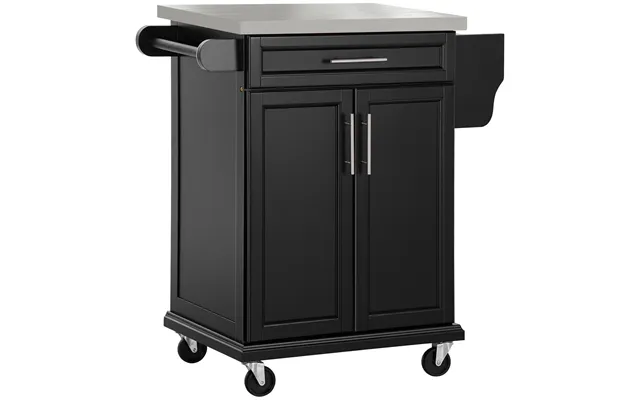
Love a pro-kitchen aesthetic? A stainless steel island brings that clean, commercial look home. It’s durable, easy to sanitize, and fantastic for serious cooks. Look for a heavy-gauge steel top and cross-braced shelves for stability. Pair it with wood stools to soften the look, or keep it all-metal for a sleek, loft-style vibe. Bonus: stainless shines under pendant lights and pairs well with black or brushed nickel hardware.
Wood counters add warmth and texture you can’t get from stone alone. Maple, oak, and walnut are common choices for butcher block, each offering distinct grain and color. They’re a joy for prep work, and with regular oiling, they resist moisture and wear. Wood tops also make small islands feel cozy rather than bulky. If you’re after a timeless centerpiece, wood is hard to beat.
Prefer ultra-low maintenance? Quartz composites bring consistent color, excellent stain resistance, and a premium finish. Granite carries that natural, one-of-a-kind patterning many homeowners adore. If you entertain often, stone tops are excellent for pastry prep, rolling dough, or staging charcuterie boards. Just be sure the base cabinets can handle the weight, and keep heat pads handy—hot pans belong on trivets, not directly on stone.
Laminates have come a long way. Modern versions mimic wood grain or stone patterns convincingly at a fraction of the price. They’re light, easy to clean, and wallet-friendly—ideal for starter kitchens or rentals. Eco-forward options include reclaimed wood tops or recycled composite surfaces. If sustainability matters to you, these choices let you go green while keeping style on point.
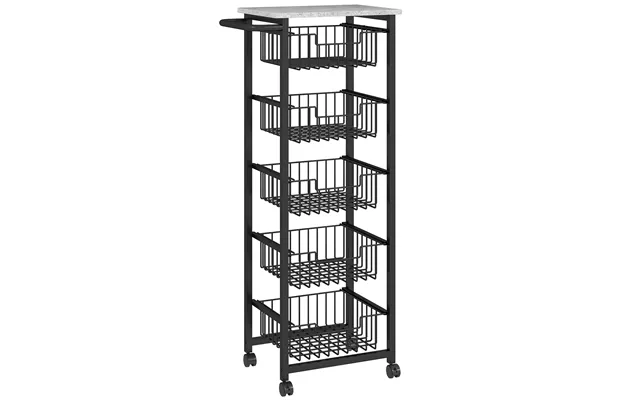
Open-frame islands in powder-coated steel or aluminum strike a balance between sturdy and airy. They’re perfect when you want storage without the visual bulk of full cabinetry. Add wood or stone tops, woven baskets for produce, and a rail for utensils to create a pleasing mix of textures. This hybrid approach keeps costs down while looking custom.
Before you fall in love with a design, measure your clearances. Aim for about 36 inches of open walkway on all working sides of the island. If your kitchen is a busy hub with multiple cooks, push toward 42 inches. Tight on space? You can get away with 30 inches in a pinch around one side, but only if other areas are generous. The goal is to move, pivot, and open doors without a shuffle dance.
Counter height at around 36 inches is best for chopping, mixing, and plating—it’s ergonomic and fits standard stools. Bar height at roughly 42 inches brings a casual, bistro feel and helps hide prep mess from the living room. Some islands mix both: a 36 inch prep side with a 42 inch raised ledge for seating. That two-tier setup doubles as a serving counter and splatter shield.
Comfort matters. Allow about 24 inches of linear space per stool so elbows aren’t bumping. Overhangs should be roughly 12 inches for legroom; deeper overhangs can work with corbels or sleek brackets for support. If you’re planning seating on two adjacent sides, leave about 12 to 15 inches between corners to avoid knee conflicts. Your guests will thank you.
Common island widths are 24, 30, and 36 inches. For length, 60 inches is a practical baseline, 72 inches welcomes three stools, and 84 inches comfortably fits four. Don’t forget the base: cabinetry depth (often 24 inches) plus overhang determines the final footprint. In smaller kitchens, a 48 by 24 inch island still adds huge utility without crowding the room.
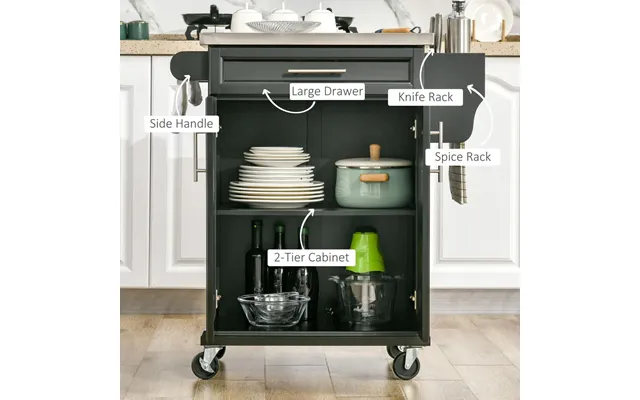
A good island is a storage superhero. Deep drawers hold pots and mixing bowls; shallow drawers keep knives, spatulas, and wraps tidy. Soft-close hardware makes everything feel premium and prevents slamming. If you love baking, consider a pull-out tray for stand mixers and a wide drawer for sheet pans. Think through your workflow, then assign everything a home.
Open shelves are perfect for cookbooks, baskets, or larger serveware. They add airiness and visual interest, especially on the seating side. Built-in wine racks or stemware holders turn your island into a social magnet—weeknight glass of red, anyone? Just keep everyday clutter tucked behind doors so your island looks styled, not chaotic.
Hide the mundane and love your kitchen more. Pull-out bins for trash and recycling make cleanup a breeze. If you’re composting, designate a small lidded bin under the prep area. With waste sorted out of sight, the island feels like a streamlined command center rather than a catch-all.
Small add-ons make a big difference. A side-mounted towel bar keeps dishcloths handy; hooks hold oven mitts and aprons; a built-in knife block cleans up your worktop. Even a slim rail with S-hooks can organize ladles and whisks. It’s the little touches that make an island feel tailored to your routine.
If your layout changes for parties or holiday cooking, a mobile island is brilliant. Look for heavy-duty locking casters—at least two, ideally four—so the island stays put while you’re chopping or rolling dough. Check weight ratings and floor protection; rubberized wheels reduce scuffs and squeaks. Mobility gives you agility, and that’s priceless in a busy kitchen.
Blenders, stand mixers, phone chargers—outlets turn your island into a functional hub. If you’re adding power, work with a qualified electrician to meet safety standards. Pop-up sockets or under-counter strips keep cords tidy. Position outlets near the appliance zones, not the seating area, and consider USB-C ports for modern devices. You’ll thank yourself every morning when you plug in the espresso grinder.
An island sink is a game changer for serious cooks. A small prep sink keeps rinsing and chopping in one zone, freeing your main sink for washing up. Remember, plumbing adds complexity and cost, and you may need venting solutions depending on your setup. If you’re not ready for plumbing, a deep butcher block and nearby pull-out bin can handle most prep tasks just as well.
Color makes an island sing. Deep navy and charcoal bring sophistication; sage green and soft gray feel calm and cozy. Painted bases let you refresh the look down the line, while stained wood adds warmth and visibility of grain. Match or contrast with your cabinets—both approaches can look stunning when coordinated with handles, stools, and lights.
Two-tone designs are stylish and practical. A painted base with a wood top softens a modern room, while a dark stone top on a white base creates crisp contrast. You can even mix materials: wood over the seating area for warmth and stone over the prep zone for durability. It’s like wearing a tailored suit with a favorite pair of sneakers—stylish yet comfortable.
Hardware is the jewelry of your island. Brushed brass warms cool palettes; matte black adds edge; polished chrome keeps things classic. Choose a consistent finish for handles, towel bars, and hooks, and don’t skimp on quality—your hands will feel the difference every day. Oversized pulls on deep drawers also boost grip and visual impact.
Good lighting turns your island into a stage. Pendant lights hung roughly 30 to 36 inches above the countertop balance task lighting and sightlines. For longer islands, two or three pendants spaced evenly look refined. Prefer minimalism? A linear fixture or recessed lights maintain a clean profile while keeping your worktop bright and inviting.
On a tight budget or working with a rental? Entry-level rolling carts deliver big utility for less. Expect open shelving, a laminate or thin wood top, and basic hardware. With a bit of styling—colorful baskets, a butcher block cutting board, and a magnetic knife strip—you’ll squeeze out impressive performance at a friendly price.
Mid-range islands step up to solid wood frames, soft-close drawers, thicker tops, and more refined finishes. You’ll find options with built-in racks, spice drawers, and seating overhangs. This tier balances quality and cost brilliantly and often offers the best long-term value, especially if you cook most nights.
Premium islands deliver custom widths, integrated appliances, stone or thick butcher block tops, and luxury hardware. If your kitchen is an open-plan showpiece, a bespoke island can anchor the entire space. Think 84 to 108 inch lengths with seating for four to six, concealed power, and a dedicated prep sink. The result feels like furniture crafted just for your home.
Prices fluctuate across the year, especially around seasonal sales and bank holidays. Comparing offers across multiple retailers helps you spot genuine value and avoid inflated “before” prices. Use trusted comparison platforms to review features side-by-side, track price drops, and match specifications to your room measurements. The smartest savings come from patience, clear measurements, and a shortlist of must-have features.
Flat-pack islands and rolling carts are typically DIY-friendly with basic tools. If you’re adding stone tops, electrical outlets, or a sink, bring in the pros. Safety first: heavy countertops need proper support, and electrical or plumbing work must meet regulations. The right help speeds things up and prevents expensive mistakes.
Islands should be perfectly level for safe chopping and stable appliances. Use adjustable feet or shims to correct uneven floors, then anchor fixed islands to the subfloor through the base. For mobile units, test the brakes thoroughly and check wheel alignment. A wobbly island is like a wobbly table at a café—annoying at best, risky at worst.
Protect hardwood or vinyl floors with felt pads or soft casters. For wood tops, apply food-safe mineral oil regularly until saturation, then monthly or as needed. Wipe spills promptly and use cutting boards to prevent deep gouges. Proper care doesn’t take long and keeps your island gorgeous for years.
Condition butcher block with mineral oil or a beeswax blend. Apply a thin coat, let it soak in, then wipe off the excess. For new tops, repeat weekly at first, then taper to monthly. If stains or scratches appear, a gentle sand and re-oil will make the surface look reborn. It’s satisfying, almost meditative.
Stone tops prefer pH-neutral cleaners and soft cloths. Avoid abrasive pads and acidic solutions. Laminates clean up with mild soap and water—easy. Always use trivets for hot pans and boards for cutting to protect any surface. Simple habits add up to long-term beauty.
Minor cabinet scuffs touch up with color-matched markers or wax sticks. If a drawer starts sticking, adjust the runners or upgrade to soft-close slides. Hardware is the quickest refresh—swap handles and knobs to transform the look without replacing the island. It’s the interior design version of a new haircut.
Keep it light and agile. A 48 by 20 inch rolling island tucks neatly into a corner and slides out when you need more workspace. Add a drop-leaf to reach 30 inches deep for weekend baking, then fold it away. Hooks for mugs, a rail for utensils, and one deep drawer for pans turn a small footprint into a mighty helper.
An 84 by 36 inch island becomes a family magnet. With four stools (24 inches each), a 12 inch overhang, and storage on the chef’s side, you’ve got breakfast and homework covered. Install two pendant lights and stash chargers in a drawer with a built-in power strip. It’s a workstation by day, gathering spot by night.
If you love to cook, design around workflow. A 72 by 30 inch island with a thick butcher block, pull-out trash, and a small sink streamlines chopping, rinsing, and discarding. Keep knives in a built-in block and spices in a shallow drawer near the prep zone. You’ll move like a pro—efficient, tidy, and fast.
Blend cooking and conversation without showing the mess. A two-tier design with a 36 inch prep surface and a 42 inch raised bar hides chopping and splashes. Guests sit high and chat while you plate and pour. Choose a stone prep top and a warm wood bar for a cozy, inviting look that bridges kitchen and living areas.
Choosing the right kitchen island is part design, part measurement, and part strategy. Think through how you cook, how you gather, and how your space flows. Match style to function—rolling carts for flexibility, butcher block for prep, stone for durability, and thoughtful storage for everyday ease. When you’re ready to buy, compare offers across multiple retailers, watch for seasonal value, and align features with your measurements. With the right plan, your kitchen island won’t just fill space—it will elevate how you live, cook, and connect at home.
| Kitchen Islands | Price | |
|---|---|---|
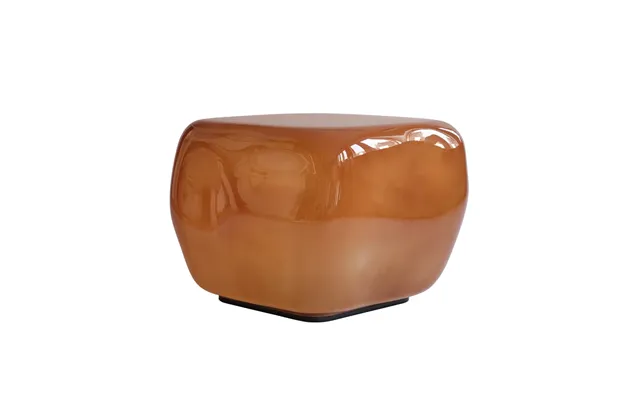
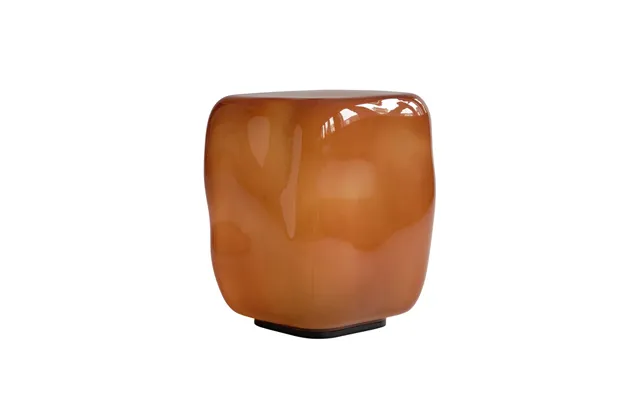
| 101 Copenhagen - Ishi Side Table, Caramel, 32 Cm, Glass | £ 506,- | |
| 101 Copenhagen - Ishi Side Table, Caramel, 52 Cm, Glass | £ 686,- |