All categories
Business & Offices
Electronics & Media
Fashion & Accessories
Groceries & Essentials
Health & Personal Care
Home & Living
Kids & Family
Sports & Outdoors
Search in ZoneOffer

Loading...
Ever sat down and thought, “This would be perfect… if only my chair did X?” That’s exactly where chair accessories come in. From comfort upgrades to practical fixes, the right add-ons can transform an average seat into a tailored throne. Whether you’re working from home, gaming into the night, or hosting friends, small tweaks—like a memory foam cushion or rollerblade-style casters—make a huge difference. Ready to fine-tune your setup without replacing your entire chair? Let’s dive into the best chair accessories available in the UK and how to choose them confidently.

If your back or hips whisper “ouch” by midday, this is your fast track to relief. Seat cushions and lumbar supports are the bread and butter of comfort—simple, affordable, and instantly noticeable. Tailored correctly, they improve posture, reduce pressure points, and help you sit longer with less fatigue. The trick is picking the materials and shapes that suit your body and your chair. Let’s unpack what actually works, and how to size them so they feel custom-made.
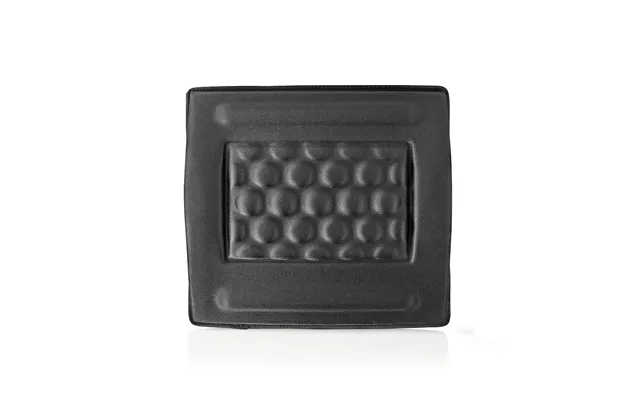
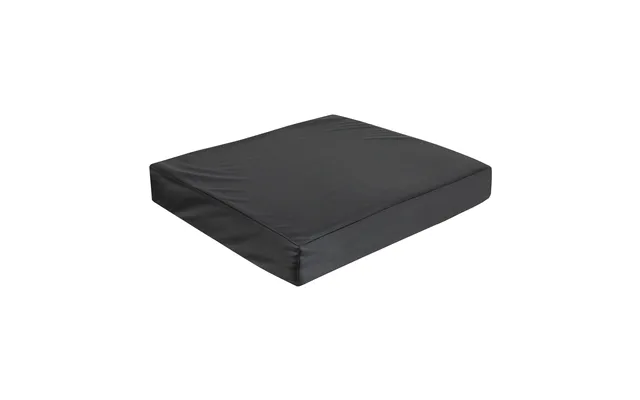
Gel cushions spread pressure evenly, keeping you cool during marathon sessions. They’re great if you run warm or sit on leather or PU seats. Memory foam offers plush, contouring comfort that hugs your hips and tailbone—ideal if you crave a softer landing. Some hybrids combine both for the best of each. For most office and gaming chairs, a cushion around 17 to 20 inches wide fits well; deeper seats may benefit from 16 to 18 inches of depth. If your seat is firm or thin, foam density matters—denser foam lasts longer and resists flattening.


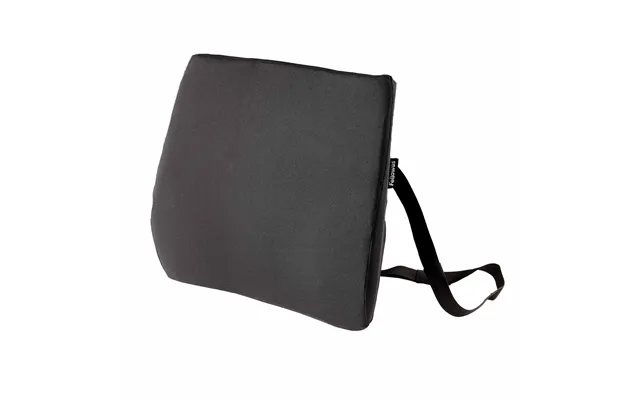
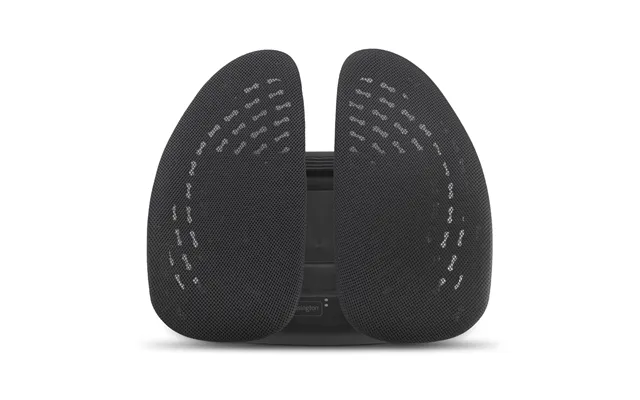
Mesh lumbar supports offer flexible, breathable tension that adapts to your back’s curve. They’re slim, affordable, and easy to strap on. Foam lumbar pillows provide more substantial pushback and are great if your lower back needs a firmer nudge. Prefer a “barely there” feel? Go mesh. Need pronounced support? Choose contoured foam with a central ridge. Look for adjustable straps and a height of 4 to 6 inches to target the natural inward curve of your lower back without forcing you forward.
Measure your seat width at the widest point; most office chairs fall between 18 and 21 inches. Aim for a cushion that’s 1 to 2 inches narrower so it sits neatly without bunching. For depth, measure from the backrest to the front edge—leave about 1 to 2 inches of space behind your knees to prevent circulation issues. For lumbar supports, a width of 13 to 16 inches usually fits well, with adjustable straps that wrap around backrests up to about 22 inches wide.
If your elbows feel bruised or your forearms slide around, armrest pads are an easy win. They soften hard plastic and add width or height, so your shoulders can finally relax. Extensions are useful for narrow armrests on gaming or racing-style chairs, giving you a broader platform for typing or controller time. The best part? Installation is usually strap-on simple—no tools, no fuss.
Memory foam pads offer plush relief, while gel-infused foam helps with heat buildup. PU leather looks sleek and wipes clean, but can run warm. Fabric or velour feels cozier and reduces slipping. For most chairs, pads from 9 to 11 inches long and 3 to 4 inches wide are a sweet spot; thicker pads at around 1 to 1.5 inches add healthy elevation without feeling bulky. If your arms ache after typing, a touch of elevation often straightens your wrist angle and eases shoulder tension.
Measure the armrest top: length, width, and circumference for wrap-around straps. Curved racing-style armrests benefit from flexible pads with strong Velcro. Office chairs with flat tops usually handle rectangular pads well. If you share a chair, opt for pads with anti-slip bottoms so they stay put. And remember, you don’t need to match the chair’s upholstery—contrasting colors can look intentional and stylish.
Neck stiffness can sneak up on you, especially with high-backed chairs that oddly miss the mark for taller or shorter users. Add-on headrests and pillows close that gap. They’re easy to install, surprisingly affordable, and can turn a decent chair into an all-day-friendly seat. Think of them as the pendant light for your posture—small, but transformative.
Many mesh-back chairs lack an adjustable headrest, but aftermarket kits clip to the frame and offer tilt and height adjustments. Look for a headrest that adjusts at least 2 to 4 inches vertically and pivots to match your head’s angle. Breathable mesh or padded fabric keeps sweat at bay, and a width of around 11 to 13 inches offers coverage without feeling bulky. Just confirm your backrest’s frame thickness so the mount holds securely.
Prefer a softer feel? A U-shaped neck pillow can work wonders, especially for reading, streaming, or late-night editing. Memory foam versions mold to your neck, while microbead pillows feel cooler and more malleable. A pillow thickness of 3 to 5 inches typically supports most necks without pushing your head forward. Bonus: they double as travel companions and couch-day saviors.
Your feet are the unsung heroes of posture. If they dangle or rest awkwardly, your back pays the price. A good footrest brings the floor to you, improving circulation and making long sessions more comfortable. Whether you want a rocking motion or a stable platform, the right height and surface texture matter more than you might think.
Rocking footrests encourage gentle movement that keeps your calves active and blood flowing. They’re perfect if you fidget or switch positions often. Static platforms offer predictable support and often come with grippy textures or massage bumps. If your chair sits high, pick a platform tall enough to close the gap—most users find 3 to 6 inches of lift does the trick. If you work barefoot or in socks, that textured surface becomes surprisingly addictive.
Measure how far your feet are from the floor when seated; that’s your target height. For most desks, a footrest 4 to 5 inches tall is a great starting point, with an angle range that lets you tilt from flat up to about a gentle slope. If you feel pressure at the back of your thighs, raise the footrest by an inch. If your knees feel cramped, lower it. Your goal is simple: flat feet, relaxed thighs, happy knees.
Scratched floors, chewed-up carpet, and noisy rolling—sound familiar? Chair mats and high-quality casters prevent damage and keep you gliding smoothly. The right choice depends on your flooring and chair weight. A quick swap here saves you cash on repairs and keeps your space looking sharp, whether it’s a spare room turned office or a full-time studio setup.
For carpet, pick a mat with small anchor spikes that keep it in place. On hardwood or laminate, choose smooth-backed mats that won’t scratch. Thickness matters: heavy users benefit from thicker mats that resist dents and curling. Common sizes include 36 x 48 inches for compact desks and 45 x 53 inches for larger workspaces. If your chair travels beyond the desk, size up so you never roll off the edge.
Rollerblade-style casters, with soft polyurethane treads, are quiet and floor-friendly. They glide over rugs and transition strips like butter. Standard hard plastic wheels can scuff floors and snag on low-pile carpet. Upgrading takes minutes: pop out the old wheels and push in the new stems. Just check your chair’s stem size—most office chairs in the UK use standard stems around 7/16 inch diameter and 7/8 inch length. The result? Smoother rolling, less noise, and fewer floor marks.
Wobbles, sinking seats, and unwanted rolling can make even the nicest chair feel broken. Thankfully, a few simple parts—glides, bases, and gas lift cylinders—can restore stability without a full replacement. Think of them as the pit crew for your seat: quick fixes that extend life and upgrade performance in one go.
If your seat drops slowly or refuses to rise, the gas lift is likely failing. Replacement cylinders are inexpensive and widely available. Look for a unit compatible with your base and mechanism, and check the travel distance—common lifts offer around 4 to 6 inches of height adjustment. If you’re unsure, consider a universal kit and follow safety guidance, as cylinders are pressurized. Upgrading can restore proper ergonomics and make your chair feel brand new.
Don’t want your chair to roll at all? Swap casters for glides. These rubber or nylon feet slot into the same sockets, keeping your chair stable and quiet. They’re ideal for music studios, dining setups, or workbenches where mobility is a nuisance. Look for non-marking materials and a base diameter of 2 to 3 inches for solid weight distribution and floor protection.
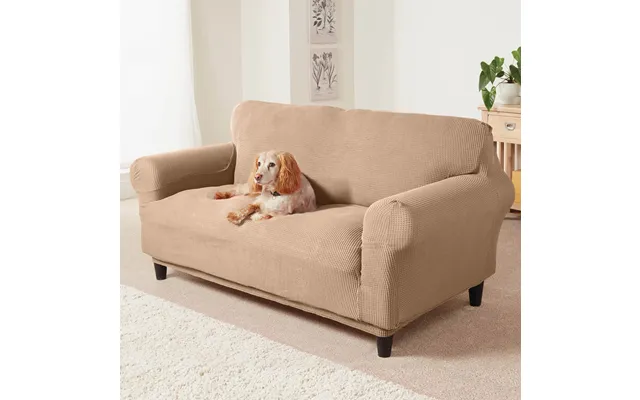
If your chair looks tired—or you’re protecting new upholstery from coffee, pets, or kids—slipcovers and seat covers are your secret weapon. They’re easy to clean, inexpensive, and can completely refresh your space in minutes. Bonus points if you like to change looks seasonally; swapping covers is far cheaper than buying new chairs.
Stretchy spandex-blend slipcovers slide over many dining chair styles, hugging curves for a tidy silhouette. For a tailored look, measure seat width and back height—many covers fit seats from about 14 to 20 inches wide and back heights up to around 24 inches. Bar stool covers with elastic hems also work wonders on round seats from 12 to 16 inches in diameter. Want a refined touch? Choose textured weaves or subtle patterns that hide stains and wear.
For daily spill protection, water-resistant seat pads are hassle-free. Choose covers with non-slip backing and tie-downs so they don’t migrate. Spot-clean with a damp cloth after spills, and machine-wash on gentle if the label allows. A quick weekly wipe prevents dust and crumbs from embedding, and rotating identical covers keeps wear even—like rotating tires, but for chairs.
Want a touch of luxury without splurging on a premium chair? Smart cushions deliver targeted heat, airflow, or massage to keep you comfortable for hours. They’re portable, plug into wall power or USB power banks, and turn any seat into your personal comfort zone. If you juggle work and relaxation in the same spot, these are game changers.
Heated seat pads take the chill off winter mornings and relax tight muscles. Look for adjustable temperature settings and auto shut-off timers. A secure strap keeps the pad from sliding, and a thickness of 1 to 2 inches adds cushioning without feeling bulky. Always follow manufacturer guidance and avoid covering the heating elements with heavy blankets to prevent overheating.
If warmth is the enemy, mesh covers and cooling gel inserts keep airflow moving. Breathable 3D mesh allows heat to escape, while gel layers absorb and disperse warmth. For all-day comfort, a ventilated back and a lightly padded seat cushion is a winning combo. Bonus perk: mesh materials are easy to wipe down and resist odor buildup.
Here’s the easy way to avoid returns and mismatches: measure first, buy second. A minute with a tape measure makes every accessory feel custom. Focus on the three key zones—seat, backrest, and armrests—and you’ll pick products that fit perfectly and look intentional, not improvised.
Measure seat width at the widest point—most fall between 18 and 21 inches. For depth, measure from the backrest to the front edge; you’ll generally want a cushion 1 to 2 inches shorter so it doesn’t press into the backs of your knees. If you’re adding a thick cushion (1.5 to 2 inches), check that your desk height still works; you might raise your chair or add a footrest to keep legs comfortable.
For lumbar supports, measure backrest width and confirm you have space for straps. If you’re adding a headrest, check frame thickness and shape to ensure a solid mount. For armrest pads, measure length and width, plus the strap wrap-around distance. If you use a keyboard tray, ensure armrest height won’t conflict—pads around 1 inch thick usually play nicely with most setups.
Good news: the best chair accessories don’t need to be pricey. With a little planning, you can build a complete comfort kit—cushion, lumbar support, casters, and a footrest—without breaking the bank. The key is knowing typical price ranges and comparing offers so you don’t overpay for hype or branding.
As a rough guide, quality seat cushions and lumbar supports often sit in the midrange, while accessories like casters, armrest pads, and slipcovers can be surprisingly affordable. Chair mats and smart cushions vary more based on size and features. Set a cap for each piece and watch for bundles that combine two or three items at a discount—just confirm each piece meets your measurements and materials checklist.
Comparison platforms in the UK help you scan multiple retailers quickly to find genuine value, not just flashy photos. You can filter by features, materials, and sizes—ideal when you need a 36 x 48 inch mat or a specific caster stem. Sites like ZoneOffer let you compare deals from different stores at a glance, so you focus on fit and quality rather than hopping from tab to tab. It’s the smarter, calmer way to buy.
A little care goes a long way. Treat your accessories right, and they’ll keep treating you right. Most of the time, you only need simple upkeep—quick vacuuming, spot cleaning, and the occasional deep wash. Make it part of your weekly reset, and your setup stays fresh and dependable year-round.
For cushions and pillows, removable covers make life easy—wash them on gentle and air dry. Spot-clean foam inserts; avoid soaking them to prevent breakdown. Mesh supports and covers usually wipe clean with a damp cloth. If you spill, blot rather than rub. For PU leather, use a mild cleaner and microfiber cloth to avoid scratching, then dry thoroughly to preserve the finish.
Casters collect hair and lint—pop them out and clear debris monthly for smoother rolling. A handheld vacuum or tweezers works wonders. Wipe chair mats with a mild soap solution and dry them flat to prevent warping. If your mat starts curling, flip it overnight and weigh it down along the edges for a quick reset.
You don’t need a brand-new chair to feel brand new. With the right accessories—seat cushion, lumbar support, armrest pads, headrest, footrest, quality casters, a protective mat, and perhaps a stylish slipcover—you can tailor your seating to your body, your space, and your style. Measure carefully, compare options thoughtfully, and focus on materials and fit. Do that, and you’ll sit down each day thinking, “This is exactly right.” Comfort, protection, and style—consider your seat officially upgraded.

| £ 113,50 |