

Slipper Chairs price list
Last updated Sunday, 18 Oct 2026




View 19 Offers
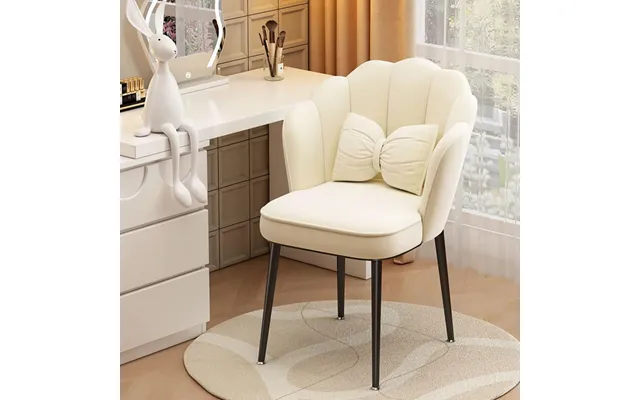
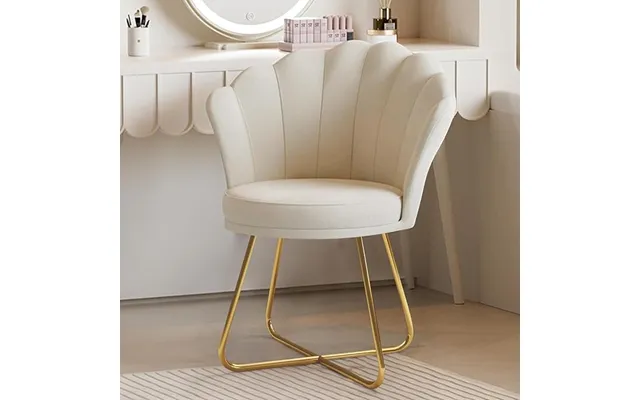
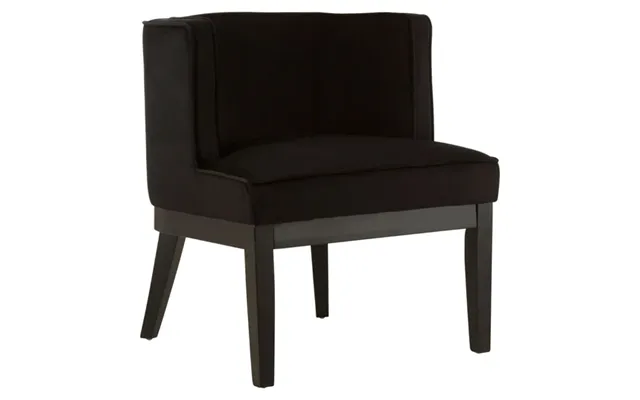
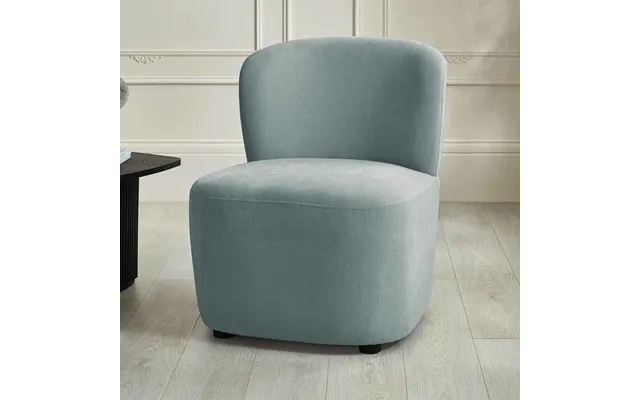
Loading...
Last updated Sunday, 18 Oct 2026
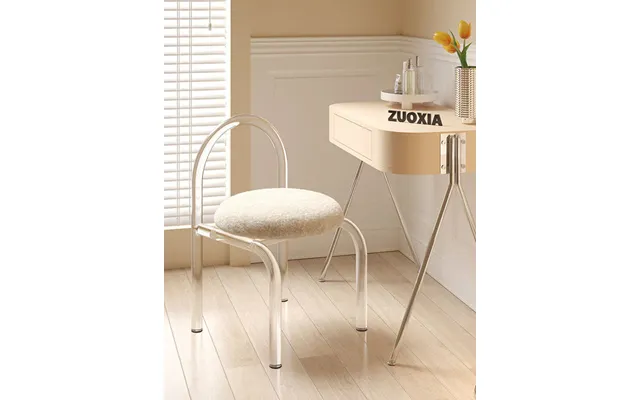
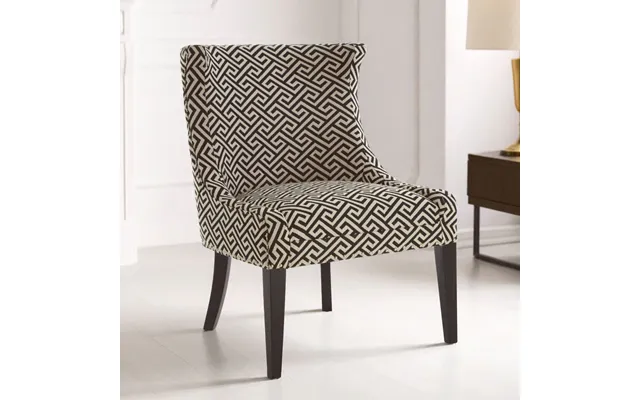
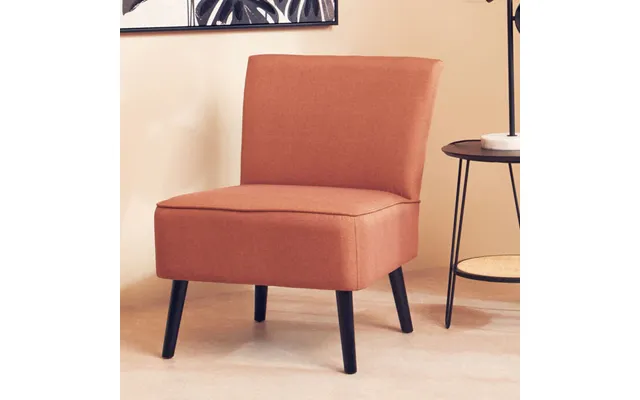
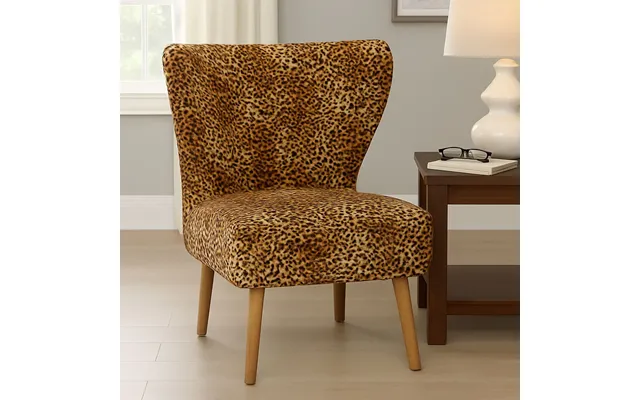
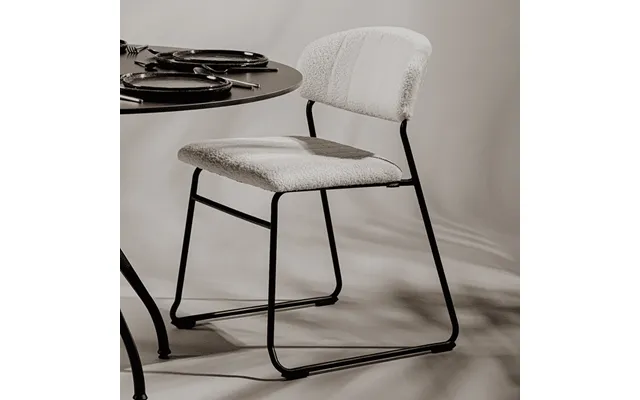
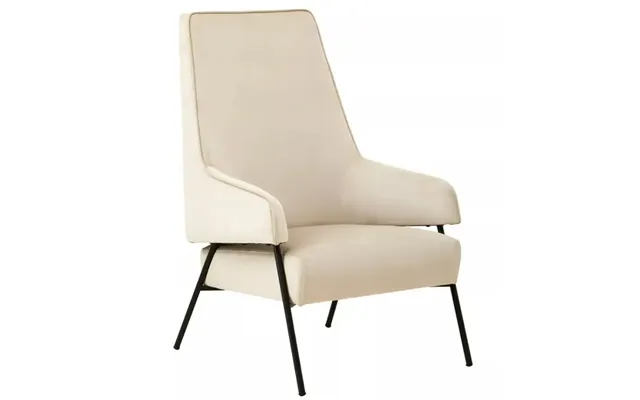
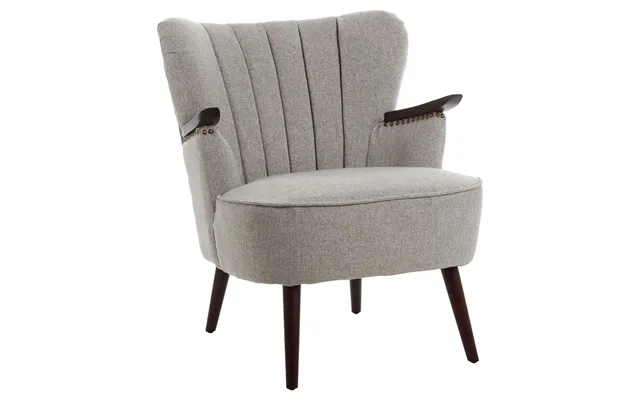
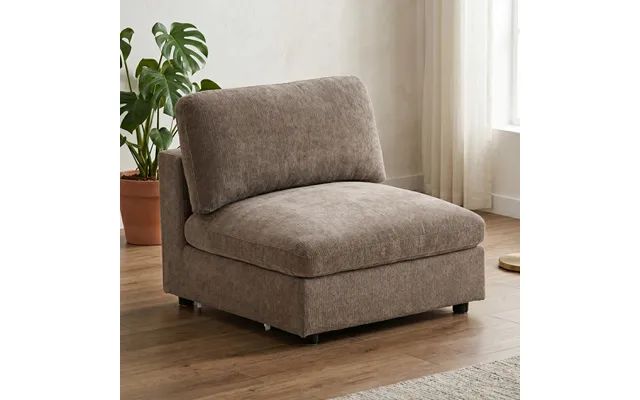
A slipper chair is a low, armless accent chair that slips effortlessly into tight spaces while still looking chic. Traditionally used in dressing rooms and bedrooms, today’s slipper chairs are just as at home in living rooms, entryways, and home offices. Their signature silhouette—armless with a generously cushioned seat and supportive back—makes them easy to slide under window sills, beside side tables, or next to a sofa without crowding the room. If you want style without bulk, a slipper chair is that compact, comfortable winner.
Short on square footage but big on personality? That’s where slipper chairs shine. They’re designed with a petite footprint, a low profile, and the kind of clean lines that visually declutter a room. Without arms, they tuck closer to coffee tables, ottomans, and consoles, opening up traffic flow and sightlines. You also get more flexibility with placement; move one around the house as needed and it still blends in. The result is extra seating that looks intentional—not like an afterthought or a temporary fix.
Most slipper chairs sit roughly 24 to 30 inches wide and 28 to 32 inches deep, with seat heights around 16 to 18 inches. That means they’re easy to fit in corners, next to a bed, or alongside a media unit. For comfortable passage, leave about 18 to 24 inches of walkway around your chair. Want a cozy reading spot? Pair it with a compact ottoman about 16 to 18 inches high and a side table around 20 to 24 inches tall so everything falls within easy reach.
Because slipper chairs are usually lighter than bulky armchairs, they’re simple to reposition when guests pop over or when you’re cleaning. Despite the lighter feel, a quality slipper chair often supports 250 to 300 pounds, with some reinforced frames going higher. The sweet spot is a kiln-dried wood or metal frame with webbing or sinuous springs for long-lasting comfort. You shouldn’t see wobble or hear creaks; a solid chair feels planted yet easy to nudge into place.
From plush velvet to easy-care linen, there’s a slipper chair for every mood board. Your fabric choice impacts not just how the chair looks, but how it wears, cleans, and ages. Whether you prefer mid-century minimalism, glam statement pieces, or breezy coastal vibes, you’ll find a silhouette that slots right in. Think of your slipper chair as the versatile accent—like a great pair of shoes—you can dress up or down and move across rooms when your décor evolves.
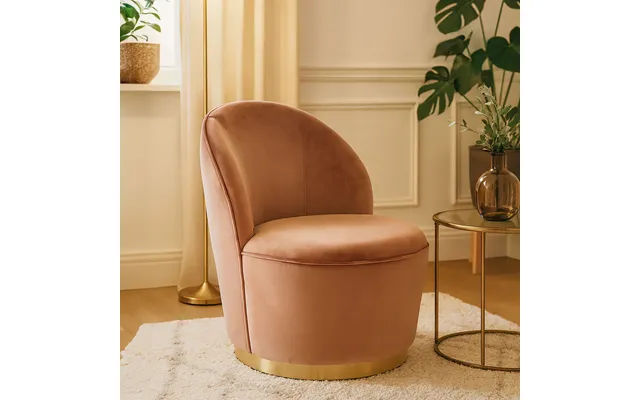
Velvet feels luxurious, photographs beautifully, and gives your space an instant upgrade. Jewel tones like emerald, sapphire, and garnet are perennial favorites, while soft blush and champagne tones bring a more subtle glow. Modern performance velvets are surprisingly durable and stain-resistant compared with older velvets, making them practical for everyday lounging. If you want that plush, sink-in comfort without overpowering the room, velvet is a gorgeous pick.
Linen and cotton blends are breathable, casual, and perfect for relaxed living. They tend to showcase texture—think gently slubbed or woven patterns—and they play well with coastal, Scandinavian, and minimalist interiors. Light neutrals like oatmeal and stone brighten small rooms, while charcoal and navy hide daily wear. For homes with pets or kids, look for tight weaves and removable, zippered covers to make spot cleaning a breeze.
Leather slipper chairs bring sophistication and age gracefully, developing character over time. Faux leather is a budget-friendly alternative that still looks sleek and is typically easy to wipe clean. Both options work well in modern, industrial, or masculine spaces and are a clever contrast against soft textiles like wool rugs or boucle throws. If you’re aiming for a refined reading nook, a leather slipper chair paired with a brass floor lamp is hard to beat.
Style cues matter. Mid-century slipper chairs often feature tapered wood legs and lean profiles. Farmhouse-inspired designs bring in textured fabrics and warm, natural wood. Glam versions show off channel tufting, velvet, and metallic accents. Boho styles lean into earthy hues, layered textiles, and rattan or caned details. Keep the room’s other pieces in mind—your slipper chair should complement, not compete, with your sofa, rug, and art.
If you’re going to sit and read, sip coffee, or chat for a while, comfort is king. Beyond the pretty face, pay attention to the seat, back angle, and base support. A well-built slipper chair balances softness with support; it shouldn’t feel like a beanbag, but it shouldn’t be stiff either. Sit-test if you can, but if you’re shopping online, seek out details on cushioning, suspension, and foam type to get a feel for the sit.
High-density foam keeps its shape better over time, while down or fiber wraps add that cloud-like top layer. A mix—supportive core with a softer wrap—delivers the best of both worlds. If the chair includes a loose seat cushion, look for a zippered cover. It’s a small detail that means big convenience when you’re cleaning. For a supportive sit, a seat depth around 20 to 22 inches often hits the sweet spot for average-height users.
The back of a slipper chair typically leans slightly to encourage a relaxed posture. You want a supportive lumbar area without a too-steep recline. If you plan long reading sessions, look for chairs with subtle contouring or add a small lumbar pillow. A back height that comfortably supports your mid-back helps prevent slouching, especially if you’re pairing the chair with a low ottoman to elevate your feet.
Texture changes how a chair feels across seasons. Velvet is cozy in cooler months, while linen and cotton feel airy when it’s warm. Leather disperses heat differently and can be comfortable year-round with the right air flow. If your room gets direct sunlight, consider colorfast fabrics or UV-resistant finishes to fend off fading. And for busy homes, performance fabrics can be a lifesaver against spills and smudges.
One of the biggest perks of slipper chairs is their versatility. They’re the chameleons of seating, sliding into spaces that larger armchairs simply can’t handle. Think about your bottlenecks: that awkward corner, the blank wall under a window, or the side of a bed that needs balance. A slipper chair steps in to complete the room without demanding attention—or floor space.
Place a slipper chair near a window or dresser to craft a calming corner for morning coffee or bedtime reading. A petite floor lamp and a 20 to 24 inch side table keep essentials within reach. Choose a fabric that complements your bedding—matching tones can make the space feel cohesive, while a contrasting color turns the chair into a focal point.
When you’re short on seating but don’t want to crowd the space, pair a slipper chair with your sofa and an ottoman. Position it at a slight angle to the coffee table to create an inviting conversational setup. If your sofa is neutral, a bold slipper chair adds personality; if your sofa already makes a statement, pick a quieter texture that harmonizes.
An armless chair by the door gives you a spot to lace shoes without blocking the path. In walk-in closets or dressing rooms, a slipper chair brings hotel dressing-table vibes. Keep at least 24 inches of clearance for comfortable movement, and consider a small rug beneath the chair to define the zone and protect floors.
A stylish, uncluttered chair in a corner makes an instant backdrop for calls. Add a plant and a small side table with a tidy stack of books, and you’re set. The low profile keeps your workspace feeling open, while the soft upholstery contrasts nicely with a desk and office chair’s hard lines.
Before you click “buy,” measure. Twice. Tape out the footprint on the floor to see how the chair will interact with nearby furniture. Check the path from your door to the chair’s final spot to avoid delivery-day surprises. Also consider the chair’s leg style; splayed legs may need a smidge more room than straight legs to avoid scuffs.
Confirm your doorway widths and any tight turns on the way in. Most slipper chairs fit through standard doors, but boxes can be bulky. If the chair arrives with legs detached, you’ll have an easier time navigating hallways. Keep furniture pads handy to protect floors when repositioning.
Ottomans roughly 16 to 18 inches tall align with typical seat heights for comfortable lounging. Side tables around 20 to 24 inches tall are ideal for a drink or a book. Keep at least 16 to 18 inches between the chair and table to prevent cramped elbows and to allow a clear reach.
From the outside, many slipper chairs look similar, but build quality matters. The differences often lie beneath the upholstery: frame materials, joinery, suspension, and cushion composition. Spending more can deliver better support and longevity, but smart mid-range picks can still feel luxe if you prioritize the right features.
Look for kiln-dried hardwood frames for durability; engineered wood can be fine when reinforced. For support, sinuous springs and strong webbing distribute weight more evenly than simple plywood slats. Over time, these details mean less sagging and squeaking. If you’re comparing options online, pay attention to weight capacity and construction notes to gauge sturdiness.
Higher-end chairs often use performance fabrics with built-in stain resistance or tighter weaves that resist pilling. Leather grades vary widely—top-grain and full-grain age beautifully, while corrected-grain is more uniform and budget-friendly. For fabric, check rub counts and cleaning codes; while not perfect predictors, they offer helpful clues about durability and maintenance needs.
A little routine care goes a long way. Regularly fluff cushions to maintain shape, rotate any reversible seat pads to distribute wear, and vacuum with an upholstery attachment to minimize dust and grit. Quick responses to spills are your best defense—blot, don’t rub, and follow the fabric’s cleaning code. With leather, condition occasionally to prevent drying and cracking.
Use a low-suction upholstery tool weekly to lift dust that can dull fabric over time. For spots, test a small hidden area first, then blot with a microfiber cloth and an appropriate cleaner. Consider a fabric protector if your chair doesn’t already include one; it buys you time when accidents happen and helps repel everyday stains.
Wipe with a slightly damp cloth to remove surface dust, then dry immediately. Condition a few times a year with a leather-appropriate product to keep it supple. Keep leather away from heat sources and intense direct sunlight to prevent fading or drying. For faux leather, a simple wipe-down routine usually does the trick.
The slipper chair category is broad, with similar designs appearing across different retailers at different price points. That’s why comparing matters. Use a trusted comparison site like ZoneOffer to scan live prices, filter for fabric and color, and spot limited-time deals from multiple sellers in one go. You’ll quickly see which models deliver the best value without bouncing between a dozen tabs and guessing what’s actually a good price.
Dial in the look and feel first: choose upholstery (velvet, linen, leather), color family, and leg finish. Then narrow by dimensions to fit your space—width, depth, and seat height—plus weight capacity if that’s important. Scan user ratings and look for terms like “supportive,” “easy to assemble,” and “true to color” to foresee what your experience might be like.
Don’t just check the stars—read the text. Look for consistent mentions about comfort, cushion firmness, and fabric quality. If several users mention the chair sits lower than expected, confirm the seat height. If color accuracy varies by screen, check customer photos. These nuggets help you choose confidently and avoid surprises.
Still deciding? A few chair types overlap with slipper chairs and might suit your needs better, depending on the room and how you lounge. Think about how you sit: do you curl up cross-legged, prop your feet on an ottoman, or simply need a perch to put on shoes? The right silhouette can elevate comfort and flow.
All slipper chairs are armless, but not all armless chairs are slipper chairs. Many armless accent chairs sit higher, with firmer back angles and sometimes broader frames. If you want a slightly more upright posture for conversation, an armless accent chair could be the ticket. If you want that relaxed, sink-in seat for reading or scrolling, the classic low slipper chair wins.
Barrel and tub chairs add arms and a wraparound back for a cozy, hugged-in feel. They take up a little more space but offer a different kind of comfort—great for long chats. Lounge chairs often have reclined backs and ottomans built for serious relaxation. If you have the square footage, you might prefer the enveloping feel; if not, the slipper chair delivers comfort in a smaller footprint.
For ultra-flexible seating, ottomans and poufs are light, stashable, and perfect for casual gatherings. They’re not a replacement for a supportive chair, but they’re brilliant as add-ons. Use them to extend a slipper chair’s lounging potential or to provide a perch that can slide under a console when not in use.
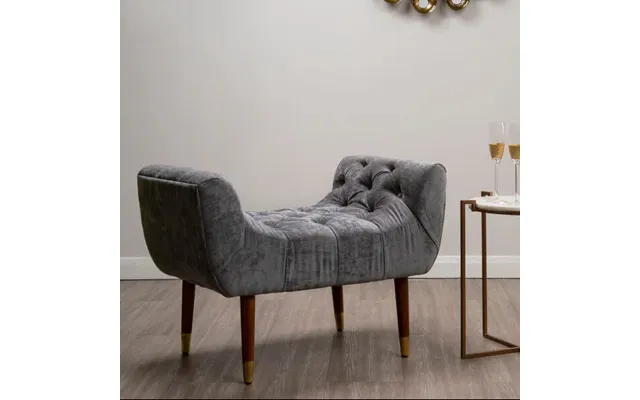
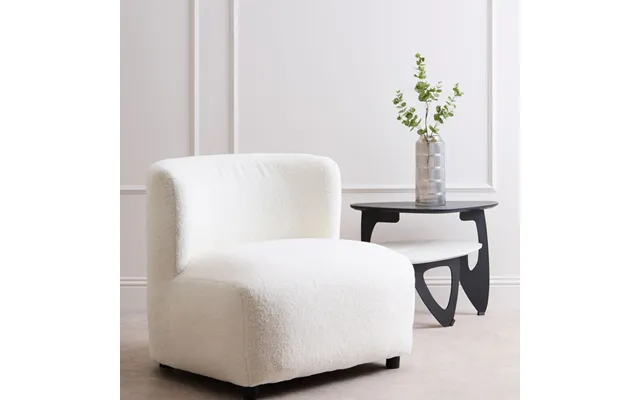
Design trends often start in accent seating, and slipper chairs are no exception. Warm earth tones—think caramel, rust, and olive—continue to rise, balanced by jewel tones for those statement moments. Textural fabrics like boucle and chenille add depth without busy patterns. On the legs, you’ll spot slim, tapered woods and refined metal caps for a tailored finish. Channel tufting and rounded corners soften straight-lined spaces beautifully.
Try layering: a velvet slipper chair in forest green set against a natural jute rug; a boucle chair in cream beside a walnut side table; or a linen-blend chair in stone punctuated with a patterned throw. It’s the mix of matte and sheen, smooth and nubby, that makes a room feel collected and cozy rather than catalog-perfect.
Exposed wood legs in walnut or oak tones are timeless, while brushed brass or matte black caps add subtle polish. If your room already features metal finishes—like a brass lamp or black-framed mirror—match or echo those tones in your chair’s leg details to tie the look together without shouting.
If sustainability is on your radar, there are smart ways to make a greener choice without sacrificing style. Prioritize durable frames, replaceable cushions, and fabrics designed to last. The longer a piece serves your home, the lower its lifetime footprint. Bonus points for responsibly sourced wood and recycled fibers in upholstery.
Chairs built with responsibly sourced wood support better forestry practices, and recycled polyester blends can reduce waste while remaining easy to clean. Many modern performance fabrics now include recycled content without compromising on feel or durability, giving you the best of both worlds.
Choose timeless silhouettes and versatile colors you won’t tire of. Neutral bases let you reinvent the look with throws and cushions season after season. A slipper chair that transitions from living room to bedroom to office is inherently more sustainable because it stays useful as your needs change.
Sales come and go, but the right strategy helps you catch a genuine deal. Compare across multiple retailers, note historical pricing where possible, and watch for bundles that include an ottoman or a protective plan at a discount. On comparison platforms such as ZoneOffer, you can quickly view options side by side, track price drops, and filter to the exact fabrics and sizes you want—so you land the chair you love at a price that makes sense.
Slipper chairs deliver a rare combo: compact size, serious comfort, and style that adapts to almost any room. Whether you’re carving out a bedroom reading nook, adding extra seating to a living room, or styling an inviting entryway, this armless wonder plays the role beautifully. Choose upholstery that matches your lifestyle, check the construction details for lasting support, and measure your space for a just-right fit. Compare across sellers to find the sweetest price, and you’ll bring home a chair that earns its keep every single day.