All categories
Business & Offices
Electronics & Media
Fashion & Accessories
Groceries & Essentials
Health & Personal Care
Home & Living
Kids & Family
Sports & Outdoors
Search in ZoneOffer

Loading...
When the sun peeks out and the sky finally turns blue, nothing beats stretching out on a great sunlounger. It’s the difference between “nice afternoon” and “mini holiday at home.” The right lounger gives you comfort, style, and durability, all while transforming your garden, patio, or balcony into a spot you’ll never want to leave. Looking for popular offers in the UK? You’ll find heaps of choice—reclining frames, breathable meshes, cushioned daybeds, and foldable designs that stash away when the weather turns. Let’s break down the must-know details so you can choose a lounger that fits your space, matches your style, and goes the distance season after season.
Sunloungers aren’t one-size-fits-all. Your perfect choice depends on how you relax, how much space you have, and how often you plan to move things around. From adjustable chaise loungers to zero-gravity designs, each type shines in a slightly different way. Ready to find your match? Here’s what to look for.
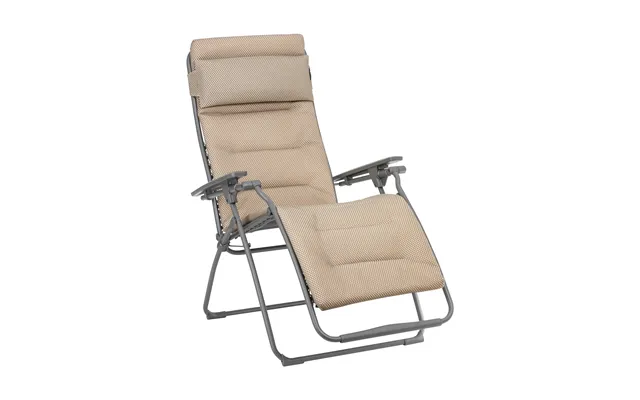
If you like options, adjustable loungers are your best friend. Multiple backrest positions let you sit upright for reading, recline for napping, or go fully flat for sunbathing. Look for sturdy ratchet or notched mechanisms that hold firm without slipping. A good adjustable lounger often measures around 72 to 78 inches long and 24 to 30 inches wide, giving you enough sprawl room without swallowing your patio. Bonus points if the design includes a head pillow or padded section at the top for neck support.
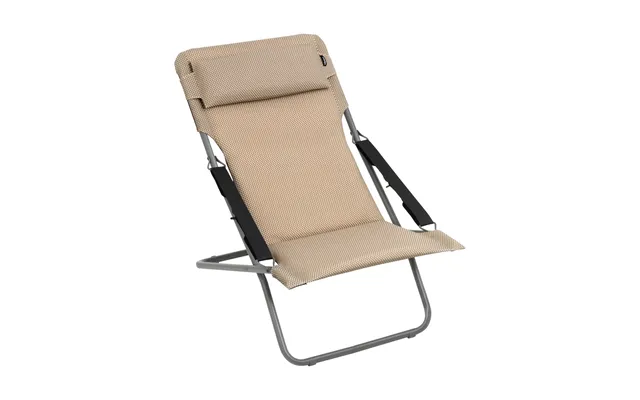
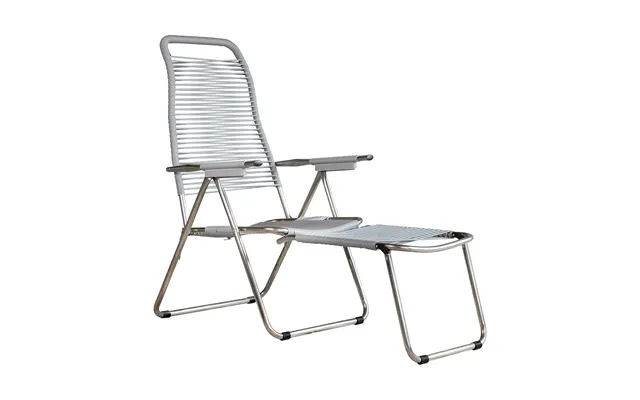
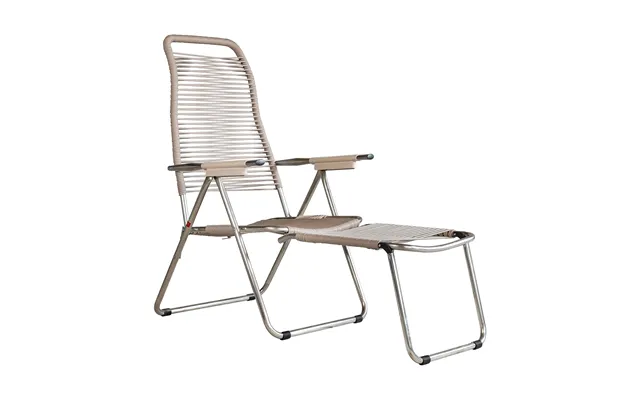
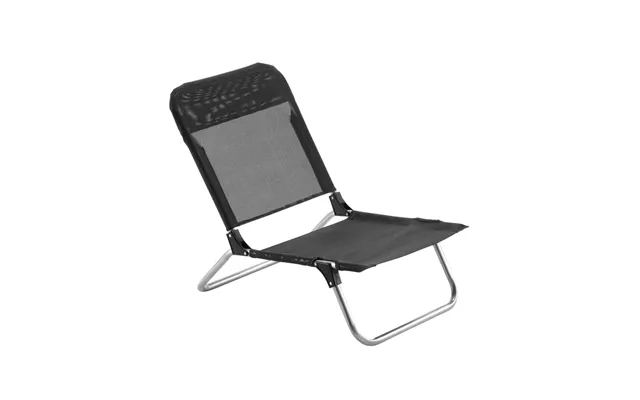
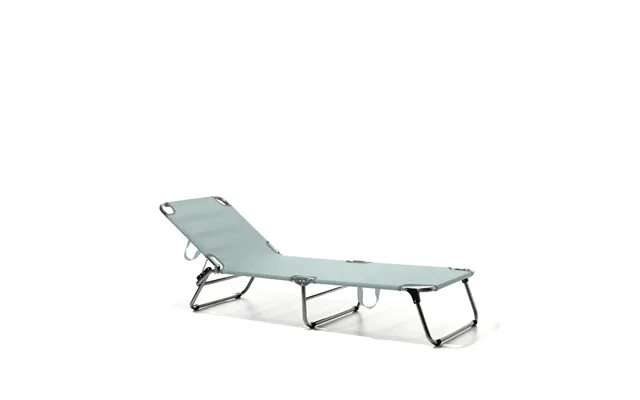
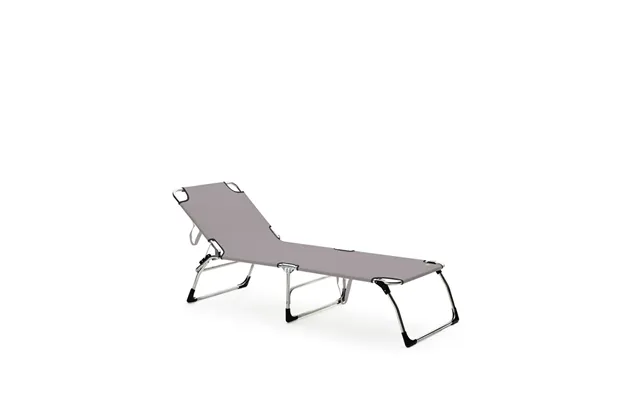
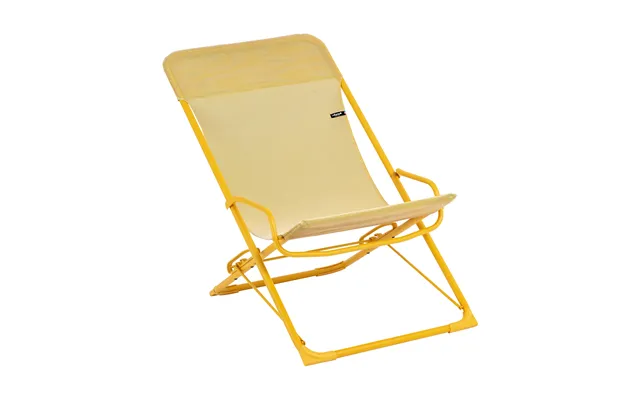
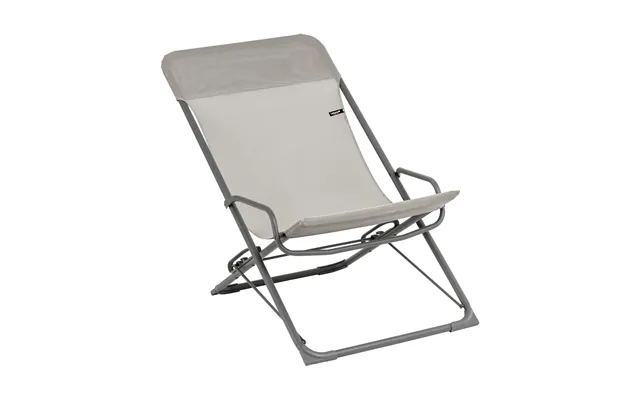
Short on space or planning to move the lounger from garden to balcony and back again? Folding models make life easy. They typically collapse in a couple of motions and slide into a shed or car trunk without fuss. A weight around 12 to 20 pounds is common for aluminum-and-mesh builds—light enough to carry, heavy enough to feel stable. Look for carry handles, quick-lock hinges, and scuff-resistant feet so you don’t scratch decks or stone patios.
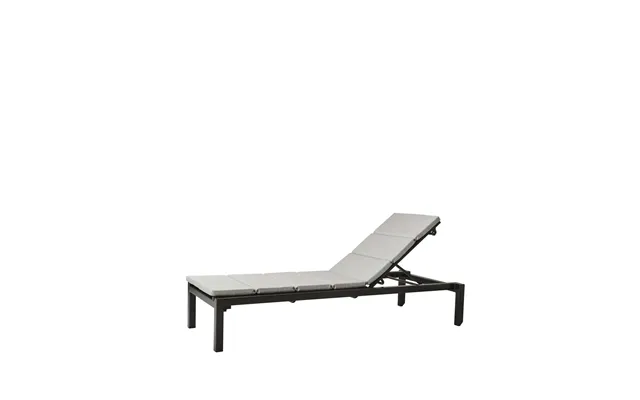
Love a luxe look? Chaise-style loungers and cushioned outdoor daybeds bring resort vibes home. These pieces often sit a little wider—think 28 to 36 inches—with thicker cushions for that sink-in feel. If you’re a fan of afternoon naps, this is the lane to drive in. Check for weather-resistant foams that drain quickly after showers and cushion covers with zip closures, so you can remove and clean them when life (or a glass of lemonade) happens.
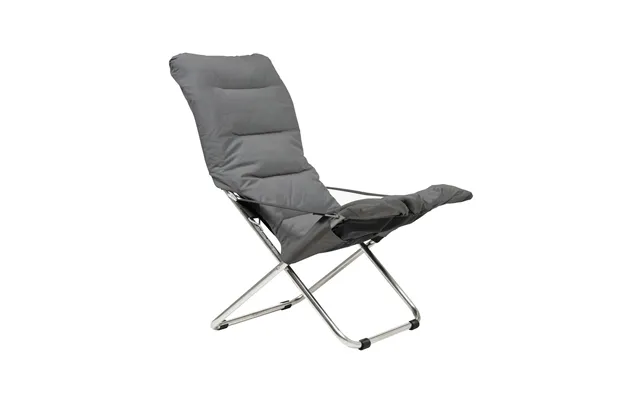
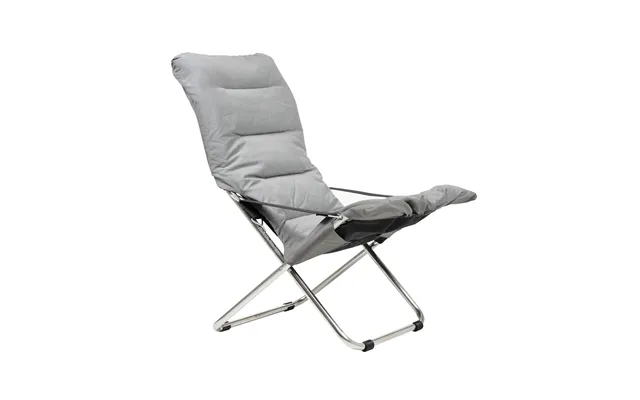
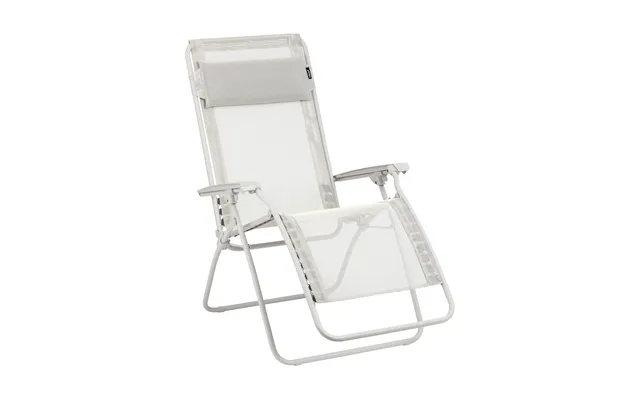
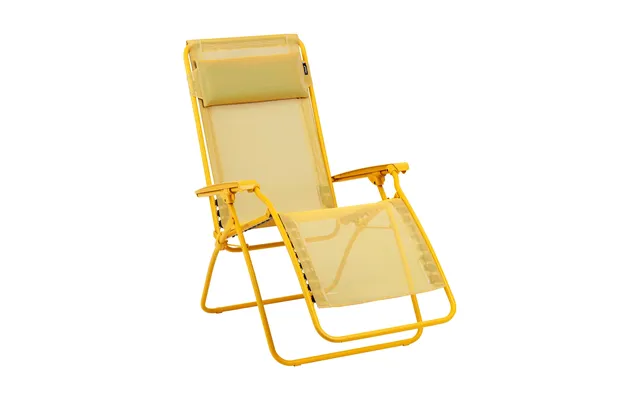
Want that floating feeling? Zero-gravity loungers distribute your weight evenly, easing pressure on your back and legs—perfect for long, lazy reads. Rocking designs add a calming motion many people find addictive. These tend to be lighter and more portable, but they still benefit from breathable mesh and solid frames. A headrest that slides to accommodate different heights is a small feature with big comfort payoff.
The UK weather keeps us on our toes, so your sunlounger needs to shrug off showers, resist fading, and avoid rust. The frame, seat material, and hardware all matter. Choose wisely and you’ll enjoy years of lounging without the “is this going to fall apart?” anxiety.
Aluminum is a superstar for outdoor furniture: light, strong, and naturally resistant to rust. Pair it with a powder-coated finish and you’ve got a frame that stands up to wet spells and looks sharp. Powder-coated steel can be even sturdier but needs quality coating to prevent corrosion. When you check specs, scan for stainless-steel screws and bolts—mixed metals can corrode faster, so consistency is king.
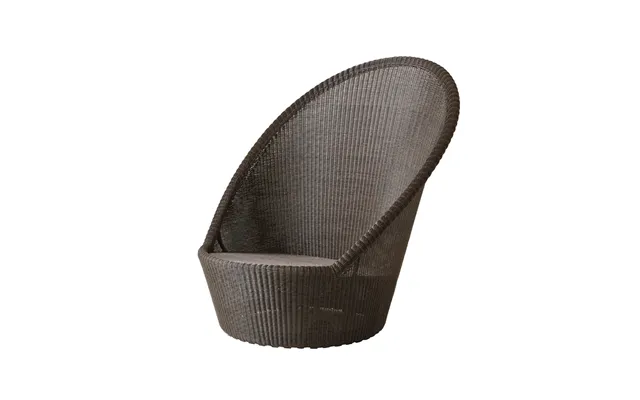
That woven, coastal look? Synthetic rattan (resin) gives it to you with far less upkeep than natural fibers. It won’t soak up water, and it doesn’t crack the way real rattan can after repeated exposure. The best resin weaves are UV-stabilized so they keep their color. Darker hues hide marks well, while lighter tones reflect heat for a cooler seat on blazing afternoons.
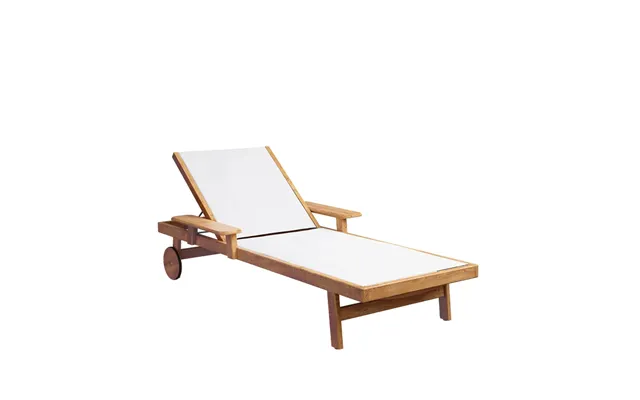
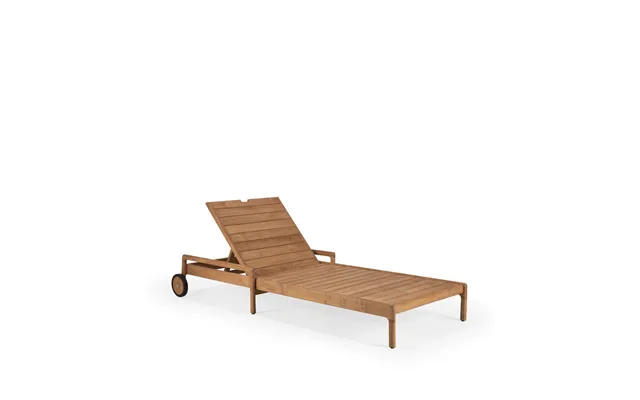
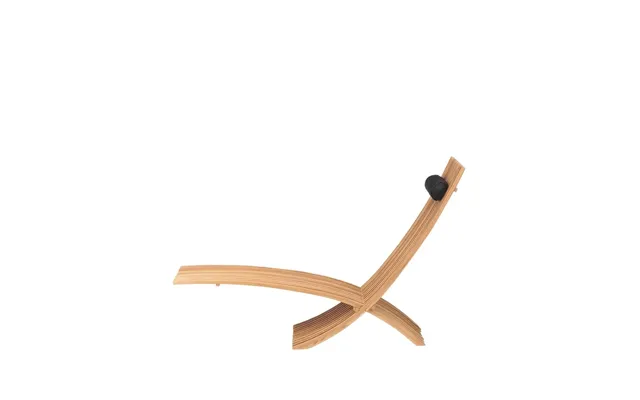
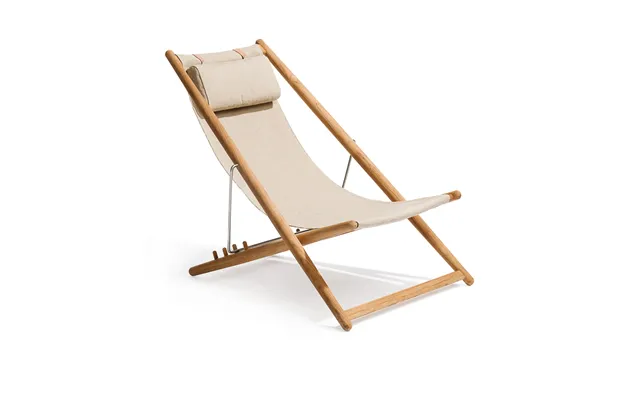
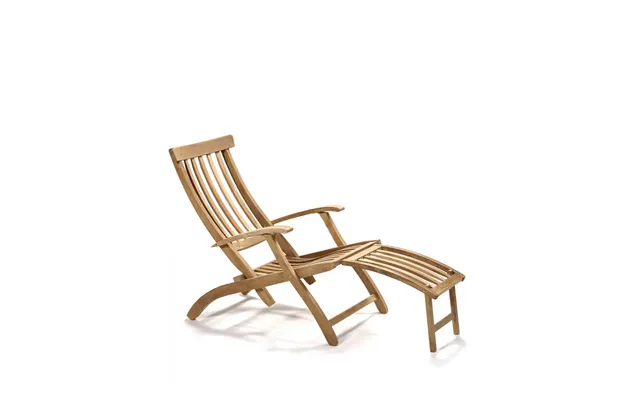
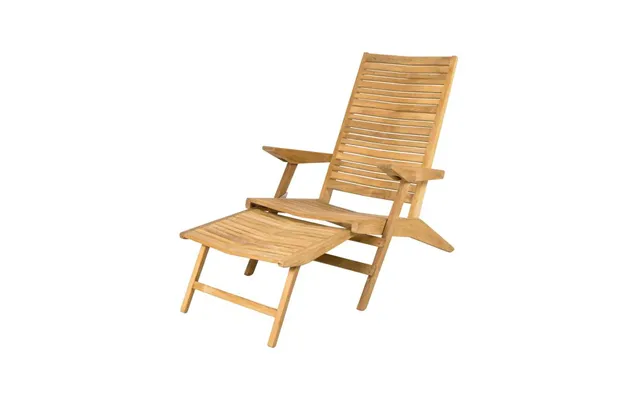
Wooden sunloungers bring warmth and character you can’t fake. Teak is top-tier thanks to its natural oils, but eucalyptus and acacia offer fantastic value with proper care. Expect to oil wood once or twice a season to maintain the rich color, or let it weather to a silvery patina—both looks are beautiful. Just make sure joints are tight and hardware is rust-resistant to keep everything sturdy.
Breathable sling fabrics like textilene and olefin are brilliant for the British stop-start summer. They dry fast after showers, feel cool against the skin, and don’t require a cushion. If you’re going cushioned, ask about quick-dry foam cores and solution-dyed covers—materials engineered to resist fading and handle sudden downpours without holding water for days.
Comfort isn’t only about padding. It’s about the details you notice three hours into a lounge session. Think adjustable pillows, supportive frames, and handy storage for your glass and book. The right features make relaxation effortless.
If plush comfort tops your list, look for cushions at least 2 to 4 inches thick with firm-yet-forgiving foam. Removable, zippered covers make cleaning a breeze. Ties or non-slip backing help cushions stay put when you move. If your space gets intense sunlight, go for lighter shades that stay cooler and fade less noticeably over time.
That subtle S-curve in a lounger frame isn’t just for looks—it supports your lower back and knees, taking pressure off your hips. A sliding or detachable headrest lets you fine-tune neck support whether you’re 5 feet 2 or 6 feet 2. If you often wake with a stiff back, a zero-gravity or curved chaise can feel like a revelation.
Armrests help you get in and out gracefully, especially on lower loungers with seat heights around 12 to 16 inches. Integrated side trays save you from balancing drinks on the ground, and built-in wheels mean you can pivot the lounger to chase (or dodge) the sun without a workout. Look for large, smooth-rolling wheels that don’t dig into lawn surfaces.
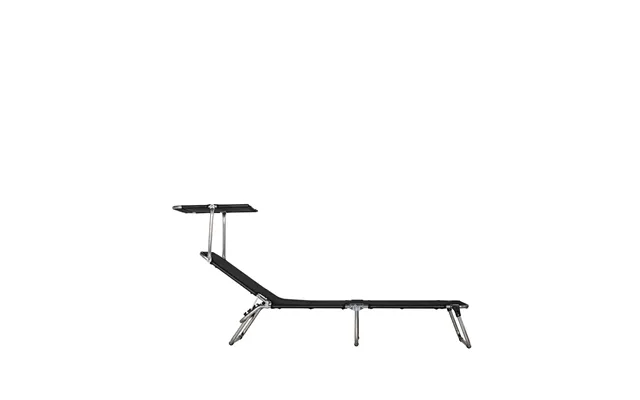
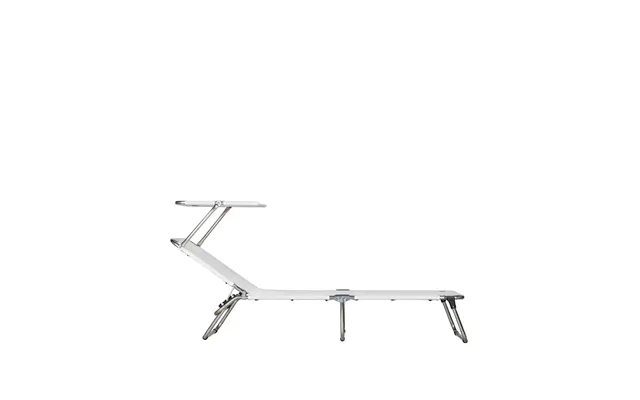
Some sunloungers include adjustable canopies that shield your face without needing a full umbrella setup. They’re fantastic for reading without squinting and help keep you cooler on sweltering days. If shade is a priority but you want flexibility, you can pair your lounger with a cantilever umbrella for targeted coverage exactly where you need it.
A gorgeous lounger that crowds your patio will quickly lose its charm. Plan the layout before you buy so your space feels open and comfortable. Measure twice, order once, and enjoy the perfect fit.
Many full-size sunloungers run roughly 72 to 78 inches long and 24 to 30 inches wide, with a length of up to 80 inches if the footrest extends. If you’re setting up two loungers side by side, leave at least 18 to 24 inches between them for easy movement, and keep a 24 to 36 inch walkway clear so nobody plays obstacle course with their drink. Small balcony? A compact 60 to 68 inch foldable model might be your sweet spot.
Seat height affects comfort and accessibility. Lower loungers (around 12 to 16 inches) feel relaxed and beachy but can be harder to exit. Taller designs (about 16 to 18 inches) are easier on the knees. Weight capacity varies widely; sturdy metal frames and solid wood builds often support 250 to 330 pounds. Always check the specs—better to be safe than sorry.
Let’s be honest: the weather can flip from sunny to soggy on a dime. Choose weather-smart features so your lounger laughs off those sudden showers and surprise gusts. The goal? More lounging, less worrying.
Powder-coated frames and stainless or galvanized hardware form the first line of defense. If you’re near the coast where salty air accelerates corrosion, these details matter even more. Avoid chipped coatings—once a nick appears, moisture sneaks in. Keep a small bottle of touch-up paint handy to seal any marks before they grow.
Sunlight can fade fabrics fast, especially bold tones. Solution-dyed materials embed color into the fiber, so they resist fading longer. If you love deep blues or charcoal, prioritize UV stability. Prefer fuss-free longevity? Neutrals like sand, taupe, and soft gray age gracefully and hide dust—your future self will thank you.
Water should never hang around. Breathable sling fabrics let moisture evaporate quickly, and quick-dry foam cushions push water out instead of soaking it up. Loungers with slight seat pitch and gaps between slats shed water faster, which also helps prevent mildew. Simple rule: the less water your lounger holds, the longer it will look and feel new.
The right lounger can anchor your outdoor look. Whether you’re going coastal chic or urban minimal, style choices—colors, finishes, and shapes—tie everything together and make your seating feel intentional.
Soft whites, sandy beiges, and driftwood finishes capture that seaside calm. Pair a resin-wicker lounger in light gray with off-white cushions, then add a striped pillow for a hint of nautical flair. A pale side table and a cream umbrella complete the look without overpowering your garden greenery.
Love clean lines? Go for matte black or anthracite frames with slim profiles and sling seats. Keep cushions crisp—think solid charcoal or bone—and repeat those tones with lanterns, planters, or a compact fire bowl. The result is low-fuss and high impact, perfect for contemporary patios.
If you’re drawn to natural textures, wooden loungers topped with olive or terracotta cushions blend beautifully with brick, stone, and foliage. Add woven baskets, clay planters, and a textured outdoor rug to pull it all together. The effect is relaxed, grounded, and timeless.
Think of accessories as the seasoning on your outdoor setup—they turn “nice” into “wow.” A few smart additions can boost comfort, extend your use into cooler evenings, and protect your investment.
Even sun-worshippers need shade sometimes. A tilting or cantilever umbrella lets you angle coverage exactly where you need it, especially when the sun sits low. Make sure the base is heavy enough for breezy days; many setups pair a wide canopy with a weighted base to keep everything steady and safe.
A slim side table or clip-on tray saves you from balancing a drink on your knee. Look for powder-coated aluminum or resin builds that shrug off rain. If you entertain often, a small rolling cart keeps drinks and snacks within arm’s reach—because trekking back indoors every few minutes isn’t anyone’s idea of relaxation.
Outdoor storage boxes hide cushions, blankets, and pool bits while keeping them dry. When weather turns, fitted covers protect your lounger from debris and bird surprises. Choose covers with air vents to prevent moisture build-up and straps that secure under the frame so they don’t budge in a breeze.
An outdoor rug defines the lounging zone and softens hard surfaces. Solar or battery lanterns add warm glow without trailing cords. If you want to stretch your season, a compact heater or fire bowl delivers cozy evenings long after the sun dips.
Whether you’re curating a poolside lineup or tucking a lounger onto a petite balcony, a little planning goes a long way. Layout affects flow, safety, and how much you’ll actually use your setup.
Keep a clear path around pool edges—about 36 inches is a comfortable target—so people can pass safely without bumping into frames. Wheels are handy for pivoting loungers to follow the sun or shade. Non-slip feet help on wet stone, and lighter cushion colors stay cooler under intense sunlight.
No room for a full-length lounger? Try a folding model or a compact zero-gravity chair that parks neatly in a corner. A narrow side table and a small umbrella clamp maximize utility without eating space. If floor area is tight, consider a reclining lounge chair rather than a full chaise—it delivers a similar feel with a smaller footprint.
Create a retreat by pairing two loungers with a shared table under a tree or near a hedge. Layer in planters for privacy and a soft outdoor rug to define the zone. If you have a windy spot, position loungers beside a fence or wall for shelter—it’s amazing how much warmer it feels with just a little windbreak.
A few simple habits keep your sunlounger showroom-fresh. You don’t need a toolbox or a weekend to-do list—just a quick routine and occasional deep clean.
Give surfaces a fast brush to clear dust and leaves, especially around joints and between slats. If cushions got damp, prop them upright for airflow. A minute or two now saves hours of cleanup later—and helps prevent mildew from ever getting a foothold.
Once or twice a season, mix mild soap with warm water and wipe down frames, trays, and arms. For sling fabrics, a soft brush helps lift grime without damaging fibers. Rinse and air dry fully. Oiling wood keeps it nourished; check manufacturer guidance and test a small area first. Tighten any wobbly bolts for a like-new feel.
When the long chill sets in, store loungers in a dry shed or garage if possible. If they must stay out, use fitted covers with vents and raise cushions off the ground. Folding styles earn their keep here—they slip into small spaces and emerge in spring ready to roll.
Great sunloungers exist at every price point. The trick is matching your priorities—portability, plush comfort, low maintenance—to the right build and materials. And yes, timing and smart comparison can shave serious pounds off the price.
Entry-level loungers often use lighter frames and simpler fabrics. They’re perfect for occasional use or tight budgets. Mid-range pieces step up with sturdier frames, better UV resistance, and nicer finishes. Premium loungers bring thicker cushions, top-shelf materials (think teak or heavy-gauge aluminum), and refined mechanisms that feel silky-smooth. Decide what you value most and spend where it counts.
Before you buy, scan multiple retailers using trusted comparison platforms to spot real-time promotions and bundle offers. Watch for sets—two loungers plus a table—if you’re outfitting a pair. Filter by material, weight capacity, and size to avoid surprises. When you find a favorite, check accessories like covers and cushions bundled in; sometimes “free” add-ons deliver the best value.
Off-season windows can be gold. Late summer and early autumn often bring markdowns as retailers reset for cooler weather. Spring promotions also pop as the season kicks off. Bank holiday events frequently include outdoor seating—set alerts and be ready to pounce when the right deal lands.
Peek at coverage for frames, fabrics, and mechanisms. Longer coverage on frames hints at higher build confidence. If you live near the coast or plan heavy use, that extra peace of mind can tip the scales between two similar options.
If sustainability matters to you, good news: you can go greener without sacrificing comfort or style. A few labels and practices help you vote with your wallet.
Opt for responsibly sourced wood and recycled-content resins where available. Long-life fabrics that resist fading and mildew reduce replacement cycles—and waste. Durability is sustainability in disguise; buy once, care well, and enjoy for years.
Choose loungers with replaceable slings or cushions rather than binning the whole piece when fabric wears. Keep a small maintenance kit—touch-up paint, spare screws, fabric cleaner—so little fixes stay little. It’s kinder to the planet and your budget.
Relaxation should feel safe and effortless. A few practical tweaks can make your setup more secure for everyone—kids, guests, and grandparents included.
Look for wide feet, grippy pads, and frames that don’t flex under load. On smooth stone or composite decking, non-slip feet prevent shifting. If your patio slopes, position loungers perpendicular to the fall so you don’t feel like you’re sliding downhill.
If getting up and down is a concern, aim for seat heights around 16 to 18 inches and prioritize armrests. A gently curved frame that supports the knees can make standing easier. Wheels help reposition without lifting—great for anyone avoiding strain.
Rounded corners, sturdy fabrics, and snag-resistant weaves go a long way. If little hands or paws are around, avoid glass side tables and pick darker cushion covers that hide the inevitable smudges. Washable, zip-off covers are a lifesaver after sticky ice creams.
Choosing the right sunlounger is about more than a comfy spot to crash—it’s about building an outdoor space you’ll truly use. Start with the type that fits your lounging style, pick materials that stand up to UK weather, and prioritize features you’ll appreciate every day—adjustable backs, breathable fabrics, cushy pillows, and wheels for easy movement. Plan your layout, add smart accessories, and give your lounger a little seasonal care. Whether you’re chasing popular offers or investing in a long-term keeper, the perfect lounger is out there—and once you find it, every sunny day will feel like your own private getaway.
| Sunloungers | Price | |
|---|---|---|
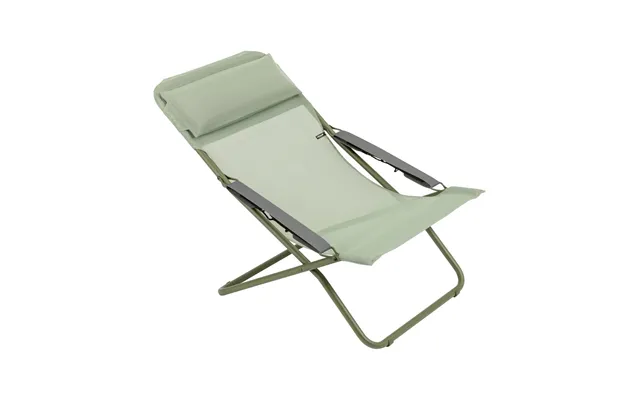
| Lafuma Maxi Transat Sun Lounger Honey | £ 54,99 | |
| Lafuma Maxi Transat Sun Lounger Rayures Terre | £ 77,90 | |
| Lafuma Maxi Transat Sun Lounger Honey Stripes | £ 77,90 | |
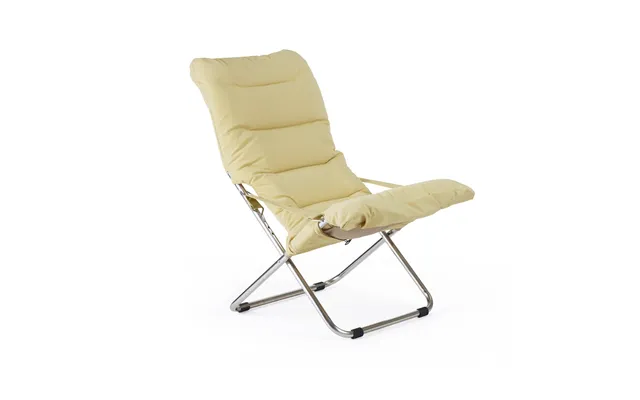
| Fiam Fiesta Soft Sun Lounger Light Blue-beige Supertex | £ 213,48 | |
| Lafuma Futura Becomfort Sun Lounger Becomfort Dark Grey | £ 299,- | |
| Lafuma Futura Becomfort Sun Lounger Becomfort Silver | £ 299,- | |
| Lafuma Futura Becomfort Sun Lounger Bleu Encre | £ 321,27 | |
| Lafuma Futura Becomfort Sun Lounger Olive | £ 379,- | |
| Hay Palissade Cord Chaise Longue Anthracite | £ 906,24 | |
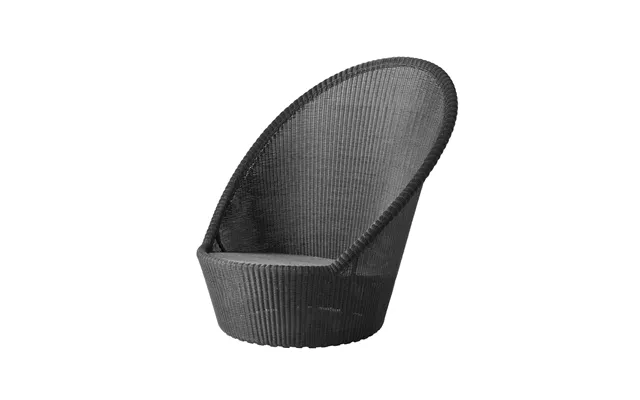
| Hay Palissade Chaise Lounge Anthracite | £ 922,15 |