
Household Storage Caddies price list
Last updated Friday, 18 Sept 2026



View 18 Offers





Loading...
Last updated Friday, 18 Sept 2026
If your counters are crowded and your cupboards feel like a maze, storage caddies are about to be your new best friend. Think of them as mini command centers, corralling scattered items into neat, grab-and-go stations. Whether you’re tidying a tiny flat or upgrading a busy family home, the right caddy turns chaos into calm in minutes. They’re portable, stylish, and surprisingly versatile—perfect for bathrooms, kitchens, bedrooms, garages, and even the car. Ready to reclaim your space without a full remodel? Let’s dive in.
Not all caddies are created equal. The best pick depends on what you’re storing, where it lives, and how often you use it. From sturdy under-sink pull-outs to sleek vanity organizers, here are popular caddy styles that work hard behind the scenes while looking good on display.
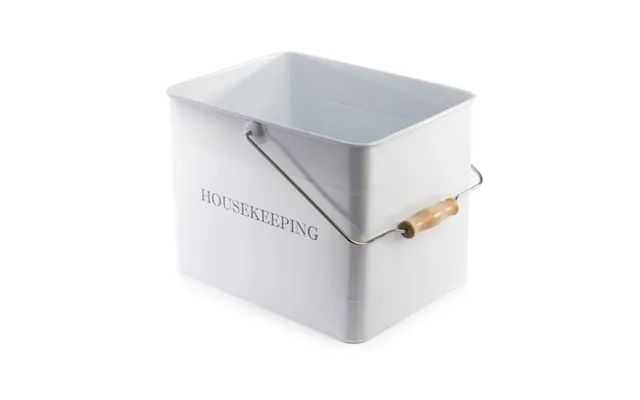
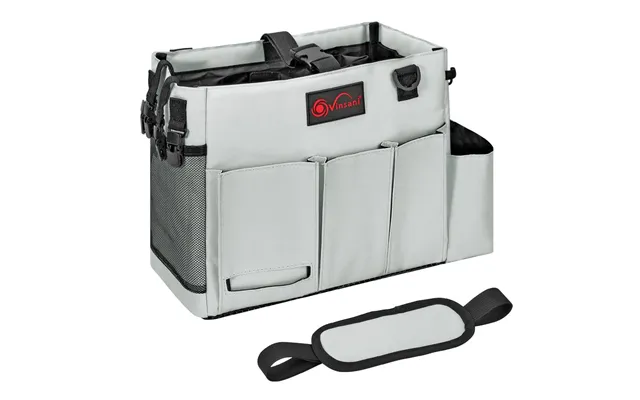
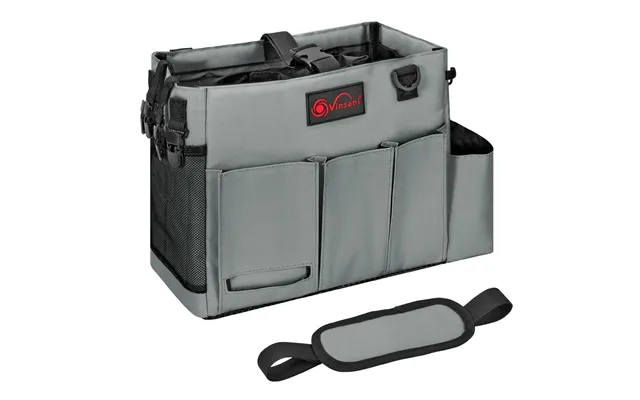
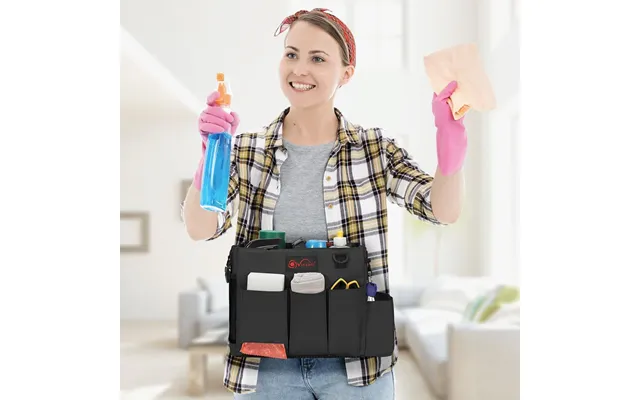
A classic cleaning caddy keeps sprays, cloths, and brushes together so you can glide from room to room without backtracking. Look for a lightweight model with a comfortable handle, tall compartments for bottles, and smaller sections for sponges. If you store heavier cleaners, a reinforced base and rubber feet will save your floors and your patience.
Under-sink space is prime real estate, but it’s often a jumble. A pull-out caddy solves that. Measure the cabinet opening—width, depth, and height—in inches, then choose a slide-out caddy that fits neatly around pipes. Bonus points for adjustable dividers and a drip tray to catch leaks or spills.
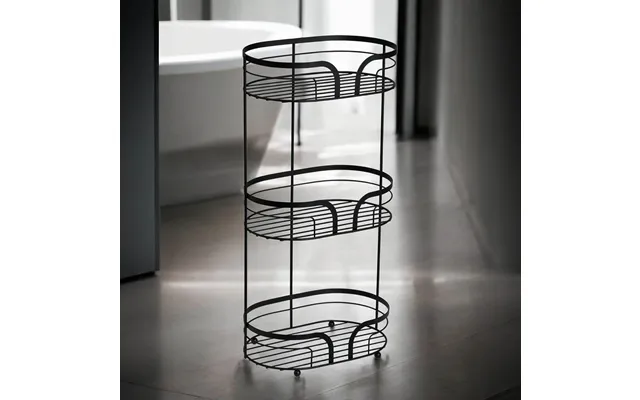
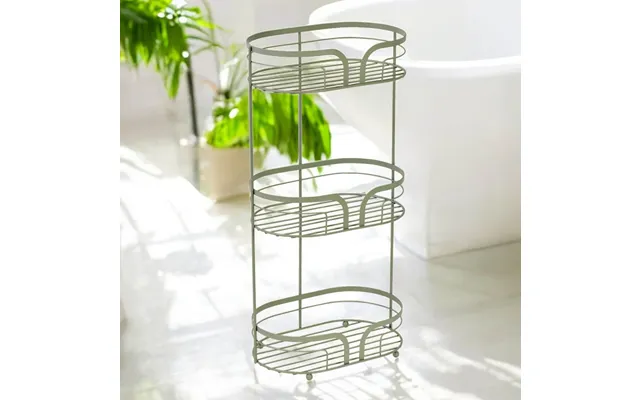
Shampoo bottles tipping over? Razors going rogue? A shower caddy with rust-resistant metal or durable plastic helps enormously. Consider tension pole caddies for corners, over-the-showerhead units, or adhesive-mounted baskets for tile. Drainage holes are essential to prevent standing water and soap scum buildup, and a hook for loofahs is a smart touch.
Keep dish soap, brushes, and scrubbers all in one neat home with a sink caddy. Choose a model with a removable drip tray to stop water pooling on your counter. For counters, a slim caddy for oils, salt, and pepper keeps your daily essentials within arm’s reach without hogging space.
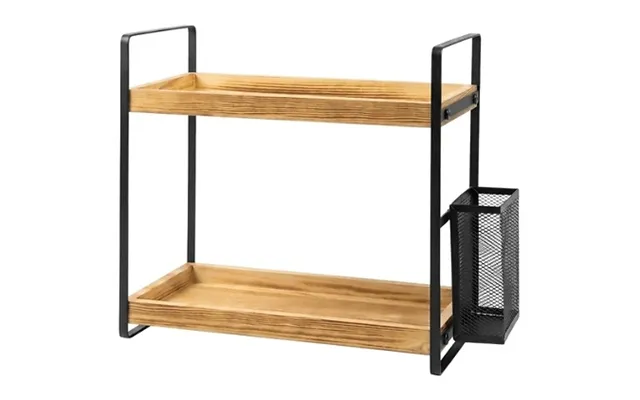
Spices, jars, and sauces love to hide. A tiered spice caddy or a handled pantry basket keeps labels visible and items organized. Clear bins make it easy to see when you’re running low, while wire baskets add airflow and farmhouse style. Add labels for instant clarity—or go transparent and let your ingredients do the talking.
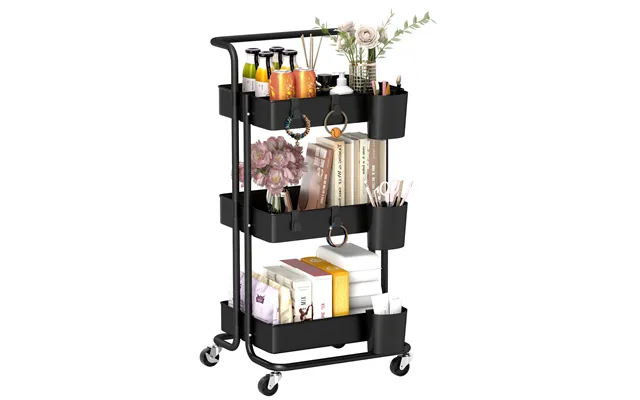
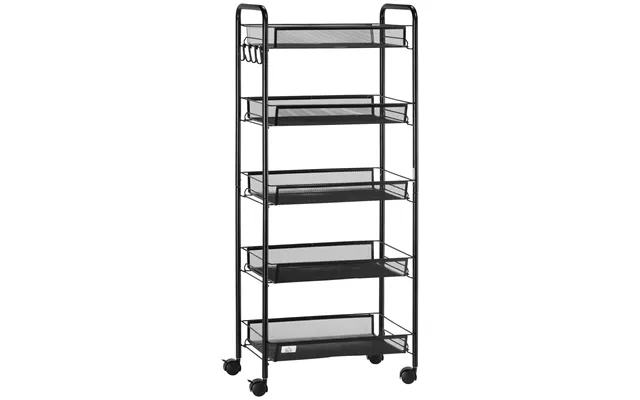
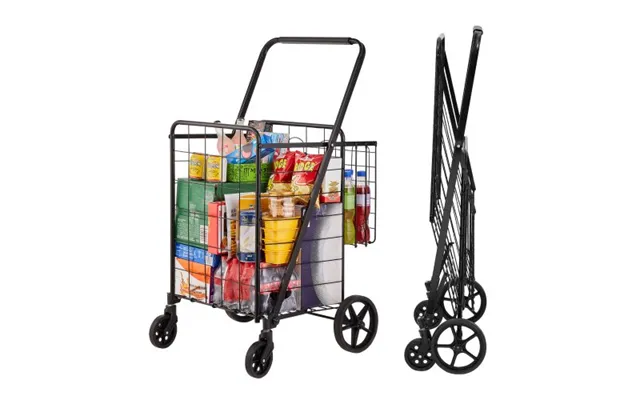
For multitaskers, a rolling cart is the caddy that does it all. Use it as a tea station, craft hub, diaper changing station, or bathroom valet. Wheels make it ultra-portable, but check the wheel locks and overall weight capacity so it stays put when it should. Slim, 6 to 10 inch-wide versions can tuck into tight gaps like magic.
A well-designed vanity caddy keeps brushes upright, palettes flat, and lipsticks visible. Acrylic is a popular choice because it’s clear, sturdy, and easy to wipe clean. Look for modular designs with drawers for delicate items and open sections for daily favorites. A top handle helps if you move between rooms.
Kids’ gear multiplies overnight. A roomy, divided caddy tames crayons, stickers, and tiny building blocks. Choose rounded edges, sturdy plastic, and easy-to-carry handles. For craft lovers, a tiered caddy with removable cups works brilliantly for thread, washi tape, and scissors—organizing by project or color makes crafting feel like a breeze.
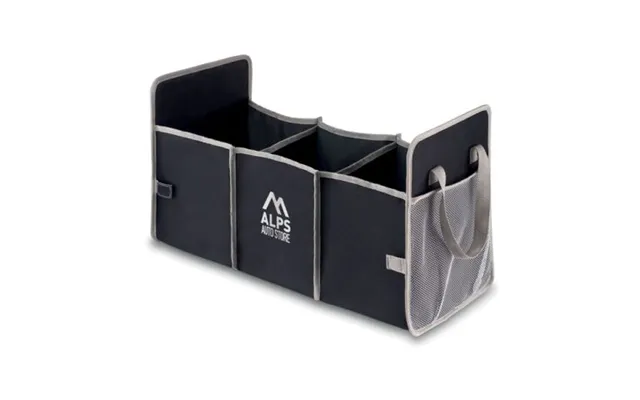
Keep your car calm, not chaotic. A trunk caddy with rigid walls, Velcro or non-slip feet, and multiple sections keeps groceries upright and emergency items at the ready. Collapsible designs are great for small cars—expand when you shop, fold flat when you need the space.
From screwdrivers to sandpaper, a tough garage caddy handles sharp edges and heavy bits without cracking. Look for metal or impact-resistant plastic, and consider stackable bins for nails and screws. A pegboard-compatible caddy is a win if you want tools visible and within easy reach.
Materials matter, especially when moisture, weight, or style are in play. Plastic is lightweight, affordable, and easy to clean—great for showers, under-sink areas, and kids’ spaces. Metal (stainless or coated steel) offers strength and a sleek look but needs rust resistance in bathrooms. Bamboo brings warmth and eco-appeal, perfect for countertops and bedrooms; just keep it dry and wipe spills quickly to prevent swelling. Unsure? Mix and match—metal for structure, plastic for interiors, bamboo for display.
Two caddies can look similar but perform very differently. Small upgrades—like a comfy handle or ventilated base—can transform your daily routine. Here are features worth prioritizing when you compare options and offers.
A sturdy, soft-grip handle saves your hands and prevents slips when the caddy is full. Side handles are useful for lifting from shelves, while a central handle works best for walking from room to room.
Stackable caddies use vertical space to your advantage. Modular systems let you add or remove bins as your needs change. If you’re in a small flat, this flexibility keeps your storage growing with you, not against you.
For showers, sinks, and laundry rooms, drainage holes and slatted bases are essential. They fight mold, help items dry faster, and keep odors at bay. In kitchens, a removable drip tray under a sponge holder is a quiet hero.
Rubber feet stop caddies from sliding and protect delicate surfaces. For walls and tile, check for suction cups, adhesive pads, or hardware mounting—ideal if you want a clean, no-drill look or you’re renting and need a reversible option.
Clear walls show what’s inside at a glance—great for busy kitchens and shared bathrooms. Opaque or woven designs hide clutter and look calmer in living rooms and bedrooms. There’s no wrong choice; it’s about how you live and what you like to see.
Dividers stop items from tumbling together, and labels make systems stick. Snap-in dividers are brilliant for makeup and craft caddies; clip-on label holders make pantry caddies look clean and consistent.
Every room has its own clutter hotspots. Use the right caddy in the right place, and you’ll feel like you added square footage without breaking a sweat.
Group oils, vinegars, and sauces in a handled caddy so you can grab the whole set when you cook. Use a narrow caddy beside the hob for salt, pepper, and favorite spices. In the pantry, assign one caddy for baking, another for snacks, and a third for condiments. Bonus: a lazy Susan caddy makes corners useful, and tiered spice caddies stop the spice shuffle.
Put daily necessities on a shower caddy—shampoo, conditioner, body wash—and leave backup stock in a separate under-sink caddy to avoid overcrowding. In the laundry, a caddy for stain removers, pegs, and dryer sheets keeps the routine on rails. Add a small caddy for first-aid items and keep it high if you have little ones.
On dressers, a slim caddy corrals perfumes, watches, and jewelry. In wardrobes, use shelf caddies for belts, scarves, and clutches. If you share a room, color-code caddies so you can grab yours even before coffee.
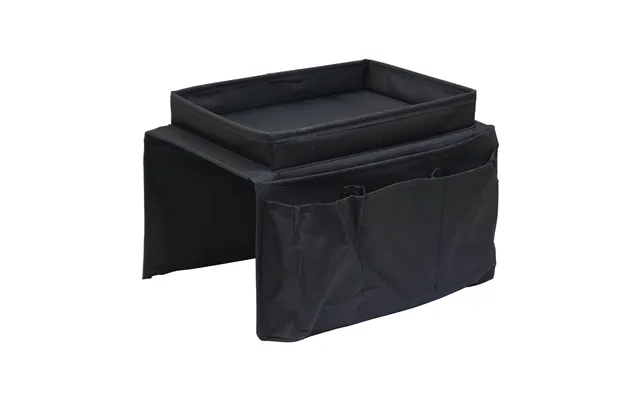
Remote controls, chargers, and cables love to wander. A media caddy on the coffee table keeps them anchored. In the entryway, a narrow shoe-care caddy with polish, brushes, and wipes makes last-minute touch-ups easy.
Separate car care, gardening, and DIY into their own caddies. A rolling utility caddy becomes a mobile workstation—park it next to your project and you’ll spend less time hunting for tools and more time getting things done.
Desk drawers can become a black hole. A desktop caddy for pens, sticky notes, and chargers keeps essentials in sight. Add a cable caddy with compartments so cords don’t braid themselves into knots.
A little planning goes a long way. Before you jump on an offer, take stock of your space, your stuff, and your habits. The best caddy is the one you’ll actually use every day.
Grab a tape measure and note width, depth, and height in inches. For under-sink caddies, measure the narrowest point, including hinges and plumbing. For shelves, leave at least 1 inch of clearance so you can slide a caddy in and out without scraping.
Cleaning supplies and tools get heavy fast. Check weight ratings and choose reinforced bases for heavier loads. For bathroom use, ensure the material is rust-resistant or waterproof, and for kitchens, opt for food-safe materials where appropriate.
Functional doesn’t have to mean boring. Metal and bamboo look great on open shelves; acrylic and matte plastic blend into modern spaces. If your caddy lives on display, treat it like decor—choose finishes that complement your room.
Great deals pop up all the time. Compare like-for-like features—materials, capacity, and accessories—rather than price alone. Sometimes a slightly pricier caddy with a removable drip tray or stackable design saves you money in the long run.
If eco-friendliness matters to you, consider bamboo, recycled plastics, or metal that can be repurposed later. Long-lasting designs reduce waste because you won’t need to replace them every season.
Caddies do their best work when they’re part of a simple system. A few smart tweaks can double your storage without adding more furniture.
Stack caddies to use every inch of height inside cupboards and closets. If stacking, place heavier items low and lighter items up top. Transparent bins help you spot what’s where without unstacking.
Create zones—cleaning, snacks, pet care, baking—and label each caddy. When everyone knows where items live, clutter stops boomeranging back to surfaces.
Over-door caddies transform dead space into prime storage. In bathrooms, store hair tools; in kitchens, stash wraps and foils; in closets, keep hats and gloves ready for rush-hour exits.
Make a guest caddy with spare toiletries, a party caddy with napkins and candles, or a car wash caddy for weekend chores. When the kit is ready, the job gets done faster.
Out-of-season items don’t need center stage. Load them into labeled caddies and store them higher or deeper, keeping everyday essentials front and center.
With so many deals floating around, how do you spot true value? Start by listing must-have features—size, material, portability—then compare products that tick those boxes. Look closely at photos for build quality, check dimensions in inches, and scan user reviews for clues about sturdiness and rust resistance. Price comparison platforms, including independent comparison sites like ZoneOffer, make it easy to line up options side-by-side so you can see which caddy delivers the most for your money. Focus on long-term value: a well-built caddy that lasts for years beats a bargain that cracks after a month.
Most caddies are plug-and-play, but a few quick steps help them perform better and last longer. Measure carefully, clean surfaces before mounting, and set a schedule to give your caddies a quick reset—five minutes a week keeps everything humming.
No drill? No problem. Clean the tile with alcohol, dry it thoroughly, then apply adhesive pads or suction cups per the instructions. Press firmly for at least 30 seconds and let it cure before loading. If suction cups slip, lightly moisten the cup and press again, or choose adhesive-backed brackets for a stronger hold.
Wipe plastic and acrylic caddies with warm soapy water and a soft cloth. For metal, use a non-abrasive cleaner to protect coatings. Bamboo prefers a damp cloth followed by a dry wipe—finish with a food-safe oil occasionally to keep it supple.
If a rolling caddy wobbles, check the wheel screws and tighten them evenly. For squeaks, a tiny dab of silicone lubricant on wheel axles or sliding tracks works wonders. For shelf caddies, add silicone bumpers underneath to stop skidding.
A few missteps can undermine your organizing. Avoid these, and your caddies will feel custom-made for your home.
It’s tempting to stuff one caddy with everything, but overloaded bins bow, crack, or spill. Spread weight across two or three caddies, especially for liquids and tools.
Moisture is the enemy of metal and bamboo. Keep bathroom caddies well-ventilated, choose rust-resistant materials, and dry surfaces after long showers. In kitchens, empty and wipe drip trays weekly.
Guesswork leads to returns and frustration. Measure cabinet openings, shelf heights, and the tallest items you plan to store. Remember to account for handles and lids that add extra height.
Once you start using caddies, you’ll spot new opportunities everywhere. Try a bedside caddy for books and glasses, a pet-care caddy for leads and treats, or a coffee caddy with mugs, pods, and syrups for a mini cafe that rolls where you need it. Think in “stations,” not just storage, and you’ll shave minutes off daily routines without even trying.
You don’t need a big budget to get a polished look. Matching labels unify mixed caddies. A set of two or three in the same finish makes shelves feel intentional. Add a small tray under a vanity caddy to frame it like decor. And remember: a good offer on a well-made caddy beats a cheap lookalike that warps or stains.
Storage caddies are small, but the impact is huge. They turn crowded counters into clean surfaces, hidden corners into usable space, and daily routines into effortless flows. Whether you need a rugged garage caddy, a chic vanity organizer, or a hard-working under-sink pull-out, there’s a perfect match waiting—and plenty of competitive offers to help you save. Measure your space, choose smart features, compare deals thoughtfully, and build simple zones that anyone in your home can follow. A more streamlined, stress-free home is just a caddy or two away.