All categories
Business & Offices
Electronics & Media
Fashion & Accessories
Groceries & Essentials
Health & Personal Care
Home & Living
Kids & Family
Sports & Outdoors
Search in ZoneOffer

Loading...
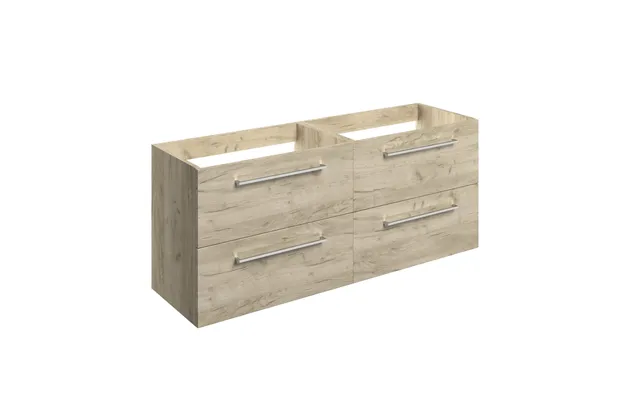
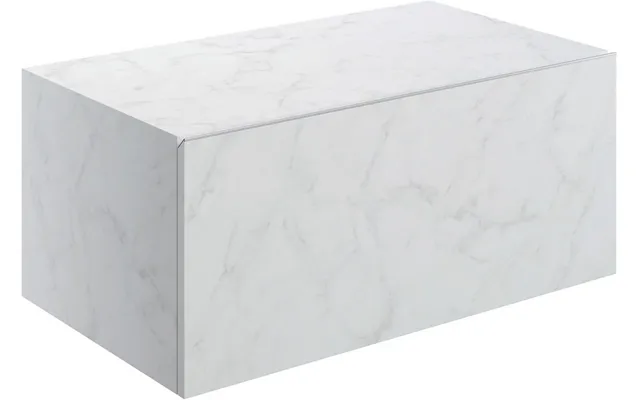
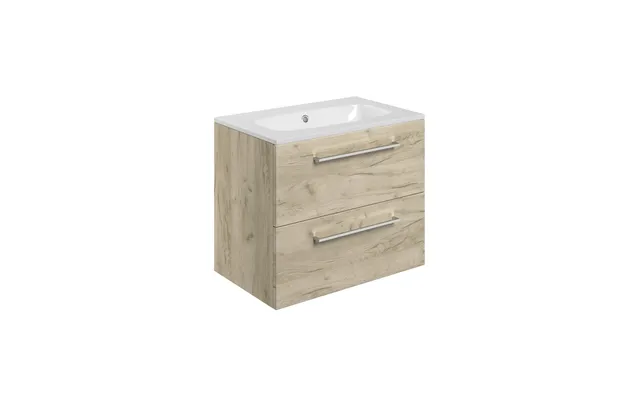
A bathroom vanity is the workhorse of your wash space: it hides plumbing, gives you storage, sets the style tone, and offers a functional surface for daily routines. Pick the right one, and your mornings flow; pick poorly, and you’re juggling clutter on a wobbly top. In the UK, where bathrooms often run compact, choosing the right vanity can make a modest cloakroom feel curated or turn a family bath into a calm, well-organised hub. If you’re browsing popular offers or scanning a price list, it pays to know what makes one vanity truly worth it.
Think of your vanity as the anchor of your bathroom. It tucks away the P-trap and pipes, corrals everyday bits like toothbrushes and skincare, and showcases your aesthetic—whether that’s sleek and modern or classic and cozy. When comparing products, assess how well each model balances these roles: Is the storage layout useful? Is the build robust? Does the finish complement your tile and fixtures? A balanced vanity solves practical needs without compromising your vision.
Size is the first big decision, and it’s more than width alone. You’re juggling clearances, door swings, traffic paths, and visual scale. Compact cloakrooms often start at 18–24 inches wide. Family-friendly single-sink vanities shine at 30–42 inches, while couples love double-sink models at 60–72 inches. Depth matters too: 18–22 inches is typical, and going shallower can save precious floor space in tight layouts without sacrificing style.
Start at the studs. Note where pipes emerge, measure the wall span, and check how doors and drawers will open. Leave at least 30 inches of walkway where possible and maintain comfortable elbow room near adjacent walls or toilets. If you’re placing the vanity by a door, ensure doors clear open drawers—no knuckle busters, please. A cardboard template cut to 18, 21, or 22 inches deep can help you feel the footprint before you buy.
Ask yourself: who’s using the vanity at the same time? A 48-inch vanity can squeeze two basins, but it’s tight. For a more comfortable layout, think 60 inches for two sinks, 72 inches if you crave counter space. If your room won’t accommodate that width, a roomy single sink with a wider counter (say 42 inches) can deliver generous surface area and storage with less plumbing complexity.
From freestanding classics to floating showpieces, vanity types influence both layout and vibe. Your choice affects cleaning ease, legroom, and the sense of space—especially important in smaller UK bathrooms that benefit from visual lightness.
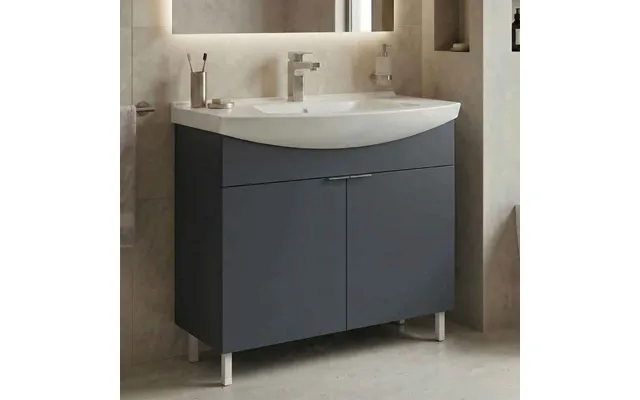
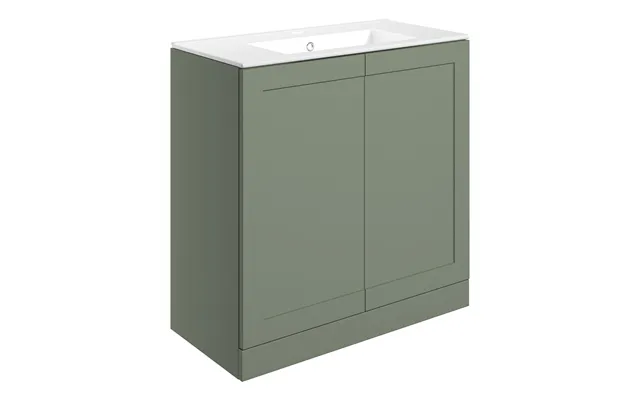
Freestanding vanities are the chameleons of the bathroom world. They offer a furniture-like presence with legs or a solid plinth, are easier to install than wall-hung units, and accommodate a variety of storage formats. They also hide pipework efficiently. If you’re renovating a period home, a classic shaker-front freestanding vanity can look original to the house while working like a modern organiser.
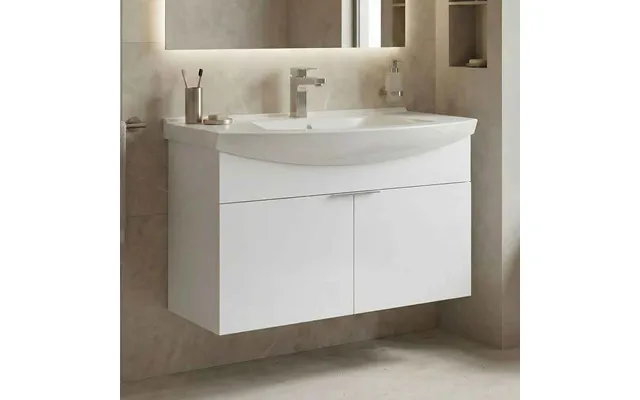
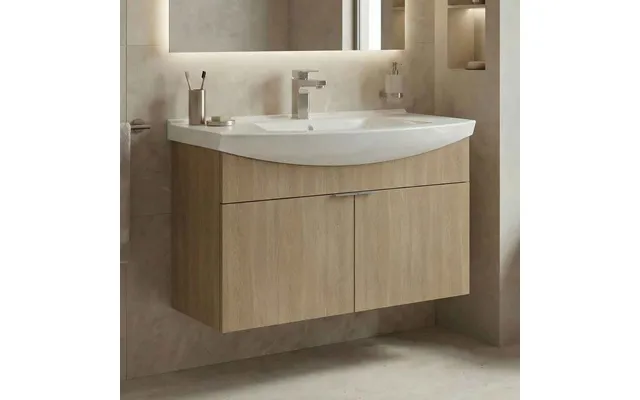
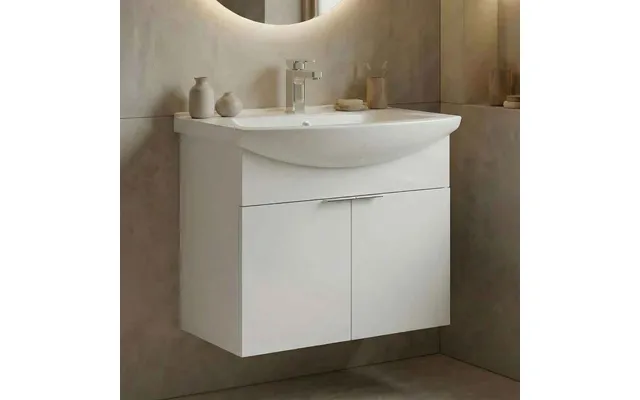
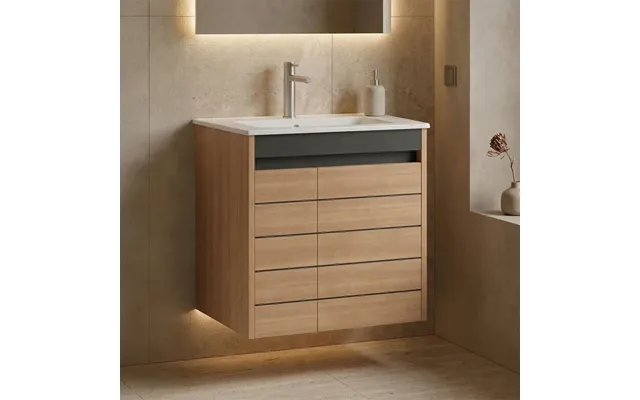
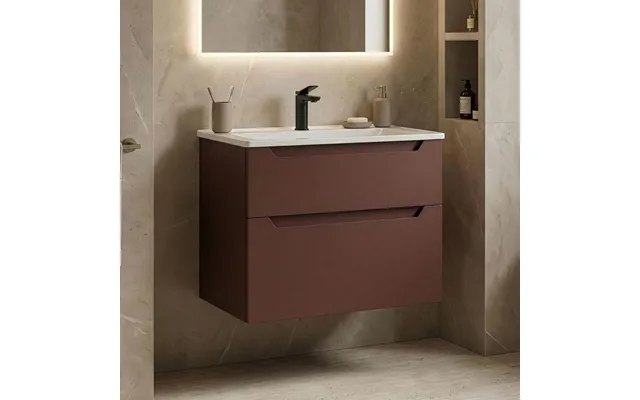
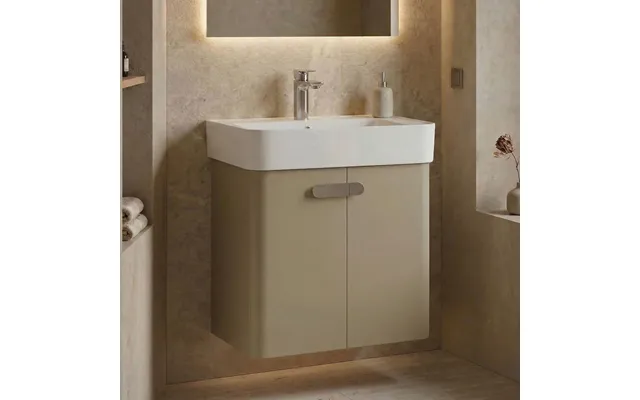
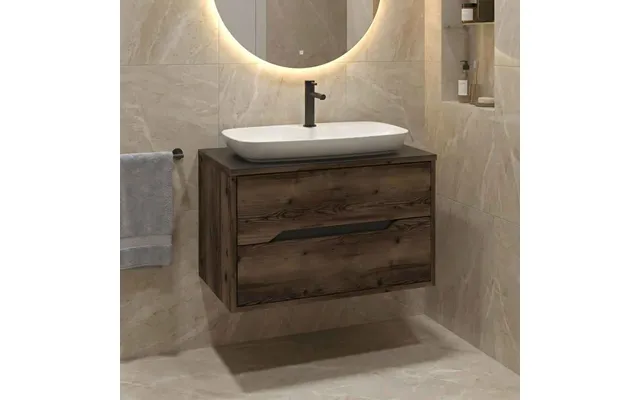
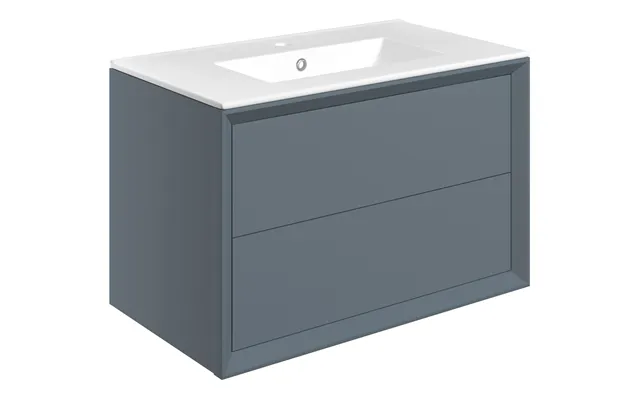
Floating vanities visually expand small rooms by exposing more floor, which tricks the eye into perceiving extra space. They also make mopping a breeze. Proper installation into wall studs is crucial, especially for wider units in the 48–72 inch range. Pair with an undermount or integrated basin to keep lines clean and modern.
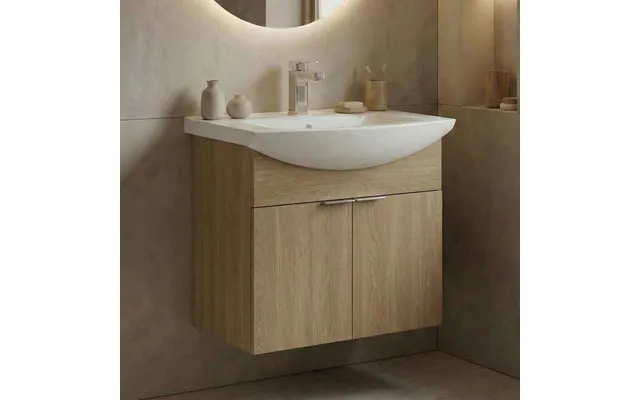
Working with tight real estate? Corner vanities and slim-depth units (around 16–18 inches) keep circulation clear without sacrificing essentials. In cloakrooms, a compact vanity with a small basin and clever shelves can turn a once-awkward nook into a useful, stylish feature.
Bathrooms are humidity battlegrounds. Choose materials that handle steam and splashes with grace. The best models combine sturdy cabinet construction with a resilient countertop and hardware engineered for damp conditions.
Solid wood frames with furniture-grade plywood boxes hit a sweet spot of durability and moisture resistance. High-density MDF can be budget-friendly and smooth to paint but needs a smart finish to withstand humidity. Look for sealed edges, quality veneers, and thoughtful joinery. Soft-close hinges and full-extension drawers aren’t luxuries—they protect the cabinet from slamming and add everyday comfort.
Quartz tops are durable, non-porous, and low maintenance—ideal for busy households. Marble is a showstopper with natural veining, but it’s more delicate and benefits from regular sealing. Solid surface counters deliver a seamless look with integrated basins. Ceramic tops are classic and easy to clean, and tempered glass can be a modern, light-catching choice for compact spaces. Check overhangs and edge profiles, especially on vanities 22 inches deep, to avoid bumping hips.
Painted finishes in satin or matte can hide fingerprints and soften glare, while stained wood brings warmth. For hardware, look for corrosion-resistant finishes like brushed nickel, chrome, or matte black with a protective coating. Solid metal pulls feel sturdier and outlast hollow alternatives. Remember, damp air finds weak points—quality finishes are your first defense.
Your sink and faucet choice affects splash control, cleaning, and countertop real estate. Think of them as co-stars to your vanity—they should look good together and perform even better.
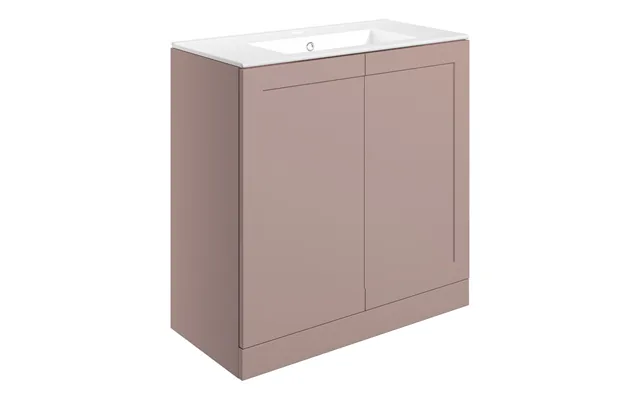
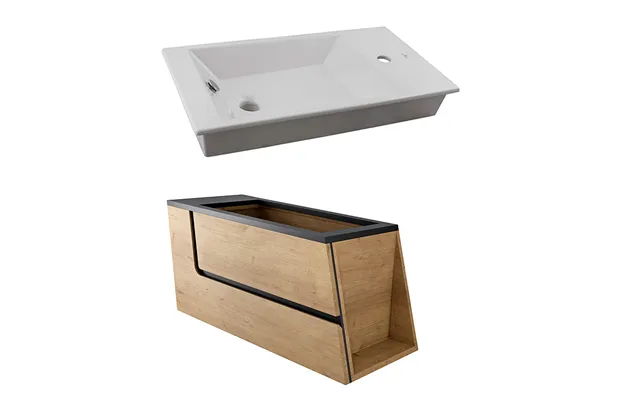
Undermount basins give you a crisp, easy-wipe edge and maximize counter space. Vessel sinks create a design statement and can raise the rim height—handy if you prefer a lower vanity cabinet. Integrated basins (where sink and counter are one piece) offer sleek lines and fewer seams to clean—great for family baths and rentals.
Check the pre-drill pattern. Single-hole taps suit modern looks and smaller tops. Widespread faucets typically need 8 inches between holes and add a classic vibe. If you pick a vessel sink, consider a taller faucet or a wall-mounted spout. Ensure spout reach lands water near the drain to avoid splashy chaos.
A short 3–4 inch integrated backsplash helps protect painted walls and makes cleanup simple. If you’re doing full-height tile, skip the short backsplash for a flush finish. Just plan your tile layout and vanity height together so lines meet neatly.
The best vanity storage blends big compartments for bulk items with smaller organizers for daily essentials. Before falling for a pretty face, peek inside—how the space is arranged makes or breaks the experience.
Drawers are kings of organization, especially shallow, full-extension types for makeup, brushes, and razors. Deep drawers with U-shaped cutouts can wrap around the P-trap. Doors shine for tall bottles and baskets. In a 36–48 inch vanity, a combo often works best: drawers on one side, a door cabinet on the other.
Look for built-in dividers, bamboo trays, pull-out shelves, and tilt-out trays for sponges. A hidden power drawer with outlets makes hair tools clutter-free—just confirm your electrician can provide a safe, code-compliant feed. Even simple upgrades like adjustable shelves can multiply usable space.
Pairing your vanity with a mirrored cabinet doubles storage and optimizes lighting. Tall storage towers or a slim linen cabinet can handle towels and cleaning supplies without crowding the counter. They’re ideal in family baths where a 60–72 inch vanity might still need backup.
You don’t have to pick style over function—you can have both. Zero in on design details that echo your home’s personality and the mood you want in your bathroom.
Flat-front doors, handleless rails, matte finishes, and floating silhouettes signal modern. Choose an undermount or integrated basin, keep lines clean, and opt for a slim 18–21 inch depth in compact rooms. Matte black or brushed brass hardware adds a subtle punch without visual clutter.
Shaker fronts, framed doors, turned legs, and warm wood tones bring timeless character. Pair with a marble or marble-look top and classic widespread faucets. Cup pulls or porcelain knobs feel at home here. This look works beautifully in period UK homes where you want new performance and old-world warmth.
Not too modern, not too ornate—transitional blends simple lines with sculpted details. Think shaker fronts in a painted finish, quartz tops, and clean bar pulls. It’s a safe, stylish choice when you’re planning to sell or want long-lasting appeal.
Even the most beautiful vanity falls flat without good lighting and a right-sized mirror. You’re aiming for flattering, shadow-free illumination and a mirror that feels proportional to the cabinet below.
Backlit LED mirrors create an ambient glow and reduce face shadows. Anti-fog features save the morning wipe-down. In smaller rooms, a large mirror expands the space visually; in wider setups, two mirrors over a 60–72 inch double vanity keep things balanced.
For wall sconces, flank the mirror at around 60–66 inches from the floor, with 24–28 inches between sconces, to illuminate the face evenly. Over-mirror lights work too—just mount them 75–80 inches high and pick a fixture as wide as the mirror or slightly narrower for a tidy look.
Installing a vanity is doable for confident DIYers, but precision matters. A wonky cabinet or misaligned trap can lead to leaks and headaches. Map everything before you drill.
For freestanding units, ensure the floor is level; use shims to perfect alignment and secure to studs through the back rail. For floating vanities, hit solid studs and use heavy-duty brackets rated for the cabinet’s width and expected load. Always check level front-to-back and side-to-side before setting the top.
Dry-fit your P-trap to ensure drawers clear. Typical supply lines sit around 21 inches off the floor, but your setup may vary—measure and plan drawer cutouts. If you’re incorporating a powered drawer or adding a heated mirror, position a GFCI outlet nearby while keeping cable runs tidy and safe. Leave service access for shut-off valves.
If you’re shifting plumbing, moving from single to double sinks, or hanging a heavy floating unit 60 inches wide or more, consider a pro. For straightforward swaps—same size, same locations—DIY can save money if you’re comfortable with tools and sealing.
Shopping smart isn’t just hunting for the lowest number on a price list. It’s reading the fine print, understanding what’s included, and weighing long-term value—like solid construction and warranties—against upfront savings.
Some vanities ship as complete sets—cabinet, top, basin, and sometimes a mirror. Others are cabinet-only, letting you choose your own counter and sink. Confirm faucet hole drilling (single, 4-inch centerset, or 8-inch widespread) and whether a backsplash is included. These details impact both cost and installation time.
Pre-assembled units usually feel sturdier right out of the box, with better alignment and fewer surprises. Flat-pack options can be budget-friendly and easier to maneuver up tight staircases but rely on precise assembly. If you’re eyeing a long 60–72 inch unit, pre-assembled can save hours and ensure factory-level squareness.
A comparison site like ZoneOffer helps you scan popular offers from multiple retailers quickly, highlight specs side-by-side, and zero in on the best overall value without hopping from site to site. Filter by width (24, 36, 48, 60, 72 inches), material, color, and storage type to narrow options and spot genuine savings.
Durability is green. The longer your vanity lasts, the fewer replacements end up in landfills. Pair sturdy construction with mindful finishes and water-wise fixtures for a bathroom that’s both beautiful and responsible.
Seek cabinets with responsibly sourced wood and low-VOC paints or sealants. Quartz counters are long-lived and easy to maintain. Choosing quality hardware prevents early corrosion and premature replacement—small details, big impact.
Wipe standing water daily, ventilate after showers, and clean with pH-neutral products. Reseal natural stone tops as recommended. Tighten loose hardware before it strips. These five-minute habits preserve finishes and keep drawers gliding smoothly for years.
Trends come and go, but some feel instantly right. UK homes are embracing warmth, texture, and quiet luxury in the bathroom—think tactile fronts and calming palettes with a dash of drama.
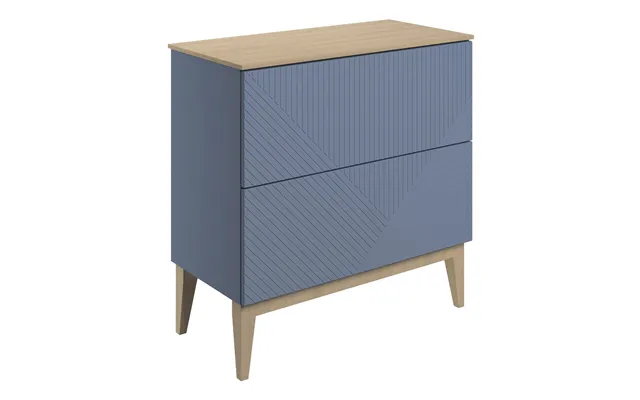
Fluted and reeded fronts add shadow play and a handcrafted vibe without feeling fussy. Warm wood stains bring nature indoors, pairing beautifully with creamy tiles and soft metallics. For a modern twist, pair a fluted 36-inch vanity with a slim integrated top and streamlined bar pulls.
Deep navy, forest green, and pebble greys remain favorites, often grounded with matte black or brushed brass hardware. Two-tone looks—like a stained wood base with a painted top drawer—add visual interest, especially in smaller 24–30 inch units where subtle contrast goes a long way.
Before you click “buy,” run through a quick checklist. It saves returns, installer frowns, and the dreaded “it doesn’t fit” moment. Tape measure in hand? Let’s go.
Confirm your vanity width against walls and door swings. Aim for around 30 inches of walkway space in front of the vanity if possible. Leave 4–6 inches between the cabinet side and adjacent walls to prevent knuckle scrapes. For toilets, maintain at least 15 inches from the centerline to any side obstruction.
Standard vanity height ranges from 32–36 inches. If you’re tall, a 36-inch “comfort height” feels like a kitchen counter and saves your back. Vessel sinks add extra rim height, so consider a lower cabinet to compensate. Mount mirrors with the center around eye level—typically 60–65 inches from the floor.
Ready to narrow your choices? Start with width (24, 36, 48, 60, or 72 inches), then pick your mounting style (freestanding or floating). Choose a storage layout that matches your morning routine—drawer-heavy for small items, door compartments for tall bottles. Select a durable top (quartz for low-fuss longevity, marble for luxe vibes with more maintenance), and match your faucet style and hole pattern. Finally, filter by finish and hardware to harmonize with the rest of your space. Give extra points to models with soft-close hardware, sealed edges, and included backsplashes.
Small cloakroom? A 24-inch floating vanity with an integrated basin and LED mirror multiplies space and light. Family bath? A 60-inch double-sink vanity with a mix of drawers and doors keeps the peace. Primary suite? A 72-inch double with quartz top and tall side cabinet delivers hotel-level calm. Rental refresh? A pre-assembled 36-inch freestanding vanity with a ceramic top resists wear and cleans in a snap.
Choosing a bathroom vanity is part design decision, part daily-life upgrade. Start with size and layout, choose materials that love moisture, and pick a storage plan that fits your routine. Then refine the look with the right sink, faucet, lighting, and mirror. Whether you’re browsing a price list or exploring popular offers, focus on details that deliver day after day—solid construction, smart organization, and a finish you’ll love waking up to. Get those pieces right, and your bathroom won’t just look better; it’ll work better, too.
| Bathroom Vanities | Price | |
|---|---|---|
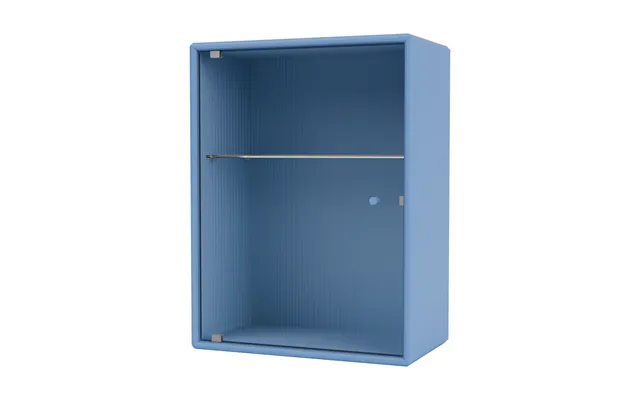
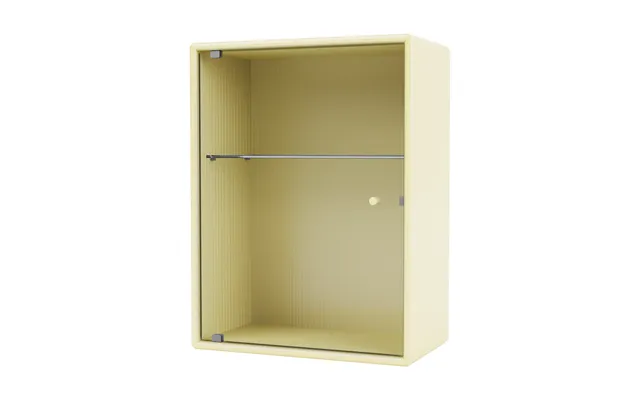
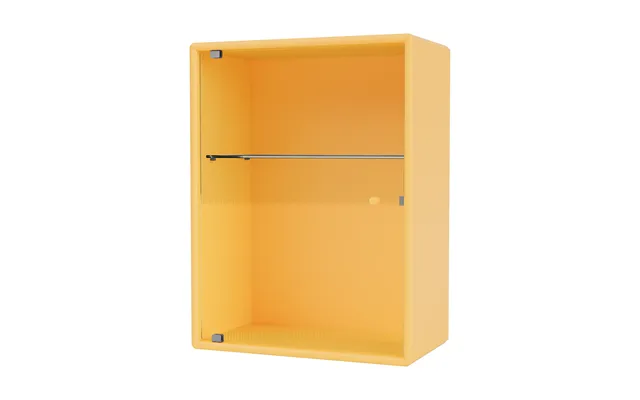
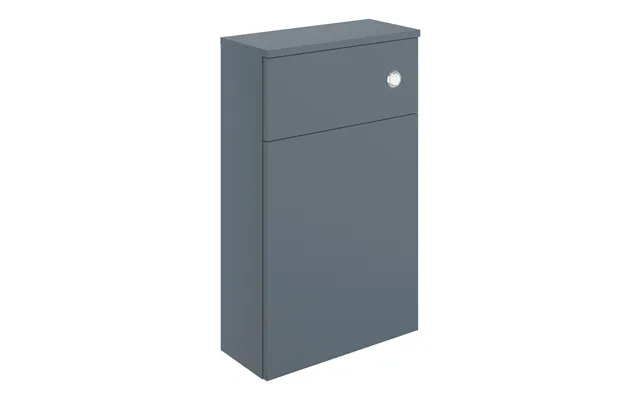
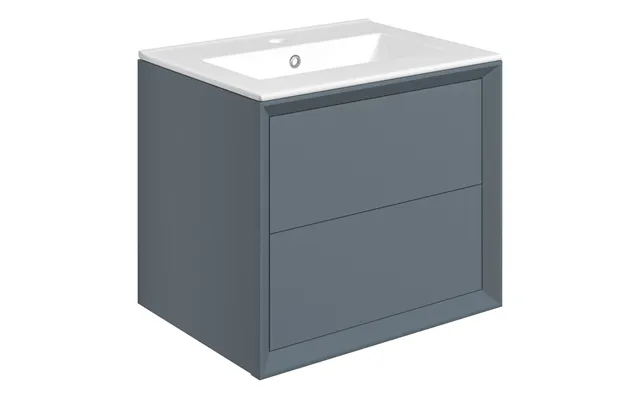
| Montana Ripple Bathroom Cabinet 35.4x46.8x20 Cm Azure | £ 439,29 |