
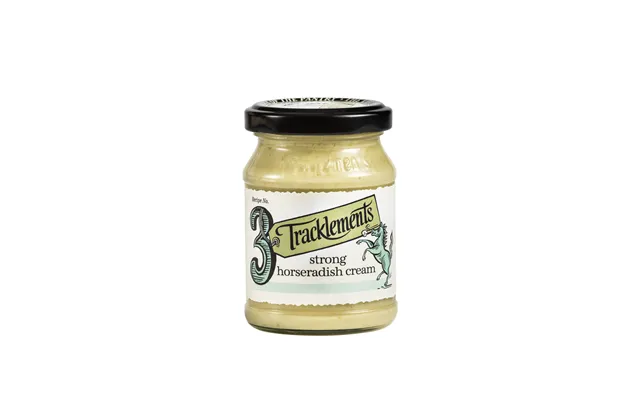
Horseradish Sauce price list
Last updated Saturday, Aug 29, 2026
| Horseradish Sauce | Price |
|---|---|
| Tracklements Strong Horseradish Cream English Horseradish Sauc | £4.15 |





Loading...
Last updated Saturday, Aug 29, 2026
| Horseradish Sauce | Price |
|---|---|
| Tracklements Strong Horseradish Cream English Horseradish Sauc | £4.15 |
If you think horseradish sauce is just a niche condiment for roast beef, think again. This sharp, pungent, and surprisingly versatile sauce wakes up bland dishes, brightens seafood, and adds a peppery lift to everyday meals. Whether you're shopping for prepared horseradish, creamed horseradish, or a milder horseradish sauce, this guide walks you through how to pick the best jar, how to use it like a pro, and even how to make your own at home. Ready to discover the zing that could change your weekday dinners? Let’s dig in.
Horseradish sauce is a condiment made from the root of the horseradish plant mixed with vinegar, cream, or mayonnaise, depending on the style. The raw root yields a sharp heat that dissipates quickly, unlike the lingering burn of chili peppers. Prepared varieties range from straight grated horseradish in vinegar to creamy blends that balance heat with rich texture. Think of it as a flavor flashlight: it brightens whatever it touches without stealing the show.
There are a few distinct styles to look for when browsing horseradish: prepared horseradish (grated root in vinegar), creamed horseradish (horseradish folded into cream or sour cream), horseradish sauce (often mayonnaise- or cream-based with added mustard or lemon), and specialty blends like horseradish mustard or cocktail blends. Each type has its own texture, heat level, and best uses—so picking the right one depends on whether you're topping a steak, spicing up a sandwich, or mixing into a seafood sauce.
Prepared horseradish is simply grated horseradish root preserved in vinegar. Expect a sharp, immediate heat that cools quickly. A common jar size is 8 oz, which is perfect for occasional use. It’s ideal when you want authentic heat without creaminess—mix it into sauces, cocktails, or horseradish mash.
Creamed horseradish blends prepared horseradish with cream, sour cream, or mayonnaise to deliver a milder, smoother flavor. These are popular as sandwich spreads and steak toppings because they add richness as well as heat. Look for jars in the 8–12 oz range for regular home use.
Horseradish sauce is one of those condiments that can rescue a meal in seconds. Slather it on roast beef for a classic pairing, stir a spoonful into mashed potatoes for extra zip, or blend it with ketchup and lemon juice for a fast cocktail sauce. It also elevates deviled eggs, adds a spicy note to salad dressings, and pairs beautifully with smoked salmon. Want a quick tip? Mix 1–2 tablespoons of creamed horseradish into 4 oz of sour cream for a zesty dip—perfect for crudités.
Horseradish is a natural partner for shellfish. A traditional cocktail sauce combines ketchup, horseradish, a squeeze of lemon, and a dash of hot sauce. For shrimp or oysters, use prepared horseradish to preserve maximum heat and brightness. A jar of prepared horseradish (around 6–8 oz) will last for multiple shrimp dinners.
Roast beef and horseradish are timeless companions, but don’t stop there. Try horseradish on pastrami, smoked brisket, or inside a roast beef wrap. Creamed horseradish acts as both a spread and a sauce, offering texture and cooling fat to balance the spice.
Picking a jar at the store comes down to three things: heat level, texture, and ingredients. If you love a punchy, immediate burn, go for prepared horseradish. If you prefer mellow heat with a creamy mouthfeel, choose creamed or mayonnaise-based sauces. Read labels—look for simple ingredient lists (horseradish, vinegar, salt), minimal preservatives, and realistic jar sizes like 6–12 oz that fit your consumption rate. Also check the "best by" date; freshly packed roots mean fresher flavor.
Some brands label heat as mild, medium, or hot. If you’re unsure, start with mild or medium to see how your palate responds—you can always add more at the table. Remember, heat from horseradish is fleeting; it rises quickly and fades, so a small taste goes a long way.
Do you want chunks of grated root or a smooth spread? Prepared horseradish tends to be coarse; creamed varieties are smooth. Coarse textures add visual interest to dishes and hold up well in chunky sauces, while smooth versions blend better into dressings and mashed potatoes.
Making horseradish sauce at home is surprisingly quick and gives you control over heat and texture. Start with about 6–8 oz of freshly grated horseradish root. Mix 2–3 tablespoons of white vinegar, a pinch of salt, and 2 tablespoons of sugar to tame the raw spice if needed. For a creamy version, fold in 4 oz of mayonnaise or sour cream. Taste and adjust—if you want more bite add a splash of vinegar. Store in the refrigerator in a tight-sealed jar; homemade sauce is best within 2–3 weeks.
Grate 6 oz of horseradish root finely, stir in 4 oz of sour cream, 1 tablespoon of white vinegar, 1 teaspoon of lemon juice, and a pinch of salt. Whisk until smooth and refrigerate for an hour so flavors settle. This yields a mild, creamy sauce perfect for sandwiches and steak.
Freshly grated horseradish loses heat over time as volatile compounds evaporate. Keep homemade and opened jars refrigerated and use within a few weeks. If you freeze prepared horseradish in small portions, the texture may change slightly, but the heat will remain when thawed.
Horseradish’s sharpness pairs well with crisp, acidic wines and clean lagers. Try a Sauvignon Blanc or a bright Chardonnay with a creamed horseradish sauce on seafood, or choose a light lager or pilsner to cut through the richness of beef with horseradish. Avoid heavy tannic reds that can clash with the sauce’s bite.
White wines with high acidity and citrus notes complement horseradish best—Sauvignon Blanc or a young Riesling are great choices. Their acidity cools the tongue and harmonizes with the sauce’s sharp notes.
Opt for clean, carbonated beers like pilsners or pale lagers. The bubbles and crisp finish help refresh the palate between bites of spicy, creamy horseradish-topped meat.
Horseradish packs more than just a kick. It contains compounds called isothiocyanates, which have been studied for potential antimicrobial and antioxidant properties. It’s low in calories—just a spoonful adds flavor without a calorie hit. Of course, creamed versions add fat and calories from mayonnaise or sour cream, so watch portion size if you're counting calories. Generally, using horseradish as a flavor booster can help reduce the need for excess salt.
Most people tolerate horseradish well, but its volatile oils can irritate eyes and sinuses when freshly grated—think onion-level sting. If you have a mustard or wasabi allergy, consult your doctor because some cross-reactivity can occur. Also, if you suffer from gastrointestinal sensitivity or acid reflux, start with tiny amounts to test your tolerance.
Once opened, prepared horseradish and creamed sauces belong in the refrigerator. Keep jars tightly sealed to prevent oxidation and loss of volatile heat. Shelf-stable unopened jars can sit in your pantry, but once jarred and refrigerated, aim to use within 4–6 weeks for commercial products and 2–3 weeks for homemade versions. If you want to extend shelf life, freeze small portions in an airtight container; thaw and stir before use.
When shopping, compare jar sizes (like 6 oz vs. 12 oz) and unit price per ounce to find the best value. Consider how often you’ll use horseradish—if you only need a little for occasional meals, smaller jars reduce waste. Look for deals on multipacks if you use horseradish frequently. Comparison sites can help you spot discounts across retailers so you can pick the best price without hopping from store to store.
Horseradish plays well with mustard, Dijon, horseradish mustard blends, and wasabi-style pastes. If you want similar heat but different flavor, try freshly grated ginger or a dab of wasabi for sushi. For a milder option, horseradish blended into mayonnaise creates a tangy, creamy spread that replaces plain mayo on sandwiches for an instant uplift.
Horseradish mustard combines the bite of mustard with horseradish heat—excellent for sausages, pretzels, and sandwich applications. It’s a two-in-one solution when you want complexity without layering multiple condiments.
Wasabi and horseradish share a similar sinus-clearing bite, but authentic wasabi has a vegetal sweetness and is often milder. If you can’t find real wasabi, horseradish-based wasabi substitutes are common and make a fine stand-in for sushi and sashimi.
Want easy ways to use horseradish sauce? Mix 2 tablespoons of prepared horseradish with 4 oz of sour cream for a quick steak topper. Stir 1 tablespoon of horseradish into 8 oz of mashed potatoes for a bold side dish. Make a simple cocktail sauce with 4 oz ketchup, 2 tablespoons prepared horseradish, and 1 tablespoon lemon juice—perfect for shrimp. These quick fixes turn ordinary meals into memorable bites.
Horseradish sauce is a small jar with a big personality. From prepared roots that pack intense heat to creamy sauces that offer balanced spice, there’s a version for every taste and kitchen. Use it to lift meats, brighten seafood, or mix into sauces for an instant flavor upgrade. When shopping, consider heat level, texture, and jar size, and don’t hesitate to try making your own so you can tailor the kick. With a bit of horseradish in your pantry, even simple meals gain drama and depth.