
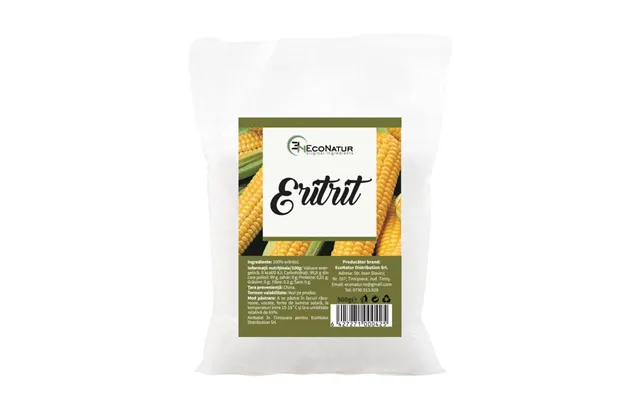
Corn Syrup price list
Last updated Sunday, Sep 13, 2026
| Corn Syrup | Price |
|---|---|
| Eritrit - 500 G | £6.80 |





View 1 Offers
Loading...
Last updated Sunday, Sep 13, 2026
| Corn Syrup | Price |
|---|---|
| Eritrit - 500 G | £6.80 |
Corn syrup is a thick, sweet syrup made from the starch of corn and mostly composed of glucose. If you’ve ever wondered why certain candies stay soft or why frostings stay glossy, corn syrup is often the secret ingredient. It’s a versatile pantry staple used in baking, candy making, sauces, and even some beverage recipes. Unlike table sugar, corn syrup helps prevent crystallization, giving confections a smooth, chewy texture that’s hard to achieve otherwise.
Ever noticed how some caramels and fudges are luxuriously smooth while others turn grainy? That’s the magic of corn syrup. It interferes with sugar crystal formation, stabilizes mixtures, and contributes to a consistent texture. Plus, it dissolves well in cold and hot recipes, making it a handy ingredient when you need predictable results. If you bake or make sweets regularly, you’ll find corn syrup saves time and reduces batches that need to be tossed.
There are two common varieties: light and dark. Light corn syrup is clear and mildly sweet, ideal when you don’t want to change a recipe’s color or flavor. Dark corn syrup has added molasses or caramel flavor, giving a deeper color and richer taste. Choosing between them depends on the recipe—one adds shine without taste, the other adds boldness and depth.
Light corn syrup has a neutral profile—think of it as a sugar canvas. Dark corn syrup brings a caramel-like, slightly smoky note that pairs well with brown sugar and spices. If you’re making pecan pie or a rich toffee, dark syrup can elevate the overall flavor without extra work.
Use light corn syrup for glossy icings, clear glazes, and candy where color matters. Use dark corn syrup for pies, robust caramel sauces, and recipes where a hint of molasses or caramel is welcome. Both types are useful in homemade marshmallows and certain frostings where texture beats flavor dominance.
When you shop for corn syrup, look for recognizable brands with consistent quality. Karo is a widely available brand known for both light and dark corn syrup. Lyle’s Golden Syrup, while not corn syrup, is often stocked near syrups and makes a great alternative for some recipes. You’ll also find glucose syrup labeled in baking aisles; it behaves similarly to corn syrup, particularly for candy makers seeking a different ingredient name but the same functionality.
Karo is a classic choice in many recipes thanks to its dependable sweetness and texture. It comes in bottles sized for home cooks—often around 16 ounces or larger—and the light variety gives a neutral sweetness perfect for clear sauces and candied fruit.
Glucose syrup is often used interchangeably with corn syrup in candy-making circles. Golden syrup, like Lyle’s, has a buttery, caramel taste and a golden color; it’s especially good for treacle-based recipes and British-style bakes. If you want richness without dark molasses notes, golden syrup is a tasty middle ground.
Corn syrup can be a game-changer, but it’s helpful to understand how to use it right. Substitute it for sugar sparingly and follow tested recipes when making candies. Corn syrup is usually used in combination with granulated sugar to control crystallization and texture. In frostings, a tablespoon or two of corn syrup adds sheen and helps keep icing soft and spreadable.
Need a substitute? If you’re out of corn syrup, try equal parts honey, golden syrup, or a simple syrup made with 1 cup sugar dissolved in 1/4 cup water, though results will vary. Remember, these swaps can change flavor and color. For most recipes, replace 1 cup of corn syrup with 1 cup of honey or golden syrup, but reduce slightly if the honey’s flavor is too strong. For delicate candies, stick with glucose or corn syrup for best results.
When making candy, precise temperatures matter. Use a candy thermometer and aim for Fahrenheit stages: soft-ball around 235–245°F, firm-ball around 245–250°F, hard-crack around 295–310°F. Corn syrup helps you hit these stages more reliably by controlling sugar crystal formation and moisture content. If you’re making taffy or caramel, corn syrup will help you keep things chewy instead of grainy.
Corn syrup shows up in many classic treats. From glossy frosting to chewy caramels, it’s responsible for that professional finish. Below are a couple of quick recipe ideas you can try—each highlights how corn syrup influences texture and taste.
Peanut brittle relies on corn syrup to create a non-grainy, glassy candy. A basic mix—1 cup corn syrup, 2 cups sugar, 1/2 cup water, 2 cups roasted peanuts—cooks down to a crisp candy that snaps but stays smooth. Add a teaspoon of butter and a splash of vanilla at the end to round the flavor.
For a silky caramel sauce, combine 1 cup dark corn syrup, 1 cup heavy cream, 1 cup sugar, and 4 tablespoons butter. Cook slowly until it reaches about 245°F for a chewy but pourable sauce. Corn syrup helps keep the caramel from becoming gritty as it cools, giving you a luscious finish for ice cream or tarts.
Not everyone wants to use corn syrup all the time, and that’s okay. Some alternatives work well depending on the recipe. Honey, maple syrup, agave nectar, golden syrup, and molasses each bring unique textures and flavors. Choose based on what you’re making and the flavor profile you want.
Honey and maple syrup are natural alternatives with distinct flavors—honey is floral and thick, while maple syrup is woody and sweet. Use them in sauces, glazes, and some baked goods. Substitute 1 cup of corn syrup with 1 cup of honey for many recipes, but remember the final product may brown faster because of honey’s composition.
Golden syrup is a great swap for both light corn syrup and situations where you want a mellow caramel flavor. Agave is sweeter than corn syrup and mixes well in cold beverages or dressings, but its finer texture might not control crystallization in candy as well. Molasses is much stronger—use it sparingly when you want deep, robust flavor rather than sweetness alone.
Corn syrup has a long shelf life thanks to its high sugar content. An unopened bottle can stay fresh for a long time at room temperature. Once opened, keep the bottle tightly sealed in a cool pantry—no need to refrigerate. If you live in a hot climate, store it in a cool spot to prevent thinning. If your corn syrup gets crystallized or too thick, gentle warming in a warm water bath will restore pourability.
Keep opened bottles upright in a dry, cool cabinet away from direct sunlight. Use within a year for best flavor and performance. If you notice cloudiness or an off smell, it’s time to replace it. For large-volume buyers, airtight containers or transferring to smaller bottles can help reduce air exposure and maintain quality.
Corn syrup is a source of calories without significant vitamins or minerals, so treat it like other sweeteners: enjoy in moderation. It is high in glucose, which is metabolized quickly. If you are monitoring sugar intake, portion control and occasional use in recipes can help balance taste and health goals. If you have specific dietary needs, consult a nutrition professional for tailored advice.
It’s important not to confuse corn syrup with high fructose corn syrup (HFCS). Corn syrup is primarily glucose, while HFCS is enzymatically altered to increase fructose. They behave differently in some food applications and have different metabolic effects. For home cooking and candy making, corn syrup and glucose syrup are the typical choices, not HFCS.
Even experienced cooks can trip up with corn syrup. One common mistake is substituting without considering flavor impact—honey, for instance, will add its own taste. Another is overheating mixtures during candy making, which can cause burning or grainy textures. Always use a good candy thermometer, and follow recipes closely until you understand how corn syrup changes outcomes in your kitchen.
Looking for the best price? Comparison sites and price trackers can help you spot discounts and bulk deals across different retailers. Compare bottle sizes—sometimes buying larger bottles yields a lower price per ounce. Also, watch for promotions on baking staples during holiday seasons when demand for syrups and sugars spikes.
Decide how often you use corn syrup. If you bake weekly, a larger bottle makes sense. If you reach for it only a few times a year, a smaller bottle avoids waste. Look for multipacks if you use syrups for multiple recipes or entertaining, which can be cost-effective and convenient.
Corn syrup is a humble but powerful ally in the kitchen. From smoothing frostings to keeping candies chewy, it helps you achieve textures and finishes that are otherwise tricky. Whether you choose light, dark, glucose, or a golden alternative, understanding how and when to use these syrups will make your baking and candy-making more reliable and enjoyable. Try a few recipes, experiment with substitutes, and use comparison tools to get the best value—your sweets will thank you.