
Food Coloring price list
Last updated Sunday, Sep 13, 2026
| Food Coloring | Price |
|---|---|
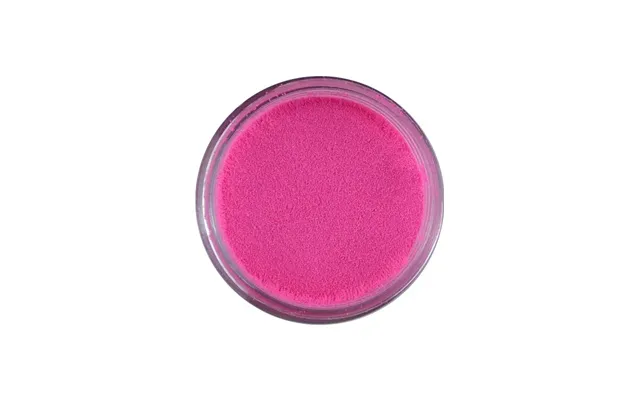
| Candy Brights - Razzberry Pink | £1.91 |
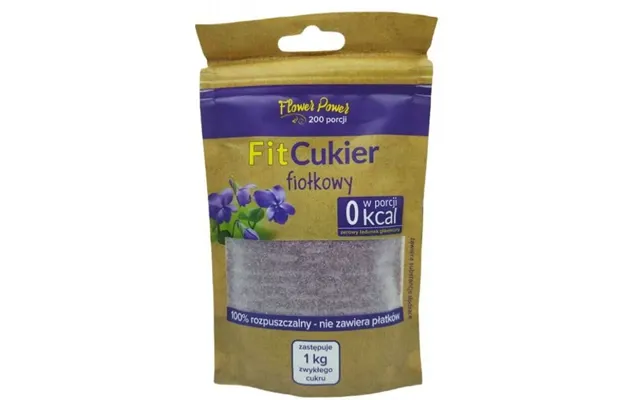
| Fitcucure Violet 100g - 200 Servings | £5.60 |
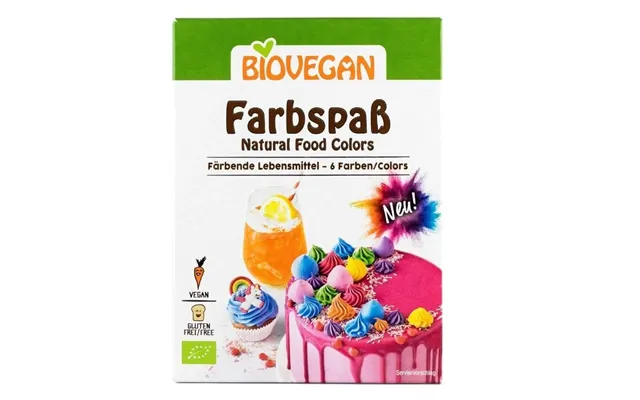
| The Joy Of Colors Bio Coloring For Cakes - 6 X 8g | £11.10 |




Loading...
Last updated Sunday, Sep 13, 2026
| Food Coloring | Price |
|---|---|
| Candy Brights - Razzberry Pink | £1.91 |
| Fitcucure Violet 100g - 200 Servings | £5.60 |
| The Joy Of Colors Bio Coloring For Cakes - 6 X 8g | £11.10 |
Have you ever baked a beautiful cake only to find the colors look flat or washed out? Food coloring does more than add a pop — it sets mood, builds themes, and turns a simple dessert into a showstopper. Whether you’re tinting a batch of buttercream for a birthday or using vibrant gels for macarons, the right color can transform flavor perception and presentation. Think of food coloring as the paintbox for your kitchen; a little goes a long way, and technique matters as much as pigment.
Not all food colors are created equal. You’ll see gel, liquid, powdered, natural, and specialty airbrush options on price lists and comparison sites. Each category has its strengths: gels are intense and great for thick frostings, liquids are handy for icings and shakes, powders avoid adding extra moisture, and natural shades appeal to clean-label bakers. Knowing the category you want helps you compare offers quickly and pick the best deal for your needs.
Gel food coloring is the go-to for most decorators because it delivers deep color without thinning creams or icings. A pea-sized blob can tint a cup of frosting a vivid hue, so you’ll often use less than a quarter ounce per batch. If you plan to make rainbow layers or ombré cupcakes, gels let you build intensity in tiny increments. They’re also easier to store and usually come in small tubes or jars that last a long time.
Liquid food colors are often cheaper and easier to find in grocery aisles. They work well in batters, sauces, drink mixes, and thin icings where added moisture isn’t a problem. For cakes or frostings that rely on texture, however, liquids can make mixtures runny if you’re not careful — so measure by drops or teaspoons when experimenting. Liquid sets are great when you want many pastel or subtle shades with minimal fuss.
Powdered colors are dehydrated pigments that dissolve into syrups, alcohol, or fat-based mediums. They’re excellent for chocolates, fondant, and dry mixes because they add color without changing texture. If you’re making candy that should hold crispness or want to avoid adding liquid to a ganache, a pinch of powdered color — measured in fractions of an ounce — often does the trick. They also last a long time on the shelf if kept dry.
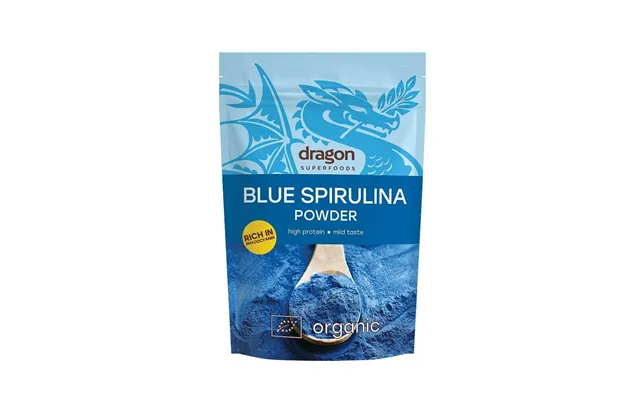
Natural food coloring uses plant-derived pigments like beet, turmeric, spirulina, and carrot juice. These are great when you want cleaner labels or are avoiding artificial dyes. Keep in mind that natural shades can shift with pH and heat: a bright red from beet might brown slightly in baking, and blues from spirulina may fade in acidic environments. When you want a mildly tinted frosting or a pastel hue for baby showers, natural colors are a lovely, subtle option.
For professionals and adventurous hobbyists, specialty colors open creative doors. Airbrush food colors give smooth gradations across cakes, neon colors glow under blacklight, and lustre sprays add shimmer to toppers. These are often sold in small bottles or aerosol cans and are priced higher per ounce than basic gels or liquids, but they can deliver effects that are impossible with standard dyes. If you love dramatic finishes, keep an eye on price lists for bundle deals and compare offers before buying.
Ask yourself three quick questions: Are you coloring a wet batter, a dry mix, or a fat-based frosting? Do you need intense color or a soft tint? And do you prefer artificial or natural ingredients? Once you know the answers, the best match becomes obvious — gel for thick frostings, powdered for dry or chocolate work, and liquid for drinks and thin icings. Don’t forget to consider how many ounces you’ll actually use; bulk tubs can be economical if you color frequently, while small tubes are perfect for occasional bakers.
Price lists often show tempting low-cost liquid sets, but performance varies. A low-cost liquid might look cheaper per bottle yet require more drops to reach the same intensity as a single tiny jar of gel. Think in terms of effort and end result: if you bake professionally or regularly decorate, investing in higher-quality gels or concentrated colors saves time and frustration. For casual use, a mixed set of small tubes can be a smart starter pack to test what you like.
Color mixing is a bit like painting: start with less and build up. When using gel, mix in increments as small as a pea or less per cup of frosting. For liquids, think in drops rather than teaspoons. A typical starting ratio for a medium-intensity shade is 1/8 teaspoon of gel per 1 cup of frosting, but you’ll adjust based on the pigment and desired depth. Keep a scrap bowl to test a little, wait a minute for the color to develop, and then decide whether to add more.
If you need multiple batches with the same color — say, 3 cupcakes trays over 3 hours — write down how much color you added per cup or per batch. Scaling is simple: if 1/8 teaspoon colored 1 cup, use 3/8 teaspoon for 3 cups. Consistency matters for events and photos. Some bakers even mark the exact number of squeezes from a gel tube or measure in drops to replicate a perfect shade later.
Ever had colors run or bleed into each other? That often happens with watery liquids or when icing stays wet between layers. Use stiffer frostings for clean lines, chill briefly between layers, or choose powdered pigments where liquid would be a problem. If a color looks too bright, tone it down with tiny amounts of a complementary color (a dash of brown or black can mute neon shades). And if a hue turns muddy, try starting again with a fresh batch and adding the problematic color more slowly.
Color migration—where a pigment leaches into another layer—can ruin clean aesthetics. To prevent this, apply a thin barrier coat of neutral frosting and chill it for 10 to 15 minutes before adding a strongly pigmented layer. Using stabilizers like a little powdered sugar or meringue powder can firm up fillings. For mousse or gelatin-based desserts, choose natural colors carefully, as they may react and change under heat or acidity.
Color pairs well with many formats, but technique shifts by recipe. In buttercream, fold in gel with a spatula for even color; for batters, add color early and mix just enough to avoid overworking flour; and in chocolates, mix powdered colors with a small amount of cocoa butter to dissolve evenly. For drinks or cocktails, liquid dyes are preferable for smooth integration. Always taste as you go — sometimes flavors like turmeric or beet carry subtle tastes that influence delicate desserts.
Chocolate and fondant behave differently from cream-based icings. Fat-based mediums like chocolate accept oil-soluble colors or powdered colors suspended in a tiny bit of neutral oil. Fondant takes gels and powders well, but adding too much liquid can make it sticky. When dusting fondant with powder or lustre, use a soft brush and a light hand to build the effect slowly.
Food coloring is generally shelf-stable, but storage affects longevity. Keep tubes and jars in a cool, dry place away from direct sunlight. Liquids can separate; a quick shake usually recombines them. Most artificial colors will remain usable for a year or more, while natural colors may lose vibrancy faster and benefit from refrigeration once opened. Always check the label for any storage specifics and expiration guidance.
Shopping smart means comparing prices and checking seller ratings. Comparison sites list current offers, package deals, and price lists across retailers, helping you spot bargains on gel sets, bulk tubs, or specialty airbrush kits. Keep an eye out for seasonal promotions — spring and holiday baking seasons often bring discount bundles. Whether you need a single 0.5 ounce tube or a multi-color kit, comparing options helps you get the best value for the performance you need.
If you’re building a starter kit, pick a small set of gel colors, one liquid set for drinks, a powdered color for chocolate and fondant, and a shimmer spray for finishing. Many bakers recommend investing in a high-quality gel set first because it covers most decoration needs. For the occasional natural baker, a kit of beet, turmeric, and blue spirulina powder gives a pleasant palette without artificial additives. Always read product reviews and compare ounces per package so you know how much color you’re getting for the price.
Start small if you’re not ready to commit to one-ounce tubs, and sample different formats to see what you prefer. Write down successful ratios, keep a tiny lab notebook of mixes you love, and don’t be afraid to experiment — the kitchen is the best classroom. And remember: color will deepen as it sits, so wait a few minutes after mixing before adding more pigment. That way you won’t overshoot and waste your tube or jar.
Food coloring is one of the simplest yet most transformative tools in your baking arsenal. From gels that give deep, reliable hues to natural powders that offer subtle, clean-label tints, there’s an option for every project and budget. Use comparison sites and price lists to find the best deals in the UK, start with a compact kit, and practice basic mixing ratios so you can reproduce colors consistently. With a little patience and a few squeezes, you’ll turn ordinary recipes into memorable creations.