







All categories
Business & Offices
Electronics & Media
Fashion & Accessories
Groceries & Essentials
Health & Personal Care
Home & Living
Kids & Family
Sports & Outdoors
Search in ZoneOffer
Loading...
If you’ve ever sipped a creamy bubble tea or chewed into a chewy boba at the bottom of a drink, you know why tapioca pearls have become a culinary craze. These small, glossy spheres turn ordinary drinks and desserts into a playful experience. Whether you’re a complete beginner or a kitchen pro wanting to replicate cafe-quality boba at home, this guide walks you through what tapioca pearls are, how to cook them, the best ways to sweeten and serve them, and which related products are worth buying.
Tapioca pearls are chewy spheres made from tapioca starch, which is extracted from the cassava root. Think of them as edible, springy marbles that soak up flavor—great in milk tea, iced coffee, or even warm puddings. They come in various sizes and colors: classic black boba, clear mini pearls, instant pearls that cook quickly, and popping boba that burst with juice.
Tapioca’s roots are in South America, and tapioca pearls became popular across Asia before bursting onto the global scene via Taiwanese bubble tea. Today, you’ll find them in beverages, desserts like tapioca pudding, and creative cocktails. They’re neutral in flavor, which makes them perfect carriers for syrups and sweeteners.
Not all tapioca pearls are created equal. Picking the right type depends on how you plan to use them. Here’s a quick breakdown so you can shop smarter.
These are the large, chewy pearls that most people associate with bubble tea. They get their dark color from caramelized sugar or brown sugar syrup. Expect them to need a longer cooking time—usually 20 to 30 minutes—followed by a rest period to soak up sweetness.
Mini pearls are great for puddings and desserts where a gentler chew is preferred. Instant pearls (sometimes called quick-cook pearls) save time: they usually cook in 5 to 10 minutes. The texture may be slightly different—often softer—but they’re perfect when you’re short on time.
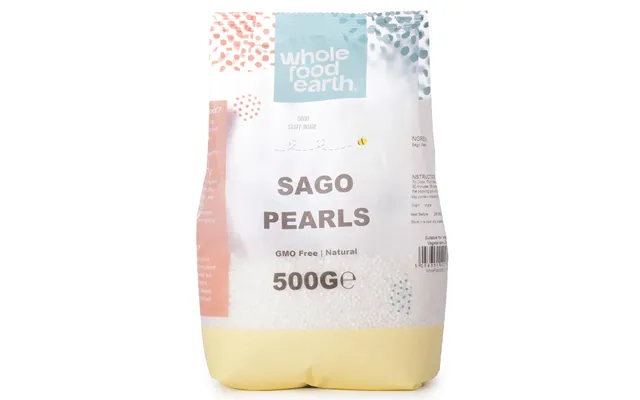
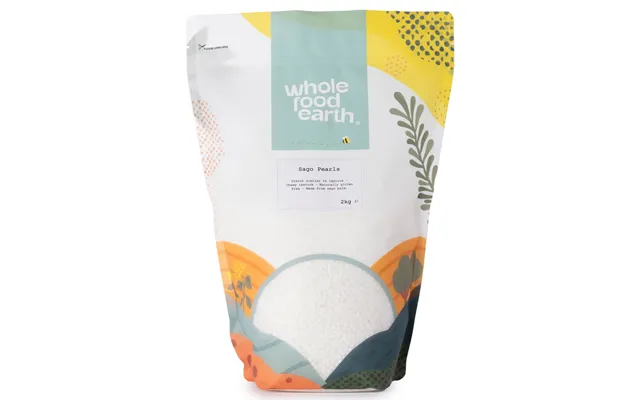
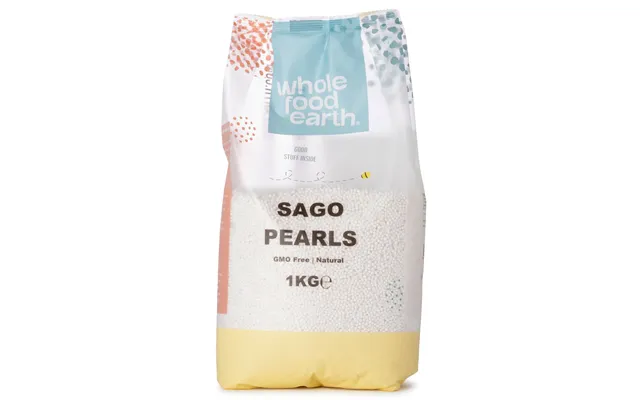
Popping boba are not made from tapioca starch but rather a thin membrane filled with fruit juice that bursts in your mouth. Sago pearls, often confused with tapioca, are derived from other palm starches and have a slightly different texture and translucency. Both make fun alternatives depending on the texture and flavor you want.
Cooking tapioca pearls is simple once you get the rhythm. You’ll need a large pot, plenty of water, and patience. Here’s a reliable method that works for large black pearls (the most common variety).
For roughly 8 servings of pearls: 6 cups of water, 1 cup of dry large tapioca pearls, 1/2 cup brown sugar (for syrup), plus measuring cups, a slotted spoon, and a bowl for an ice bath if you prefer.
1) Bring 6 cups of water to a rolling boil in a large pot. 2) Add 1 cup of dry pearls slowly—stir gently to prevent sticking. 3) Return to a boil, then reduce heat and simmer uncovered for 20 to 30 minutes, stirring occasionally. 4) Turn off the heat and let pearls sit in hot water for an additional 15 to 30 minutes depending on desired chew. 5) Drain and rinse under cold water to stop cooking, then move pearls into a bowl with 1/2 cup brown sugar dissolved in 1/4 cup hot water to sweeten and keep them from hardening.
If you’re using instant pearls, follow the package instructions: typically bring water to a boil, add pearls, cook 5 to 10 minutes, then let them sit for 10 minutes off-heat. Sweeten immediately after draining to maintain texture.
Want that perfect “QQ” texture—firm on the outside and tender inside? Use plenty of water, resist overcrowding the pot, and don’t skimp on the resting time after simmering. Sweetening with warm syrup prevents the pearls from sticking and enhances mouthfeel.
We’ve all dealt with gummy, hard, or mushy pearls. Here’s how to fix the usual suspects.
If your pearls are hard in the center, simmer them a bit longer in boiling water, then let them sit off-heat for 10 to 30 minutes. Always taste-test a pearl before draining.
Overcooked pearls turn gluey. Unfortunately, once they’re mushy you can’t reverse it—but you can repurpose them into puddings or thick sauces where texture is less critical.
Rinse under cold water immediately after draining, then toss with syrup or a small amount of oil. Serving pearls in liquid (milk tea, syrup) also prevents clumping.
Beyond the classic bubble tea, tapioca pearls shine in a variety of recipes. They add texture and a playful element to both drinks and desserts.
Fill a glass with 1/4 cup sweetened pearls, pour 8 ounces of cold milk or milk alternative over them, and swirl 2 to 3 tablespoons of brown sugar syrup around the cup for dramatic streaks and deep caramel flavor. Stir and enjoy through an oversized straw.
Make a warm pudding by simmering 1/2 cup pearls in 3 cups milk with 1/3 cup sugar and a pinch of salt until pearls are translucent. Finish with vanilla extract and serve warm or chilled—garnish with toasted coconut or chopped fruit.
Add popping boba or flavored tapioca pearls to iced fruit teas or spritzers for bursts of flavor. They also work surprisingly well in adult cocktails—try a lychee spritz with clear pearls for a classy twist.
To make and enjoy tapioca pearls like a pro, stock a few essentials. These items will save time, improve texture, or simply make the drinking experience better.
Accurate measure matters—use measuring cups for consistent results. Also, invest in wide reusable straws (about 0.5 inch diameter) made for boba so the pearls glide through with every sip.
Brown sugar syrup enhances black pearls and gives them that deep, caramelized flavor cafés are known for. You can buy pre-made syrup or make your own by dissolving brown sugar in water over low heat.
If you’re into baking or want to try making homemade pearls, tapioca starch is a versatile pantry item. It’s also a popular gluten-free thickener for soups and sauces.
Popping boba, flavored powders, and concentrated tea sachets expand the flavor playbook. They’re perfect for party drinks, kids’ mocktails, or when you want something vibrant and fruity instead of chewy.
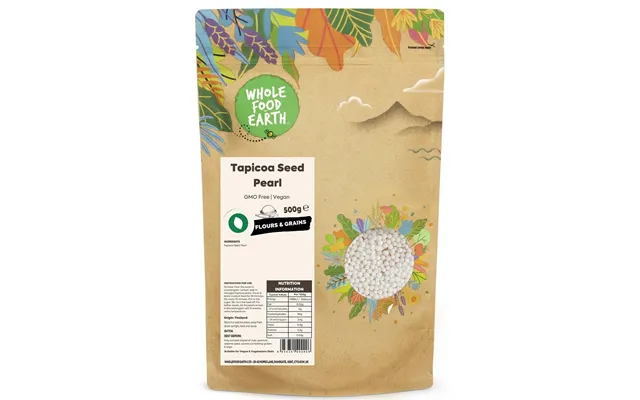
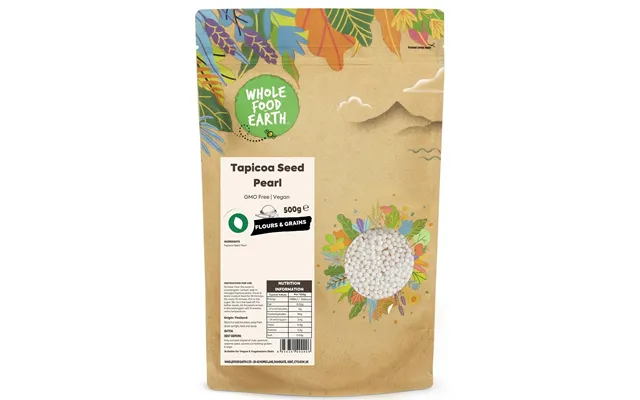
Tapioca pearls can be found in Asian grocery stores, general supermarkets, and online marketplaces. Prices vary by type, brand, and quantity—bulk packs are more economical if you plan on regular use. Comparison sites often list current discounts and price lists so you can easily compare costs from different sellers.
Check the ingredient list (pure tapioca starch is ideal), packaging date for freshness, and customer reviews for texture consistency. If you like a strong brown-sugar taste, seek out pearls that either come pre-flavored or pair well with brown sugar syrup.
Dry tapioca pearls have a long shelf life when stored in a cool, dry place—often 6 months to a year depending on packaging. Once cooked, pearls are perishable and best consumed within 4 to 8 hours at room temperature or kept in syrup for up to 24 hours in the refrigerator. Reheated refrigerated pearls will harden; revive them briefly by steaming or microwaving with a splash of water for 10 to 20 seconds.
Freezing cooked pearls is not recommended—texture suffers badly. If you must, freeze them in syrup and thaw quickly, but expect some quality loss. Dry pearls freeze fine but don’t need it unless you live in a very humid climate.
Tapioca pearls are mostly carbohydrates and contain little protein, fat, or fiber. They’re naturally gluten-free, making them suitable for people avoiding gluten. However, pearls are calorie-dense, and the sugary syrups used to sweeten them can add a lot of sugar to a drink. For a lighter option, use smaller portions of flourished syrup or swap to lower-calorie sweeteners.
Pure tapioca pearls are generally safe for people with common food allergies, but always check labels for additives or coloring, especially in pre-flavored varieties. If you follow a vegan diet, choose pearls that are free of gelatin and animal-derived colorants.
Practice makes perfect. Start with a small pack of pearls to learn cooking times and sweetness preferences. Keep a simple brown sugar syrup in the fridge, and invest in a couple of wide straws so friends can enjoy your drinks with minimal fuss. Try different milk alternatives—oat milk and almond milk pair beautifully with brown sugar boba.
Serve pearls in chilled cups when making iced drinks for the best texture. If serving hot, let the pearls cool slightly before adding them to very hot liquids to avoid overcooking. A visual trick from cafes: swirling syrup around the cup before pouring milk looks spectacular and concentrates flavor.
With these tips and techniques, you’re ready to experiment with tapioca pearls at home—whether you want silky black boba in your milk tea, a fun popping surprise in a summer fruit drink, or a cozy tapioca pudding for dessert. Happy brewing and chewing!
| Tapioca Pearls | Price | |
|---|---|---|
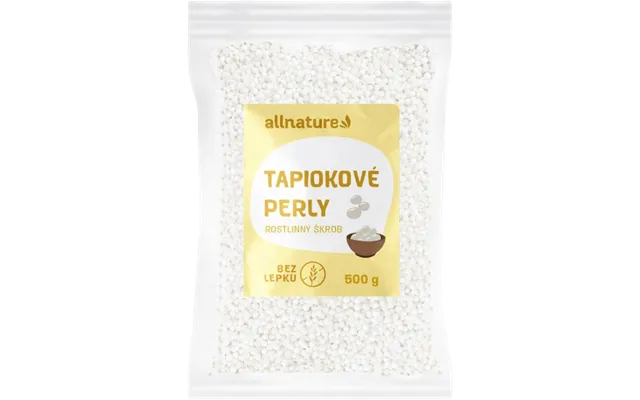
| Allnature Tapioca Pearl 500 G | £ 3,20 | |
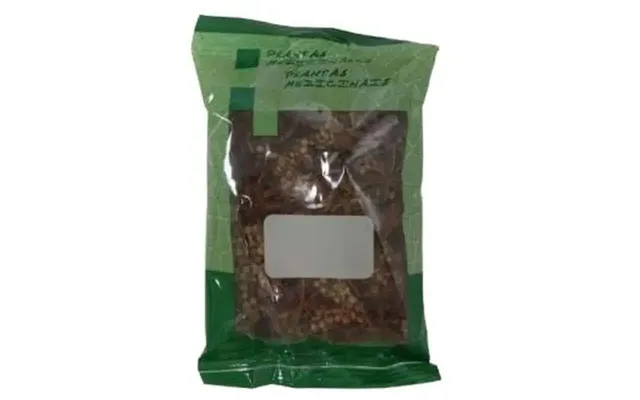
| Plameca Anis Estrellado Bag 50gr | £ 7,40 |

