All categories
Business & Offices
Electronics & Media
Fashion & Accessories
Groceries & Essentials
Health & Personal Care
Home & Living
Kids & Family
Sports & Outdoors
Search in ZoneOffer

Loading...
Fruit snacks have slid into lunchboxes and gym bags like they were meant to be there — sweet, portable, and oddly comforting. Whether you prefer chewy fruit gummies, fruit leather, dried fruit, or fruit bars, there’s a style to match every craving. They’re an easy way to add a fruity hit without the mess of fresh fruit, and modern options include organic, low-sugar, and allergen-free varieties that appeal to both parents and adults on the go.
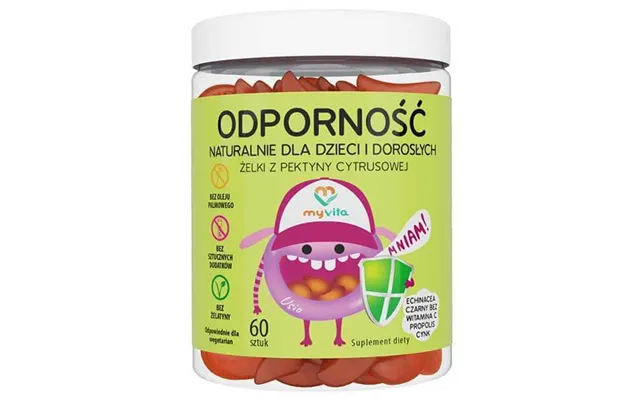
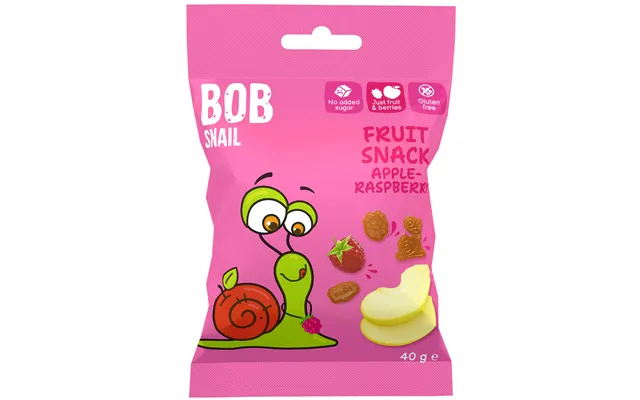
Gummy-style fruit snacks are the nostalgic classic: small, chewy pieces shaped like bears, fruit, or fun characters. Brands vary in sugar content and ingredient lists, but many offer versions made with real fruit juice and added vitamins. They’re perfect for a quick treat, and you can usually find single-serve packs around 0.8 oz to 1.5 oz for portion control.
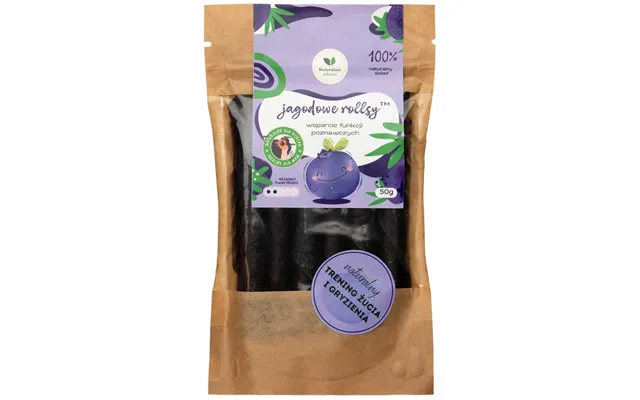
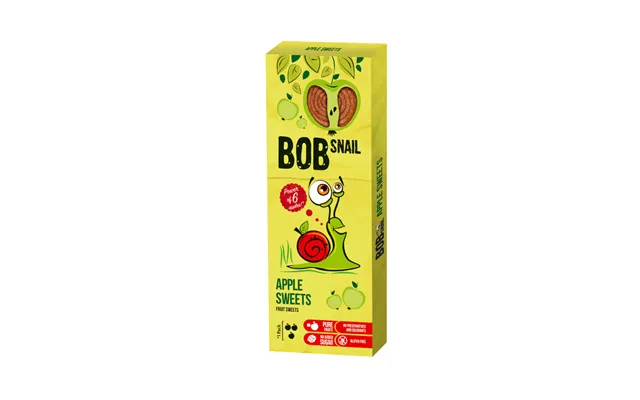
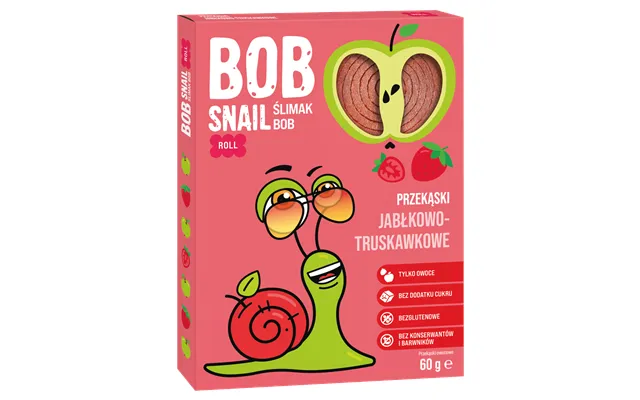
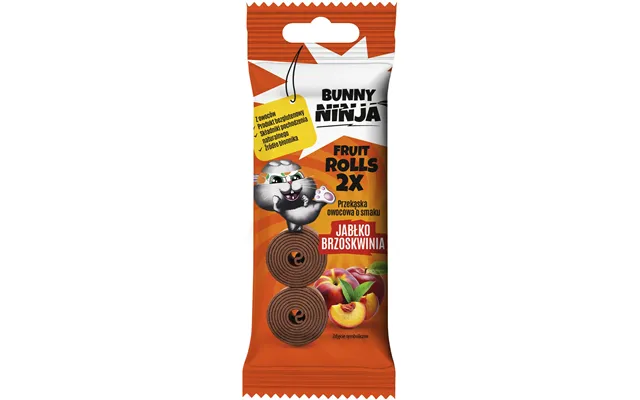
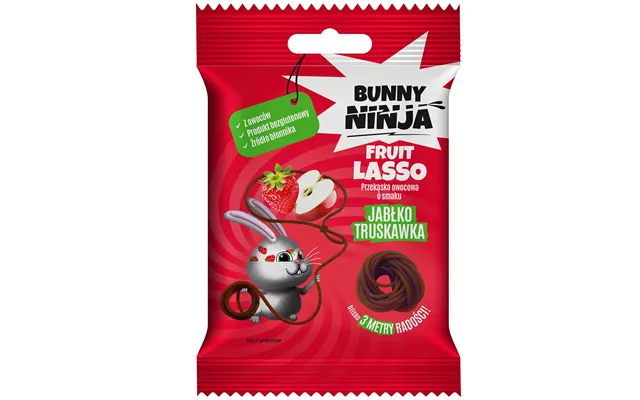
Fruit leather is basically the portable, grown-up version of candy: pureed fruit spread thin and dried into pliable strips. These often come in 0.6 oz to 1.4 oz rolls and are great when you want pure fruit flavor without extra sugar. They’re a smart pick for hikers or commuters because they’re light and won’t smoosh in your bag.
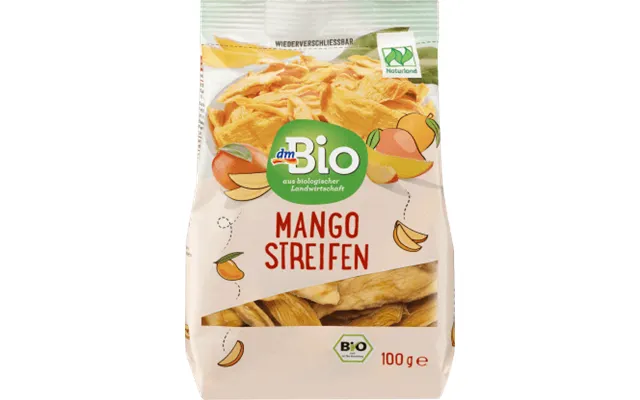
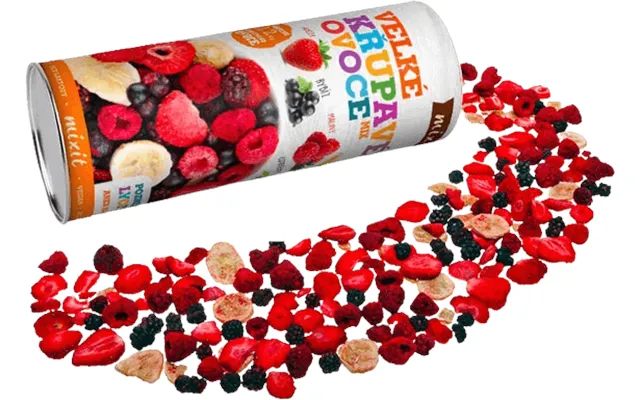
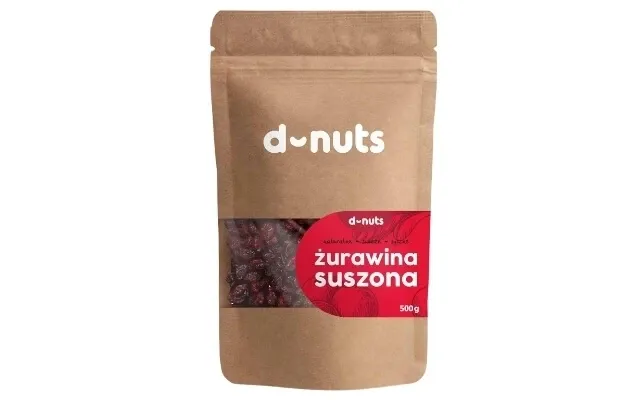
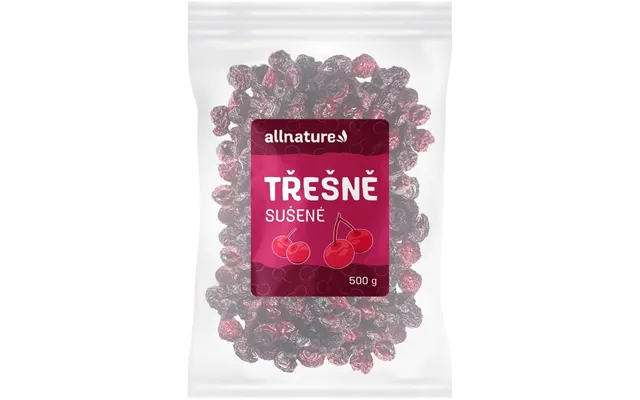
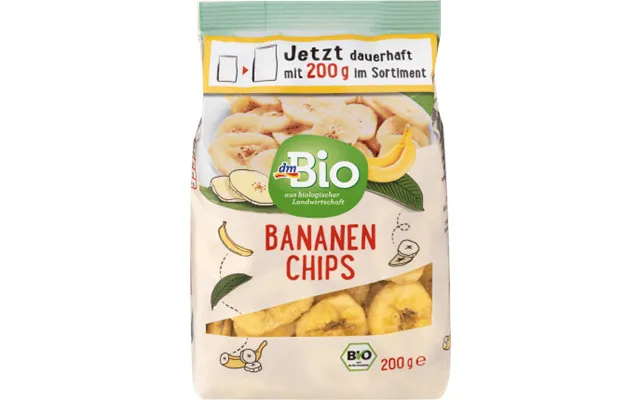
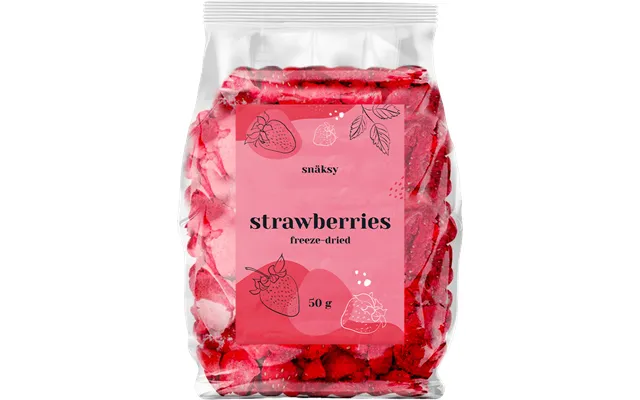
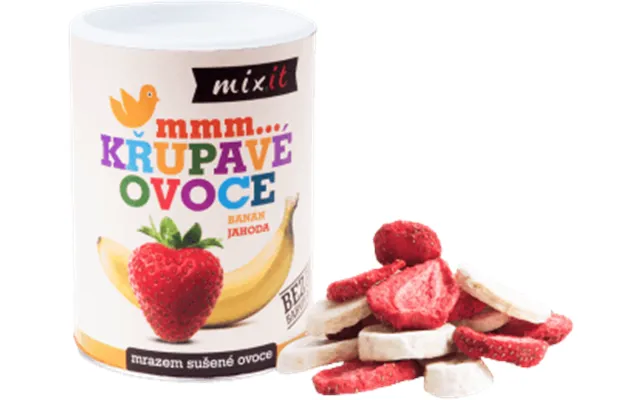
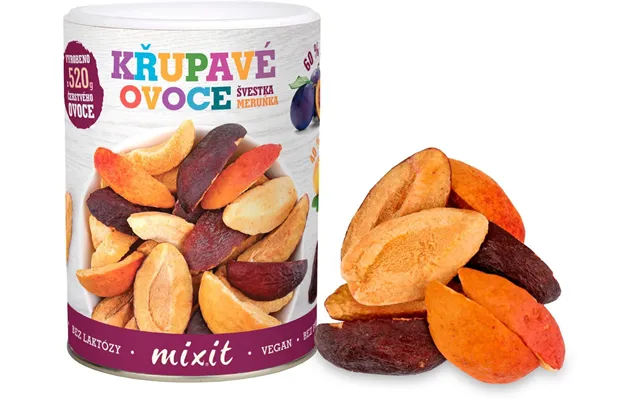
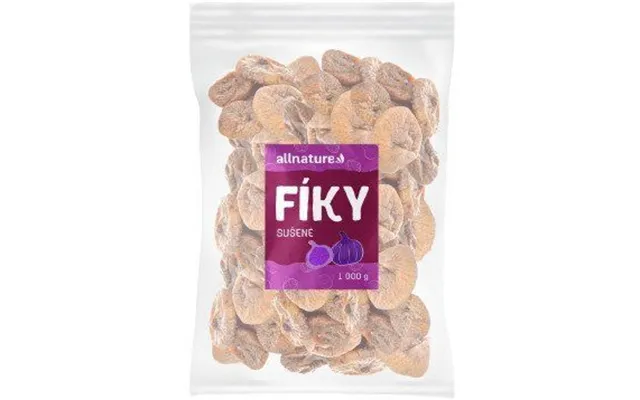
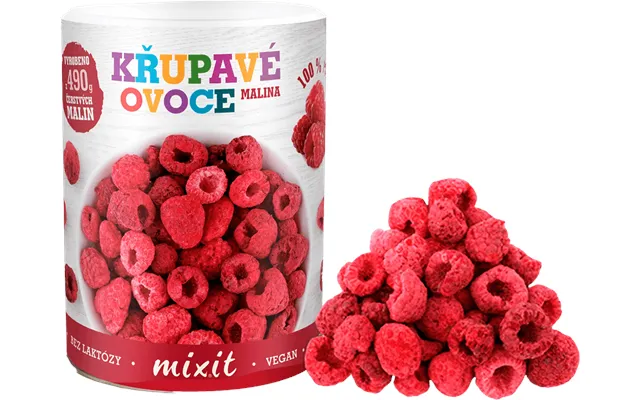
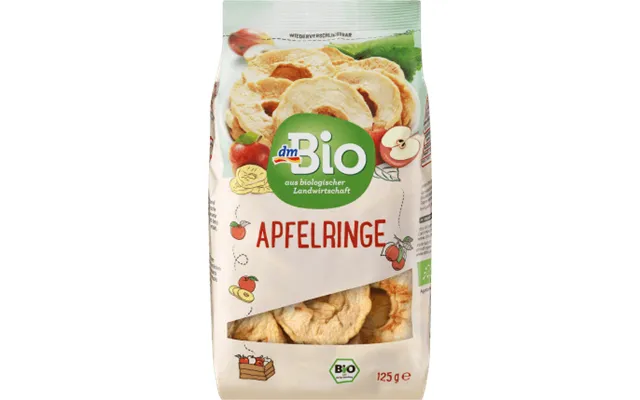
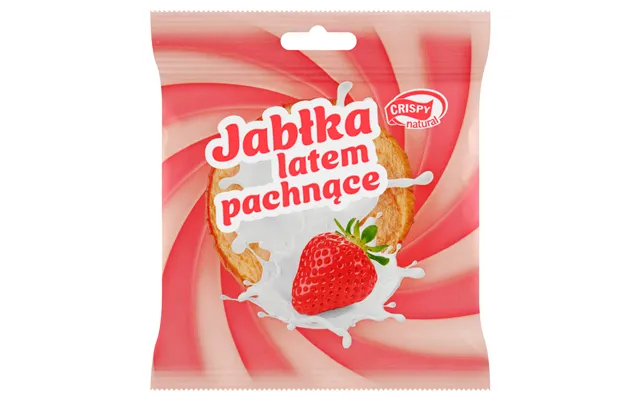
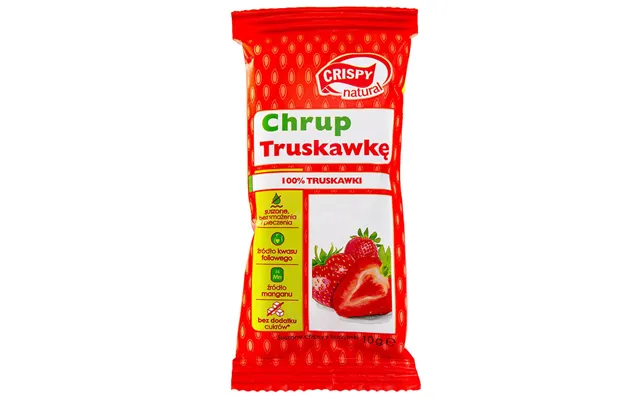
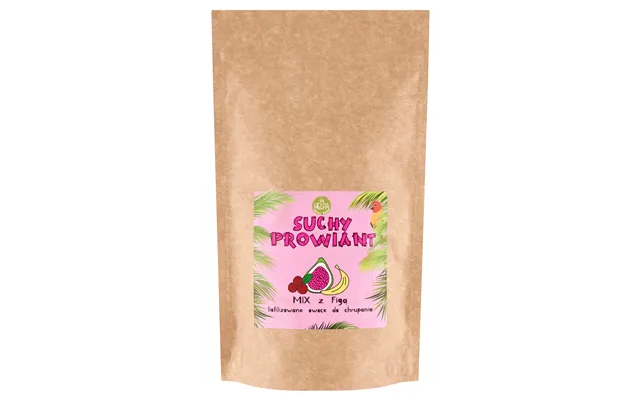
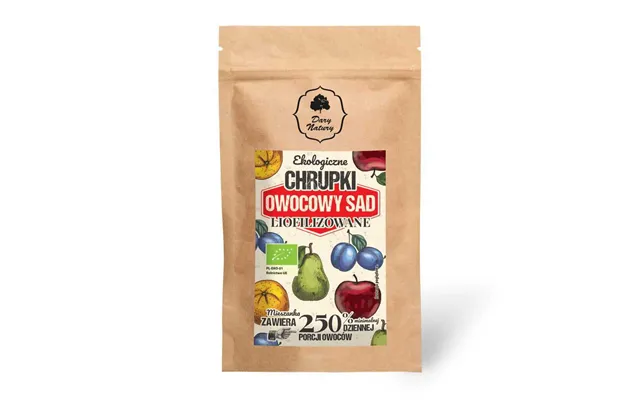
Dried fruit — think mango, banana chips, or apple rings — gives real fruit flavor with a chewy or crunchy texture. Packs range from snack-size 1 oz bags to larger 10 oz share bags. Look for unsweetened options if you’re watching sugar intake. They’re a natural, fiber-rich alternative to candy-style snacks.
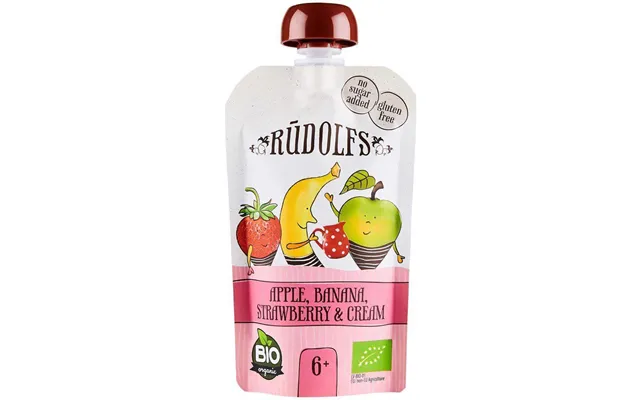
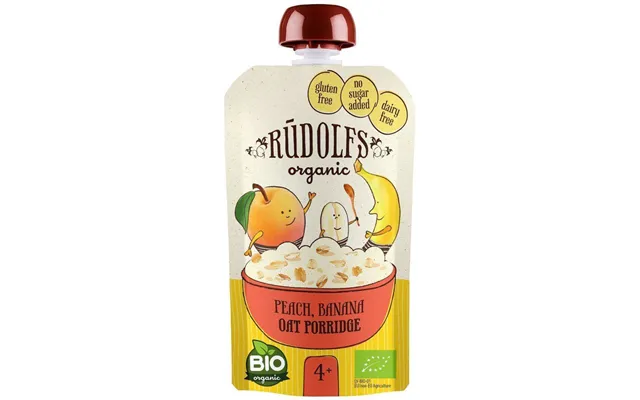
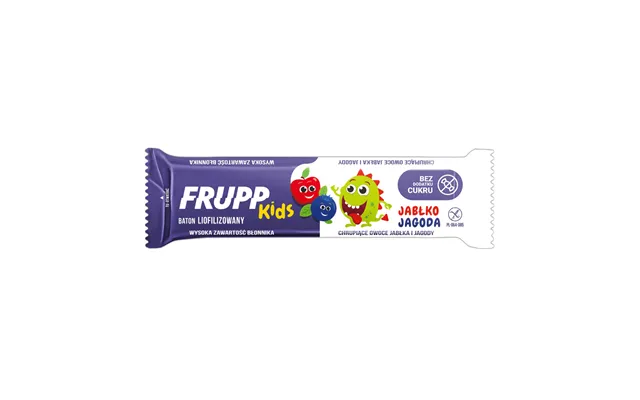
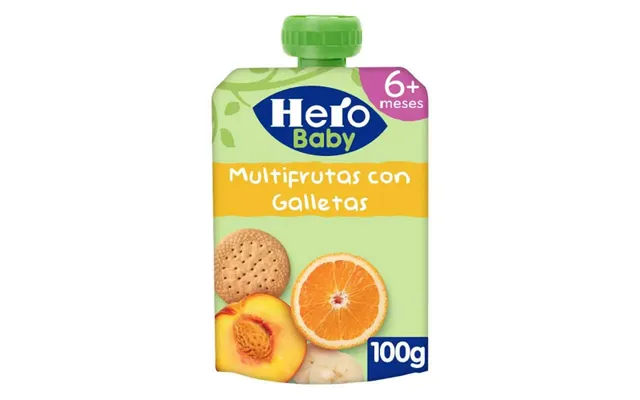
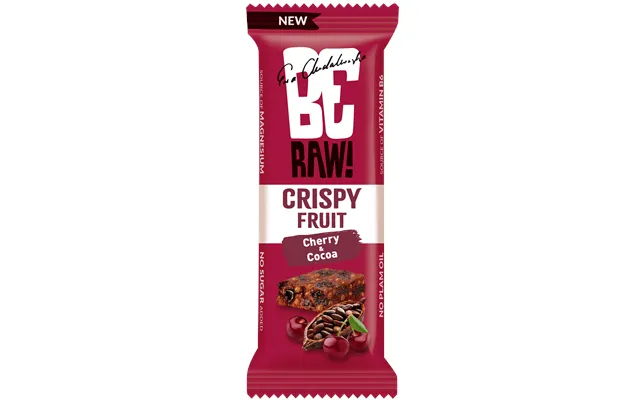
Fruit bars and squeeze pouches blend fruit with seeds or grains for a more filling snack. Bars are usually about 1.4 oz to 2.8 oz and can replace a small breakfast or curb hunger between meals. Pouches are super kid-friendly and mess-free — handy when you’re out and about with a toddler.
When shopping, you’ll notice recurring names: classic American brands like Welch’s and Annie’s, British favorites like Bear (known for fruit rolls and little cakes), and organic newcomers focused on clean labels. Some brands offer fortified versions with added vitamins for kids, while others market low-sugar or no-sugar-added lines. For variety, look for multi-pack assortments that combine gummies, fruit leather, and dried fruit so you can test textures and flavors without committing to a full-size bag.
Ingredients tell the real story. Prioritize options where fruit or fruit juice appears near the top of the list and avoid products where sugar or corn syrup is the first ingredient. If you’re trying to reduce additives, seek snacks with short ingredient lists and recognizable names — real fruit, fruit puree, water, and natural flavors are all good signs.
Serving sizes can be sneaky — a package that looks small might actually contain two servings. Look at the amount of sugar per serving, not just the total sugar per package. Many fruit snacks have between 8 g and 15 g of sugar per single-serve pack, so smaller portions help control intake. Some brands offer low-sugar versions with 3 g to 6 g per serving.
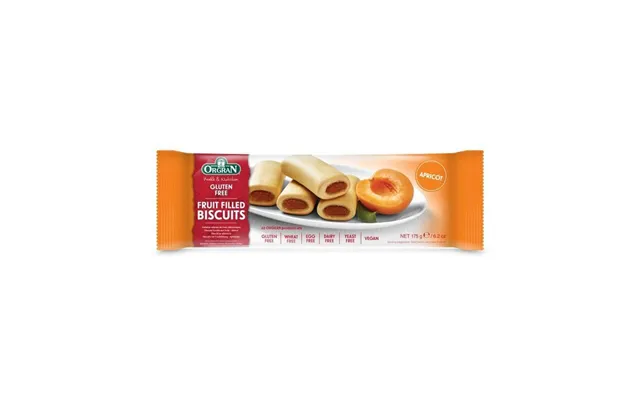
If you or your family have allergies, check labels closely. Many fruit snacks are naturally free from nuts, dairy, and gluten, but cross-contamination can occur in factories. Organic or allergy-friendly brands often label their facilities, making it easier to choose a safe option for sensitive eaters.
Comparing prices is smart, especially when snack budgets add up. Instead of focusing on price per package, calculate price per ounce to get an apples-to-apples comparison. For instance, a 10 oz big bag might look pricey but often works out cheaper per ounce than several single-serve 1 oz packs. Also consider multi-packs and seasonal sales — buying in bulk can save money if you’ll actually eat the snacks before they lose freshness.
Kids love color and fun shapes, but parents usually want better-for-you choices. Look for snacks labeled “made with real fruit,” low in added sugar, and fortified with vitamin C or vitamin D if you want an extra nutritional boost. Squeeze pouches and fruit rolls are practical for little hands, while small-sized gummy packs help with portion control. Don’t forget to rotate flavors to avoid palate fatigue and to expose kids to a range of fruit tastes.
Adults tend to favor more sophisticated flavors and balanced nutrition. Fruit bars that combine dried fruit with seeds or oats are a great option when you need energy before a workout or a mid-afternoon lift. Dried mango or apple rings make for a satisfying sweet bite after dinner. If you’re counting calories, single-serve dried fruit packs and low-sugar fruit leather help you enjoy flavor without derailing a plan.
Want full control over what goes into your snacks? Homemade fruit leather and gummies are surprisingly easy. Puree fruit, spread it thin on a baking sheet, and dehydrate in a low oven for hours until tacky but pliable — you can add a little honey or lemon juice for flavor. For gummies, mix fruit juice with gelatin or agar-agar and set in molds. Homemade snacks let you adjust sweetness and skip artificial colors and preservatives.
Most fruit snacks keep well when stored in a cool, dry place. Once opened, pop single-serve packs into an airtight container if you don’t finish them right away. For bulk bags, resealable packaging or a clip is your friend to stop them turning stale. If you buy in bulk, consider portioning into small zip-top bags to maintain freshness and control portions.
Packaging matters. Look for brands using recyclable or compostable materials if reducing waste is a priority. Some companies offer recyclable pouches or paper-based packaging instead of single-use plastics. Buying in larger resealable bags can also cut down on packaging waste compared with many single-serve wrappers.
Fruit snacks are widely available at supermarkets, health-food stores, and online retailers. Comparison sites are handy for scanning current prices across multiple sellers, spotting flash sales, and checking unit costs so you can choose the best deal. Signing up for retailer newsletters or following brands on social media can alert you to coupons and seasonal discounts.
If you follow a specific diet, there are fruit snack options for you. Vegan gummies use pectin instead of gelatin, gluten-free options are common, and many fruit snacks are naturally nut-free. Keto-friendly fruit snacks exist too, usually made with natural sweeteners and small serving sizes to keep carbs low. Always read labels carefully to ensure the product matches your dietary needs.
Fresh fruit is unbeatable for fiber, hydration, and the full range of natural vitamins, but it isn’t always practical. Fruit snacks can bridge the gap when you need convenience. Think of them as flavor-forward supplements rather than replacements for whole fruit. Pairing a fruit snack with a protein source — like a handful of nuts or a cheese stick — can make a more balanced mini-meal.
Expect to see more exotic fruit blends and savory-sweet hybrids hitting shelves. Flavors like mango-chile, yuzu, and mixed-berry-lime are popping up, and manufacturers are experimenting with textures — crunchy fruit crisps and soft fruit jellies in the same bag. Keep an eye out for limited-edition seasonal flavors that can be fun to try without committing to a full-size box.
One common mistake is assuming “fruit” on the label means healthy. Always check the sugar content and serving size. Another is buying single-serve packs thinking they’ll be cheaper — sometimes the per-ounce price is higher. And finally, neglecting to verify whether a product meets allergy or dietary restrictions can lead to unpleasant surprises. A quick glance at the nutrition and ingredient list avoids most of these pitfalls.
Before you toss a pack in your cart, ask: How many ounces per pack? How many grams of sugar per serving (remember to check serving size)? Is real fruit or fruit juice listed near the top of the ingredients? Is the packaging recyclable or convenient for on-the-go use? Answering these will help you pick the best fruit snack for your taste and budget.
Fruit snacks are versatile, portable, and available for a range of tastes and dietary needs. By comparing price per ounce, reading ingredient lists, and opting for lower-sugar or organic varieties when possible, you can enjoy sweet, fruity snacks without the buyer’s remorse. Whether you’re packing lunches, fueling workouts, or just craving something sweet, there’s a fruit snack that fits your lifestyle.
Conclusion: With so many choices on the shelf, picking the right fruit snack boils down to balancing flavor, convenience, health, and cost. Keep these tips in mind next time you shop, and you’ll find snacks that satisfy both your taste buds and your wallet.