

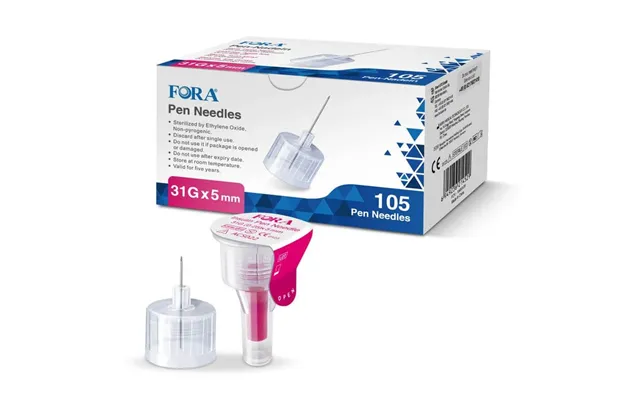
Acupuncture Needles price list
Last updated Tuesday, 13 Oct 2026
| Acupuncture Needles | Price |
|---|---|
| Fora Pen Needles 31g 5mm - Foracare Europe Gmbh | £8.30 |


Loading...
Last updated Tuesday, 13 Oct 2026
| Acupuncture Needles | Price |
|---|---|
| Fora Pen Needles 31g 5mm - Foracare Europe Gmbh | £8.30 |
Thinking about acupuncture needles and not sure where to start? You’re not alone. Whether you’re a student practitioner building your first kit, a clinic manager restocking for a busy week, or a wellness fan exploring alternatives like acupressure, choosing the right acupuncture needles can feel overwhelming. With so many sizes, coatings, handle styles, and packaging options, it pays to understand the basics—and to compare offers before you buy. The good news? Quality needles are more accessible than ever, with popular offers and clear price lists available across the UK.
In this friendly guide, we’ll break down the types of acupuncture needles, how sizing works, what affects comfort, and which features matter most for performance and safety. We’ll also touch on convenient alternatives (like ear seeds and acupressure tools) for those seeking at-home wellness without puncturing the skin. Ready to make sense of it all? Let’s dive in.
Acupuncture needles are ultra-fine, sterile, single-use tools designed for precise insertion into the skin at specific points. They’re engineered to minimize resistance and maximize control, helping professionally trained acupuncturists deliver targeted stimulation with minimal discomfort. Unlike hypodermic needles used for injections, acupuncture needles are much thinner and more flexible, and many are designed to be inserted via a guide tube for extra comfort and accuracy.
When you’re comparing acupuncture needles, everything from the metal to the coating can influence how the needle feels going in and how easily it handles during treatment. That’s why many practitioners are selective about their preferred brand, material, and gauge. If you’re browsing a price list or checking popular offers, knowing these differences can help you prioritize value without sacrificing quality.
Quality may sound like a buzzword, but with acupuncture needles it directly impacts your experience. A well-made needle glides more smoothly, bends predictably, and maintains a sharp tip for the single use it’s designed for. That means less resistance on entry and a more consistent feel in the hand—especially important during delicate needling techniques.
High-quality needles can also reduce the “drag” sensation some patients notice with lower-grade products. Features like polished tips and silicone coatings (more on that soon) can make a noticeable difference. For clinics, this consistency helps maintain a reliable standard of care. For students, it boosts confidence. And for anyone comparing offers, it’s a reminder that the cheapest box isn’t always the best value.
Not all acupuncture needles are created equal. Differences include the core metal, whether the tip is lubricated, handle style, and whether a guide tube is included. Each of these details can influence how the needle feels and performs. Let’s quickly unpack the most common options so you can read product descriptions like a pro.
Most modern acupuncture needles use medical-grade stainless steel for strength, corrosion resistance, and consistency. Stainless steel offers a great balance of flexibility and control, which is why you’ll see it on nearly every popular offer in the UK. Some needles feature alternate metal accents on the handles, such as copper-wrapped coils or aluminum finishes, but the shaft—the part that matters most—tends to be stainless.
Apart from aesthetics, the main advantage of stainless steel is reliability. It holds a fine tip well, resists bending when used as intended, and maintains sterility through packaging and transport. When comparing price lists, stainless steel is the baseline; improvements in tip polishing, heat treatment, and coating usually account for differences in cost and comfort.
Silicone-coated needles are designed to glide more smoothly through the skin, which many practitioners and patients prefer for comfort. The ultra-thin film reduces friction as the needle enters and is especially appreciated at higher gauge numbers (thinner needles). Uncoated needles, on the other hand, provide a more tactile feel that some experienced acupuncturists like for detailed techniques. If you’re new, you’ll likely find silicone-coated options more forgiving and comfortable.
Handle styles affect grip, weight, and control. Copper coil handles are traditional and lightweight, offering good tactile feedback during rotation. Stainless-steel loop handles feel sturdy and precise, ideal for practitioners who want consistent balance. Plastic handles often allow color-coding by size, making it easy to grab the right needle at a glance. There’s no one “best” option—choose the handle that feels stable and intuitive in your hand.
Many acupuncture needles come individually packaged with a guide tube. The tube helps position the needle and reduce skin sensation at the entry point. This is great for comfort and consistency, especially in busy clinics or for new practitioners. Freehand needles offer more speed and a traditional feel but require more experience to insert comfortably. If comfort and accuracy are your priorities, needles with guide tubes are usually worth the slightly higher price.
Acupuncture needle sizing includes two main elements: gauge (diameter) and length. Gauge numbers can be a bit counterintuitive—the higher the gauge, the thinner the needle. Common gauges range roughly from 40G (about 0.006 inches) to 30G (about 0.012 inches). Lengths typically span from about 0.5 inches up to around 3 inches, depending on the body area and technique. If you’re scanning a price list, you’ll often see multiple gauges and lengths available in the same product series.
Here’s a quick feel for gauge in inches: around 40G is roughly 0.006 inches in diameter, 36G about 0.008 inches, 32G about 0.010 inches, and 30G about 0.012 inches. Thinner needles tend to feel gentler on insertion, which can be helpful for sensitive areas or new patients. Slightly thicker needles offer a firmer feel and can be easier to handle for techniques that involve rotation or manipulation. Many clinics keep at least two gauges on hand to match different needs.
Shorter needles, around 0.5 to 1 inch, are common for areas with less soft tissue or where a shallow approach is preferred. Medium lengths, about 1 to 1.5 inches, are versatile for many body regions. Longer lengths, around 2 to 3 inches, are typically reserved for experienced practitioners and deeper needling techniques where appropriate. If you’re building a starter kit, a mix of 1-inch and 1.5-inch needles in two gauges covers a surprising amount of day-to-day work.
Ear acupuncture often uses tiny intradermal or press-type devices rather than full-length needles. These are designed for very shallow stimulation and may come on adhesive patches to help hold them in place. If you’re browsing offers, look for clear descriptions that mention “ear,” “press,” or “intradermal” so you know you’re getting the right format. They’re small, discreet, and intended for very specific protocols in trained hands.
Sterility is non-negotiable. Reputable acupuncture needles are individually sealed and sterilized, often using gas sterilization, then marked with lot numbers and expiration dates. This makes tracking and quality assurance simple. When you look at a product page or price list, scan for “sterile,” “single-use,” and “individually blister-packed” to confirm the basics are covered.
Packaging also impacts convenience. Individually tubed needles speed up workflow and reduce cross-contamination risk. If you’re running a busy clinic, the time saved during each treatment adds up fast. For students, individually packaged options simplify learning and instill good habits right from the start.
Product labels should clearly show the sterilization method, lot number, and expiration date. Protective seals should be intact, with no tears or punctures. If the packaging looks compromised, it’s not worth the risk—discard and move on. Keeping a clean, organized storage area makes it easier to rotate stock and check dates at a glance.
Acupuncture needles are single-use devices. After use, they belong in an approved sharps container—no exceptions. Never attempt to clean or reuse them. Clinics typically follow local regulations for sharps disposal; if you’re a student or practitioner working in a new setting, confirm your disposal plan before the first treatment. Safety isn’t complicated, but it does require consistency.
Only trained professionals should perform needling. Proper education covers anatomy, clean technique, depth and angle selection, and safety protocols that protect both practitioner and patient. If you’re curious about acupuncture for personal wellness, consult a qualified acupuncturist rather than attempting needling yourself. It’s not just about inserting a needle—it’s about doing it correctly and safely within a holistic treatment plan.
Prefer at-home wellness options you can use without puncturing the skin? Good call. You have plenty of alternatives that tap into similar principles with zero needles: acupressure tools, ear seeds, gua sha tools, and cupping sets. Let’s look at a few of those.
Acupressure tools apply pressure instead of puncturing the skin. Handheld acupressure devices and mats target broad areas like the back or legs. While they don’t replicate a trained acupuncturist’s technique, they can be a helpful option for general relaxation and routine self-care. If you’re browsing offers on a comparison site, you’ll find acupressure kits packaged with guides that explain how to get started safely.
Ear seeds are tiny pellets placed on specific points of the ear using adhesive. They’re non-invasive and can be worn for short periods as directed by a trained professional. Gua sha tools help with scraping techniques along soft tissue, and cupping kits create suction for localized stimulation. If you’re shopping beyond acupuncture needles, these categories are often listed alongside them and can complement a wellness routine at home.
What drives the price of acupuncture needles? Several factors: metal quality, tip polishing, silicone coating, handle material, inclusion of guide tubes, sterility and packaging, and brand reputation. Boxes that include individually sealed, silicone-coated, guide-tube needles will typically cost more than basic, uncoated options. Still, value doesn’t always mean the lowest sticker price; it’s the balance of comfort, consistency, and convenience for your workflow.
If you’re sifting through popular offers, watch for bulk discounts, mixed-size packs, or subscription savings that help keep long-term costs predictable. For clinics, those small per-box savings can have a big annual impact. Students might prefer sampler packs to explore gauges and lengths before committing to a larger quantity.
Because the UK market is competitive, comparison sites make it easy to scan price, features, and availability across different retailers. On a comparison site like ZoneOffer, you can quickly line up options side-by-side to judge value at a glance—without treating the platform as a store, because it isn’t one. That saves time and helps you spot deals on the exact needle specs you rely on, from gauge to handle style to whether guide tubes are included.
Ordering multiple boxes at once can reduce your per-needle cost, especially if you consistently use the same sizes. Just remember to rotate stock so the oldest boxes get used first. Keep an eye on expiration dates, and store boxes in a cool, dry place away from direct sunlight. A tidy shelf is more than a nice-to-have—it prevents waste and ensures you always have the right gauge and length within arm’s reach.
What’s new and noteworthy in acupuncture needles? Manufacturers continue refining tip polishing for smoother entry, enhancing silicone coatings for glide, and color-coding handles for quick size recognition. Many practitioners appreciate ergonomic handle designs that improve control without adding bulk. These small touches make daily use more comfortable and efficient, especially during back-to-back sessions.
Eco-conscious packaging is also gaining traction. Some brands now offer reduced-plastic packs or recyclable elements, and you may see clearer labeling to support responsible disposal. Comfort innovations, cleaner labeling, and better organization features tend to be worth a modest premium, particularly in busy clinical settings where seconds count.
If you’re building a kit from scratch, start with two gauges (for example, a thinner and a standard option) and two lengths that cover common applications, such as 1 inch and 1.5 inches. Add a set of longer needles (about 2 inches) only when you’re confident and trained to use them appropriately. Include a reliable sharps container, alcohol swabs, cotton, and clean field supplies for safe handling and disposal.
For clinics, it’s handy to keep silicone-coated needles with guide tubes as your default, plus a small stock of uncoated needles for specific techniques. Color-coded handles simplify workflow, especially when multiple practitioners share the same room. When you find a combination that works, take advantage of bulk offers to stabilize costs over the year.
Store needles in their original packaging in a clean, dry cabinet or drawer, away from moisture and direct heat. Don’t open pouches until you’re ready to use them, and inspect seals as you go. If you see any damage or the pouch doesn’t feel firmly sealed, discard the needle—even if it looks fine inside. Better safe than sorry.
During treatments, set up an organized tray: unopened needles, clean cotton, alcohol swabs, and a clearly labeled sharps container within reach. This reduces fumbling and keeps your focus where it belongs—on your patient and your technique. After use, dispose of needles immediately. Never leave them on trays or carts, and never recap them.
When you’re reviewing a product page or price list, prioritize clarity. Look for gauge and length in inches, handle type, coating, inclusion of guide tubes, sterility details, packaging format (individually blister-packed is ideal), and lot/expiration info. If any of these details are missing, keep scrolling—there are plenty of options with full transparency.
Don’t overlook verified reviews. While preferences vary by technique and patient profile, repeated mentions of comfort and consistency are good signs. If reviewers call a needle “grabby” or “draggy,” consider a thinner gauge or silicone-coated option next time. Your goal is a smooth glide and reliable feel, session after session.
A skilled acupuncturist tailors each session to the individual, drawing on traditional frameworks and modern insights. If you’re new to acupuncture, booking a consultation with a qualified professional is the safest and most direct way to figure out whether it fits your goals. A good practitioner will walk you through what to expect, discuss comfort preferences (like thinner needles), and keep you informed at every step.
If you’re a trained practitioner, the right needles help you deliver on your standard of care. Keep your go-to sizes stocked, test emerging options in small quantities before switching, and use comparison tools to stay on top of popular offers as prices shift across the UK market.
Acupuncture needles might look simple, but the details matter: gauge, length, coating, handle style, and packaging all shape comfort and control. Whether you’re browsing popular offers, reviewing a price list, or building a clinic kit, prioritize sterile, single-use needles with transparent labeling and reliable performance. If you’re not a trained professional, stick to non-invasive alternatives like acupressure tools, ear seeds, gua sha, and cupping for at-home wellness. And when you’re ready to compare options efficiently, use a UK-focused comparison site to line up features and prices side-by-side—so you get great value without compromising on quality.