
Bed Pans price list
Last updated Friday, 18 Sept 2026





View 5 Offers


Loading...
Last updated Friday, 18 Sept 2026
Bed pans are simple, essential tools that make toileting possible when getting to a bathroom isn’t safe or practical. Whether someone is recovering after surgery, managing a long-term condition, or caring for a loved one with limited mobility, the right bed pan can make daily life more dignified, cleaner, and easier. In the UK, you’ll see a wide range—from sturdy stainless steel models to lightweight plastic and pulp options—each designed to solve a slightly different problem. The trick is knowing which style matches your needs and how to compare deals smartly across retailers using trusted comparison platforms.
Think about short-term recovery after hip surgery, a high-risk fall period after a stroke, or longer-term conditions that limit transfers. For some, a bed pan reduces pain and risk; for others, it’s about independence when getting to the bathroom at night is complicated. Carers also benefit: fewer heavy transfers, better hygiene control, and faster cleanup. If you’re weighing options, consider the user’s mobility, weight, skin sensitivity, and the care setting—hospital-like precision or home-style convenience—and match the bed pan’s shape, material, and size to those realities.
Not all bed pans are created equal. Designs vary to accommodate different body shapes, comfort levels, and medical needs. The main categories you’ll encounter are standard bed pans, fracture bed pans, and bariatric bed pans. You can also choose between reusable and disposable solutions, and many people combine a reusable pan with single-use liners to strike a balance between hygiene and long-term value. Understanding the pros and cons of each type will save you money and frustration, and help you pick a model that actually fits your daily routine.
Standard bed pans are the everyday workhorses. Typically oval and gently tapered, they’re designed to slide under the body with minimal discomfort. Look for a smooth, rounded front edge and a raised back to prevent spills. Many hold around 2 to 3 quarts and have a lip that’s comfy for prolonged sitting. If the user can lift hips a few inches or roll slightly, a standard pan is often the easiest, most budget-friendly choice, and it’s widely available in both plastic and stainless steel.
Fracture bed pans, sometimes called slipper pans, feature a very low profile on one side. That low entry point makes a huge difference if the user can’t raise their hips or has severe pain when moving. They’re popular after hip, pelvic, or spinal injuries. While they’re smaller and shallower than standard pans, good models still provide a secure, no-splash rim and a comfortable seat area. If pressure points are a concern, pair a fracture pan with a soft underlay to reduce shear and friction.
Bariatric bed pans are built with reinforced structure and a wider opening to support heavier users more safely and comfortably. The shape matters: a broader seat distributes weight better, helping reduce pressure spots. Many bariatric options include contoured sides, a secure handhold for carers, and a high-capacity bowl. Check the manufacturer’s stated weight capacity in pounds and the seat width in inches, and verify the pan sits flat without flexing. Stability is key to comfort and confidence.
Reusable bed pans are cost-effective over time and feel sturdy, but they require thorough cleaning and disinfection. Disposable pulp or cardboard pans, or disposable liners used with a reusable pan, simplify cleanup and reduce infection risk—just seal and bin according to local guidance. If you’re caring for someone with a contagious illness or you’re in a setting with limited cleaning facilities, disposables can be a sanity-saver. Many households use a hybrid approach: a durable plastic or steel pan plus disposable liners for mess-free days.
Material affects comfort, cleaning, durability, and price. Stainless steel lasts for years and tolerates strong disinfectants. Plastic is lighter, warmer to the touch, and usually more affordable. Pulp or cardboard is single-use, offering convenience and excellent hygiene control. There isn’t a single “best” material—just the right fit for your situation. Consider temperature sensitivity, the user’s skin, the cleaning products you’ll use, and whether you need a pan that looks more homelike or more clinical.
Stainless steel bed pans are tough, stack neatly, and stand up to hot water and hospital-grade disinfectants. If you’re planning long-term use or a multi-user environment, steel is hard to beat. The trade-off? Steel can feel cool on contact. Warm it slightly before use by rinsing with warm water, then drying thoroughly. Also check for rolled edges and a smooth finish—no seams or ridges that could irritate skin or trap residue. A quality steel pan can last for years with proper care.
Plastic bed pans are lighter to lift, quieter to handle, and usually warmer to the touch. Good models use high-impact plastics that resist staining and warping. Look for non-porous finishes, molded handles for carers, and lids that snap on securely for transport. If you’re choosing plastic, verify that it tolerates your preferred disinfectant and warm water without clouding or cracking. Plastic makes sense for home care thanks to cost and comfort, and there’s a wide range of colors and shapes to suit personal preferences.
Pulp bed pans and disposable liners are simple, effective, and time-saving. Slip a liner into a reusable pan or use a pulp pan on its own, then seal and dispose after use. This approach cuts down on odors and helps prevent cross-contamination. Some liners include absorbent pads that gel liquids, making transport safer and reducing splash risk. For carers juggling multiple tasks, disposables can make daily routines faster and more sanitary without investing in specialized washers or strong chemicals.
Beyond type and material, a few features make everyday use more comfortable and less stressful. Pay attention to seat contour and edge shape, capacity in quarts, a leak-resistant lid, and how easily the pan slides under the user. If the pan will travel—say, between bedroom and bathroom—check for a well-fitting cover and a handle you can grip with one hand. If skin integrity is a worry, prioritize pans with smooth, rounded edges and pair them with a barrier cream routine.
The most comfortable bed pans share one trait: gentle curves. Rounded front edges allow a smoother entry under the hips, and a raised back edge supports posture while reducing spill risk. Some models include slight side flares that distribute pressure across a wider area, which can help during longer sittings. If the user is petite, check the seat opening in inches; if they’re broader, look for wider seats that prevent pinching. The right fit can be the difference between dread and a routine task.
Spills are messy and stressful, especially at night. A good lid snaps tight and stays put during carrying. Look for channels or rims designed to direct liquid inward, and a stable flat bottom to prevent tipping. If odors are a concern, odor-seal liners or gel pads can trap smells before they spread. Some lids include a small pour spout for clean, controlled emptying. It seems small, but these details turn a tricky chore into a quick, confident process.
Capacity matters for comfort and safety. Most standard bed pans hold around 2 to 3 quarts, while fracture pans may hold less due to their low-profile design. Match capacity to the user’s needs and consider any medications that might increase urine output. Also check length and width in inches to make sure the pan fits the user and your storage space. A longer pan can be more stable under the thighs, while a shorter pan may be easier to position in tight spaces.
Using a bed pan doesn’t have to be awkward. Preparation helps: gather gloves, wipes, a protective pad, toilet tissue, and a bagged liner or lid if needed. Communicate what you’re doing and encourage the user to help by bending knees or rolling if possible. Work slowly and keep movements smooth. If the user has pain, time your positioning with their breathing. When finished, manage cleanup immediately and provide skin care to maintain comfort and dignity.
If the user can bend knees, have them press through their heels to lift hips a few inches while you slide the pan beneath. If not, a gentle log-roll onto one side, placing the pan against the back, then rolling back onto it can work well. Keep a protective pad under the pan to catch drips. Ensure the raised back of the pan is aligned under the buttocks and the front edge is not digging into the thighs. Always check comfort before stepping away.
Friction and moisture are the enemies of healthy skin. Use a moisture barrier cream after cleansing, especially if the user will sit on the pan more than a couple of minutes. If they’re at risk of pressure injuries, consider a soft underpad or a thin gel cushion designed for medical use. Keep sessions brief and never leave someone unattended if they’re unsteady. Clean and dry the area carefully—pat, don’t rub—to avoid irritation, and monitor any redness closely.
Cleanliness is non-negotiable. After each use, empty the contents, rinse with warm water, wash with a disinfectant-safe detergent, then disinfect per product instructions. Pay attention to seams, under the rim, and handle areas. Let everything air dry or dry with dedicated towels. For odor control, use sealed liners or add a gel pack that traps liquids. Store the pan in a ventilated area, and keep cleaning supplies within arm’s reach so you can reset quickly and confidently after each use.
Make a simple routine: gloves on, empty carefully, rinse, wash, disinfect, rinse again if required, dry, then store. Follow the disinfectant’s contact time to ensure it actually works—cutting corners here is like locking the door but leaving the window open. Stainless steel tolerates stronger agents and warmer water; plastic needs gentler products to avoid clouding. If you use disposable liners, your workflow gets faster, but still wipe the pan’s surfaces and let them dry before the next use.
Odors come from trapped residues and poor airflow. Line the pan, seal waste promptly, and pour away with a controlled spout or steady tilt. Use odor-seal liners or gel pads for extra insurance. Store the pan with a lid or in a discreet caddy, and refresh the area with a mild, healthcare-safe deodorizer. Simple hacks help too: keep a pack of wipes and a trash bag with a tie handle by the bedside so nothing lingers longer than it has to.
Bed pans are often part of a bigger home care setup. Portable urinals, bedside commodes, incontinence pads, and waterproof mattress protectors can reduce stress and make routines smoother. If transfers are tricky, slide sheets and lifting aids cut the strain on carers and reduce the risk of injury. Pair your bed pan with the right extras and you’ll create a streamlined, safer care environment that works day and night without constant improvisation.
For users who mainly need help with urination, a handheld urinal can be faster and more comfortable than a full bed pan. Options include spill-proof models with caps and angled necks that are easier to position. Some have glow-in-the-dark markers for low-light use, and wide bases to avoid tipping. They’re easy to rinse, store discreetly, and can cut nighttime trips to the bathroom—especially useful if the user wakes frequently or has limited stamina.
If the user can stand and pivot with support, a bedside commode is a great middle ground. It reduces the distance to the toilet, offers armrests for leverage, and usually includes a removable bucket with a lid. Seat height adjustability matters—set it so knees and hips are level for easier transfers. Liners simplify cleanup, and padded seats improve comfort. Many commodes double as toilet risers by removing the bucket and placing the frame over a standard toilet.
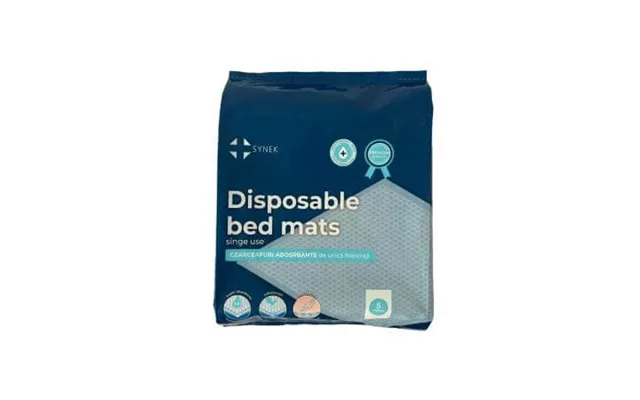
No one wants surprise spills. High-absorbency pads, mattress protectors, and washable underpads keep bedding safe and speed up cleanups. If you’re using a bed pan at night, place a reusable underpad under the hips to catch drips and protect sheets. Waterproof pillow protectors and duvet covers add another layer of security. The goal isn’t perfection; it’s making life easier, cleaner, and less interruptive for everyone involved.
Start with the user’s mobility. Can they lift hips a few inches or roll to the side? If yes, a standard or plastic model with a comfy rim may be ideal. If not, a fracture pan’s low lip is kinder. If the user is heavier or broader, a bariatric pan with a wider seat will feel safer and more supportive. Next, decide between reusable or disposable solutions based on your cleaning setup and time. Finally, compare features and prices across retailers to lock in value.
After hip or spine surgery, comfort is everything. A fracture bed pan minimizes movement, while a soft underpad reduces friction. If your surgeon or physio has movement restrictions, choose a design that aligns with those guidelines—low-profile, easy to slide, and stable. Disposable liners can be helpful in the first few weeks when energy is low and hygiene needs are high. As mobility improves, you can reassess and switch to a standard pan if it’s more comfortable.
During late pregnancy or early postpartum, getting to the bathroom may be tough, especially after a C-section. A standard plastic bed pan with a gentle rim can offer temporary relief without heavy lifting. Prioritize comfort and stability over maximum capacity. A portable urinal can also be handy for nighttime use, reducing the number of full transfers. Keep wipes, tissues, and a lined trash bag nearby so nothing turns into a midnight marathon.
Prices vary widely depending on material, capacity, and brand. Stainless steel often costs more upfront but can last for years. Plastic is budget-friendly and comfortable, and disposables add convenience at a per-use cost. To save, compare across multiple retailers and check multi-pack deals for liners, wipes, and odor control. Look for bundle offers that pair a pan with a lid and liners—it’s usually cheaper than piecemeal buying. Reading real-world reviews helps separate marketing claims from daily reality.
Comparison platforms such as ZoneOffer are designed to help you scan multiple retailers at once, spot genuine discounts, and filter by features that matter to you—like capacity, seat width, or materials. Because ZoneOffer is a comparison site, not a store, it points you to sellers offering the products you want at competitive prices. That saves time and makes it easier to judge value beyond the sticker price by weighing reviews, features, and bundle options side by side.
Specs reveal a lot: look for capacity in quarts, seat dimensions in inches, and stated weight ratings in pounds for bariatric models. User reviews often highlight comfort, real durability, and whether lids truly resist leaks. Hospital-style certifications can be reassuring, but don’t ignore practical details like how easy the pan is to slide into place. A minute of reading can spare you weeks of frustration, so take your time and compare carefully before clicking through to buy.
A few low-cost add-ons can transform your routine. Consider disposable liners with gel tech to lock in liquids, no-rinse cleansers for quick skin care, and odor-seal bags for discreet disposal. A small caddy by the bedside holds gloves, wipes, and barrier cream so everything’s ready when needed. If handling is tricky, look for pans with built-in handles and textured grips. When your tools work with you, care gets faster, safer, and a lot less stressful.
If rolling or lifting is painful, a slide sheet reduces friction and makes repositioning smoother for both user and carer. Pair it with a low-profile fracture pan to minimize movement. Always move slowly, support major joints, and keep communication open. Little tweaks—like placing the pan at the right angle before the roll—can prevent multiple attempts and reduce stress for everyone.
Choose a lid that locks securely and a pan with a controlled pour edge or add-on spout. After use, seal it, empty without splashing, rinse, and store discreetly in a lidded caddy. That small routine keeps bedrooms feeling like bedrooms, not clinical spaces. When gear blends into the background, daily life feels normal again—and dignity stays front and center, where it belongs.
Dealing with spills, discomfort, or resistance from a loved one? These are common roadblocks. Often, the fix is sizing or shape: a wider seat prevents pinching, a fracture pan eases sliding, and liners curb odor worries. If spills persist, double-check lid fit and capacity. If the user dreads the process, try warming the pan with a quick rinse, add a soft underpad, and keep supplies at arm’s length so everything moves quickly and smoothly. Small adjustments add up.
Metal can feel chilly, and even plastic can be uncomfortable at first touch. Warm the pan briefly with a warm water rinse and dry it fully. A thin, disposable liner adds a soft barrier between skin and surface. For longer sits, use a skin-safe barrier cream and limit time on the pan. Comfort encourages cooperation, and cooperation makes the whole routine quicker and cleaner.
Persistent leaks usually mean a lid that doesn’t fit well, a pan that’s too full, or hurried positioning. Try a larger capacity pan, snap the lid firmly, and work more slowly during the roll or lift. For odors, sealed liners with absorbent gel help, as does immediate disposal in tie-handle bags. Store cleaning supplies close by so you never delay cleanup. A tidy setup is half the battle.
Worried about the environment and your wallet? A stainless steel or high-quality plastic bed pan can last for years with proper care, reducing long-term waste. Pair it with biodegradable liners and responsible disposal habits to balance convenience with sustainability. Compare total cost of ownership: a reusable pan plus liners may beat all-disposable solutions over months, while still delivering excellent hygiene and speed when you need it most.
There’s no single right answer. If time and infection control are top priorities, disposable liners pay for themselves in reduced cleanup. If budgets are tight, invest in a durable reusable pan and buy liners for travel, illness spells, or overnight use. By mixing and matching, you tailor care to real life rather than forcing real life into a one-size-fits-all plan.
Choosing a bed pan is about more than grabbing the first model you see. When you match the type—standard, fracture, or bariatric—to the user’s body and mobility, pick a material that fits your cleaning setup, and add clever accessories like liners and lids, daily care gets simpler and more dignified. Compare prices and features across retailers with a trusted comparison site to find real value, not just low numbers. With the right setup, a task that once felt daunting becomes just another small, manageable routine in a day that still feels like yours.