

Body Fat Analyzers price list
Last updated Monday, 19 Oct 2026





View 23 Offers



Loading...
Last updated Monday, 19 Oct 2026
Let’s be honest: stepping on a regular scale can feel like a coin toss—up one day, down the next, and no clue why. Body fat analyzers change the game by telling you what your weight is made of. Instead of obsessing over a single number, you’ll see whether you’re dropping fat, building muscle, or holding extra water. That’s real insight. If your goal is to get leaner, stronger, and healthier (not just lighter), a body fat analyzer gives you the clarity traditional scales simply can’t. And yes, they’re affordable, easy to use at home, and the data is genuinely useful when you track it over time.
Body fat analyzers typically estimate your body fat percentage (the star of the show), but many also estimate muscle mass, body water, bone mass, metabolic age, and visceral fat (the deeper fat around your organs). Think of it like a budget breakdown for your body. High muscle with steady or falling fat? That’s a win—even if the scale weight doesn’t plummet. Visceral fat, in particular, matters for long-term health and is worth watching. A small weekly nudge downward adds up. When you track these metrics together, your progress becomes obvious, and your plan becomes a lot more strategic.
Most home devices use bioelectrical impedance analysis (BIA). You step on a scale, a safe, low-level current zips through your body, and the device measures how easily it travels. Lean tissue (with more water) conducts electricity better than fat tissue, so the scale estimates your composition using validated formulas. Here’s the catch: hydration affects conductivity. That’s why measuring at the same time each day, under similar conditions, is crucial for consistent trends. While no home device is perfect, good analyzers are impressively consistent—so you can trust the direction of change, which is what matters most.
Foot-to-foot smart scales are the easiest and most popular, analyzing your lower body and estimating the rest. Handheld analyzers send current through your arms. Some devices combine both to measure multiple pathways, improving estimates. Old-school skinfold calipers can be accurate with practice, but they’re technique sensitive and not everyone loves pinching. For most households, a quality BIA smart scale offers the best blend of convenience, features, and consistency. If you want an even richer picture, choose models with additional electrodes (handles or four-point sensors) or multi-frequency technology.
The UK market is loaded with options, from wallet-friendly Bluetooth scales to premium Wi‑Fi models that track trends automatically. You’ll see brands like Withings, RENPHO, Eufy, Garmin, Tanita, Omron, FITINDEX, and others competing on accuracy, features, and app quality. The right pick depends on how deep you want to go with data, how many people will use it, and whether you want Wi‑Fi convenience or Bluetooth simplicity. Let’s break down some standouts.
If you’re a data lover who appreciates clean design, Withings is a fan favorite. The Body+ and Body Comp deliver body fat percentage, muscle mass estimates, water percentage, and more, with automatic Wi‑Fi sync so your weigh-ins show up in the app without your phone nearby. Multiple user profiles are handled smartly, and the app makes trends easy to digest with clear graphs. Platform size is generous, stability is solid, and capacity typically reaches around 396–400 lb. If you want a premium feel and reliable tracking without fiddling with Bluetooth every morning, Withings is tough to beat.
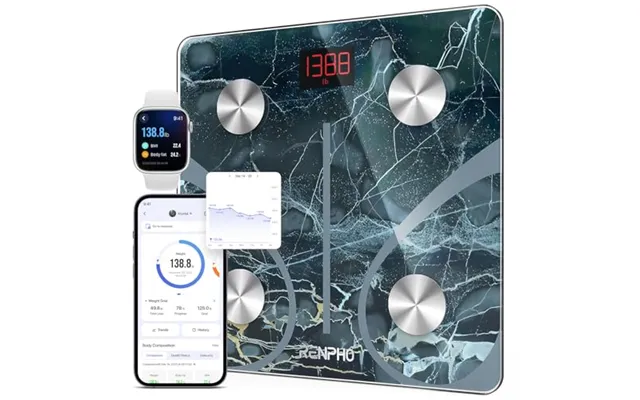
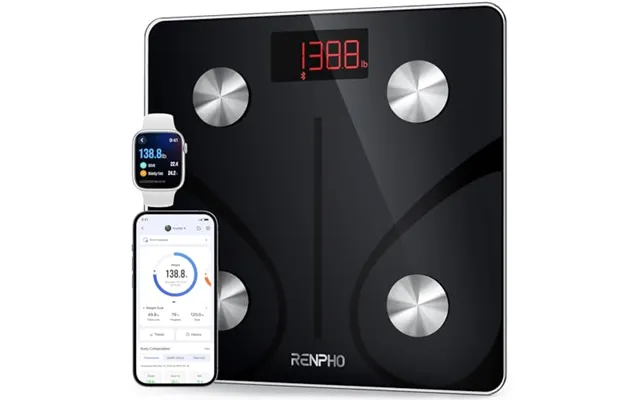
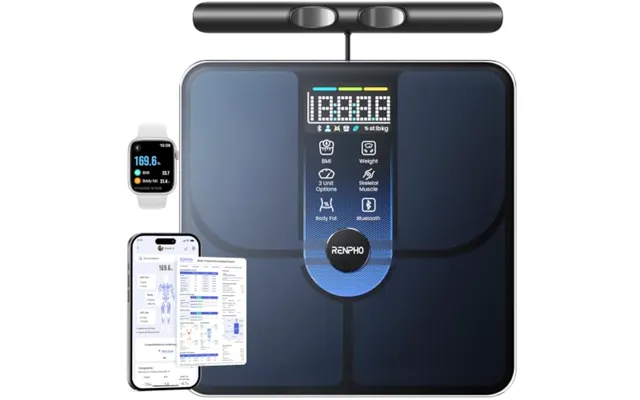
On a budget but still want detailed composition data? RENPHO is a strong pick. Their Bluetooth scales punch above their price with a quick app setup, multiple user profiles, and a surprisingly rich dashboard that includes body fat percentage, muscle mass estimate, water percentage, and more. Capacity usually hovers around 396–400 lb. You don’t get Wi‑Fi, but you do get consistent readings, dependable build quality for the price, and smooth syncing. For many households, RENPHO offers all the data they need without the premium price tag.
Eufy’s smart scales often sit in that sweet spot between affordability and polish. The P2 and P1 models are known for quick, reliable measurements, a clean app experience, and solid support for multiple users. You’ll get body fat percentage, BMI, muscle mass estimate, and water percentage, along with easy integrations with major health platforms. Build quality feels sturdy, the platform is low-profile, and the scale wakes quickly. If you want a smooth, no-drama experience that just works, Eufy is a safe bet.
If you live in the Garmin ecosystem, the Index S2 makes your data life seamless. It pushes composition metrics straight into Garmin Connect, so you can view body fat trends alongside runs, rides, and sleep data. It’s a Wi‑Fi scale with a bright display, clear graphs, and thoughtful multi-user support. If you love digging into stats or you’re training for events, that unified data view can be a game-changer. Yes, it’s on the premium side, but the integration is first-class.
Tanita basically wrote the book on home body composition analysis. Their scales are built to last, and mid-to-premium models often feature advanced BIA and multi-frequency tech, which can help with more nuanced estimates. Omron is another trusted name; in addition to smart scales, they offer handheld analyzers that emphasize upper-body assessment. If you prefer a more clinical feel or want hardware with a reputation for durability and rigor, these brands deserve a close look.
Every brand claims accuracy and insight, but a few features truly affect your day-to-day experience. Look for stable platforms that feel secure underfoot, clear displays you can read at a glance, and user recognition that doesn’t get confused. Capacity around 396–400 lb is standard; increments of 0.2 lb are common and perfectly fine. On the software side, good trend charts beat wild single-day swings every time. And if you hate fiddling with your phone in the morning, Wi‑Fi can be a small luxury that pays off daily.
Bluetooth scales sync when your phone is nearby with the app open, which is fine if you’re hands-on. Wi‑Fi scales upload to the cloud automatically, no phone needed, so your weigh-ins are logged even if your mobile is in another room. If convenience and frictionless tracking are priorities, go Wi‑Fi. If you prefer to keep things simple and save money, Bluetooth is absolutely sufficient—just remember to open the app regularly so your data syncs.
Most households need at least two profiles, and many scales support a lot more. Good scales recognize users by weight range and historic patterns, assigning readings correctly without manual selection. Guest mode lets occasional users check their stats without adding long-term noise to your graphs. If you’ve got roommates, a partner, or kids tracking progress too, smooth multi-user support is a must-have.
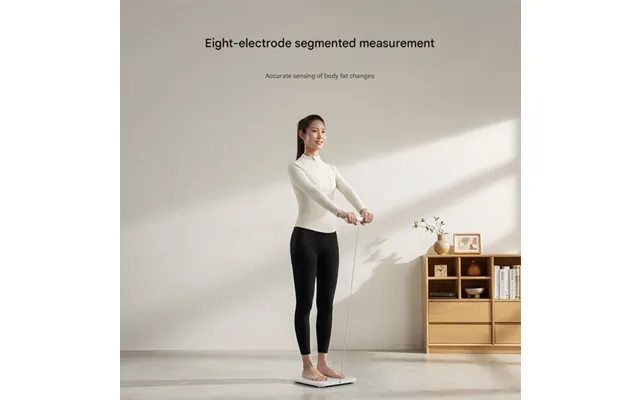
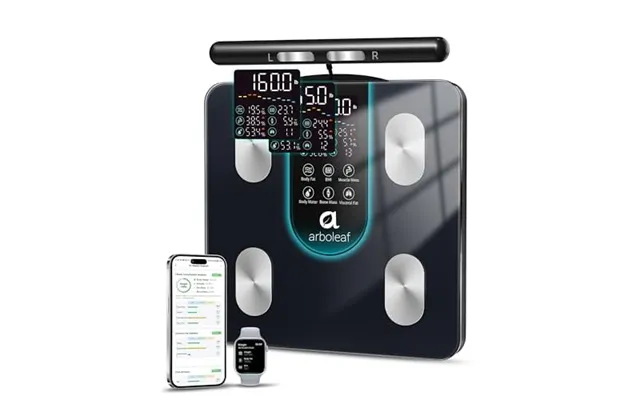
If you train hard, carry more muscle, or have a low resting heart rate, you may benefit from an athlete mode that adjusts the algorithm assumptions. Devices with multi-frequency BIA and more electrodes (including hand grips) can improve estimates for certain body types by assessing more pathways. It’s not magic—but it can help the device map your composition more realistically. The takeaway: match the tool to your physiology and training style.
Here’s the truth most brands won’t phrase plainly: even the best home analyzers estimate composition. You might see a few percentage points of variance versus a clinical method. But day-to-day consistency is where these devices shine. If your scale is well-made and you measure under similar conditions, the trends are highly meaningful. See body fat drifting down week after week? That’s progress. Catch a sudden jump after pizza night? Water and glycogen, most likely. Remember, you’re managing a whole system, not chasing a single number.
Want rock-solid trends? Measure at the same time each day, ideally first thing in the morning, after the bathroom, before food or coffee, barefoot and dry, on a hard, level floor. Avoid readings right after a workout or a hot bath—they can skew hydration and fool the algorithm. If you get an odd result, don’t panic—log it and look at the 7 to 14 day average. Over time, those averages tell the real story, and it’s the story you should act on.
Bioelectrical impedance uses a very low electrical current, but if you have an implanted medical device (like a pacemaker), always consult your clinician before using a BIA scale. Many brands advise caution or avoidance during pregnancy because the estimates can be unreliable. If you’re managing a medical condition or you’re unsure whether BIA is appropriate for you, get medical guidance first. Safety first, data second.
Growing bodies change fast, and composition formulas for adults may not translate perfectly for children or teens. Some scales offer youth modes; others recommend using weight and height tracking only. If younger family members want to track progress, focus on healthy habits, fit, energy, and performance rather than chasing body fat percentages.
Setup is simple, but a few small tweaks help a lot. Place the scale on a hard, level surface—tile or wood beats carpet every time. Pair the device by following the app steps, create profiles for each user, and double-check height and age entries in feet, inches, and years. If you’re using Wi‑Fi, connect to a stable network once and forget it. First reading a bit quirky? Step off, let the scale reset, and try again with dry feet. That’s it—you’re ready to track.
Most modern scales self-calibrate. If you move the scale, step on briefly and off again to let it reset before taking a reading. Keep the surface clean and dry for good contact with the electrodes. Replace batteries (often AAA or AA) when the display dims or readings slow down. A little care goes a long way—your scale should serve you reliably for years.
You’ll see daily wiggles—ignore them. Look at weekly and monthly trends. Body fat percentage trending down while muscle estimate nudges up? You’re doing it right. If weight stalls but fat percentage falls, you’re likely recomping—losing fat while gaining or preserving lean mass. Water percentage bouncing around after a salty meal? Totally normal. The more you learn your body’s rhythms, the calmer and more strategic you’ll become.
Healthy body fat ranges vary by age and sex, but the bigger point is pace: slow and steady wins. Many people do well targeting around 0.5 to 1.5 lb of fat loss per week, depending on starting point and goals. That might translate to small but consistent percentage drops across a month. Lifting? Expect muscle estimates to fluctuate as water shifts into recovering muscles. Stick with your routine, fuel smartly, and let the averages guide your adjustments.
The best analyzers don’t just measure—they connect the dots. Many scales sync with Apple Health, Google Fit, Fitbit, MyFitnessPal, and brand-specific ecosystems. When your weight and body fat metrics sit alongside steps, workouts, and sleep, patterns pop. Maybe your composition improves most when you hit a certain step count, or when protein intake is on point. Use the data to refine your habits, not to stress over tiny blips.
It’s your body, your data. Before you commit, check what the brand shares and how you can opt out. Most major players offer clear privacy settings, local-only modes (for Bluetooth devices), or controls to disconnect integrations. If privacy is paramount, a Bluetooth-only scale with manual exports keeps your information closer to home.
Here’s the good news: you don’t need to spend big to get meaningful insights. Budget scales like RENPHO offer excellent value and reliable trend tracking. Pay more, and you’ll usually get Wi‑Fi, nicer displays, sturdier platforms, and refined apps from brands like Withings and Garmin. Price shopping helps—deals pop up often in the UK. Use a trusted comparison site to scan offers across retailers, compare features, and time your purchase for the best value.
If your current scale feels flaky, misses users, or the app frustrates you, it may be time to move up. Athletes might benefit from multi-frequency models and better electrode setups. Households with many users often appreciate Wi‑Fi for effortless syncing. And if you’re leveling up your training, a premium device that reliably captures nuanced change can be worth every pound.
Three big culprits: measuring at random times, standing on carpet, and wet or cold feet. Fix it by choosing a morning routine, placing the scale on hard flooring, and drying your feet before stepping on. Avoid alcohol-heavy nights and high-salt dinners before “progress day” weigh-ins. If the scale shows an odd spike, don’t spiral—wait a day or two and check the trend. Remember, the goal is better decisions, not perfect numbers.
Taking your scale on the road? Give it a moment to settle on new flooring and run a quick reset by stepping on and off before the first reading. Turn on guest mode for visitors so their readings don’t mix with yours. And if you’re away from Wi‑Fi, Bluetooth scales will backfill data the next time you connect.
Smart scales are convenient, but other tools can sharpen the picture. Skinfold calipers, used correctly, can validate fat changes. A soft tape measure in inches around the waist, hips, chest, arms, and thighs can reveal shape changes that a single percentage can’t. If you’re doing a coaching program or prepping for an event, occasional clinic-grade assessments can complement home tracking. The combo approach is like checking the map and the road signs—you’ll reach your destination more confidently.
Pick a core method (a smart scale) and back it up with inches and photos every couple of weeks. That trio—percentages, measurements, and visuals—removes doubt and keeps motivation high. When all three point in the same direction, you know your plan is working. When they don’t, you’ve got enough information to adjust intelligently.
A body fat analyzer turns a vague “I want to get in shape” into a clear, trackable journey. Whether you choose a budget-friendly Bluetooth model or a polished Wi‑Fi scale, the real magic is consistency. Measure under the same conditions, watch your weekly averages, and let trends—not daily noise—guide your training and nutrition. Popular options in the UK like Withings, RENPHO, Eufy, Garmin, Tanita, and Omron all deliver dependable insights when used well. Browse offers on a reputable comparison site to find the right feature set at the right price, set it up properly, and start tracking what truly matters: your progress.