
Fertility Monitors and Ovulation Tests price list
Last updated Friday, Sep 4, 2026



View 13 Offers
Loading...
Last updated Friday, Sep 4, 2026
If you’re trying to conceive, pinpointing your fertile window can feel like decoding a secret message. The good news? Today’s fertility monitors and ovulation tests make that message much clearer. Whether you prefer simple test strips, a smart digital monitor, or a wearable that quietly tracks your cycle while you sleep, there’s a tool that fits your routine and budget. Let’s walk through the options available across the UK and how to choose one with confidence.
Ovulation is when your ovary releases an egg, and that timing drives your fertile window. Most ovulation tests detect a surge in luteinizing hormone (LH), which typically happens 24–36 hours before the egg is released. Some advanced monitors also measure estrogen metabolites (a heads-up that ovulation is approaching) and progesterone metabolites, which can confirm that ovulation likely occurred. Basal body temperature (BBT) tends to rise by about 0.5–1°F after ovulation due to progesterone, which helps confirm the fertile window in hindsight. Put simply: LH predicts, temperature confirms, and multi-hormone monitors can do both.
Think a positive ovulation test guarantees pregnancy? Not quite. It means you’ve likely hit your fertile window, not a sure result. Another myth: all cycles are 28 days—many aren’t. And no, more expensive doesn’t always mean more accurate for your unique body. The real win is finding a system you’ll use consistently.
Different tools suit different lifestyles. Prefer a minimal, low-cost routine? Classic LH strips might be your sweet spot. Love data and charts? A multi-hormone analyzer could be worth it. Work night shifts or sleep lightly? A wearable that adjusts to your rhythm may fit best.
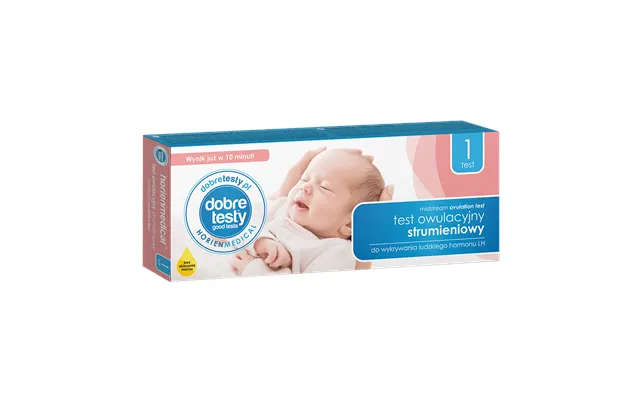
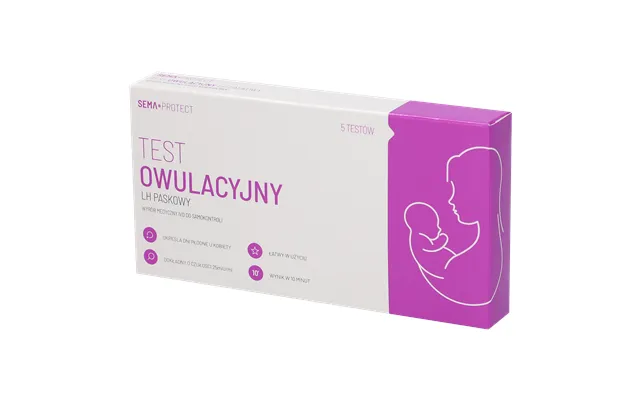
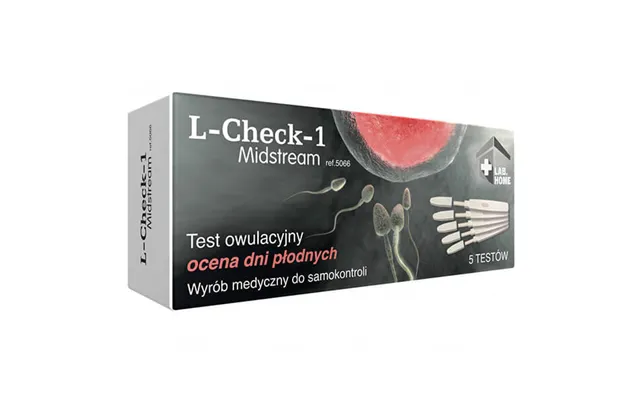
LH strips are the tried-and-true option. You dip a strip into urine (usually in the afternoon), wait a few minutes, and compare the lines. When the test line matches or surpasses the control line, you’re likely in your surge. Strips are affordable, plentiful, and easy to stock. The catch? You’ll need to read the lines carefully and test consistently around your expected fertile window. Many packs include extra strips so you can start testing several days before ovulation to avoid missing the surge.
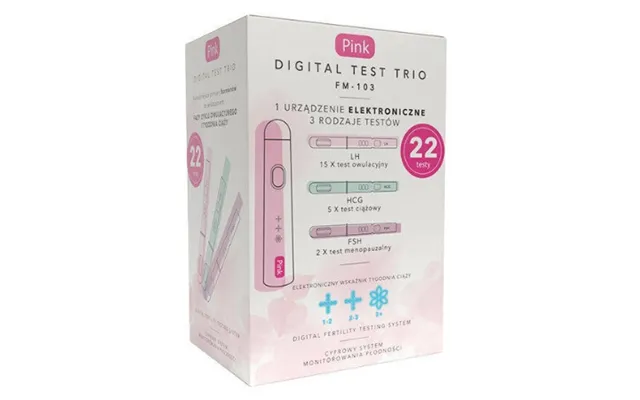
Digital tests take the line-reading out of your hands and display a simple symbol or message when the surge is detected. They’re a great middle ground if you like clarity without committing to an app ecosystem. Some models track both estrogen and LH to flag “high” and “peak” fertility. Expect to pay a bit more per test than strips, but the peace of mind can be worth it if you dislike squinting at lines.
These systems analyze multiple hormones at home, giving you a richer picture of your cycle. They often use single-use test wands or strips and sync with an app for trend graphs and predictions. You’ll typically get a longer “high fertility” window and better pinpointing of “peak” days, plus insights like whether your LH surge looks strong or whether progesterone appears after ovulation. They’re more of an investment but can be powerful for irregular cycles or when you want detailed feedback.
If alarms and thermometers aren’t your style, a wearable device that measures skin or core-adjacent temperature during sleep can automatically map your post-ovulation rise. These are great for identifying patterns over time and building a tailored cycle prediction model. Many pair with apps that learn your unique rhythm, adjusting predictions even if your schedule is unpredictable.
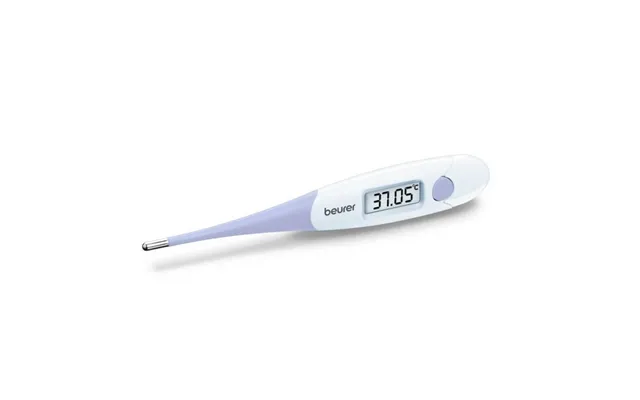
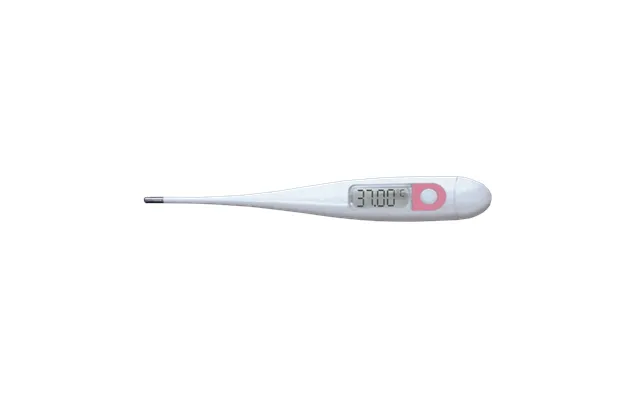
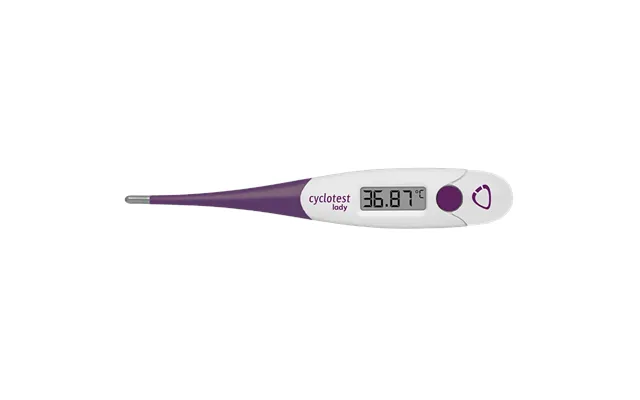
A basal thermometer is simple and effective when used consistently. Take your temperature first thing each morning before getting out of bed and log it in an app. Over a few cycles, you’ll see a clear shift after ovulation. While BBT won’t predict ovulation in advance, it’s one of the best ways to validate that ovulation likely happened. If you enjoy routine and tracking, it’s a low-cost winner.
Saliva ferning microscopes claim to show crystal-like patterns when estrogen peaks, signaling approaching ovulation. Some people love them, others find them tricky. They’re reusable, which is a plus, but they require good technique and practice to interpret.
Trying to conceive is a team effort. At-home semen analysis kits can estimate key metrics like motile sperm concentration through a smartphone attachment or reader. If you’ve been focusing solely on ovulation timing, adding an at-home check for male factors can provide helpful context early on.
The UK market offers a range of reliable options. Below are devices many shoppers compare when weighing features, cost, and ease of use.
This monitor is a longtime favorite for good reasons. It reads estrogen and LH to indicate “low,” “high,” and “peak” fertility, giving you a wider heads-up window pre-ovulation and a clear peak indicator. The interface is straightforward, and refills are widely available. It’s ideal if you want a step up from digital sticks without diving into complex app dashboards. Tip: stock extra test sticks if your cycles are variable so you can start testing early without stress.
Mira uses single-use wands to quantify LH and, depending on the wand type, estrogen and progesterone metabolites. The companion app charts numeric hormone trends so you can see if your surge is strong, weak, or split over multiple days—useful for irregular cycles or conditions like PCOS. The detail level is a major draw if you love data. Keep in mind: consumables add up, so check per-test costs when budgeting, and compare prices across multiple retailers on a comparison site such as ZoneOffer to catch periodic deals.
Inito is another multi-hormone option that attaches to your phone’s camera to analyze test strips for LH, estrogen, and progesterone metabolites. You get a clear “high” and “peak” forecast and a likely ovulation confirmation window. Many users praise the portability and tidy kit. As with any system using test supplies, plan your refill cadence around your cycle length so you don’t run out mid-month.
OvuSense uses a sensor to measure core-adjacent temperature overnight, giving continuous data that can validate ovulation patterns and refine predictions for future cycles. Over time, it learns your cycle’s quirks and adjusts accordingly. It’s suited to people whose schedules don’t lend themselves to early-morning thermometry or who want more robust temperature data than a single daily reading.
Ava is a wrist-worn device that tracks multiple parameters at night, including skin temperature changes, aiming to identify fertile days and trends. It’s designed for convenience—no pee sticks or morning routines. If you prefer passive tracking and a polished app experience, this category can be especially appealing. Always check how the device defines “fertile days” and what signals it uses so your expectations match the tech.
Tempdrop is an arm-worn sensor that records temperature while you sleep and syncs with your phone. It’s a fan favorite among BBT enthusiasts who want reliable readings even with sleep interruptions. Pair it with a fertility app to generate charts that clearly show your temperature shift after ovulation. Consistency over a few cycles pays off with very readable patterns.
Femometer and Premom are known for budget-friendly LH test strips paired with intuitive apps. They often include helpful features like strip-scanning to estimate LH levels digitally, reducing the guesswork with line darkness. If you’re new to testing or want to keep costs down while still getting data you can analyze, these kits are hard to beat.
Daysy is a handheld BBT device that aims to predict fertile days through proprietary algorithms built on temperature patterns. It’s simple to use—just take your morning reading—and many appreciate the minimalism. For those who want less app-dependency but still like guidance, Daysy offers a streamlined path.
There’s no one-size-fits-all solution. Your cycle regularity, lifestyle, and appetite for data will point you to the best fit.
Irregular cycles can make timing tricky with basic LH strips because you may need to test for more days to catch a surge. Multi-hormone monitors that show rising estrogen before LH can provide a longer, more forgiving heads-up window. Quantitative systems that measure actual hormone levels (rather than just a yes/no result) can also highlight patterns like weak or multiple surges, which some people with PCOS experience. Consider devices that learn from your data over time, improving predictions with each cycle.
Shift work and disrupted sleep can sabotage traditional BBT because you need a stable routine for the cleanest readings. A continuous wearable often smooths out these bumps. If you have thyroid issues or other conditions affecting hormones and temperature, lean toward systems that offer multiple signals—such as estrogen, LH, and temperature—so you’re not relying on a single data point to guide timing.
Every tool has strengths. LH tests are great at signaling that ovulation is likely approaching, but they can’t guarantee that an egg was released. Temperature confirms the aftermath but can’t warn you in advance. Multi-hormone systems provide a fuller picture, but interpretation still matters. The real magic happens when you combine signals and use them consistently.
Marketing claims can sound absolute, but real-life factors—hydration, test timing, sleep quality, stress—play a role. High sensitivity helps catch a surge, but being too sensitive can flag noise as a surge. Meanwhile, high specificity reduces false alarms but might miss subtle surges. Read instructions carefully, test at the same time daily when possible, and compare multiple cycles to spot your personal baseline.
Use LH tests in the afternoon when LH is likelier to be detectable, and don’t overhydrate right before testing. Start testing earlier than you think you need—especially if your cycle varies—so you don’t miss a short surge. With wearables, give the device at least two to three cycles to learn your pattern. And if something feels “off,” cross-check with a second method for reassurance.
You don’t have to spend a fortune to track ovulation well. The best approach is the one you’ll keep using month after month.
Budget: LH strips plus a basic basal thermometer deliver powerful results at a low cost. You’ll put in a little more effort, but the information is solid. Mid-range: Digital ovulation tests and app-linked strips reduce interpretation angst while staying affordable. Premium: Multi-hormone analyzers and smart wearables add convenience, confirmations, and richer insights. They shine for irregular cycles or for those who want data-driven clarity. Consider your timeline too—if you plan to track for several months, a higher upfront cost can be worth it.
Look for refill bundles and starter kits—they typically lower the per-test cost. Subscribe-and-save options can help if you’re using a consistent number of tests monthly. Most importantly, compare prices across multiple retailers to catch flash sales and seasonal offers. A comparison site like ZoneOffer can simplify this by gathering deals in one place, letting you find competitive prices without hopping from site to site.
Consistency beats perfection. Decide on a routine, stick to it, and let the trends tell the story over a few cycles.
Begin testing several days before your expected ovulation. Collect urine in a clean, dry cup and dip the strip to the marked line. Lay it flat and wait the instructed time before reading. Photograph your strips daily under the same light so you can compare shade differences—many apps can analyze the line darkness for you. When the test line matches or darkens beyond the control line, that’s your surge: plan intimacy within the next couple of days.
Test consistently at the recommended time and follow the app’s prompts. If your device reports “high” fertility days before “peak,” consider these your warm-up window. Once you see “peak,” you’re at the finish line of your fertile window, so time intimacy accordingly. For systems measuring progesterone metabolites after ovulation, note the confirmation window—this can be reassuring if you’re unsure whether ovulation occurred.
Fertility data is personal. Before choosing a device, browse the app’s privacy policy. Check if you can export your data, choose what’s synced to the cloud, and opt out of marketing. If you’re working with a clinician, confirm whether you can share charts or lab-like readings easily. Smooth data sharing can save you time and help you make faster, clearer decisions.
An app that exports your cycle charts or hormone numbers to a simple file can be a lifesaver if you need professional input. Some apps let you invite a partner to view your fertile window too, keeping everyone on the same page. If you’re tracking over many months, reliable backups and simple visuals matter more than flash—choose tools you enjoy opening every day.
Ovulation tests help you time things, but they’re not a substitute for medical assessment. If you’re under 35 and have been trying for a year, or 35 and older and have been trying for six months, consider getting a checkup. If you experience very long cycles, extremely short cycles, or persistent signs of hormonal imbalance, a clinician can help you explore next steps while you continue tracking at home.
Very irregular bleeding, severe pain, or cycles consistently outside a typical range can merit an earlier conversation. At-home tools are fantastic partners for understanding your body, but they work best alongside professional guidance when needed. Your goal is clarity, not guesswork.
Choose your lane: strips, digital tests, multi-hormone monitors, or wearables. Use them consistently for at least two to three cycles. Compare your signals—LH surge timing, post-ovulation temperature shifts, and monitor feedback. If your schedule or cycle is unpredictable, lean on devices that adapt, like multi-hormone systems or wearables. And remember to compare deals across retailers to keep your plan sustainable. With a steady routine, the puzzle pieces click into place.
Fertility monitors and ovulation tests give you clarity when you want it most. Whether you pick budget-friendly LH strips, a digital test that eliminates guesswork, a multi-hormone system that maps your cycle in detail, or a wearable that tracks while you sleep, the “best” device is the one that fits your life and keeps you engaged. Focus on consistency, learn your unique patterns, and use comparison sites such as ZoneOffer to weigh options and prices across multiple retailers. With a smart plan and the right tool, you’ll turn the mystery of timing into a clear, confident routine.