

Prenatal Heart Rate Monitors price list
Last updated Tuesday, 13 Oct 2026
| Prenatal Heart Rate Monitors | Price |
|---|---|
| Fetal Doppler Jumper Jpd-100s6 Fetal Heart Rate Detector | £40.70 |




View 7 Offers

Loading...
Last updated Tuesday, 13 Oct 2026
| Prenatal Heart Rate Monitors | Price |
|---|---|
| Fetal Doppler Jumper Jpd-100s6 Fetal Heart Rate Detector | £40.70 |
A prenatal heart rate monitor—often called a fetal doppler or baby heartbeat monitor—is a handheld or wearable device that lets you listen to your baby’s heartbeat during pregnancy. For many expectant parents, that reassuring rhythm is pure magic. Beyond the feel‑good moment, these devices can help you learn what’s normal for your little one and create a calm, connected routine at home between appointments.
That said, let’s keep it real: consumer prenatal heart monitors are not medical diagnostic tools. They’re for bonding and reassurance, not for replacing professional advice. Used thoughtfully, they can be a lovely addition to your pregnancy toolkit—especially when you know what to look for and how to use them safely.
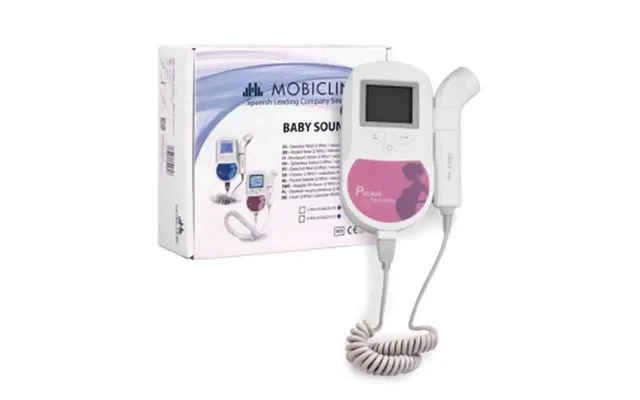
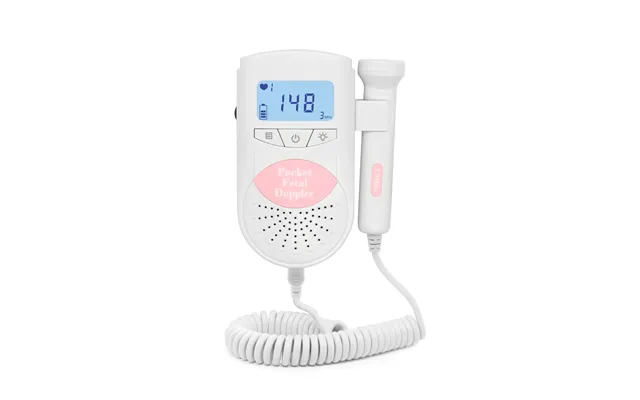
These are the most recognizable type: a palm‑sized base unit with a connected probe. You apply a little gel to your belly, glide the probe, and listen to the whoosh‑thump of your baby’s heart through a speaker or headphones. Many handheld dopplers show an estimated beats‑per‑minute reading, and some let you record audio clips. They’re widely available, budget‑friendly, and simple to use with a bit of practice.
Wearable prenatal monitors use a soft strap or patch that sits on the belly while you rest. Some versions are designed for short sessions at home, offering a hands‑free way to listen in or log sessions for later playback. If you like the idea of relaxing on the sofa and letting the device do the “searching,” wearables can be a comfortable middle ground between handheld and app‑only options.
App‑connected devices pair with your phone to stream audio, save heartbeat snippets, and display estimated rates. The appeal is convenience and shareability—great if you want to send that first heartbeat recording to family. App features vary: some offer basic timers and notes, others provide guided tips for finding the heartbeat based on pregnancy stage.
A fetoscope (a specialized stethoscope for pregnancy) is a no‑electronics option that some people enjoy later in the second trimester. It’s affordable and simple, though it can take patience and practice. Audio quality can be less obvious than with a doppler, and there’s no digital readout, but it’s a neat, battery‑free alternative if you like a traditional approach.
Look for a probe that fits naturally in your hand and glides smoothly. A slight curve helps you angle beneath the belly button without strain. A grippy finish is a plus when you’re using gel. If the unit has a detachable probe, check that the cable feels durable and isn’t too stiff.
A bright display that shows an estimated heartbeat rate is handy, but clear audio is what really makes the experience. A built‑in speaker should be crisp, not tinny. A headphone jack is wonderful for private listening or recording via your phone. If audio sounds more like static than a heartbeat, it’s no fun—so prioritize sound quality.
If you want recordings and simple sharing, check that the monitor pairs easily and doesn’t require complicated log‑ins. Some apps add guided tutorials, session logs, or fetal movement notes. Consider what you’ll actually use: a clean, simple app often beats a cluttered one.
Convenience matters when you’re tired. Many handheld monitors use standard batteries, which are easy to swap. Others are rechargeable. If you’re recording often or sharing with family, longer runtime keeps things stress‑free. A quick‑charge option saves the day when you realize the battery’s low just as your partner gets home to listen.
Durable casing, reliable buttons, and a readable screen make a difference during months of use. Look for a solid warranty and responsive support. Even if you never need it, knowing it’s there is reassuring—like keeping a spare set of keys.
Here’s the heart of it: home prenatal monitors are for connection, not diagnosis. If you don’t find the heartbeat in a session, it might simply be the baby’s position or timing. It does not replace professional care. If you have concerns—reduced movement, unusual symptoms—contact your midwife or doctor promptly rather than relying on a home reading.
Keep sessions reasonably short, use gel to avoid pressing too hard, and listen while seated or reclined to stay comfortable. Think of it like humming along to your favorite song—you’re enjoying the rhythm, not running the sound desk at a concert.
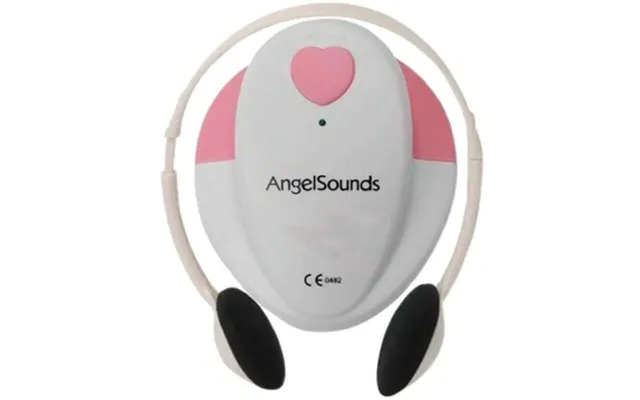
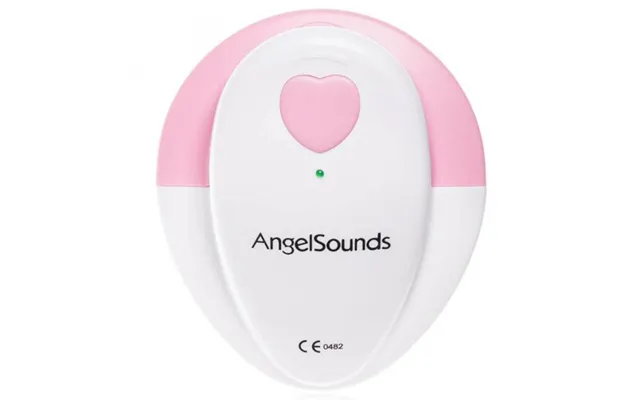
While availability changes, a few well‑known models regularly appear across comparison platforms. Handheld dopplers like Sonoline B and AngelSounds are longstanding favorites for straightforward controls, a readable display, and dependable audio. Womb Music is another consumer‑friendly option known for clear sound and easy setup. Some wearable and app‑connected options appeal if you want hands‑free listening or simple sharing through a phone. When comparing, focus less on brand hype and more on real‑world basics: audio clarity, comfort, battery convenience, and app reliability.
Keep an eye on bundle value too. Starter kits that include a small tube of gel, headphones, or a carry pouch can save you a little extra and get you listening right away. If you want to record heartbeat snippets, look for models that explicitly support audio output to a phone or computer.
Pick a quiet room and take a minute to relax—stress tightens muscles and can make the search harder. Recline with a cushion behind your back and another under your knees. Keep a towel handy and a pea‑to‑quarter‑size dab of gel within reach. If your room is chilly, warm the gel between your hands first. No one enjoys a cold surprise.
Early on, the baby’s heartbeat is often easiest to find lower on the belly. Add gel below your belly button and move the probe slowly with tiny tilts, like adjusting a radio dial to catch a favorite station. If you hear a slow, steady rhythm, that’s probably your pulse—move the probe and try again. The baby’s heartbeat is usually faster and rhythmic with a distinct gallop.
As pregnancy progresses, the sweet spot tends to rise. Midway through, try around and above the belly button, angling the probe slightly. Later on, you may find the heartbeat well to one side depending on baby’s position. If you don’t find it right away, pause, breathe, and try a different angle. A glass of cold water a few minutes beforehand can sometimes encourage a little wiggle that helps you locate that comforting rhythm.
Don’t worry about exact numbers at home. Focus on the character of the sound—consistent and faster than your own. If the display shows a number that jumps wildly, adjust the probe angle and wait a few seconds for it to settle. Calm, patient listening beats frantic chasing every time.
If your monitor supports recording, keep clips short and label them by week so they’re easy to scroll later. Sharing with loved ones is a sweet way to include them—but remember: recordings aren’t medical records, just happy memories.
On a budget, you can still get a monitor with a clear speaker, simple display, and decent build. Stepping up usually brings better audio filtering, steadier readings, quieter probe movement, and nicer extras like a carry pouch. Premium options sometimes offer app integrations, more refined ergonomics, and higher‑quality headphones. Ask yourself: Will you use the app features, or do you just want to listen clearly for a few minutes a couple of times a week? Spending smart beats spending big.
You don’t need much to get started—just the monitor and a dollop of gel. A soft cloth makes cleanup easy. A small travel pouch keeps the probe, extra batteries, and gel together so you’re not rummaging in drawers when the moment strikes. If your unit supports headphones, a comfortable over‑ear pair can help you train your ear to the sound of baby vs. background.
Counting kicks is a simple, low‑tech way to tune into your baby’s routine. Some apps provide timers and logs. If you notice a meaningful change in patterns, that’s your signal to reach out to your care team, no devices required.
A reliable blood pressure monitor can be a helpful companion during pregnancy, especially if advised by your clinician. Choose an easy‑to‑read screen and a cuff that fits comfortably. Consistent readings taken at the same time of day matter more than any single number taken once.
Comfort tools don’t measure anything, but they can make a big difference in daily life. A supportive belt and a well‑shaped pillow help you rest better—great for those bonding sessions when you’re more relaxed and more likely to find that heartbeat without fuss.
After each session, wipe the probe with a soft cloth. Avoid soaking any electronics, and let the gel residue dry before tucking the unit away. Store the monitor in a cool, dry place, and keep spare batteries nearby. If your unit is rechargeable, don’t leave it empty for weeks—top it up so it’s ready when you are. Treat it kindly and it’ll take you from those first faint thumps to the confident gallop later on.
If you choose a smart monitor, skim the app’s privacy details. Look for clear statements about what’s stored, how it’s used, and whether you can delete recordings. Use strong passwords and keep your phone updated. Your memories should stay yours—just like a family album on the shelf.
Prices and bundles shift often, and availability can vary. Comparison platforms like ZoneOffer bring offers into one view so you can weigh features, read specs, and spot savings without opening a dozen tabs. Make a short list of must‑haves—clear audio, comfortable probe, easy power—and filter from there. If two models look similar, browse user feedback to see which one people found easier to use in real homes, not just in spec sheets.
Some families start trying to listen in the second trimester. Early on, patience is key. Keep sessions short and soothing—think minutes, not marathons. Make it a cozy ritual, like a quick story before bedtime. If one day feels tricky, stop, smile, and try again tomorrow. Consistent, calm practice often beats a single long attempt.
Baby might be flipped, snoozing, or tucked in a spot that’s harder to reach. Try a different angle, add a touch more gel, or shift slightly to one side. Even a small positional change can bring the sound into focus.
Turn off fans or background music and try headphones if the speaker competes with household noise. If the display number jumps, pause for a few seconds to let it stabilize rather than chasing the digits.
Your pulse will usually sound slower and steadier. Place a couple of fingers on your wrist to feel your pulse while you listen; if the beat you hear matches your wrist, move the probe and keep exploring.
Some days the heartbeat pops up instantly. Other days, it plays hide‑and‑seek. That’s normal. Set expectations accordingly and keep your care team in the loop whenever you have medical concerns. Used wisely, a prenatal heart rate monitor becomes a gentle soundtrack to your pregnancy—comforting, connecting, and worth the little bit of learning it takes to use well.
Choosing a prenatal heart rate monitor is about balance: clear audio, easy handling, and trustworthy basics matter more than flashy extras. Handheld dopplers remain the go‑to for many families, while wearables and app‑connected models add comfort and shareable moments. Keep safety front and center, listen in moderation, and lean on professional care for anything medical. With smart comparisons and a short list of must‑haves, you can find a monitor that fits your routine, your budget, and your peace of mind—so you can enjoy that wonderful rhythm whenever you’re ready.