

Walking Aid Accessories price list
Last updated Sunday, 18 Oct 2026





View 12 Offers


Loading...
Last updated Sunday, 18 Oct 2026
Small accessories can make a big difference when you rely on a cane, walker, rollator, or crutches. The right tip reduces slips. The right grip eases hand fatigue. A simple tray or bag turns a mobility device into a daily-life assistant. If you’re comparing deals on walking aid accessories in the UK, it pays to know what to look for and how to pick parts that match your lifestyle, terrain, and comfort needs. Let’s break down the best add-ons, how they work, and what separates the standouts from the so-so.
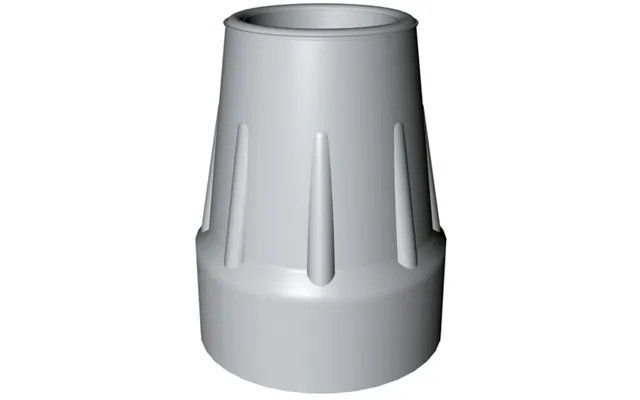
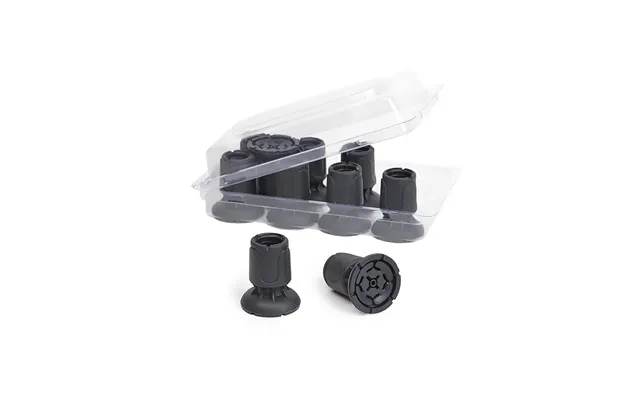
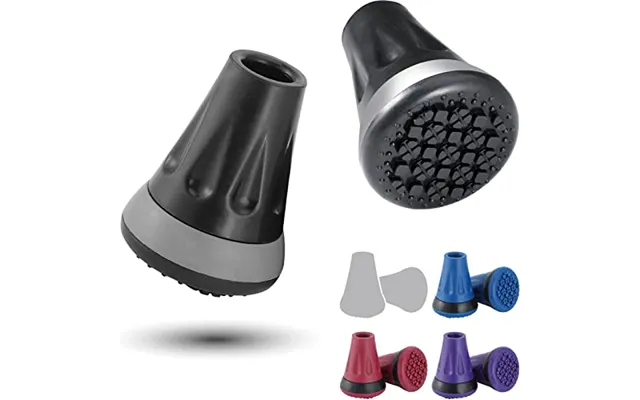
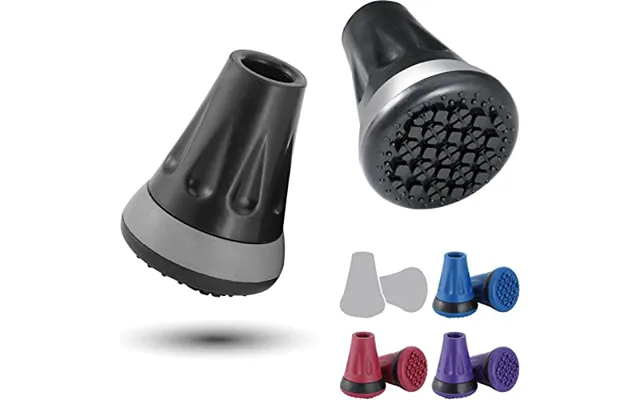
Think of the tip on your cane as your tread. A fresh, grippy rubber tip is like swapping bald tires for brand-new ones. Over time, tips wear down, harden, or crack, which reduces traction on smooth floors and pavements. Swapping the tip is quick, affordable, and one of the most impactful upgrades you can make. Look for thick rubber or TPR blends with a broad contact surface, a non-slip pattern, and reinforced cores for durability. Many users notice a night-and-day difference the moment they install a new tip—less squeak, more grip, and fewer heart-in-your-mouth slips.
If you want stability that doesn’t blink, quad bases are the heavyweight champs. A quad base spreads your weight across multiple feet, adding stability when starting, stopping, or pivoting. Newer self-standing feet offer a sleeker option: they flare just enough to help your cane stand upright on its own, so you’re not balancing it against a chair or laying it on the floor. If you move frequently between rooms or handle tasks that need two hands, that self-standing feature feels like an extra helper by your side.
How many times have you reached for your cane only to realize it slid to the floor? Wrist straps, folding clips, and wall-mounted hooks keep your cane exactly where you want it. A soft, adjustable wrist strap frees both hands at the checkout, the sink, or the door. Clips let a folded cane perch on a table edge instead of clattering to the floor. And a wall hook by your favorite chair means your cane has a home base—simple, tidy, dependable.
If every step sends a jolt through your wrist or elbow, consider shock-absorbing tips with built-in cushioning. They ease the strain of repetitive impact, especially helpful on hard floors. Pivoting tips add a joint that flexes as you stride, helping the tip maintain full contact with the ground even as your cane angle changes. That extra grip in corners or on uneven surfaces can calm the awkward wobble you may feel when turning or sidestepping.
Low light doesn’t have to mean low confidence. Clip-on LED lights illuminate your path for evening walks or early-morning bathroom trips. Reflective bands or stickers boost visibility along dim corridors or pavements, making you more noticeable to others. It’s a small fix with oversized peace of mind—like flipping on a headlight for your cane.
Walkers glide best when the feet are kitted out properly. Glide caps and skis reduce friction on smooth floors and sidewalks, eliminating that jarring “stick-and-lurch” sensation. If you’ve seen tennis balls on walkers, you know the idea—less noise, smoother motion. Modern glide skis deliver the same benefits but last longer, resist dirt, and look neater. Pick models designed to fit your walker’s rear legs and check that they won’t scuff your floor.
Imagine carrying your lunch without a precarious shuffle. A walker tray turns your frame into a rolling side table, making it simple to move plates, books, or a laptop from room to room. Cup holders keep drinks upright so you’re not juggling a mug with one hand and your walker with the other. For tight homes, look for trays that pop on and off in seconds, and cup holders with adjustable clamps for different cup sizes.
Rollators with seats are lifesavers on longer outings, but not all seats are equally comfortable. A padded seat cushion and a supportive backrest upgrade the entire experience. Look for cushions with breathable covers and high-density foam so you don’t bottom out after a few minutes. A contoured backrest encourages upright posture, easing strain on your shoulders and neck.
From keys and phones to a light jacket and medication, a good storage setup keeps essentials within reach. Front bags, side pouches, and under-seat baskets help you organize without feeling overloaded. Zipped compartments protect valuables, while quick-access pockets keep tissues, sanitizer, or a bus pass at the ready. Bonus: an under-seat basket doesn’t swing when you walk, keeping the rollator stable and quiet.
If you use both a rollator and a cane, a cane holder mount is a brilliant quality-of-life add-on. Snap your cane into place and stroll hands-free until you need it again. Accessory mounts for lights, phone holders, and even small oxygen canisters are also available. The right mount keeps extras secure without cluttering your handlebars or interfering with your stride.
Underarm discomfort isn’t just annoying—it can bruise, chafe, and discourage you from moving. Upgraded underarm pads use plush foam, gel inserts, or memory foam that spreads pressure and reduces hot spots. Pair them with ergonomic hand grips shaped to fit your palm. You’ll feel the difference in minutes: better weight distribution, less tingle, and fewer blisters as the day wears on.
Forearm crutches come in open and closed cuff designs. Open cuffs are easy to slip in and out of, handy when you’re constantly sitting and standing. Closed cuffs lock you in more securely, which can feel reassuring on stairs or uneven ground. If your current cuffs feel too rigid or harsh, look for padded or silicone-lined options that hug without pinching.
Crutch tips take a beating. Shock-reducing designs incorporate internal springs or gel cores, softening impacts and delivering a smoother rhythm as you move. For winter months, retractable ice grips bite into frosty surfaces so you’re not tiptoeing in fear. Flip them up when you head indoors and you won’t mark floors or trip.
Crutches that sway while you stand still can feel like unruly kites in the wind. Anti-sway straps link the crutches to your forearms or to each other to keep them steady when you pause. There are also hands-free carriers and clips so you can park a crutch securely while you reach for a wallet or open a door. Simple? Yes. Game-changing? Also yes.
Rain, sleet, and wintery patches are a reality. Ice spikes and studded tips provide bite on slick surfaces, improving confidence when the ground feels treacherous. Look for retractable designs that tuck away with a flip so you can transition from pavement to carpet in a heartbeat. It’s the mobility equivalent of all-weather tires—there when you need them, out of the way when you don’t.
If your daily route includes gravel paths, grass, or uneven pavers, standard tips can sink or skid. All-terrain tips have wider bases and flexible necks to maintain contact across bumps and dips. They’re especially helpful for dog walks, garden visits, or park outings. You’ll feel more planted with every step, and you won’t have to avoid your favorite paths.
Staying dry helps you stay steady. While dedicated umbrella canes exist, many users prefer clip-on canopies and umbrella holders that attach to walkers or rollators. The idea is simple: keep both hands free for balance while shielding yourself from drizzle or sun. Just make sure the attachment point doesn’t block your line of sight or tangle with brake cables.
Fit affects everything—comfort, safety, and joint health. For cane height, a common approach is to stand upright in your usual walking shoes, let your arm hang naturally, and measure from the floor to the crease of your wrist. Many adults fall in the 34 to 38 inch range, but your measurement rules. Adjustable canes often cover a useful span with 1 inch increments, so you can fine-tune on the spot.
Every accessory should match or exceed the weight capacity of your device. Typical canes list capacities of 250 to 300 pounds, with heavy-duty models going higher. Quad bases and rollator seats also publish limits—always check the label or product page. When in doubt, pick the sturdier option. Better to have breathing room than to push limits and wear parts early.
Swapping a tip is straightforward, but there’s a right way. Make sure the inner diameter of the tip matches the outer diameter of your cane or crutch tube. Clean the tube end, press the tip on fully, and twist to seat it evenly. If your cane uses a collar or retaining pin, follow the manufacturer’s guidance so everything stays locked. A poorly seated tip can feel squishy or tilt—never a good sign.
Don’t wait for a near-miss to upgrade. Check tips monthly for cracks, flat spots, or hardened rubber. Inspect glide skis for thinning edges. Tighten any tray, bag, or mount screws that work loose with use. Cushions and pads compress over time; if they feel thin or uneven, swap them for fresh ones. It’s like rotating your car tires—you’re safeguarding performance before things go sideways.
Materials influence durability, weight, and feel. Premium rubber or TPR tips grip better and last longer than bargain-bin blends. Aluminum accessories are light, strong, and cost-effective. Carbon fiber parts shave ounces while staying stiff, ideal if you want an ultra-light setup. For padded items, look for high-density foam or gel cores with breathable covers you can wipe clean.
A good warranty shows confidence. Look for clear terms and responsive support from the brand. Certifications related to safety testing and medical-grade materials add reassurance. And don’t skip the reviews—real-world feedback about squeaks, slippage, or comfort is worth its weight in gold. Patterns in comments (good or bad) tell a truer story than glossy photos ever will.
Walking aid accessories vary widely in price across retailers, brands, and seasonal offers. Using a comparison platform helps you scan multiple sellers at once so you can balance features, availability, and savings without hopping from site to site. Watch for multipacks on consumables like tips and glides, and set alerts for discounts on popular items like quad bases or rollator bags. A few minutes of comparing often unlocks a better deal than buying on impulse.
Navigating tight flats, busy buses, and narrow aisles? Choose low-profile accessories that don’t snag. A self-standing cane foot, a slim reflective band, and a compact storage pouch keep your setup sleek. For walkers, pick a quick-on tray and a small bag with a zip pocket for cards and keys. Glide skis that won’t scuff floors are perfect for apartment hallways and shops.
If you’re logging steps on trails or park paths, stability and weather-readiness come first. Pair an all-terrain tip with a wrist strap and an LED light for dusk strolls. Rollator users might add a wider seat cushion for longer rests, an under-seat basket for water and snacks, and a bell to nudge friendly cyclists. For crutches, shock-absorbing tips and padded grips help you go farther with fewer aches.
Early recovery is all about comfort and convenience. Walker trays reduce risky juggling in the kitchen, while cup holders keep hydration within reach. Add plush underarm pads for crutches or memory foam palm grips to protect tender hands. Place wall hooks by your bed and favorite chair so your cane is always close. In the bathroom, choose non-slip tips and consider a pivoting tip if tight turns are part of your routine.
Outfitting gear for a loved one? Build a checklist: fresh rubber tips, a wrist strap, a bag or basket for essentials, and a light for night moves. For walkers, choose glide skis and a sturdy tray. For rollators, confirm seat height, add a backrest if needed, and pick a pouch with clear sections for medication and notes. Label items, keep spare tips on hand, and schedule a monthly quick check to tighten screws and spot wear.
If your cane or crutch slips more than it used to, the tip may be glazed or hardened. Replace it with a high-grip rubber or TPR tip and consider a larger base for extra contact. Worried about floor marks? Look for non-marking compounds and keep tips clean—dust and polish residue can turn grippy rubber into a skating rink.
Clicks, squeaks, and rattles usually come from loose connections or worn glides. Tighten bolts on trays, bags, and mounts. Replace worn glide caps or skis so they track straight and quiet. If your rollator wobbles, double-check wheel fasteners and brake cables for proper tension. A bit of attention now keeps everything whisper-quiet and confidence-inspiring.
Hand pain isn’t a badge of honor. Upgrade to ergonomic grips shaped for your palm and add gel padding if you bear a lot of weight. Keep an eye on grip texture—too smooth and you’ll clench; too rough and you’ll chafe. For long outings, alternate rest periods and stretch your hands. A small change in grip can feel like swapping a wooden steering wheel for a leather-wrapped one—suddenly the miles melt away.
Durability is green. Tips with reinforced cores, trays with sturdy brackets, and bags with quality zips last longer and reduce waste. Some brands use recycled fabrics or packaging—bonus points. Buying a multipack of tips and replacing them before they’re threadbare also prolongs the life of your cane or crutch by reducing vibration and stress.
Function comes first, but looks matter. From matte black bases to floral cane straps, there’s a style for every personality. Reflective bands can be subtle in daylight and bold after dark. If you prefer a discreet look, choose compact mounts and low-profile bags that blend into the frame. Your mobility aid is part of your everyday life—there’s no reason it can’t reflect your taste.
The right walking aid accessories do more than tweak the feel of your cane, walker, rollator, or crutches—they reshape daily life. Grippier tips mean steadier steps. Cushioned pads and ergonomic grips fight fatigue. Trays, bags, and mounts free your hands and calm the clutter. Whether you’re after a budget-friendly refresh or a full comfort makeover, compare options across multiple sellers, zero in on features that match your terrain and routines, and favor quality materials that go the distance. A few thoughtful upgrades now can deliver miles of confidence later.