
Therapeutic Swings price list
Last updated Sunday, 27 Sept 2026
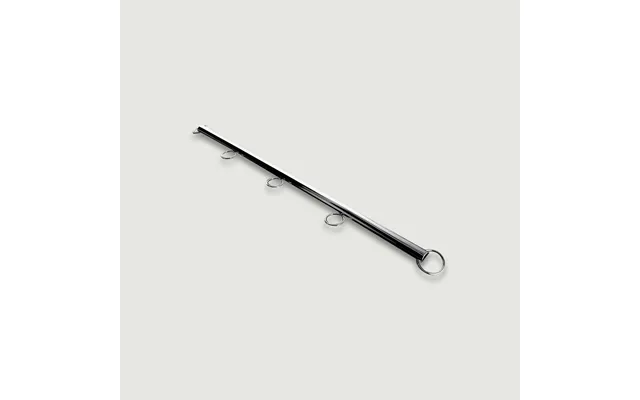
| Therapeutic Swings | Price |
|---|---|
| Spreader Truss Bar 76 Cm | £57.40 |




Loading...
Last updated Sunday, 27 Sept 2026
| Therapeutic Swings | Price |
|---|---|
| Spreader Truss Bar 76 Cm | £57.40 |
Think of a therapeutic swing as a calming, movement-rich nook that hangs from your ceiling, a doorway, or a freestanding frame. It’s designed to deliver vestibular input (that’s your inner ear’s sense of motion and balance), proprioceptive feedback (awareness of body position), and deep-pressure comfort. If that sounds technical, picture a cozy, hanging hug that also happens to be a mini movement lab. These swings are staples in occupational therapy and physical therapy because they help users self-regulate, build core strength, improve coordination, and find a soothing rhythm in their day.
Therapeutic swings can support children and adults alike. Families often use them to help kids with autism, ADHD, or sensory processing differences find calm and focus. Therapists rely on them for vestibular training, balance work, and motor planning. Adults appreciate the gentle motion for stress relief or during injury rehab, especially when a platform or bolster swing is used to challenge stability safely. Bottom line: if you’re after a tool that blends play with purposeful therapy, a sensory swing is a smart, versatile choice.
A compression swing, often made from stretchy fabric, wraps around the body to provide deep-pressure input—like a swaddled hug that moves with you. It’s great for calming, organizing sensory input, and building confidence with gentle motion. Many families start here because the learning curve is low: sit, lie back, or curl up, and let the swing do the soothing. Look for durable, soft fabric and a weight capacity that matches your needs—200 lb is common, but heavy-duty options go higher.
Platform swings are the workhorses of therapy rooms. Picture a sturdy square or round deck—often 24 to 30 inches across—suspended by ropes from a single point or multiple points. Users can sit, kneel, or lie down to work on balance, core strength, and motor planning. Add a 360-degree swivel and you turn linear motion into rotational play, which can be both stimulating and organizing when used with care.
Hammock and pod swings create a cocoon-like seating space where users can lounge, rock, or gently spin. They’re ideal for reading, calming, and snug sensory breaks. Pod swings often have a circular opening and a soft seat, while hammocks offer fuller-body support. When you want a cozy, retreat-like feel with optional vestibular input, these are hard to beat.
Net swings cradle the body with a breathable weave, offering tactile input and a bit of give. Lycra slings add stretch and resistance to movement, turning simple rocking into a strength-and-coordination challenge. These designs are favorite add-ons because they change the sensory “flavor” of a session without needing a brand-new setup.
Glider swings move smoothly front-to-back or side-to-side for predictable motion—fantastic when you want rhythmic, calming input. Bolster swings look like a padded cylinder; users straddle or lie across them to target postural control, balance, and core stability. Both styles are common in clinics but work beautifully at home when space allows.
Start with the numbers. Many household swings support 200 to 300 lb, while heavy-duty sets can reach 400 lb or more. Consider who will use the swing now and later—if adults may join in, aim higher. Platform sizes around 24 to 30 inches provide room to sit crisscross or lie on the belly. Compression swings should be long and wide enough to wrap comfortably; fabric lengths often stretch several feet, so check the recommended user height in inches for a confident fit.
Different materials deliver different sensory experiences. Stretchy fabrics (like Lycra-style blends) compress and hug, which can calm an overwhelmed nervous system. Canvas or EVA-topped platforms feel secure and grippy, better for balance challenges. Netting adds airflow and tactile input. Ask yourself: is the goal calming and deep pressure, active play and balance, or a bit of both?
Safe mounting is everything. Common choices include ceiling joists, a solid beam, doorway bars, or freestanding stands. You’ll see hardware like heavy-duty ceiling plates, lag bolts, daisy chains, carabiners, and swivels. Aim for components rated well above your expected load. A quality 360-degree swivel turns linears into spins; safety-rated carabiners (think climbing-grade) add quick adjustability. If your ceiling is around 8 to 9 ft, you’ll want adjustable ropes or chains to dial in seat height.
Look for easy height adjustment—webbing daisy chains or rope cam locks make fast work of setup for multiple users. Adding a swivel unlocks controlled spinning; adding a second attachment point (when the swing supports it) can shift the feel from spin-happy to steady and linear. Modular setups let you swap between a platform, a compression sleeve, and a pod without redoing your hardware.
Indoor swings prioritize compact footprints and quiet hardware. Outdoor options benefit from weather-resistant fabrics and powder-coated or stainless components. If you’re moving a swing between a living room and a patio, choose a kit that tolerates both environments and plan to store fabric indoors when it’s wet or freezing. Sun can fade fabric; moisture can wear stitching—small precautions go a long way.
Always mount to solid structure, not just plasterboard or trim. A ceiling joist or beam is your friend. Many installers use a heavy-duty plate with 3/8-inch lag bolts sunk into the center of a joist. Mark, pre-drill pilot holes, then tighten firmly with hand tools for feel and control. If you’re unsure about the structure, consult a professional—peace of mind is priceless when someone you love is in that swing.
Can’t touch the ceiling? A freestanding swing frame makes installation simple. Look for stands in the 7 to 9 ft height range with wide bases and anti-tip design. Doorway bars can work in rentals—choose models that spread load across a wide area and match your doorframe size. Always follow the manufacturer’s load guidelines and test with gradual weight before full use.
Set a “clear zone” around the swing. A good rule of thumb is at least 3 ft of unobstructed space in every direction the swing could travel. Add a crash mat under and around the impact area—2 to 4 inches thick offers a forgiving landing without feeling spongy. Keep sharp corners, lamps, and hard furniture outside the swing’s path.
Start slow, especially with spinning. Try short sessions—5 to 10 minutes—then check in: calmer, energized, or overwhelmed? Increase duration gradually, and mix directions (front-to-back, side-to-side, gentle rotation) to avoid overdoing one input. Active supervision helps you spot cues—flushed cheeks, giggles, glazed eyes, or restlessness—and adjust accordingly.
The rhythmic sway of a hammock or the gentle compression of a cuddle swing can dial down sensory noise and make focus easier. Many families build a routine: 10 minutes of swinging before homework, a quick spin break between tasks, or a cozy swing-and-read corner to wind down in the evening.
Platform and bolster swings challenge the body to respond to subtle shifts. Sitting crisscross, lying on the belly, or kneeling while reaching for beanbags becomes a sneaky workout. You’ll see improvements in posture, coordination, and confidence—without the “Ugh, it’s exercise” groan. It’s play with purpose.
Swings invite imagination. Turn a pod swing into a rocket ship, a platform into a pirate raft, or a bolster into a bucking bronco (gently!). These narratives encourage turn-taking, vocabulary growth, and social engagement—especially helpful for kids who open up when their bodies feel regulated and safe.
If you’re new to sensory swings, a basic compression kit is a win: one-point hanging, stretchy fabric, and straightforward hardware. Choose a set rated to at least 200 lb with a smooth carabiner, and add a swivel if you want rotations later. These kits pack small, wash easily, and set the stage for calm at home.
For skill-building, platform swings shine. Look for a 24 to 30 inch platform with grippy surface, height-adjustable ropes, and optional handles. A 360-degree swivel unlocks more movement patterns, and a crash mat completes the setup. If multiple users share the swing, pick a higher weight limit and quick-adjust hanging system.
Short on space? Doorway-mounted pod swings deliver a cozy retreat without a permanent footprint. Prioritize door bars with generous width and strong clamps, then add the pod for an instant sanctuary. Keep seat height around 18 to 24 inches off the floor for easy on-off access and safer exits if someone gets sleepy mid-swing.
Backyard setups let you blend playtime and sensory input in the fresh air. Choose weather-resistant fabrics, double-check weight ratings, and ensure the frame has a wide stance. If you’re stringing between trees, use protective straps that spread the load and won’t damage bark. Store the hammock indoors when rain or frost rolls in.
A quality swivel turns predictable arcs into gentle spins that can be calming or alerting. Climbing-grade carabiners simplify quick swaps between a platform, a compression sleeve, and a hammock. Soft slings or extenders help reach the ideal height when your ceiling is high or your stand sits at the taller end of the range.
Daisy chains and rope cam devices are unsung heroes. They let you set seat height in seconds so a 5-year-old, a teen, and an adult all get a comfortable fit. Keep a small step stool nearby if needed, but aim for a seat height that allows feet to touch the floor when seated for easy on/off transitions.
Make sessions richer with beanbags, weighted lap pads, or textured cushions. For platforms, add a balance disc or a small wobble board on top—carefully—to challenge motor planning. Rotate props weekly to keep interest high without buying new core equipment.
Materials, weight ratings, and hardware quality have the biggest impact on price. A well-made swivel and heavy-duty carabiners cost more but last longer and feel smoother. Thick, tear-resistant fabrics and reinforced stitching also justify a higher tag. Don’t forget the hidden hero: a good crash mat can be as important as the swing itself.
Bundles simplify setup—one box, everything you need—while piecemeal buys let you customize. If you already own a stand or ceiling hardware, or you want a specific swivel, building your own package can save money. If you’d rather not juggle parts, a pre-matched kit reduces guesswork and often includes a warranty.
A clear warranty signals confidence in materials and build quality. Check coverage on fabric, hardware, and frames, and keep an eye out for load-testing claims. Comparison platforms such as ZoneOffer can help you scan multiple retailers, specs, and prices side by side so you’re not stuck guessing what’s a fair deal in the UK market.
Most fabric swings prefer a gentle, cold wash and air-dry. Spot-clean often to avoid over-washing, which can stretch fibers prematurely. Keep an eye on seams, loops, and wear spots—if you see thinning or frayed stitching, rest the swing until repaired or replaced.
Every few weeks, inspect carabiners, swivels, ropes, and mounting plates. Feel for rough spots, burrs, or loosened bolts. A quick wipe-down removes dust that can grind into bearings. If a swivel stops spinning smoothly or squeaks persist, consider lubrication as directed by the manufacturer—or replace it for safety.
Fabric lasts longer when stored dry and out of direct sun. If you’re using an outdoor stand, bring fabric indoors after use and cover metal parts to slow rust. For indoor spaces near windows, rotate the swing occasionally to minimize uneven fade from sunlight.
Therapeutic swings bring the best of therapy and play into your everyday life—calm when you need it, movement when you want it, and skill-building hidden in the fun. Whether you choose a cuddle-style compression swing for soothing deep pressure, a platform for core and balance work, or a pod for cozy downtime, the right setup turns a corner of your home into a well-being zone. Compare weight limits, fabrics, and hardware carefully, plan a safe clear space with a crash mat, and start with short, supervised sessions. With thoughtful choices and a dash of creativity, a sensory swing becomes more than equipment—it becomes a daily ritual that helps bodies and minds thrive.