All categories
Business & Offices
Electronics & Media
Fashion & Accessories
Groceries & Essentials
Health & Personal Care
Home & Living
Kids & Family
Sports & Outdoors
Search in ZoneOffer

Loading...
If your makeup brushes and beauty sponges could talk, they’d probably beg for a bath. Product buildup, skin oils, and everyday dust all collect on your tools, dulling performance and potentially upsetting your skin. The fix is surprisingly simple: a quality cosmetic tool cleanser and a consistent routine. Whether you love liquid brush shampoos, solid cleaning pucks, fast-drying sprays, or clever gadgets, the right cleanser keeps bristles soft, sponges springy, and metal tools pristine. And because prices and promotions vary widely, it pays to compare what’s out there—especially when popular offers and clear price lists make it easier to spot real value.
A cosmetic tool cleanser is any formula or device designed to remove makeup residue, oils, and impurities from beauty tools—think brushes, sponges, puff applicators, lash curlers, tweezers, and even cleaning mats. The best ones cut through long-wear foundation, waxy creams, and bright pigments without stripping natural bristles or irritating skin. You’ll find them as gentle liquid shampoos, solid soap-style pucks, spray-and-go quick cleansers, and deep-clean helpers like silicone mats and automatic brush cleaners. Each has its place in your routine, and combining a few options often gives the best results.
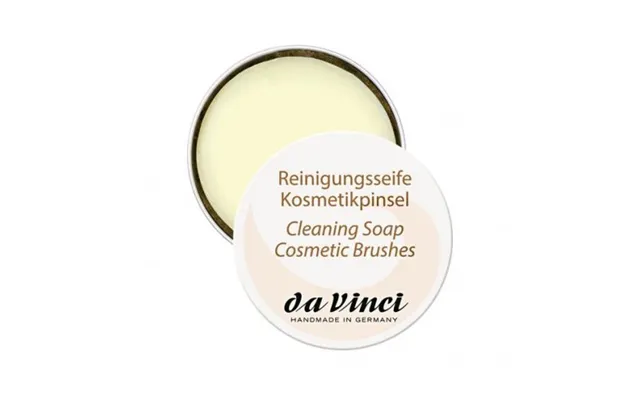
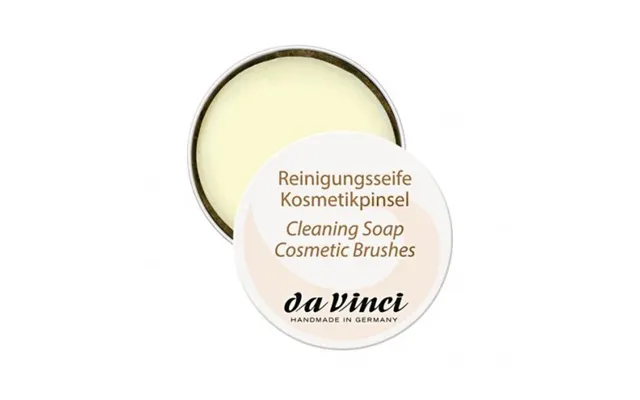
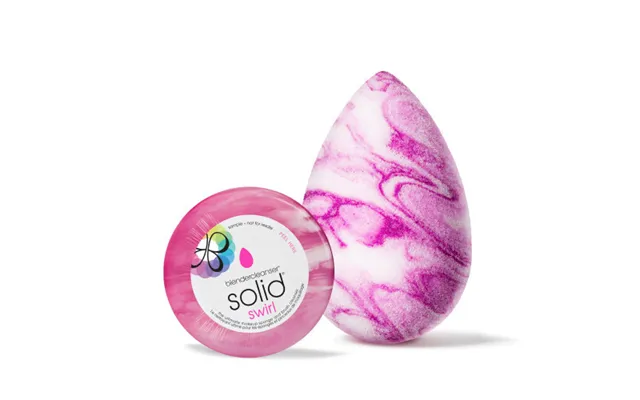
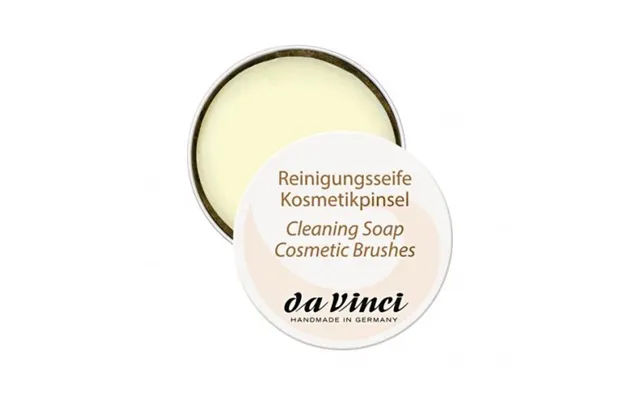
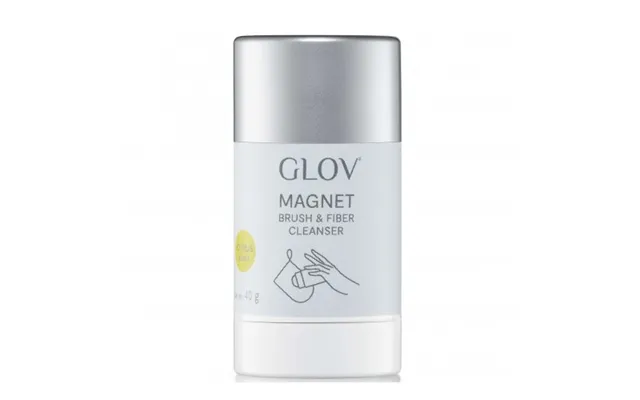
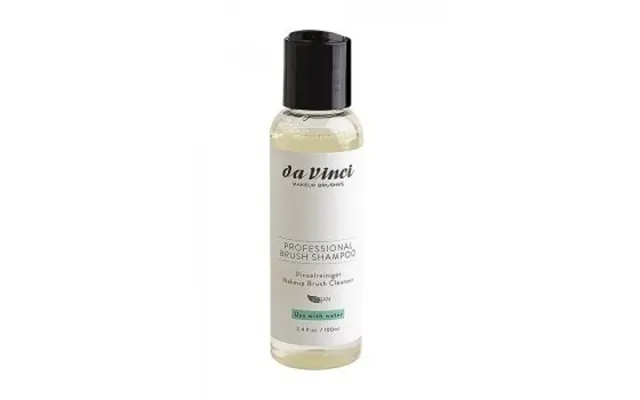
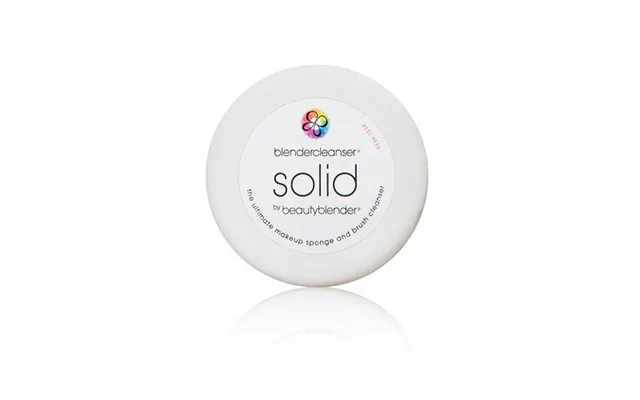
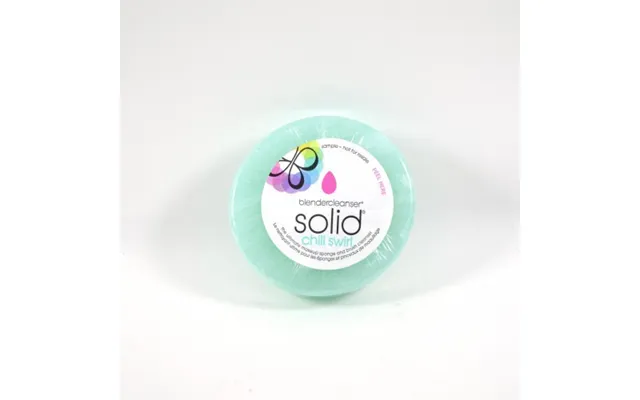
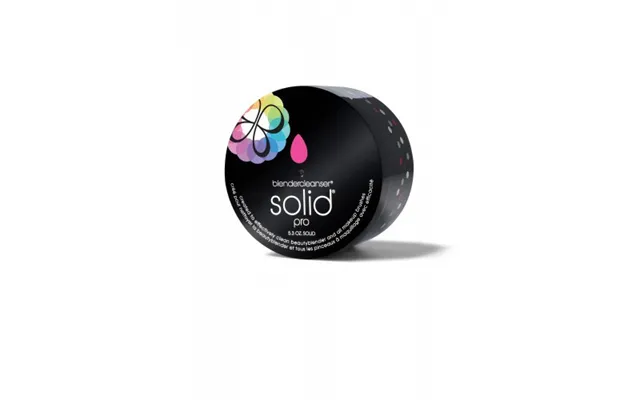
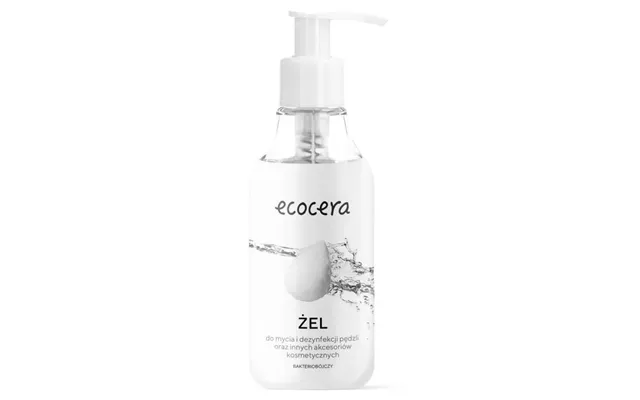
Liquid brush cleansers act like a mild shampoo for bristles: they lather quickly, rinse clean, and are easy to measure by the drop. They’re fantastic for weekly deep cleans, especially for larger powder brushes or dense foundation brushes that hold onto buildup. Solid pucks, on the other hand, are neat, travel-friendly, and mess-free. You swirl a damp brush directly onto the puck, lift away pigments fast, and rinse. Solids often include conditioning agents to keep bristles soft. Which is better? If you want convenience at the sink without bottle drips, go solid. If you appreciate precision and easy dilution, choose liquid. Many pros keep both on hand.
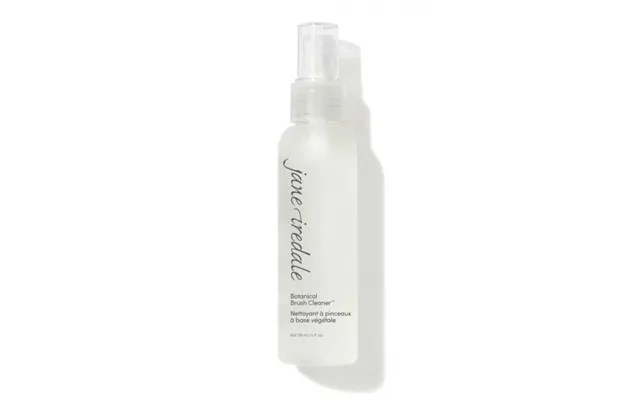
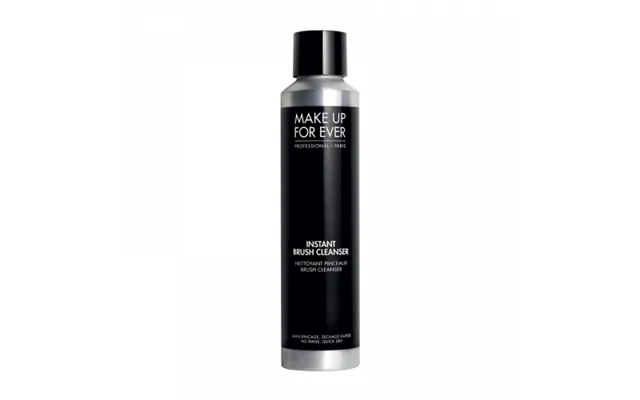
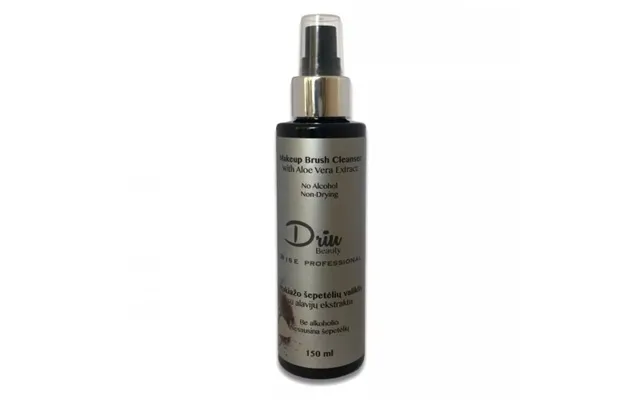
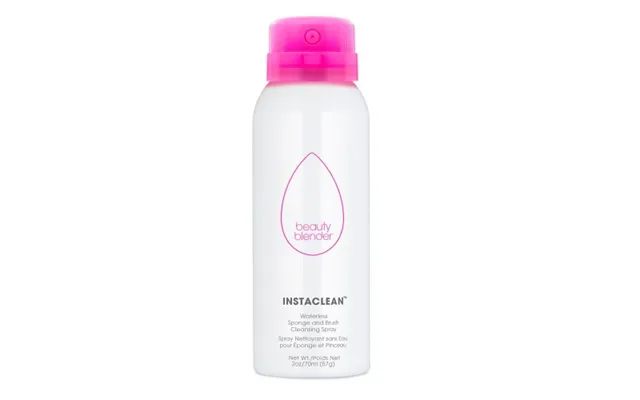
Sprays make speedy work of daily refreshes—ideal between clients or when you need a brush to switch shades. A few spritzes onto a clean towel, a gentle sweep across the fibers, and color lifts away in seconds. Look for formulas that evaporate fast and leave no sticky residue. Some sprays include antimicrobial agents for added peace of mind. While sprays won’t replace a full wash, they buy you time and keep brushes performing smoothly until your weekly deep clean.
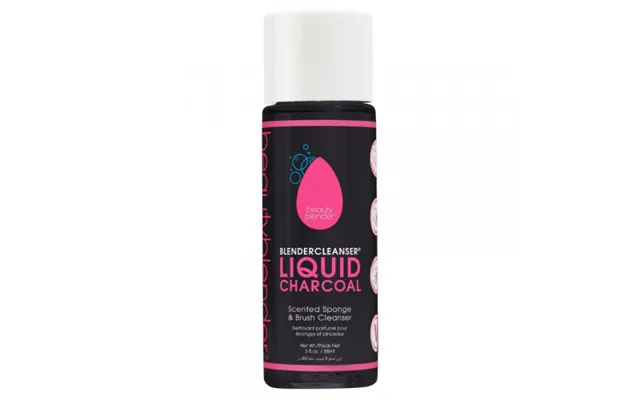
Sponges and powder puffs soak up cream and liquid products like magnets, so they need a little extra love. A dedicated sponge cleanser (liquid or solid) helps break down foundation film without tearing the foam. Warm—not hot—water keeps the structure intact, while a gentle squeeze-and-release motion pushes cleanser through the core. If your sponge sounds squishy-clean and rinses water-clear, you’re done. Resist twisting or yanking, which can split the material prematurely.
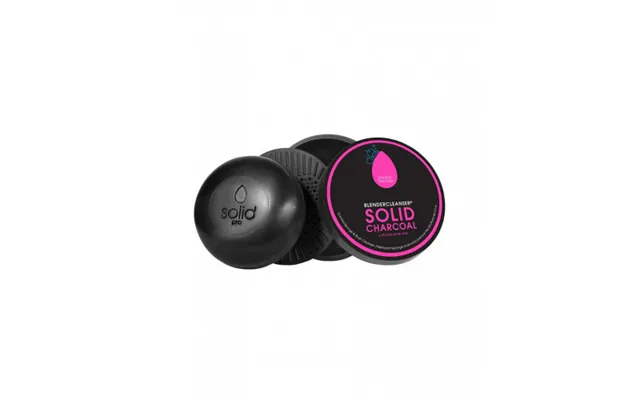
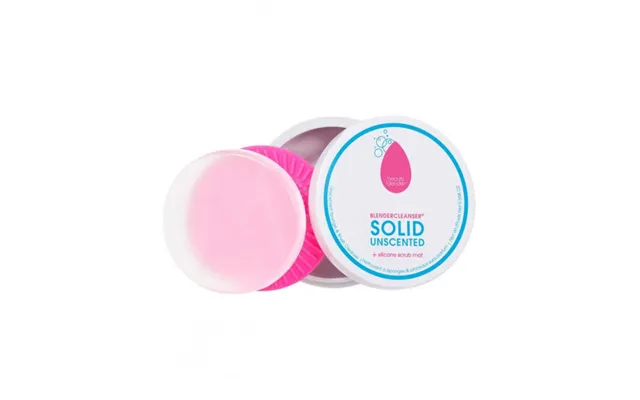
Solid balms are brilliant at loosening full-coverage foundation and cream bronzer, especially near the base where buildup hides. They’re easy to travel with, last a long time, and won’t leak in your bag. Liquid shampoos are easier to dilute and distribute evenly through thicker sponges. A nickel-size amount often does the trick for a standard sponge. Both work well—if you swap between them, you’ll likely get an even more thorough clean. Pro tip: avoid heavy fragrance on sponge cleansers if you have sensitive skin, since sponges sit close to pores during application.
Daily or every other day is the sweet spot for sponges that touch cream and liquid products. Why so often? Sponges hold moisture, and product build-up can affect finish and blendability. You’ll see a dramatic difference in bounce and blend with frequent washes—makeup glides on like a dream and edges diffuse without patchiness. If that sounds high-effort, batch-wash two or three sponges at once and rotate them so one can fully dry while you use another.
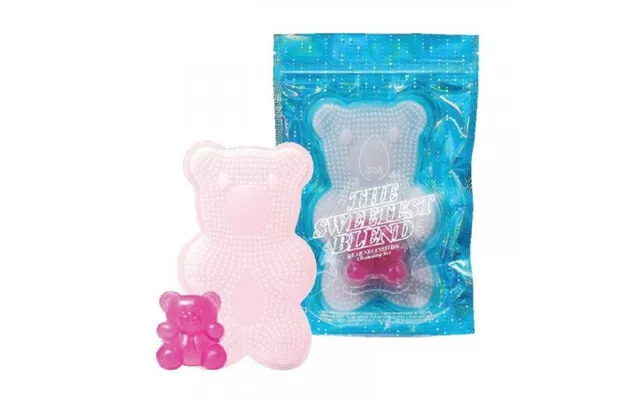
Sometimes a cleanser alone isn’t enough to lift stubborn pigments. That’s where accessories shine. Silicone cleansing mats, textured pads, and automatic brush cleaners help scrub and spin away grime with less elbow grease. Paired with a gentle cleanser, they reduce wash time and help you reach the base of dense brush heads where residue hides. The result: fresher tools, fluffier bristles, and a more consistent makeup finish.
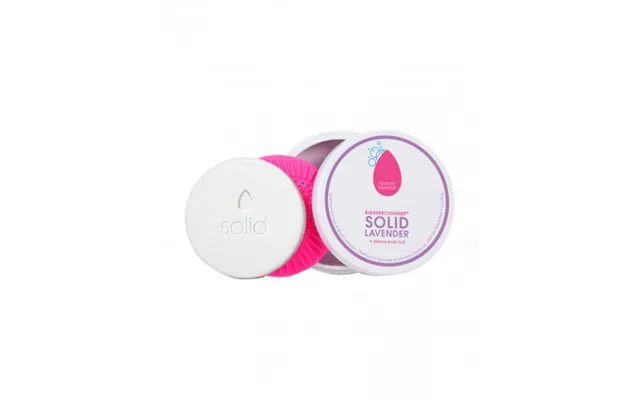
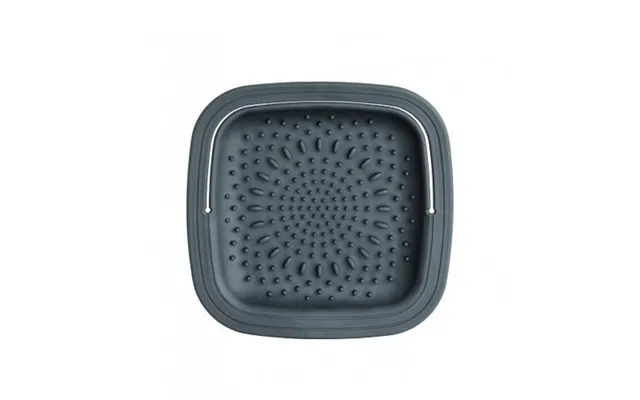
Silicone mats stick to your sink and feature grooves that agitate bristles without fraying them. Add a dime-size swirl of cleanser, massage the brush in small circles, and watch the water run clear. Different textures on the mat target different brush types—fine ridges for eye brushes, larger bumps for face brushes. Pads are portable versions you can hold in your palm; they’re perfect for travel or smaller sinks. Either way, a mat plus a gentle cleanser speeds deep cleans and helps you avoid over-scrubbing.
These gadgets spin brushes while you clean, then whirl them dry, reducing drying time from overnight to under an hour in many cases. They’re especially useful if you have a big collection or need quick turnarounds. Use the device with a compatible liquid cleanser and lukewarm water, and follow the brand’s instructions for best results. Bonus: less moisture sits at the ferrule (the metal part), helping protect glue bonds and prolong brush life.
Read the label and you’ll start recognizing patterns. Effective cleansers use mild surfactants to lift makeup, solvents to cut through oils, and conditioners to keep bristles soft. The gentler the formula, the happier your skin—especially if you’re acne-prone or reactive. If you’re sensitive, avoiding heavy fragrance is a smart first step. And if you use natural bristle brushes, you’ll want conditioner-rich formulas to keep fibers supple.
Look for words like “coco-based” or “mild surfactant,” plus conditioning extras such as panthenol or lightweight oils that rinse clean. These help dissolve pigments without stripping bristles. For sponges, a formula that creates a silky lather helps pull residue through the core without excessive squeezing. If you clean metal tools (tweezers, curlers) with a spray or wipe, choose fast-evaporating solvents that don’t leave residue on skin-contact surfaces.
Fragrance makes cleaning feel luxe, but it can irritate sensitive skin. If you’re prone to redness or breakouts, seek fragrance-free or low-fragrance cleansers and avoid artificial dyes. Be cautious with harsh solvents and high-alcohol content on natural bristle brushes; they can dry fibers and cause frizzing. Also sidestep household detergents that are too strong for beauty tools—they may clean fast but can degrade glue or coatings over time.
A clear plan keeps you consistent. Use a quick-clean method daily or as needed, and a deeper wash weekly. Metal tools get their own routine, and beauty sponges benefit from frequent, gentle baths. Keep it short and simple, and you’ll actually stick to it.
Lay a clean towel flat. Spritz a quick-dry brush cleanser onto the fibers (or onto the towel if you prefer). Sweep the brush back and forth until pigment stops transferring. Reshape and let it air-dry upright or at a slight downward angle so moisture doesn’t seep into the ferrule. This keeps bristles fluffier and prevents shadow colors from muddying your next look.
Wet the bristles with lukewarm water—avoid soaking above the ferrule. Add a pea-size amount of liquid cleanser to a silicone mat or swirl on a solid puck. Massage the brush in gentle circles until foamy, then rinse until water runs clear. Squeeze out excess water with a towel, reshape, and lay the brush on a breathable rack with the head slightly angled downward. Let dry fully—often overnight—before use.
Wipe away visible residue first, then apply a quick-drying spray or wipe intended for beauty tools. Allow it to evaporate completely before storage. Replace lash curler pads as soon as you see nicks, and consider a deeper clean for tools that touch lash lines regularly. A dedicated pouch keeps metal tools clean between uses and prevents them from collecting dust in makeup bags.
Great cleansers exist at every price point. Budget-friendly bottles can perform beautifully, especially when paired with a mat. Premium picks often add extras: richer conditioners, faster dry times, or luxe scents. It comes down to your routine—frequent brush users might splurge on a quick-dry spray, while occasional users can stick with a simple, gentle shampoo and a solid puck for stubborn pigments.
If you rotate many brushes daily, a fast-evaporating spray and an automatic cleaner can save hours each week. If you rely on natural bristle brushes, conditioners matter—premium formulas help preserve softness. Anyone with sensitive skin may prefer fragrance-free, dermatologist-tested options, even if they cost a bit more.
Compare unit pricing and scan popular offers to stock up when prices dip. Multipacks of solid pucks, refill bottles for spray cleaners, and bundles with silicone mats often lower cost per ounce. Consider travel minis to test formulas before committing to a large bottle. A little goes a long way—using the right amount doubles your savings.
Discounts on cosmetic tool cleansers tend to fall into a few buckets: bundle savings, multibuy deals, and limited-time promotions. If you’re browsing a comparison site and see a price list laid out clearly, check each product’s size, ingredients, and cost per ounce before getting wowed by a headline discount. The best deal isn’t always the lowest sticker price—it’s the one that cleans well, lasts long, and fits your tools.
Bundles that pair a liquid cleanser with a solid puck, or a spray with a silicone mat, offer excellent value because you cover daily refreshes and weekly deep cleans in one go. Brush-and-cleanser kits can be a savvy starter set if you’re building your collection. Just confirm you’ll actually use each piece; unused add-ons can make “savings” less impressive than they look.
Minis let you trial a formula on your own tools before buying a full-size. They’re also perfect for trips—no heavy bottles, no spills. Refills are the long-term win: fewer caps and sprayers to toss, better value per ounce, and less waste. If a quick-dry spray becomes your daily staple, buying a refillable system usually pays for itself.
The goal isn’t just squeaky clean—it’s longer-lasting tools that perform like new. Gentle water temperature, mild formulas, and proper drying angles protect adhesives and bristles. Resist the urge to rush with heat; patience preserves shape and softness. A tidy drying setup makes all the difference.
After washing, blot away excess moisture and reshape bristles with your fingers. Dry brushes flat or with the head angled slightly downward so water can’t seep into the ferrule. Keep tools away from heaters or direct sunlight. Store clean brushes upright in a breathable holder and sponges in a ventilated space—sealed containers trap humidity and can invite odors.
Natural bristles love conditioners and gentle handling; too much alcohol or harsh scrubbing can rough them up. Synthetic fibers are sturdier and handle frequent washes well, especially for cream and liquid products. If a brush feels scratchy after cleaning, you may need a softer formula or a lighter touch on the mat. Treat your brushes like hair—because in many ways, that’s exactly what they are.
Eco-conscious cleaning doesn’t mean compromising on performance. Many effective cleansers avoid dyes, heavy fragrance, and unnecessary packaging. Refillable sprays and concentrated solids help cut waste and cost. Sensitive skin? Fragrance-free, hypoallergenic options are easier to find than ever—and still lift long-wear formulas without fuss.
Refill pouches and solid pucks shine here. A single puck can replace multiple plastic bottles, and refill systems keep your favorite sprayer in play for longer. Pair with a durable silicone mat instead of disposable wipes to reduce toss-away waste. Your routine stays sleek, your tools stay spotless, and you lighten your footprint.
If your skin flares at the mere hint of perfume, go fragrance-free. Many gentle cleansers skip common irritants while still removing full-coverage products with ease. Look for simple, well-labeled ingredient lists and avoid intense dyes. Your skin—and your bristles—will thank you.
Price lists are your secret weapon—when you know how to read them. Focus on cost per ounce, ingredient quality, and actual use case. A giant bottle might look like a steal, but if you only clean brushes once a month, a compact solid puck could last longer and save space. Promotions come and go; your routine is the constant that dictates real value.
Always compare like with like—liquid to liquid, solid to solid. For liquids, cost per ounce is your baseline. For solids, consider estimated lifespan: how many full brush sets can one puck handle? If a slightly pricier option doubles your output or cuts your cleaning time in half, that’s value you can feel every morning.
Watch for quietly reduced bottle sizes and bundles padded with filler items you won’t use. Read the fine print in multipacks and check total ounces across the box. A “bonus” sponge or mat is only a win if it suits your routine. Keep an eye on reviews that mention new formulas feeling thinner—sometimes a change in texture hints at reduced potency per use.
Even the best cleansers can’t fix tools that have simply aged out. Brushes and sponges have natural lifespans. Knowing when to retire a tool saves you time, prevents patchy application, and protects your skin from overworked fibers or musty odors. If cleaning no longer restores softness or shape, it’s time for a fresh start.
Occasional shedding is normal, but constant fallout or frizzy tips after gentle care suggests the brush is past its prime. A persistent damp or musty smell after thorough drying is another red flag. If bristles won’t hold their shape or feel scratchy on the skin despite conditioning cleansers, retire the brush and treat yourself to a replacement that loves your face back.
Sponges that tear at the seams, stay stained no matter how you wash them, or feel slimy even when dry need to go. Most daily-use sponges perform best for a few months with frequent cleansing. If you’re washing regularly and still battling a funky scent, that’s your sign. Keep a backup on hand so replacements never feel like a scramble.
Cosmetic tool cleansers do more than lift pigment—they restore performance, protect your skin, and extend the life of your tools. Mix and match solutions: a fast-dry spray for daily refreshes, a gentle liquid or solid for weekly deep cleans, and smart helpers like silicone mats or automatic cleaners to speed the process. Compare popular offers, read price lists with a critical eye, and choose formulas that suit your skin and tool types. With the right products and a few mindful habits, you’ll get crisper liner, smoother blends, and that “fresh brush” feeling every time you sit down to do your makeup.
| Cosmetic Tool Cleansers | Price | |
|---|---|---|
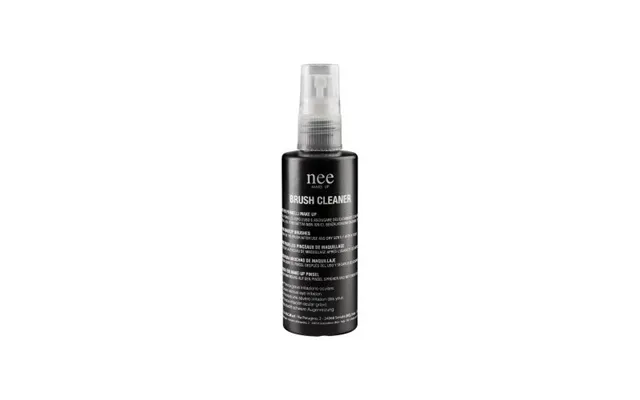
| Nee Make Up Milano Brush Cleaner 100ml | £ 7,08 | |
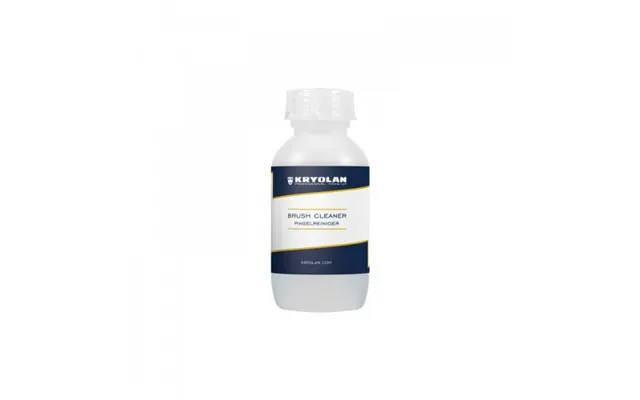
| Kryolan Brush Cleaner 100ml | £ 8,52 | |
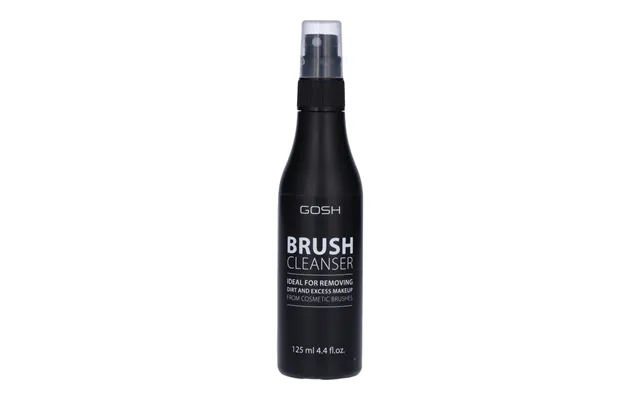
| Gosh Copenhagen Brush Cleanser 125ml | £ 8,79 | |
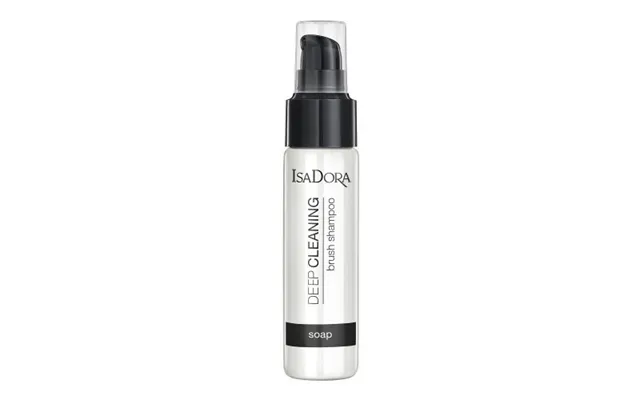
| Isadora Deep-cleaning Brush Shampoo 50ml | £ 11,92 | |
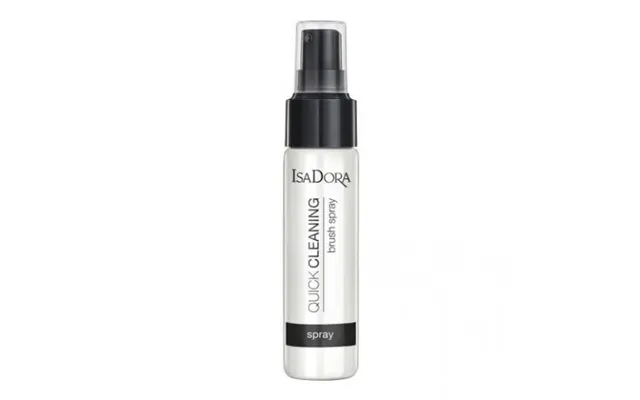
| Isadora Quick-cleaning Brush Spray 50ml | £ 11,92 | |
| Isadora Deep-cleaning Brush Mat 1pcs | £ 14,58 | |
| Idun Brush Cleaner 150ml | £ 15,98 | |
| Make Up For Ever Instant Brush Cleanser 140ml | £ 16,64 | |
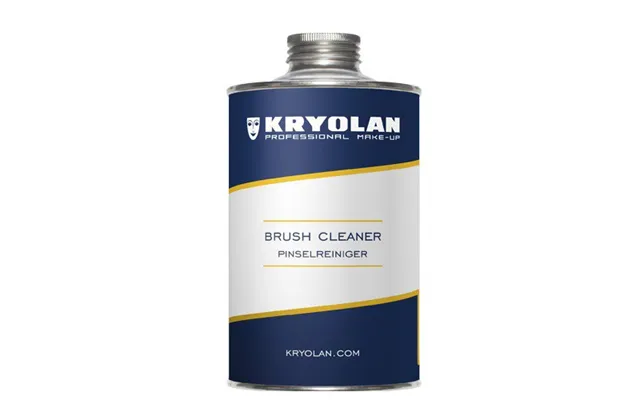
| Kryolan Brush Cleaner 500ml | £ 25,03 | |
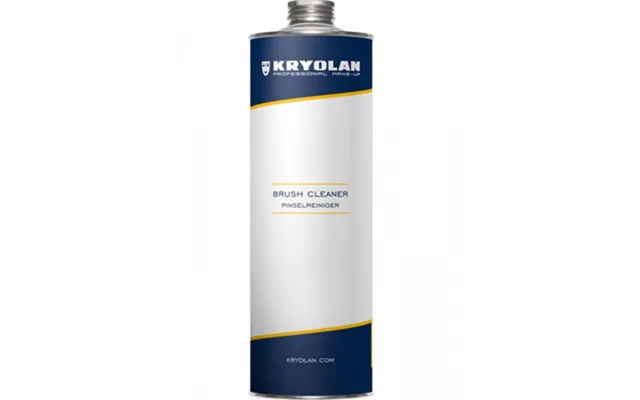
| Kryolan Brush Cleaner 1000ml | £ 39,06 |