

Ear Wax Removal Kits price list
Last updated Monday, 19 Oct 2026




View 11 Offers

Loading...
Last updated Monday, 19 Oct 2026
Ever noticed how a clogged ear can make the world feel muffled, like you’re listening through a pillow? That’s often ear wax doing what it does best—protecting your ear canal—but sometimes doing it a little too well. Ear wax removal kits can help you gently clear build-up at home, keeping your hearing crisp and your ears comfortable. In the UK, there are loads of options across drops, irrigation kits, and even camera-assisted tools. With so many choices—and popular offers everywhere—it’s smart to compare features, prices, and safety notes before you buy. This guide walks you through the most effective types of ear wax removal kits, how they work, what to look for, and how to use them safely. Ready to hear clearly again?
Ear wax isn’t dirty—it’s your ear’s built-in defense system. It traps debris, hydrates skin, and helps fend off infections. Most of the time, wax migrates out naturally. But if you wear earbuds often, use hearing aids, have narrow canals, or produce wax quickly, it can build up and cause fullness, dull hearing, or even ringing. That’s where ear wax removal kits come in. Used correctly, they can soften, loosen, and flush away excess wax so you hear better and feel more comfortable. The trick is choosing the right kit for your needs, using it properly, and knowing when to leave it to a professional.
Not all kits are built alike—and that’s a good thing. Some people respond best to softening drops, others need irrigation (a gentle rinse), and some prefer mechanical removal with safety tools. There are even digital otoscope kits that let you see what’s happening in your ear canal. Below, we break down the most common types, what they do well, and when they shine.
Softening drops are the starter option for many people. Oil-based drops—like olive oil, almond oil, or mineral oil—lubricate wax and help it slide out naturally over a few days. Peroxide-based drops (often carbamide peroxide) introduce oxygen bubbles that break wax into smaller pieces. If you prefer a gentle approach, oils are great. If you want faster action, peroxide-type drops may work more quickly. Many bottles come in about 0.5–1 fl oz sizes and include a dropper for easy application.
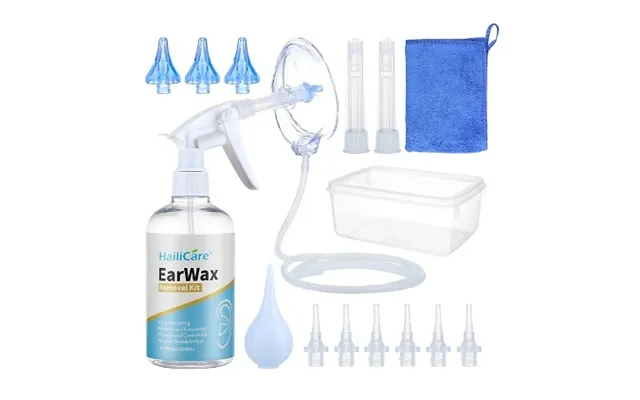
Irrigation kits use warm water to rinse out softened wax. Basic kits include a rubber bulb syringe; more advanced sets use a spray bottle with a controlled nozzle and splash guard. The key is gentle, consistent pressure—not a blast. Always use lukewarm water around body temperature (about 98–100°F) to avoid dizziness. Irrigation works best after a few days of drops, when the wax is already soft and ready to move.
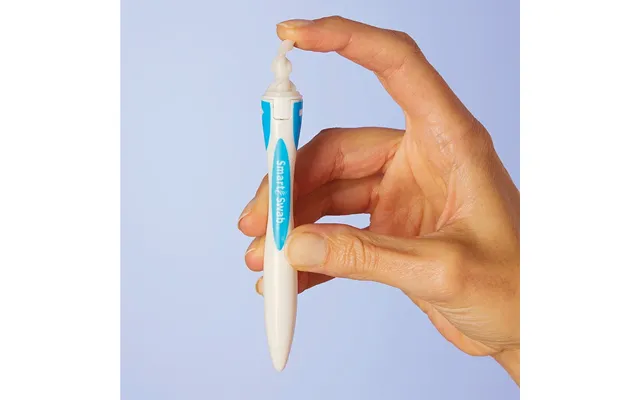
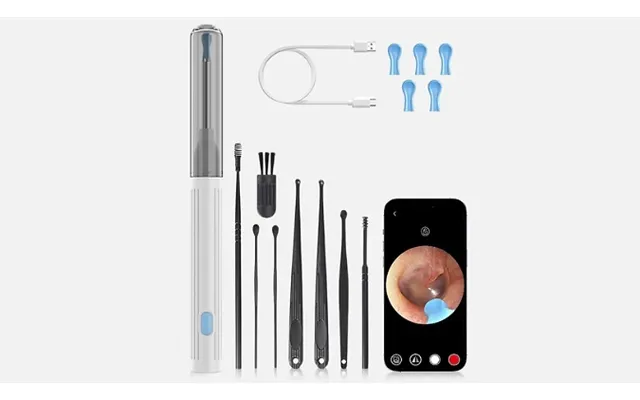
Mechanical tools include silicone spiral tips or scoop-shaped curettes designed with rounded ends. These can help coax wax near the outer part of the canal. The golden rule? Only work in the outer third—never push deep. Look for kits with multiple tip sizes, soft materials, and clear safety instructions. If you’re the hands-on type and already have softened wax, these tools can be quick and tidy.
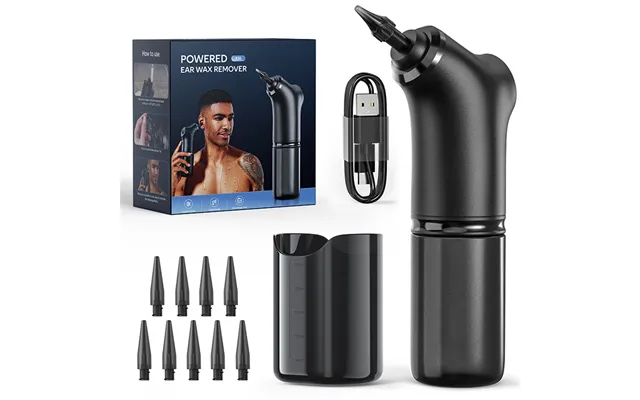
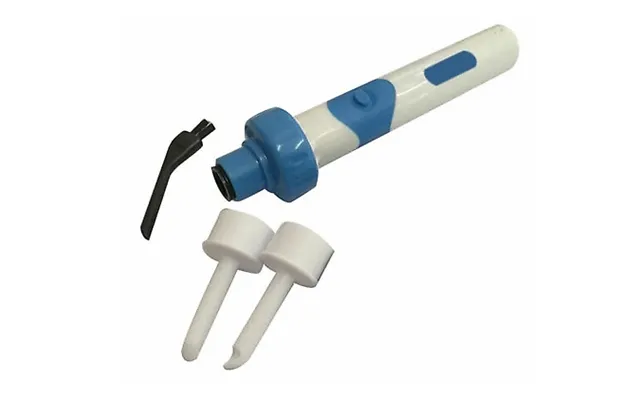
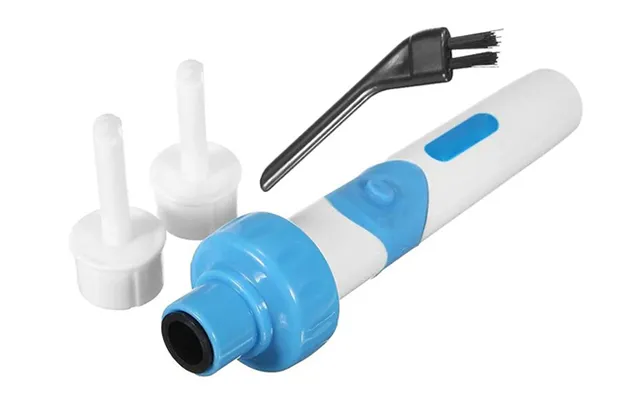
Electric options add power and consistency. Some are gentle vacuum-style cleaners; others are powered irrigators with adjustable pressure and reusable tips. They’re convenient if you have frequent build-up and want something more robust than a bulb syringe. Pick models with pressure control, replaceable filters, and splash guards to keep things safe and mess-free.
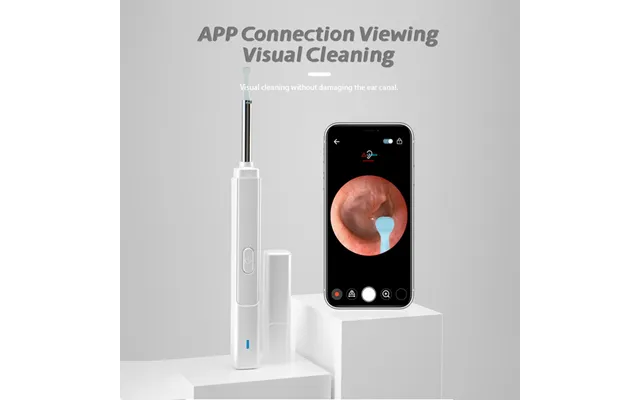
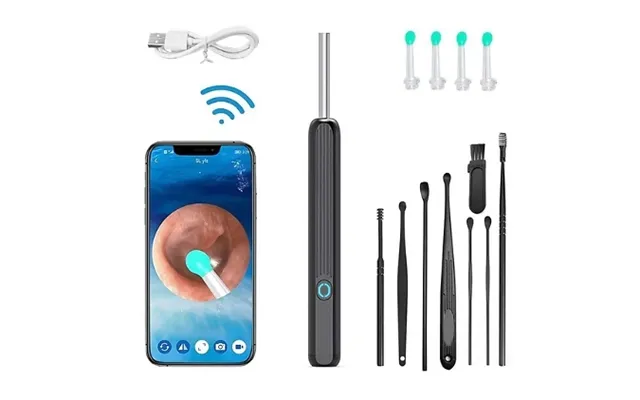
Curious about what’s actually inside your ear? Otoscope cameras send video to your phone, letting you see wax buildup and monitor progress. Many include safe silicone tips and LED lighting. They’re especially useful for checking whether you’ve actually cleared the blockage after drops or irrigation. Choose models with at least 720p resolution, a slim probe (about 0.15–0.2 inches in diameter), and good battery life.
With so many kits in the UK—from simple dropper bottles to high-tech cameras—it pays to compare before you buy. Consider your sensitivity, your wax type (dry or sticky), your comfort level with tools, and whether you need something kid-friendly. Also think about durability, replacement tips, and long-term cost. If you plan to use a kit regularly, pick something with refill options and reusable parts to save money over time.
In drops, common ingredients include carbamide peroxide (a foaming agent that breaks up wax), hydrogen peroxide blends, sodium bicarbonate solutions, and natural oils like olive or almond oil. Peroxide-based formulas often work faster; oils are gentler and soothing for dry or irritated ears. If you have sensitive skin, fragrance-free and alcohol-free options are your friend.
A good nozzle feels secure and prevents over-insertion. Look for soft, flexible tips with flared ends that stop the tip from going too deep. For irrigation, a splash guard or catch basin keeps your bathroom from turning into a splash zone. For otoscopes, slimmer probes and silicone sleeves improve comfort and safety.
For irrigators, adjustable pressure settings help avoid discomfort. You want a steady, gentle stream—not a jet. Also, use lukewarm water—around 98–100°F—so your inner ear doesn’t get a cold or hot shock. Some users keep a small thermometer on hand to be precise, but your wrist test works too: water should feel warm, not hot.
Reusable tips, washable nozzles, and easy-to-clean reservoirs add value. Many kits include multiple silicone tips you can sanitize after each use. If a kit requires frequent replacements, make sure the ongoing cost fits your budget. Reusable gear can be more eco-friendly, too.
Not everyone’s ears behave the same way, so tailor your pick to your situation. Heavy earbud users or swimmers might need regular softening drops and periodic irrigation. If you wear hearing aids, gentle oil drops can help keep wax from building up around the earpiece. If you’re a parent, look for child-safe tips and follow age guidance carefully. And if you’ve got very dry skin or eczema around the ear, oil-based drops may feel more comfortable.
Stick with gentle oil-based drops and avoid harsh additives. If you irrigate, use the lowest pressure setting and keep water lukewarm. A camera otoscope can help you avoid overdoing it—seeing is calming and prevents unnecessary prodding.
If you’re always dealing with blocked ears, a routine helps: oil or peroxide-based drops for 2–3 nights, followed by a careful rinse. An electric irrigator with pressure control can save time. A Wi‑Fi otoscope is handy for periodic checks, so you know when it’s time to repeat the routine.
Wax can sneak into vents and mics, muffling sound. Use softening drops regularly, clean hearing aids daily with a dry tool, and consider an irrigation kit every few weeks if your clinician approves. Keep tips and domes clean, and let ears dry fully after rinsing before reinserting aids.
Good technique turns a decent kit into a great result. Always read the instructions that come with your kit, and if anything feels painful or makes you dizzy, stop and get professional advice. Pain is a red flag, not a sign to push through.
Tilt your head or lie on your side. Add the recommended number of drops (often 5–10). Stay put for 5–10 minutes so the solution can soak in. Place a cotton ball lightly at the entrance if you need to move around. Repeat once or twice daily for 2–3 days. Avoid poking with cotton swabs—those often push wax deeper.
Fill the bulb with lukewarm water (~98–100°F). Lean over a sink with a towel on your shoulder. Gently squeeze the bulb to send a soft stream along the wall of the ear canal—not straight at the eardrum. Let the water drain out. Repeat a few times. Dry your ear by tilting, then gently dabbing the outer ear. Some people finish with a couple of oil drops to soothe the canal.
Choose the lowest pressure to start, and use warm water. Position the splash guard and aim slightly upward and toward the back of the canal. Take breaks between cycles to let water drain. If you feel pressure or pain, stop. Clean and dry the device parts per the manual after use.
Only work in the outer third of the ear canal and only after softening the wax. Insert gently, rotate or scoop per instructions, and never force it. If you can’t see well, don’t guess—use an otoscope camera or skip this method. If you meet resistance or cause pain, stop immediately.
Connect to your phone, attach a silicone tip, and switch on the LEDs. Move slowly and keep your hand steady by resting your fingers against your cheek for support. Look, don’t dig. If you see hardened wax, soften it first for a day or two before trying removal. Clean the tip and lens cover after use.
Home kits are great for routine maintenance—but not for every situation. Do not use drops or irrigation if you suspect a perforated eardrum, have ear tubes, recently had ear surgery, or have an active ear infection. Severe pain, sudden hearing loss, persistent dizziness, or drainage that looks bloody or pus-like are stop signs. In those cases, seek professional care. Avoid ear candling altogether; it’s been widely discouraged because it’s ineffective and can cause burns or blockages. When in doubt, better safe than sorry.
Prices vary by type and features. Basic softening drops typically run around £4–£12 depending on size and formula. Manual bulb syringe kits are often £6–£15, while more advanced spray irrigators range from about £12–£35. Electric irrigators and vacuum-style cleaners may land between £25–£70 depending on build quality. Wi‑Fi otoscope cameras commonly range from £18–£60, with higher-resolution models costing more. Instead of grabbing the first kit you see, compare popular offers, check what’s included (extra tips, carry cases, or refill bottles), and weigh long-term value over a bargain that doesn’t last.
Softening drops are gentle, affordable, and easy to use, but they may require patience and a follow-up rinse. Irrigation is effective for large build-ups once wax is softened, but it takes care to control pressure and temperature. Mechanical tools provide immediate results for shallow wax but require a steady hand and caution. Electric devices add convenience and consistency but cost more. Otoscope cameras help you see what you’re doing and avoid over-cleaning, though they add a tech layer you might not need. The best approach? Start with softening drops, then add irrigation if needed. Use tools or cameras as a complement, not a substitute for common sense.
Clean gear equals better results. Rinse syringes and nozzles after each session and air-dry completely. Sanitize silicone tips according to instructions—many tolerate mild soap and warm water. Store bottles upright and keep dropper tips clean to avoid contamination. For otoscopes, wipe the probe and lens cover after use and recharge so you’re ready next time. For your ears, avoid daily deep cleaning; you’re maintaining, not sterilizing. A light routine—like drops once a week and irrigation only as needed—keeps things balanced.
Myth: “Cotton swabs clean ears.” Reality: they usually push wax deeper and can scratch the canal. Myth: “More pressure is better.” Reality: too much pressure can hurt and actually jam wax tighter. Mistake: using water that’s too hot or cold, which can trigger dizziness. Mistake: over-cleaning, which dries the canal and encourages more wax production. Better approach? Go gentle, give softening drops time to work, and use irrigation or tools sparingly and safely.
Want to reduce waste? Choose reusable syringes, washable tips, and refillable bottles. A small 1 fl oz oil dropper is perfect for travel and doesn’t take up space. If you’re flying, pack drops and tips in a sealed pouch, and avoid irrigating right before takeoff to keep ears comfortable. For holidays, a compact spiral tool and a tiny dropper can handle mild build-up until you’re home again.
If wax tends to build up, a straightforward routine can keep you clear without fuss. Once a week, lie on your side and apply a few oil drops for 5–10 minutes per ear. Every few weeks, if you feel fullness, repeat oil drops for 2–3 nights, then do a gentle irrigation. Use a camera otoscope for a quick check if you’re unsure. If you ever feel ear pain, stop the routine and get professional guidance. Ears are delicate—treat them like fine instruments, not clogged drains.
Quality shows in the details. Look for readable instructions, labeled measurements on reservoirs, pressure controls that click or lock, soft replaceable tips in multiple sizes, and a sturdy splash guard. For drops, a tamper-evident seal and a clean dropper are reassuring. For otoscopes, expect clear video, bright but not glaring LEDs, and a secure phone app that’s easy to navigate. When you compare multiple kits, those small touches separate the truly thoughtful designs from the rest.
Ear wax removal kits can be a game changer when used thoughtfully. Whether you’re starting with softening drops, moving up to a controlled irrigation kit, or adding a Wi‑Fi otoscope for visibility, the winning formula is the same: go gentle, be patient, and prioritize safety. Comparing popular offers helps you stretch your budget without sacrificing quality, and choosing reusable, well-designed tools pays off in comfort and confidence. Your ears work hard for you every day—treat them kindly, and they’ll return the favor with sound that’s bright and clear.