

Bunion Care Supplies price list
Last updated Saturday, 10 Oct 2026
| Bunion Care Supplies | Price |
|---|---|
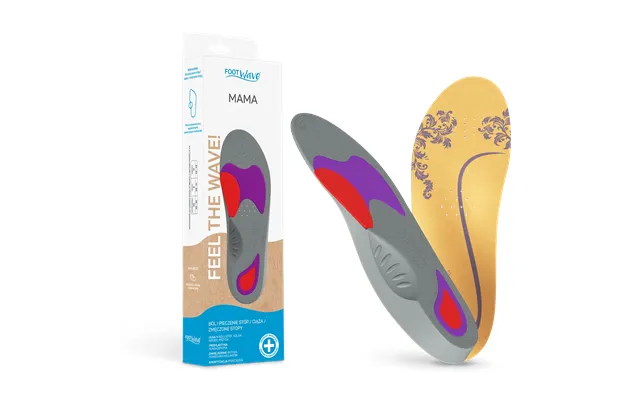
| Footwave Mama - Orthotic Insoles | £27.90 |




View 7 Offers
Loading...
Last updated Saturday, 10 Oct 2026
| Bunion Care Supplies | Price |
|---|---|
| Footwave Mama - Orthotic Insoles | £27.90 |
If the base of your big toe bulges outward and feels tender after a long day, you’re probably dealing with a bunion. In simple terms, a bunion is a misalignment at the big toe joint that nudges your toe inward and the joint outward. Over time, shoes rub, skin gets irritated, and the joint can feel sore and stiff. The good news? With the right bunion care supplies—think pads, splints, and soothing creams—you can tame friction, cushion pressure, and restore comfort. You don’t have to white-knuckle through every step; small tweaks and targeted products can make a big difference.
Genetics set the stage for bunions, but daily habits often steal the show. Narrow toe boxes, high heels, and tight footwear crowd your toes and add pressure where you least want it. Repetitive activities, long hours on your feet, and skipped rest days can amplify irritation. Even your stride and arch type matter. You may not change your foot shape, but you can choose products that cushion and align the joint, cut friction, and let your forefoot spread naturally. That’s the secret sauce—control the controllables and your feet will reward you.
Wondering if it’s time to gear up? If you see redness over the bunion, feel rubbing at the side of your shoe, notice calluses, or find yourself limping by evening, it’s a sign to act. Maybe your big toe drifts toward its neighbor, or your shoes suddenly feel tight across the forefoot. That’s your cue to try pads for cushioning, splints for gentle alignment, creams for soothing, and spacers for toe separation. Start with simple, low-effort fixes you can use every day, then level up to more supportive gear if you need a bit more help.
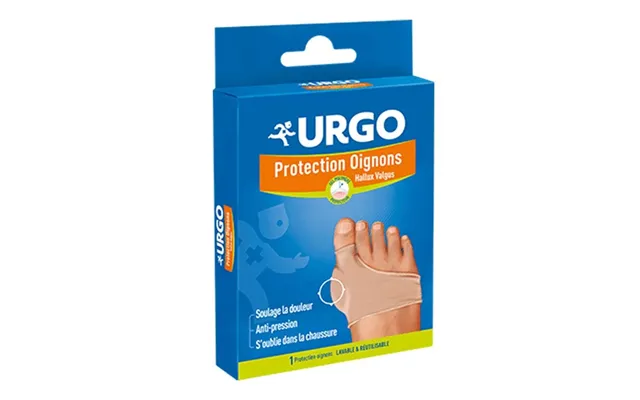
Bunion pads are the unsung heroes of daily comfort. They sit between your bunion and the shoe wall, turning harsh rubbing into soft cushioning. The right pad reduces hot spots, eases soreness, and buys you more time on your feet without the wince. They’re slim, subtle, and easy to use at work, on a walk, or in dress shoes. If you’re new to bunion care supplies, a quality pad is often the easiest, quickest win—especially when you’re trying to tame irritation without changing your entire shoe lineup.
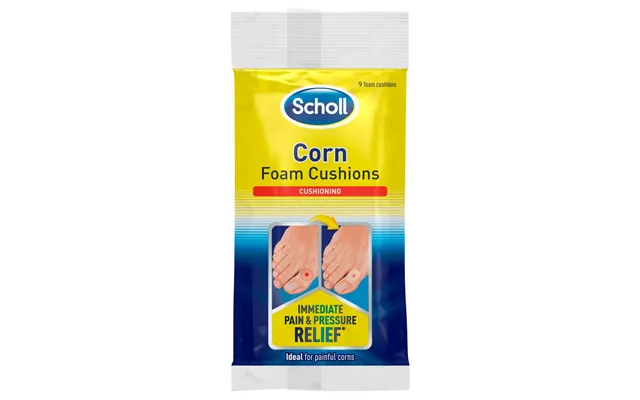
Not all pads feel the same. Gel pads mold to your bunion and offer soft, flexible cushioning that stays comfy through long days. Foam pads are lightweight and breathable, great when you run warm or want a bit more softness under pressure. Moleskin is thin and excellent for friction control in snug footwear—ideal if you need less bulk. Look for medical-grade, hypoallergenic materials if you have sensitive skin, and check for durable adhesive that won’t quit midway through your commute. A simple swap in pad type can transform your shoe experience.
Pad placement matters more than you’d think. Clean and dry the bunion area so adhesives stick. Set the pad so the thickest part sits over the bunion bump, not behind it. If the pad has a cutout, center that window over the most tender spot so your shoe presses the pad, not the bunion. Try the shoe on, take a few steps, and adjust. If the pad shifts, switch to a non-adhesive gel sleeve style that slides over the big toe—no fussing, no sticky edges, still plenty of relief.
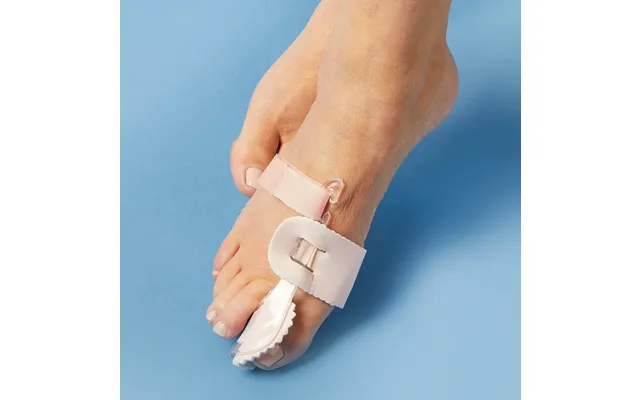
When you’re ready to go beyond cushioning, bunion splints step in with gentle alignment. A splint supports the big toe so it tracks straighter, reducing stress on the joint. You’ll see two main styles: structured night splints and flexible daytime correctors. Think of them as posture trainers for your big toe—no miracles, just steady, consistent support that helps calm irritation and may ease that tight, pushed-in feeling. The key is consistency: a well-fitted splint used regularly can smooth out your long days and speed up recovery after them.
Night splints are sturdier with straps that hold your toe in a straighter line while you sleep. They’re not for walking, but they can reset your comfort for the following day. Daytime correctors are softer—think slim sleeves or loop-and-strap designs that fit inside roomy shoes. They won’t force a dramatic change, but they can reduce the big toe drift that drives friction. Many people use both: flexible support during the day to keep irritation down, and a structured splint at night for a calm reset.
Comfort is king. Look for padded straps that don’t bite, smooth edges that won’t dig into your skin, and breathable fabrics that don’t trap heat. Medical-grade silicone components add cushy pressure relief, while adjustable straps let you fine-tune tension. Start on the looser side and nudge tighter as your foot adapts. Expect a “hug,” not a squeeze. And remember, splints support—your goal is less rubbing, fewer hot spots, and a calmer joint, not a sudden transformation overnight.
Creams and balms earn their keep by calming the skin around your bunion. Anti-friction balms build a silky barrier so shoe contact glides instead of scrapes. Cooling gels and soothing creams take the edge off after long days, especially if the area feels inflamed. If you’re trying something new, scan the label for simple, skin-friendly ingredients and avoid heavy fragrances if you’re sensitive. Think of these topicals as your bunion’s daily skin-care routine—quick to apply, quick to relieve, and easy to pair with pads or spacers.
Before a busy day, swipe on an anti-friction balm to reduce rub. If you use adhesive pads, apply the pad first and balm around the edges—balm under the adhesive can loosen the bond. After work or a workout, a cooling or soothing cream can quiet any lingering heat. At night, a gentle moisturizer can keep skin supple, which helps prevent cracking or thick calluses that add pressure. Layering creams with other bunion care supplies turns small comforts into an all-day strategy.
Look for non-greasy textures that absorb fast so you don’t feel slick in your shoes. Soothing ingredients like aloe, chamomile, or menthol can feel refreshing, while barrier-style balms often rely on waxes and oils to prevent friction. If you’re prone to breakouts or rashes, stick with fragrance-free formulas and patch test on a small area first. Sensitive to adhesives? Choose pads that are labeled hypoallergenic and pair them with creams that won’t compromise the bond. Your skin will tell you what it likes—listen and adjust.
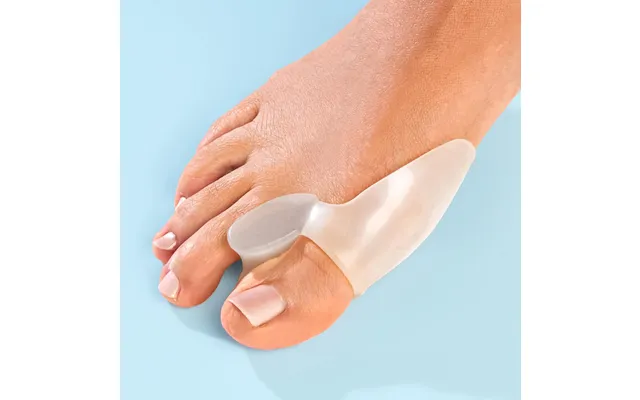
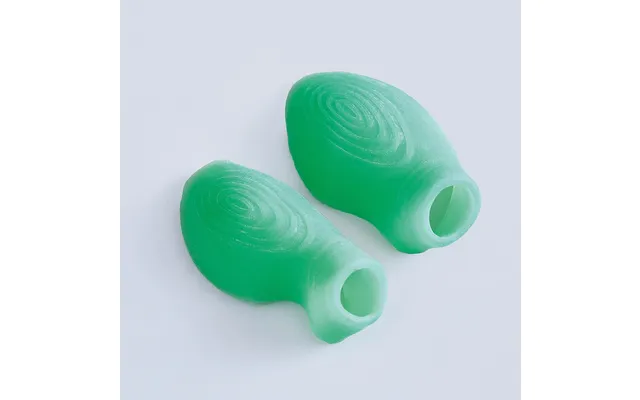
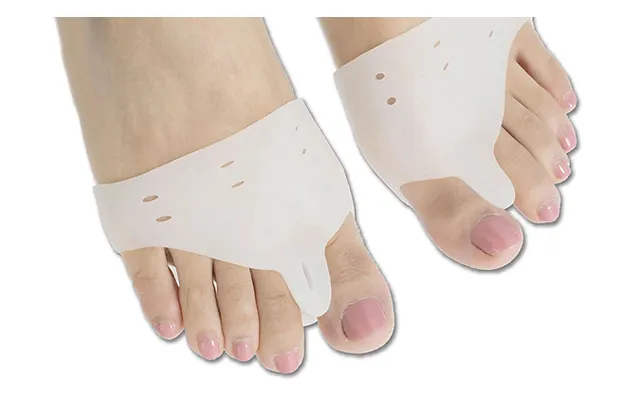
Toe spacers are simple, effective tools that slide between your big toe and second toe to reduce crowding. By carving out a little space, they lessen the inward push that aggravates bunions. Silicone spacers are the most popular because they’re soft, easy to clean, and durable. Sleeves wrap the big toe with a built-in gel cushion over the bunion, combining spacing and padding in one tidy piece. If your bunion complains the moment your toes touch, spacers and sleeves can feel like a sigh of relief inside your shoes.
Spacers come in different thicknesses and shapes—from slim wedges for snug shoes to fuller pieces for roomier trainers. Start with a slimmer spacer to get used to the feel, then step up if you need more separation. Sleeves are great when you want friction control plus a touch of alignment. If a spacer feels too bulky, try a sleeve; if a sleeve feels too warm in summer, return to a thin spacer. The best choice is the one you forget you’re wearing.
Spacers work best in shoes with a roomy toe box. If your toes look bunched from above, the shoe’s too tight for a spacer. For work, reach for low, stable heels or flats with a generous forefoot. For everyday walking, trainers with a wide toe box play nicely with sleeves and spacers. You don’t need to overhaul your closet—rotate pairs that give your forefoot breathing room, and save snug shoes for shorter outings with slim pads and anti-friction balm.
Pressure doesn’t just hit the bunion; it rolls through your whole forefoot. Orthotic insoles help distribute weight and support your arch so your big toe joint takes less punishment. Look for insoles with a gentle metatarsal pad to offload pressure and a stable heel cup to keep your foot aligned. Shoe tweaks help too: choose low heels, flexible uppers, and a wide toe box that lets your toes splay naturally. Together, these quiet the hotspots and make every step feel more stable.
Think soft uppers that stretch with your foot, not against it. A roomy toe box prevents the sidewall from grinding your bunion. Low, stable heels keep your weight balanced, while supportive soles reduce forefoot strain. Removable insoles give you flexibility to add your favorite orthotic. If you’re dress-shoe bound, pick styles with a rounded toe and cushioned lining, then add a thin bunion pad to cut friction. Small changes here add up to big comfort later.
Summer sandals? Look for soft straps that don’t cross directly over your bunion, or pick adjustable straps you can loosen. For winter boots, choose pairs with extra forefoot space so you can slip in a sleeve or spacer. Comfy slippers at home should have supportive footbeds and enough room for a gel cushion. The trick is finding the sweet spot where style meets comfort—and where your bunion isn’t invited to the party.
Sometimes your bunion just needs a cool-down. A reusable cold pack can ease post-walk heat and calm irritation. Wrap it in a thin cloth and give the area short, regular breaks rather than one long chill. Foot soaks can also feel fantastic—warm water helps relax tight tissues after a long day. Pair that with gentle self-massage around (not on) the sore spot to encourage circulation. Add your favorite moisturizing cream afterward so your skin stays soft and resilient under pads and sleeves.
If your bunion feels hot or swollen, short cold sessions can take the edge off. When the ache is more of a deep stiffness, a warm soak before bed may help loosen things. Either way, the goal isn’t to tough it out—it’s to listen to your foot, then match the relief to the feeling. Your routine might look like this: balm in the morning, pad for the workday, spacer on a walk, cold pack after dinner, and a soothing cream before lights out.
Clean, dry skin sets your pads and sleeves up for success. After showers, dry between toes and over the bunion so adhesives stick and moisture doesn’t get trapped. Wash silicone sleeves and spacers with mild soap, air-dry thoroughly, and dust lightly with talc if they feel tacky. Replace worn pads before they thin out and fail at their main job—cushioning. These tiny habits keep irritation down and extend the life of your bunion gear.
Shopping for bunion care supplies can feel like walking into a new language, but it boils down to three things: materials, fit, and skin comfort. If you’re sensitive, look for hypoallergenic, latex-free products and fragrance-free creams. For fit, aim for snug, not tight—pads shouldn’t pinch, and sleeves shouldn’t leave marks. Materials matter too: silicone offers squishy comfort and easy cleaning, while foam is featherlight and moleskin is super thin and stealthy. When in doubt, start simple and iterate from there.
Most sleeves and splints come in size ranges; choose the one that matches your shoe size and forefoot width. Adjustable straps are your friend—start loose, walk around the house, and dial in the fit. If a spacer or sleeve feels bulky in your usual shoes, try a thinner model before you give up. And if adhesives bug your skin, pick sleeves that slide on instead of stick on. Fit is personal; comfort is the metric that matters most.
Think of your bunion care like layering clothes. You may wear a thin gel pad and anti-friction balm for the office, then swap in a toe spacer and supportive insole for your walk home. At night, trade them for a gentle splint and a moisturizing cream. The trick is not to stack so many items that shoes feel tight again. Rotate based on activity and comfort, and give your skin breaks so it stays happy.
Strong feet handle pressure better. Gentle exercises can help your big toe move more freely and your arch support its share of the load. Try towel scrunches to wake up your foot muscles, slow calf stretches to ease pull on the forefoot, and big toe flex-and-extend motions to remind that joint it still has range. Keep it light and steady—this isn’t a race. Combined with pads, spacers, and better shoes, these small moves support a calmer, more cooperative bunion.
Kick off your shoes at home to let toes spread naturally. Swap long heel time for lower, more stable options when you can. Take short walk breaks during desk days to keep blood flowing. If your bunion protests, switch from snug shoes to wider pairs for the afternoon. Micro-habits aren’t flashy, but they’re powerful—especially when you keep at them.
If your bunion pain escalates, you see rapid changes in toe alignment, or you struggle to walk without discomfort, connect with a foot professional for a tailored plan. Your home kit—pads, spacers, splints, and smart shoe choices—works best alongside expert guidance when symptoms are persistent. Consider this a team effort: you handle daily comfort, and a professional helps you fine-tune the long game.
Bunion care doesn’t have to break the bank. Comparison platforms make it easy to scan trusted brands, filter by material and size, and spot bundle deals on pads, sleeves, spacers, and creams. On comparison sites like ZoneOffer, you can view offers across multiple retailers in one place, weigh prices against features, and choose what fits your feet and your budget. Keep an eye out for multipacks of gel pads or spacers and combos that pair sleeves with a night splint—sensible bundles you’ll actually use.
Real-world feedback matters. Look for patterns: do people praise the adhesive staying power? Do reviewers with wide feet say a sleeve runs tight? Are multiple users confirming that a splint fits easily in everyday shoes? Sort out the outliers and focus on consistent themes. If you see the same pluses and minuses repeated, that’s your sign. Pair that intel with return-friendly retailers through a comparison site, and you’ve got a low-risk way to test what works for you.
Some products naturally pair well: gel bunion pads plus anti-friction balm, spacers plus wide-toe footwear, night splints plus soothing creams. Buying them together often saves more than piecing them out. For everyday consumables—think pads and moleskin—multipacks are cost-effective. For reusables like silicone sleeves and spacers, prioritize quality since they last through many washes. Small savings here and there add up fast when you’re using these supplies daily.
Don’t squeeze a spacer into a shoe that’s already tight—that’s a recipe for more pressure, not less. Avoid overtightening splints; comfort beats force every time. Don’t slap balm under adhesives and wonder why pads won’t stick. Watch for skin irritation and rotate products to give your skin a breather. And perhaps the biggest mistake? Expecting one single item to do it all. The real magic happens when you combine pads, spacers, smarter shoes, and a dash of patience.
Here’s the takeaway: bunion care supplies can transform your day from “every step stings” to “I barely notice it.” Start with pads to cushion and cut friction. Add a spacer or sleeve to create toe room. Use a gentle night splint for calm alignment while you sleep. Soothe skin with creams and balms, and keep your shoes friendly with a wide toe box and supportive insoles. Shop smart on comparison sites to find value without guesswork. Small steps, stacked consistently, produce big comfort—one stride at a time.