

Dental Mouthguards price list
Last updated Saturday, 17 Oct 2026
| Dental Mouthguards | Price |
|---|---|
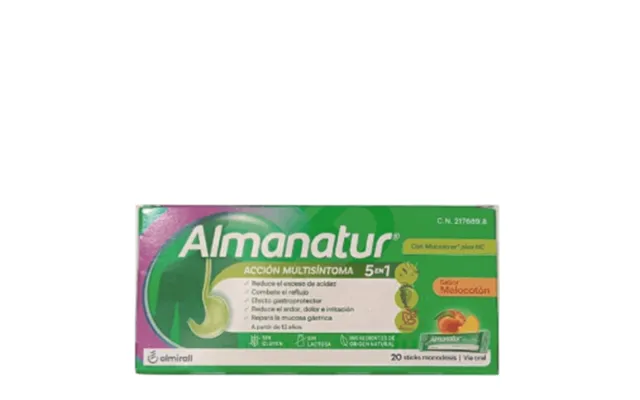
| Almanatur Oral Suspension 20 Sticks 15ml Peach Flavor | £13.00 |
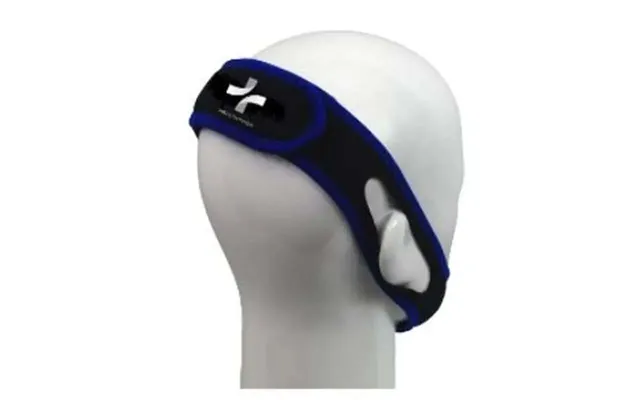
| Healthy Vida Healthy Mandibular Maxillary Band 1piece | £20.20 |




Loading...
Last updated Saturday, 17 Oct 2026
| Dental Mouthguards | Price |
|---|---|
| Almanatur Oral Suspension 20 Sticks 15ml Peach Flavor | £13.00 |
| Healthy Vida Healthy Mandibular Maxillary Band 1piece | £20.20 |
At its core, a dental mouthguard is a protective shield for your teeth and jaw. It’s a small piece of moulded material that sits snugly over your upper or lower teeth to cushion them from impact, clenching, or grinding. Think of it as a helmet for your smile—lightweight, simple, and surprisingly powerful at preventing damage you don’t want to deal with later.
If you grind your teeth at night (bruxism), play contact sports, clench your jaw under stress, or struggle with jaw pain and headaches, a mouthguard can be a game-changer. It helps athletes avoid chipped or knocked-out teeth, and it helps sleepers avoid enamel wear, tooth sensitivity, cracked fillings, and jaw tension. Some designs even assist with mild snoring by repositioning the jaw, though that’s a specific type you’ll want to compare carefully.
Not all mouthguards are created equal. Pick the wrong type and you’ll be fighting discomfort, poor protection, or wasted money. Choose well, and you’ll barely notice it’s there—except for the comfort and peace of mind.
Night guards are designed to protect teeth and joints while you sleep. They absorb and distribute the pressure from grinding or clenching so your enamel and fillings don’t take the hit. Night guards typically come in soft, hard, or dual-laminate (soft inside, hard outside) materials, and they vary in thickness depending on how heavy your grinding is.
Sports guards are built to handle impacts. Whether you play rugby, football, basketball, hockey, or martial arts, a sports mouthguard cushions your teeth and helps protect your lips, cheeks, tongue, and even your jaw from sudden blows. They’re usually bulkier than night guards to deliver extra shock absorption, yet good ones still let you breathe and call plays clearly.
Daytime clenchers are slim, discreet guards you can wear at work or during stressful tasks. They focus on reducing bite force and easing strain on the jaw joints (TMJ). If you find yourself clenching at your desk or in traffic, a low-profile daytime guard can be a quiet hero.
Some devices look like mouthguards but serve different purposes: anti-snoring guards adjust jaw position to keep your airway open, while retainers keep teeth from shifting. They’re not interchangeable. If your goal is protection from grinding or sports impacts, go for a purpose-built mouthguard and compare specialised products separately for snoring or orthodontic retention.
Your fit choice has a huge impact on comfort and effectiveness. The right fit stays put, feels natural, and doesn’t rub your gums raw.
Custom guards are made from an impression of your teeth. You can get one through a dentist or via a mail-in lab kit. They typically offer the best comfort, exact fit, and durability, especially for heavy grinders or anyone with complex bite patterns. While they often cost more upfront, they can be a smart long-term investment.
Boil-and-bite guards strike a great balance between affordability and personalisation. You soften the guard in hot water, bite down, and shape it to your teeth. Done well, you get a close fit that stays secure without the higher price tag of a fully custom device. The key is following the fitting steps precisely.
Ready-to-wear guards can be handy for short-term use or as a spare, but they rarely deliver the comfort or stability most people want. If you’re serious about nightly protection or frequent sports, step up to boil-and-bite or custom for a better fit and fewer distractions.
The material dictates comfort, durability, and safety. Look for high-quality, non-toxic materials and clear labelling. You’ll wear your guard for hours at a time—make sure it’s safe and pleasant.
Many mouthguards use EVA (ethylene-vinyl acetate), a flexible, shock-absorbing material popular for sports and soft night guards. Hard or hybrid guards may be made of tougher plastics or acrylic for durability and bite resistance. If you have allergies or sensitivities, check for latex-free and BPA-free claims and review any safety certifications provided by the manufacturer.
Soft guards feel comfortable immediately and are great for mild clenching. Hard guards resist heavy grinding and are less likely to deform. Dual-laminate guards deliver a best-of-both-worlds approach: a soft inner layer for comfort and a firm outer layer for protection. If you grind like a champ, dual-laminate or hard guards are often the sweet spot.
Thickness is a critical spec most shoppers overlook. Too thin and you’ll chew through it; too thick and you won’t wear it. Balance is everything.
For night guards, common thickness options include around 1/16 inch for light clenchers, about 3/32 inch for moderate grinders, and roughly 1/8 inch for heavy grinders. Sports guards often run thicker for impact protection, sometimes stepping up beyond 1/8 inch for contact sports. If you’re unsure, start with a mid-range thickness and adjust based on comfort and wear patterns.
A well-fitted guard should let you breathe and speak naturally. If you’re drooling excessively or lisping, the fit or thickness may be off. For sports, look for airflow channels and lip-friendly edges. For night use, a slim, contoured design that sits securely without pressing into your gums is key to sticking with it.
Prices vary widely depending on fit type, materials, and brand reputation. The good news? With a bit of comparison, you can find excellent value without compromising quality.
As a general guide, one-size guards tend to be the cheapest, boil-and-bite guards sit in the middle, and custom-fit guards command the highest prices. When comparing offers, look beyond the sticker price: consider included cases, fitting kits, spare guards, warranties, and whether you get a satisfaction guarantee. A slightly higher price can be a better bargain if the guard lasts longer and fits better.
Price-comparison platforms help you scan multiple deals quickly, filter by type and features, and find offers that match your budget. Evaluate ratings and independent reviews, and prioritise clarity in product descriptions. When possible, choose sellers with transparent specifications (thickness in inches, material type, and safety claims) so you know exactly what you’re buying.
A great fit turns a decent guard into a brilliant one. The fitting process isn’t hard, but attention to detail matters.
First, read the instructions that come with your guard. Fill a mug or bowl with hot water. Submerge the guard for the recommended time so it softens. Shake off excess water and, using a mirror, centre the guard over your upper teeth. Bite down firmly, then press the guard against your teeth and gums with your fingers and tongue, creating a tight seal. After forming, cool it in cold water so it sets. If the fit is off, many guards allow one or two refits—check your product’s guidance.
Too much heat can warp the guard; too little and it won’t mould properly. Don’t bite too hard at first—you might thin the material unevenly. If the edges dig into your gums, trim carefully with clean scissors and smooth any rough spots. A case with vents helps the guard dry fully between uses, reducing odour and bacteria.
Look after your guard and it will look after you. Good hygiene protects your teeth and extends your guard’s life.
Rinse before and after use. Lightly brush the guard with a soft toothbrush and non-abrasive cleanser. Avoid harsh chemicals that can break down materials or leave strong tastes. Always store it dry in a ventilated case away from direct heat or sunlight.
Once or twice a week, use a dedicated dental appliance cleaner or mild solution recommended by the manufacturer. Let it soak as directed, rinse thoroughly, and air-dry completely. Keep the case clean too—there’s no point putting a fresh guard into a stale box.
Inspect your guard regularly. If you see bite-through spots, deep grooves, cracks, or warped areas that affect fit, it’s time to replace. Heavy grinders may wear out a soft guard faster, so consider a dual-laminate or hard guard for better longevity.
These look similar at a glance, but they serve different jobs. Mixing them up can lead to poor results—or worse, damage.
Mouthguards are shock absorbers for grinding and impacts. Retainers keep teeth in place after orthodontic treatment. Whitening trays hold whitening gel against your enamel. They’re built differently, fit differently, and shouldn’t be used interchangeably.
If your teeth ache in the morning, you hear grinding, or your partner notices clenching, a night guard is your best bet. If you play a contact sport, choose a sports guard with solid impact protection. If you’re maintaining a straight smile post-braces, you need a retainer, not a mouthguard. And if you’re whitening, use a tray designed for gel application—never a grinding guard.
Growing smiles and orthodontic gear need thoughtful protection. With the right mouthguard, you can keep sport safe and sleep comfortable.
For youngsters in contact or ball sports, a well-fitted sports mouthguard is a must. If braces are involved, look for guards designed to accommodate brackets and wires without snagging. Some boil-and-bite guards mould nicely over braces, but check product details and re-fit as teeth move.
Kids can grind at night too, especially during growth spurts or stressful periods. If you notice wear on baby teeth or complaints of jaw soreness, consult a dentist. Short-term, a slim, comfortable guard can help protect enamel while the underlying cause is investigated.
It’s easy to get dazzled by marketing. Focus on the features that actually affect comfort, protection, and value.
A guard should stay put without constant adjustment and should have smooth, rounded edges that don’t irritate soft tissues. If you’re constantly biting to keep it in place, the fit is wrong.
Look for clear material safety statements, hygiene-friendly storage cases, and meaningful guarantees or trial periods. These signals show the manufacturer stands behind their product—and they give you confidence to try without stress.
Let’s clear the fog. A few persistent myths stop people from getting the protection they need.
Not true. Night grinding is common, and a guard can save you from worn enamel, cracked fillings, and headaches. If you wake with jaw tension or notice tooth sensitivity, a night guard might be the simplest fix you’re overlooking.
A properly fitted guard should not hurt. If yours does, the fit, thickness, or edge trim may be off. Small adjustments or a better-fitting style can make the difference between annoying and effortless.
A good mouthguard helps, but it isn’t a cure-all. Sometimes professional assessment is the smartest move.
If you have persistent jaw pain, clicking joints, severe morning headaches, loose teeth, or cracked dental work, consult a dentist. They can evaluate your bite, recommend the right guard type, and check for issues like sleep-related breathing disorders that need specialised care.
The right dental mouthguard can protect your teeth from grinding, safeguard your smile during sports, and bring relief to a tense jaw. Start by choosing the correct type (night, sports, or daytime), then dial in the fit (custom, boil-and-bite, or ready-to-wear), and confirm the right thickness in inches for your needs. Prioritise safe materials, comfortable edges, and a design that lets you breathe and speak naturally. Compare offers carefully, focusing on value rather than just price, and pick a product that comes with clear specifications and a case you’ll actually use. With a well-chosen guard and simple daily care, you’ll sleep easier, play harder, and keep your smile in top form for years to come.