

Dental Water Jet Replacement Tips price list
Last updated Monday, 19 Oct 2026


View 10 Offers
Loading...
Last updated Monday, 19 Oct 2026
If you’re using a water flosser and haven’t thought much about the tip on the end, you’re not alone—and you might be missing out on cleaner teeth and healthier gums. Dental water jet replacement tips are the unsung heroes of modern oral care. They direct the water stream, adapt to different needs, and determine how effectively you remove plaque and debris. Swap in the right tip and suddenly your routine feels faster, gentler, and more thorough. Sounds dramatic? It is. The right replacement tip can feel like upgrading from a basic garden hose to a precision power washer—but for your smile.
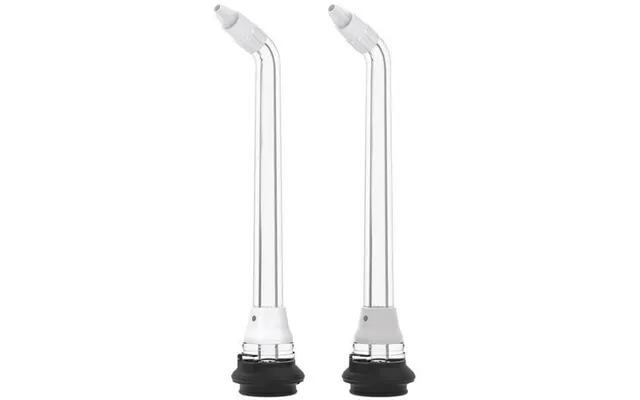
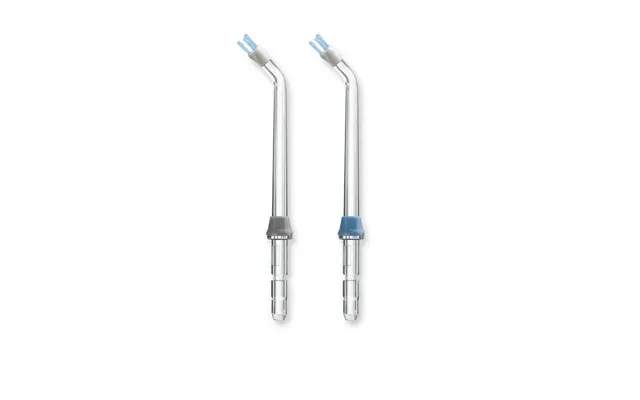
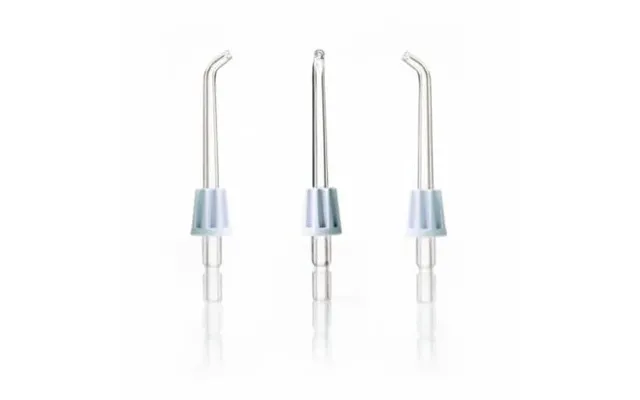
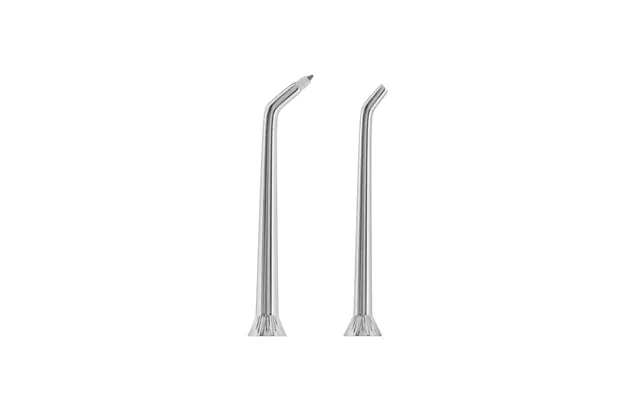
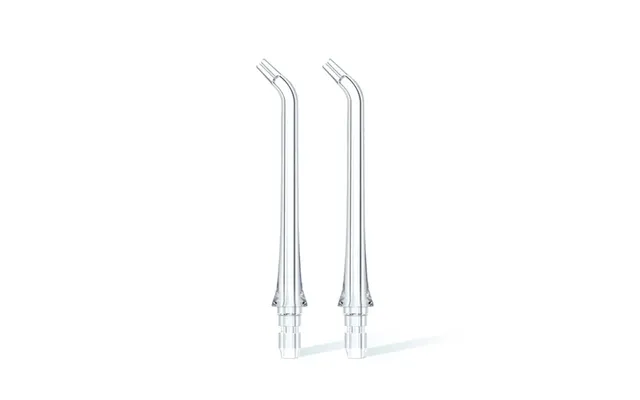
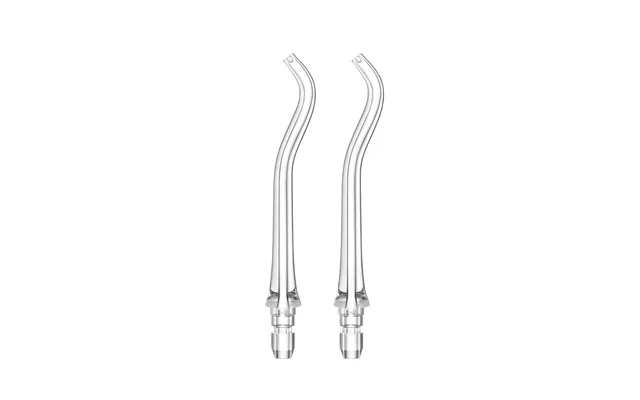
A water flosser tip—also called a jet tip or oral irrigator nozzle—is the detachable piece that channels pressurized water between teeth and along the gumline. It’s designed to reach spots that string floss and brushing often miss, flushing out sticky plaque and stubborn food particles without friction. Think of it as a tiny, targeted rinse that can squeeze into tight spaces while staying gentle on sensitive areas. Most tips are between about 2 to 4 inches long, click into the handle, and come in different styles tailored to braces, implants, or deep gum cleaning.
Inside your water flosser, a pump builds pressure—often adjustable across a wide range measured in PSI—then pushes water through the narrow channel of the tip. That focused stream dislodges buildup that likes to hide in interdental spaces. If your device lets you modulate pressure, you can start low for sensitive gums and ramp up as you get comfortable. The tip’s shape controls how the water fans out, spirals, or pinpoints specific zones, which is why tip design matters so much.
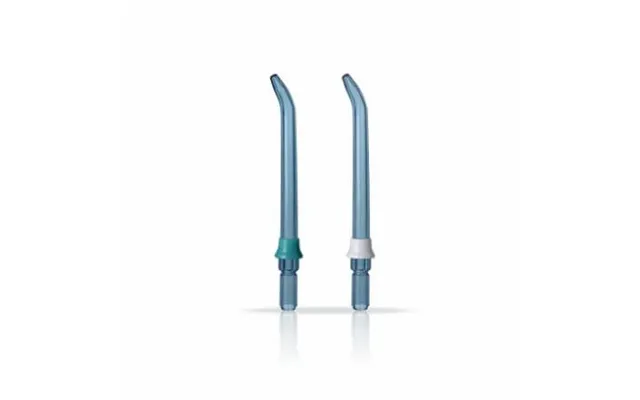
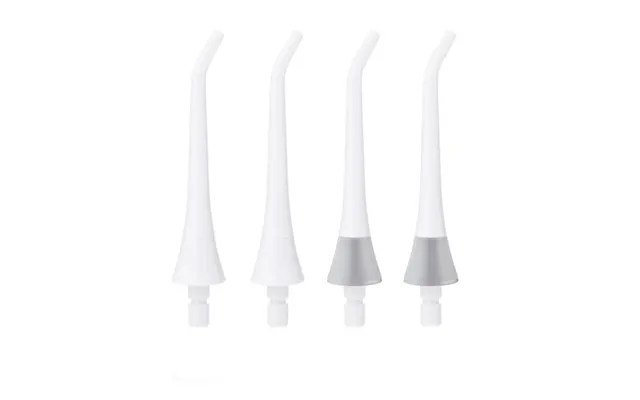
Most tips have three parts: a connector that locks into your flosser, a transparent or colored stem, and a slim nozzle opening. Some include soft silicone ends for delicate areas, while others feature angled spouts to reach behind molars. A colored ring often distinguishes different tip types or helps families tell them apart. Simple? Yes. But the engineering behind that tiny nozzle makes all the difference in cleaning performance.
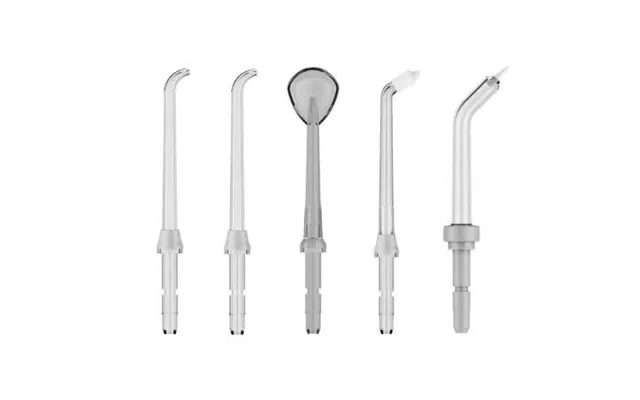
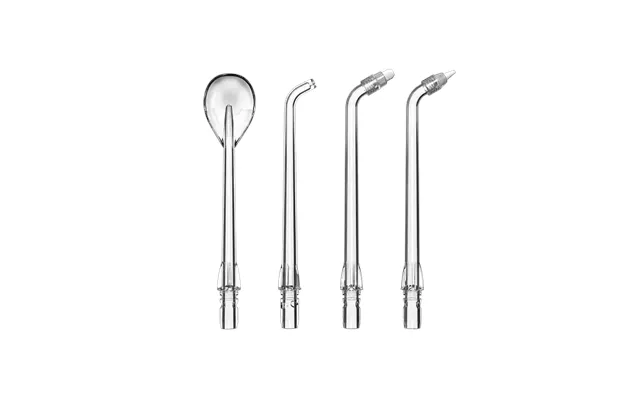
Not all replacement tips are created equal, and that’s a good thing. Different mouths need different tools—braces collect debris, implants require gentle care, and sensitive gums prefer a softer touch. Here’s a friendly rundown of common tip types and when to use them.
These are your go-to everyday nozzles for general cleaning. They aim a concentrated stream along the gumline and between teeth, ideal for routine plaque removal and fresh breath. If you’re not sure where to start, a classic jet tip usually does the job beautifully and pairs well with daily brushing.
Braces and aligners turn cleaning into an obstacle course, but orthodontic tips make it easy. With a tapered design and sometimes a soft brush at the end, they slip around brackets and wires to flush out trapped food. If you wear fixed braces, an orthodontic tip is practically essential for keeping plaque at bay and preventing white spots.
If you have crowns, bridges, veneers, or implants, look for plaque seeker tips. These often use multiple thin bristles near the tip to target plaque on restorative work without scratching. They’re gentle yet thorough—like a soft paintbrush that can still scrub where needed.
For gum care and deeper cleaning along the sulcus, periodontal tips use a soft rubber end to deliver a low-pressure rinse just below the gumline. They’re helpful if your dentist has mentioned early gum issues or periodontal pockets. The flow is intentionally softer to avoid irritation while still sweeping out bacteria.
Bad breath doesn’t stand a chance when you add a tongue cleaner tip to your routine. This style sweeps away residue on the tongue’s surface while rinsing it off in real time. It’s a quick extra step that pays off with a fresher feel.
Choosing the best water flosser tip is like picking the right running shoes—fit and purpose matter. Start with your oral health goals: everyday cleaning, managing braces, protecting implants, calming sensitive gums, or battling bad breath. Then match those goals to the tip type. You’ll notice an instant difference when you pair the right tool with the right task.
Different brands use different connectors, so always check the model compatibility before you buy. Many tips are brand-specific, while others are designed to fit a range of models within the same brand family. If you’re mixing and matching, verify the connector size and locking mechanism so your tip seats securely and doesn’t wobble.
Some tips excel at higher pressures for a deep clean; others are tuned for comfort. If your gums feel tender, start with a lower PSI and a periodontal or classic tip. If you’re chasing that squeaky-clean, just-left-the-dentist feel, a classic or plaque-oriented tip at a medium to higher PSI can be a game-changer. The beauty of a water flosser is control—you set the tempo.
Your water tank size matters more than you think. A compact unit with around 10 to 16 ounces might require a quick refill mid-session if you linger, while larger bases with 20 to 25 ounces let you clean steadily without pausing. Think about your routine: fast and focused or slow and thorough? Choose accordingly.
If you’re often on the go, travel-friendly tips and cordless flossers are a blessing. Look for slim, durable tips with protective caps and a carry pouch. At home, you might prefer a broader selection: classic, ortho, perio, and tongue tips ready to clip in depending on your needs that day.
Replacement timing is crucial. Tips wear down, openings widen, and performance drops slowly—so slowly you might not notice. As a general rule, most tips are replaced a few times a year, though some special types may be swapped more or less often based on manufacturer guidance and how frequently you use them. If the water stream looks uneven, the nozzle looks warped, or the tip has discolored, it’s time to refresh.
Watch for fraying bristles on plaque seeker tips, any cracks in the stem, or a loose connection that doesn’t click tightly. If your device suddenly feels weaker at the same PSI, the tip could be worn out or partially clogged. Trust your senses—if cleaning feels less effective even after a deep clean of the device, a new tip often restores that crisp performance.
After each session, eject the tip, rinse it under warm water, and let it air dry upright. Avoid sealing a damp tip in a case. If multiple people share a device, color-code tips and store them separately to prevent mix-ups. Good hygiene habits extend the life of your tips and keep your routine feeling fresh.
Even the best tip needs a little TLC. Mineral buildup and biofilm can creep in over time, especially if you live in a hard-water area. A consistent maintenance rhythm keeps the water flow smooth and the nozzle clear.
Once a week, soak tips in a mild cleaning solution that’s safe for oral tools, then rinse thoroughly. Run a reservoir of clean water through the flosser to flush out any residue. This mini spa day for your device keeps performance reliable without much effort.
Each month, give everything a more thorough refresh. Descale according to your device guidance, wipe down seals, and inspect O-rings or gaskets. If your tip has a silicone sleeve, check it for wear. A few minutes of maintenance can add months of crisp, efficient water flow.
Hunting for value on dental water jet replacement tips? Smart move. Prices can vary widely between retailers and over time, so it pays to compare. Use a trusted comparison platform to scan popular offers across multiple shops in one place. You’ll spot bundle discounts, multi-pack value deals, and seasonal promos at a glance. When you evaluate offers, look at the cost per tip in a pack, the included tip types, and any warranty or authenticity assurances for branded accessories. Remember, you’re not buying a new device—just the precision parts that make your current flosser shine, so great deals are common if you compare thoughtfully.
If you’re new to water flossing or simply want better results, a simple, repeatable routine is your best friend. A few tweaks in your technique can turn a decent clean into a dentist-approved one.
Fill the reservoir with lukewarm water for comfort, attach your chosen tip, and set the pressure low. Lean over the sink, place the tip in your mouth before switching on, and keep lips slightly closed to avoid splashing while letting water flow out.
For braces, trace along the gumline, then angle around brackets and wires. For implants or bridges, use a plaque seeker tip to gently sweep along the gum margin. Sensitive gums? Stick with a lower PSI and a periodontal tip, guiding the soft end just under the gumline for a soothing rinse.
Work methodically—back molars first, then forward. Glide along the gumline and pause between each tooth for a couple of beats. If you use a tongue cleaner tip, finish with a few gentle passes to reduce odor-causing residue. Rinse the tip, let it dry, and enjoy that post-clean zing.
Brand ecosystems matter with replacement tips, because connectors, pressure profiles, and nozzle geometry differ. While the fundamentals are similar across devices, picking tips that are purpose-built for your model ensures the best seal, safest operation, and most consistent results.
Many shoppers look for Waterpik-compatible tips because of the wide range of styles—classic, orthodontic, plaque-focused, and periodontal. If you use a countertop base with a larger reservoir, you’ll appreciate the steady pressure and the convenience of keeping multiple tip types within reach. Always match the tip series to your specific handle to guarantee a proper click-in fit.
Air-assisted devices use quick bursts instead of a continuous stream, and their nozzles are designed for that pattern. If your device works in short pulses, choose the tips intended for it; they funnel the bursts precisely where needed. Alternatives exist for some models, but always verify connector style and pressure compatibility to avoid leaks.
Some systems pair toothbrush handles with irrigators, while others are stand-alone. With combo units, tip compatibility can be more specific, so double-check product codes before you buy. For lesser-known brands, look for clear compatibility charts and authentic packaging to ensure you’re getting the real thing.
It’s not a cage match—each tool has strengths. String floss can scrape plaque from tight contact points, while water flossers flush out debris from gumlines, orthodontic hardware, and hard-to-reach spots. Many people find water flossing more comfortable and, frankly, more likely to become a daily habit. If you’ve struggled to floss consistently, a well-chosen water flosser tip can be the nudge that turns “I should” into “I do.” For best results, consider a one-two combo: brush, water floss, then—if you like—finish with targeted string floss in a few extra-tight areas.
Want to reduce waste and save money? Look for multi-packs that cut down on packaging per tip and consider brands offering recyclable components. Durable tips that hold up well before replacement also reduce waste over time. If several people in your household water floss, choose color-coded value sets so everyone has their own tip while you benefit from a lower cost per piece.
A few common slip-ups can cap your results. Don’t crank the pressure to the max on day one—start low and work up slowly as your gums adapt. Don’t angle the tip straight up into the gums; instead, aim at a gentle angle toward the gumline to sweep, not jab. Don’t skip cleaning your tips, and don’t ignore wear and tear—tiny cracks and enlarged openings sap performance. And finally, don’t assume one tip suits all. If you have braces, implants, or sensitive spots, switching tip types can transform your clean.
Dental water jet replacement tips are small, but they make a big difference. The right tip can elevate your clean, protect sensitive areas, and make consistent oral care feel easy. Whether you want everyday freshness, brace-friendly precision, or gentle gum care, there’s a tip designed for you. Compare popular offers in the UK, match the tip to your device and goals, and keep a simple maintenance routine. Your gums will thank you, your breath will stay fresher, and your smile will feel like it just took a deep breath of fresh air.