

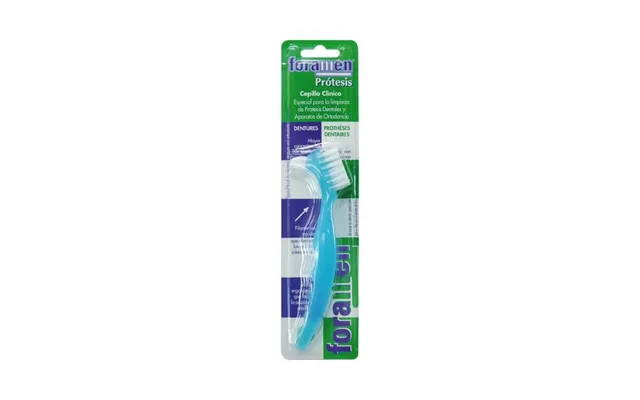
Denture Repair Kits price list
Last updated Saturday, 17 Oct 2026
| Denture Repair Kits | Price |
|---|---|
| Foramen Protesis Denture Brush -599 | £4.30 |




Loading...
Last updated Saturday, 17 Oct 2026
| Denture Repair Kits | Price |
|---|---|
| Foramen Protesis Denture Brush -599 | £4.30 |
A denture repair kit is a simple, at-home solution designed to fix small breaks, cracks, or missing teeth in dentures without a rush visit to the dentist. Think of it as a roadside emergency kit for your smile: it won’t replace professional work, but it can safely hold you over when it counts. Most kits include a repair resin or adhesive, mixing tools, and sometimes replacement teeth, so you can mend fractures, reattach a tooth, or fill a chip and get on with your day with more comfort and confidence.
If you wear full or partial dentures, a repair kit is a smart backup. Accidents happen—dropping your plate on the bathroom floor, biting into a crusty baguette, or noticing a hairline crack the night before a big event. A kit helps you stabilize the damage, restore function, and reduce irritation until you can arrange a professional appointment. It’s also helpful for caregivers managing a loved one’s denture care, and for travel, when getting to a clinic quickly isn’t easy.
Not all kits are built for the same job. Some target cracks and clean breaks, others replace a missing tooth, and some focus on comfort by adding a soft layer between your gum and the denture base. Knowing the difference helps you pick the right fix the first time. The most common categories include crack-and-fracture kits, tooth replacement kits, and reliner or cushion kits that improve fit and reduce sore spots.
These kits use an acrylic-based resin to close a split in the denture base or to repair a clean break. You’ll typically mix liquid and powder, apply the blend to the broken area, bring the pieces together, and let it cure. The result is a rigid, durable bridge that restores structural integrity. Look for clear instructions, strong bond strength, and a kit that includes tools for trimming and smoothing, so your bite feels natural and comfortable again.
When a denture tooth pops out or chips beyond recognition, a tooth replacement kit is your friend. You’ll often get one or more replacement teeth along with resin to seat the tooth. Shade matching matters here—choose a kit that offers multiple shades or clear guidance to blend with your existing teeth. The goal is a tight, secure fit that doesn’t rock, so you can smile without drawing attention to the repair while you wait for a permanent solution.
Reliner kits add a soft or semi-soft layer inside the denture to improve comfort and grip. If your denture feels loose, rubs sore spots, or clicks when you talk, a reliner can help restore a snug feel. Cushion-style liners are great for short-term relief. Premium soft liners can last longer and reduce pressure points. Remember, relining changes fit, not structure—so it’s not a substitute for repairing a crack or replacing a tooth.
The best denture repair kits balance strength, safety, and ease of use. You want materials that are designed for oral appliances, a workable setting time so you’re not rushing, and clear instructions you can follow without guesswork. Add-ons like dental-grade mixing cups, spatulas, and finishing tools make the process cleaner and the results smoother. Finally, prioritize kits with transparent safety warnings and allergy guidance, especially if you’ve had sensitivities in the past.
Choose kits that clearly state they’re intended for denture use and are free from household glues or questionable chemicals. Medical-grade acrylic resins and denture-safe adhesives are formulated for the mouth, resisting moisture, temperature changes, and daily wear. Avoid general-purpose glues, which can be toxic and brittle. If you have a known acrylic allergy, look for hypoallergenic options and always perform a small test before committing to a full repair.
Every resin has a “sweet spot” where it’s flexible enough to shape but firm enough to hold. Kits that give you a couple of minutes of working time help you place parts accurately and clean up edges before curing. Then you want a firm set within a reasonable window—long enough to be strong, short enough so you’re not waiting all afternoon. Fast-setting kits are great for quick fixes, while slower sets can be easier for beginners.
Especially for tooth replacement, shade options and polishability matter. A tooth that’s too bright or too dull will stand out in photos and in person. Look for kits that either include multiple shade tabs or provide advice on blending with a clear topcoat. After curing, the ability to trim and polish edges reduces rough spots so your tongue isn’t constantly finding a new sharp edge every time you talk or eat.
Using a kit is straightforward when you slow down and follow the sequence. First, clean and dry everything. Then, dry-fit the broken parts or the replacement tooth to be sure the alignment is right. After that, mix your resin, apply to the mating surfaces, and seat the parts together with steady pressure. Finally, let it cure fully, then trim and polish the excess. When in doubt, do a quick practice dry run before you commit with adhesive.
Wash your hands and clean the denture with a denture-safe cleanser. Dry the surfaces thoroughly—moisture weakens bonds. Reassemble the broken pieces without adhesive to check alignment. If you’re replacing a tooth, test the fit in the socket. This “dress rehearsal” saves headaches once the resin starts to set, because you’ll know exactly how pieces should meet and how much material you truly need.
Measure carefully, following the kit’s instructions. Mix your powder and liquid until smooth. Apply a thin, even layer to both sides of the break or into the tooth socket. Less is more at this stage: overfilling creates squeeze-out and extra trimming later. Bring the parts together, hold steady, and ensure edges align. If the kit includes clamps or supports, use them to keep everything stable while curing.
Respect the full cure time. Taking the denture out of the jig or into your mouth too early can weaken the bond. Once cured, use the included file or emery to trim excess resin, then polish to a smooth finish. Run your tongue gently along the repaired area—if you feel sharpness, keep polishing. A smooth edge protects soft tissue and makes the repair feel like it’s always been there.
When you browse denture repair kits across UK retailers, you’ll find a few categories pop up again and again: multi-repair value packs, single-use emergency kits, and premium acrylic systems that deliver higher strength. Comparing offers helps you spot real value—think extra mixing tools, more resin per kit, or bundles that include a reliner and adhesive. Keep an eye out for limited-time deals that drop the cost without cutting quality.
Value packs are ideal if you’ve had recurring issues or care for multiple dentures. They include enough resin and tools for several fixes, and they often throw in extras like polishing sticks or shade options. They cost a bit more upfront but usually deliver a lower price per repair, which adds up if you’re managing hairline cracks or the occasional popped tooth over the course of a year.
Emergency kits shine when you need a quick, reliable fix without a learning curve. They contain pre-measured components, so you can mix and go in minutes. If you’re traveling, these are compact, easy to pack, and less messy since you won’t have leftover materials. The trade-off is value—single-use kits cost more per repair, but they minimize waste and decision-making in a pinch.
Premium kits use higher-grade resins designed for strength and durability, often curing to a hard, polishable finish that resists staining. If you want a repair that looks seamless and lasts longer, step up to a premium option. Some even include conditioner solutions to prep the surface, improving bond strength and longevity, especially on older dentures that have seen daily wear.
At-home kits are convenient, affordable, and surprisingly effective for small issues. They restore function, protect soft tissue from sharp edges, and buy you time to book a professional visit. But they’re not magic. Severe breaks, poorly fitting dentures, and complex bites may need a dentist’s touch. The real win is using a kit as a safe, temporary fix rather than a permanent substitute for professional care.
If you’re dealing with a clean crack, a lost tooth, or a minor chip, a kit can get you smiling and eating soft foods again the same day. It’s also smart for late-night or weekend emergencies, when clinics may be closed. For people with events on the calendar—photos, interviews, family gatherings—a quick repair calms nerves and maintains normal speech and appearance.
Head straight to a professional if the denture is shattered, the base is warped, or the break crosses critical structural areas like clasps on a partial. Ongoing discomfort, frequent breaks, and chronic looseness mean your fit has changed and you need an expert relining or remake. And if you suspect infection or sores won’t heal, don’t delay—book an appointment.
Sometimes the fix isn’t the whole story. Comfort boosters like cushion grips, soft reliners, and reliable adhesives make your repaired denture feel secure and gentle on gums. Pairing a repair kit with the right comfort add-ons reduces rubbing, improves speech, and helps your denture stay put through meals and conversations.
Soft liners act like a padded insole for your denture, evening out pressure and cushioning tender spots. If your gums are sensitive, a soft liner can be a game-changer, especially after a repair where the bite may feel a touch different. Choose liners known for a smooth finish and easy trimming so you can fine-tune the fit without fuss.
A quality adhesive adds a subtle layer of security. Look for long-hold formulas that resist food acids and stay comfortable all day. Powders offer a drier feel, while creams deliver a plush seal. If you’re using a reliner, check compatibility—some adhesives are formulated to work better with soft liners, enhancing grip without gumming up the surface.
Clean repairs last longer. Use a denture-safe cleaner and a soft brush to keep resin surfaces smooth and stain-free. Avoid very hot water that can warp the base. Overnight, store dentures in a soaking solution designed for dentures to protect materials and reduce odors. A clean, hydrated denture is kinder to your gums and keeps the repair in top shape.
Match the kit to the job and to your comfort level. If you want a quick, low-mess fix, grab a single-use pack with pre-measured components. For multiple known issues, choose a value kit with extra resin and tools. Focus on clarity of instructions, included tools, and whether you need tooth replacement, crack repair, or relining—or a bundle that covers all three.
Full dentures rely on a stable base, so crack repair strength is key. Partials include clasps and metal components, so alignment and tooth replacement accuracy matter even more. If you wear a partial, double-check that the kit is suitable for use near metal and that you can seat parts without bending or stressing the clasp.
Uppers often rely on suction, so smooth surfaces and good edge polish help maintain a seal. Lowers fight gravity and tongue movement, so reliners and adhesives can be especially useful. When repairing a lower denture, pay close attention to bite height. Even a small overfill can change how your teeth meet and affect comfort.
If you’ve ever reacted to acrylics or adhesives, choose kits labeled hypoallergenic and test a tiny amount first. Look for transparent ingredient lists and avoid strong fragrances or unnecessary additives. Comfort should include peace of mind—no one wants a fix that triggers irritation.
Prices vary widely by kit type and contents. Premium resin and multi-repair bundles cost more upfront but can save money over time. Before you buy, compare offers, features, and real user feedback across multiple retailers. Using a comparison site like ZoneOffer helps you scan popular deals quickly, stack value against price, and find options that match your needs without overspending—remember, it’s a place to compare, not a store.
Bundle packs that include repair resin, a reliner, and adhesive often deliver the best per-use cost. Keep an eye on seasonal promotions and coupon codes, especially around holidays or major events. If you’re buying for travel, consider two single-use kits instead of one larger pack so you can keep one at home and one in your bag.
Reviews reveal the truth about ease of use and durability. Scan for comments about working time, taste, and how well the repaired area blends in. Also, peek at a copy of the instructions if available online—clear step-by-step guides and diagrams reduce stress and lead to better results the first time.
Most hiccups come from rushing, using too much resin, or skipping prep. Take your time with cleaning and dry-fitting. Measure carefully. And don’t chew on tough foods too soon—give the repair its full cure window. If anything feels off—painful pressure, sharp edges, or a lopsided bite—stop and adjust before wearing it for the day.
It’s tempting to add “just a little more” resin, but overfilling can raise your bite and create soreness. Aim for the thinnest effective layer. After curing, check your bite gently. If one side hits before the other, gradually trim and polish the high spot until both sides meet evenly and comfortably.
Household superglue isn’t designed for the mouth. It can be brittle, taste awful, and release fumes during curing. Worse, it can trap bacteria and stain. Always use denture-safe products designed for oral use. Your mouth will thank you—and your repair will last longer.
Picture this: you’re out of town for a long weekend when you chip a front denture tooth. A small tooth replacement kit lets you set a matching tooth, polish the seam, and smile in photos without stress. Or imagine a hairline crack on a Friday night. A crack repair kit can bridge and reinforce the split so you can eat soft foods and speak clearly until you see a professional.
For travel, pack a compact, single-use kit with pre-measured resin and at least one replacement tooth. You’ll appreciate minimal mess and fast setup. A small polishing stick helps smooth the surface so it looks natural. Toss the kit in your toiletry bag and you’re covered without overpacking.
Hairline cracks can spread, so stabilize them early. A premium acrylic kit with a conditioner solution improves bond strength and reduces the chance of the crack creeping further. Follow with a soft liner if the area feels tender, and you’ll get through the event without worrying about a sudden snap.
A great repair deserves great care. Stick to soft foods for the first few hours so you’re not stressing the bond. Keep the denture clean and avoid extremes—very hot drinks can soften some materials. Store your denture properly overnight, and check in with your dentist when you can. Good habits stretch the life of both your denture and the fix.
Right after a repair, favor softer foods and cut tougher items into smaller bites. Avoid very sticky treats that tug on edges. As the repair settles and feels strong, ease back into your normal routine. If you notice pressure points, trim and polish with care—or consider a comfort liner.
When you’re not wearing dentures, keep them in a denture-safe soak so they don’t dry out and warp. Schedule a professional checkup if you’ve had multiple breaks in a short window—your bite or gum shape may have changed. A professional reline or adjustment can prevent future issues and extend the life of your denture.
Denture repair kits give you control when life throws a curveball at your smile. Whether you’re sealing a crack, replacing a tooth, or adding cushion with a reliner, the right kit can restore comfort and confidence quickly. Choose denture-safe materials, follow the steps, and pair your repair with smart care to keep things comfortable. And when it’s time to buy, compare popular offers to balance quality and price—so your emergency fix feels easy, safe, and dependable from the first mix to the final polish.