












All categories
Business & Offices
Electronics & Media
Fashion & Accessories
Groceries & Essentials
Health & Personal Care
Home & Living
Kids & Family
Sports & Outdoors
Search in ZoneOffer

Loading...
From quick backyard fun to full-on aviation hobbies, flying toys are soaring in popularity for good reason. They’re easy to learn, surprisingly durable, and wildly entertaining across all ages. Whether you’re after a hand-launched foam glider for the kids or a beginner-friendly RC plane with stabilisation, the market is bursting with options—and offers. Want the best value? Comparing prices and features side by side takes the guesswork out of shopping and gets you into the air faster.
Think of flying toys as a spectrum. On one end you’ve got foam gliders, LED spinners, and boomerangs—simple, safe, and perfect for casual play. On the other are beginner RC planes and micro helicopters that tease the world of aerodynamics and control without demanding pilot-level experience. Wherever you fall on that spectrum, the right pick is out there, and it often costs less than you might expect, especially when you watch popular offers and compare what you get for the price.
This catch-all category includes the fun stuff that doesn’t always fit into the drone or pro RC niche: foam and EPP gliders, rubber-band launchers, micro RC planes and helicopters, ornithopters (yes, flapping wing flyers!), LED “UFO” boomerang balls, flying discs, and boomerangs. It’s a playground of options that cater to different ages, spaces, and skill levels. The trick is matching the toy’s flight style, durability, and safety features to how and where you play.
Before you chase the latest deal, pause and align the basics: who’s flying, where you’ll fly, and how you’ll store and maintain it. Look for clear age ratings, robust materials, sensible flight times, and a charger that fits your routine. Measure your space in feet, think about wind in mph, and check that any propellers or launchers have safety features that make sense for the user. The better the match, the more fun you’ll have right out of the box.
Kids under 8 typically thrive with hand-toss gliders, soft LED discs, and safe spinners. Ages 8–12 can handle rubber-band launchers and basic glide planes with supervision. Teens and adults can jump into gyro-stabilised RC planes and micro helicopters with training modes. If a toy mentions beginner or 3-channel control, that’s a good sign for first-time pilots. Always pair the model to the pilot’s ability—confidence grows quickly when success comes early.
Foam types like EPP are favorites for a reason—they’re light, flexible, and bounce back from rough landings. For RC planes, EPP or EPO foam wings around 20–30 inches can shrug off rookie bumps. For spinners and discs, look for soft edges or silicone shells. With boomerangs, flexible plastics are safer than hardwoods for new throwers. Sturdy builds don’t just save money; they save the day when the wind picks up or the pilot gets bold.
When you’re browsing price lists and popular offers, you’ll see a mix of categories. Start with the type that fits your space: small lawns love gliders and spinners; parks are great for RC planes and boomerangs; large indoor spaces suit micro helicopters. Think wingspan in inches, range in feet, and flight time in minutes—those three specs tell you nearly everything about how a toy will feel in the air.
These are the classic start-anywhere flyers. Wingspans typically range from 12 to 24 inches, assembly is simple, and they’re safe for younger kids under supervision. Many include adjustable tail pieces to tweak flight paths for loops or distance. Some add LEDs for dusk flying. When comparing, check for reinforced noses and flexible wings—those two details make a big difference in longevity.
Look for 3-channel control (throttle, rudder, elevator) and built-in gyro stabilisation that keeps the plane level. Wingspans around 20–30 inches are common for beginners, offering visibility and steadiness without feeling sluggish. Flight times often land in the 10–15 minute range per battery, with ranges around 300–600 feet depending on conditions. Spare props and extra batteries in the box are meaningful value adds.
If a fixed-wing plane isn’t your style, check micro helicopters or even flapping-wing flyers. Helicopters excel indoors and in calm backyards, while ornithopters deliver that “bird-like” magic no other toy can replicate. Both categories benefit from solid stabilisation and good spare-part availability. When deals include extra batteries or main blades, that’s a win.
Indoor-friendly models usually offer 6–8 minutes of flight per charge and can handle living rooms with 8–10 foot ceilings. Gyro-stabilised flight and headless modes reduce the learning curve. Keep an eye on rotor guards and flexible landing skids—two small features that make crashes a non-event. Range is typically 50–150 feet, so garages, basements, and calm patios are perfect practice spots.
Ornithopters aren’t just conversation starters; they’re surprisingly steady in light winds and look mesmerizing at dusk. You’ll find both elastic-powered and RC versions. The RC types often fly for 6–10 minutes and favor open parks with gentle breezes under about 10 mph. If the model lists spare wing membranes or rods in the bundle, that’s a value booster you’ll appreciate after a few hard landings.
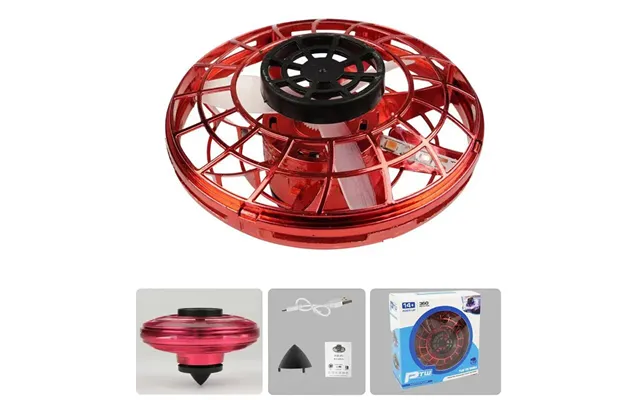
Not every flyer needs a remote. LED “UFO” spinners, rubber-band rockets, and flying discs bring big smiles with minimal setup. They’re packable, durable, and flexible for group play. Compare by safety features, materials, and any included charging cables or spare bands. The best part? These toys thrive in smaller spaces and make excellent warm-up activities before tackling RC flights.
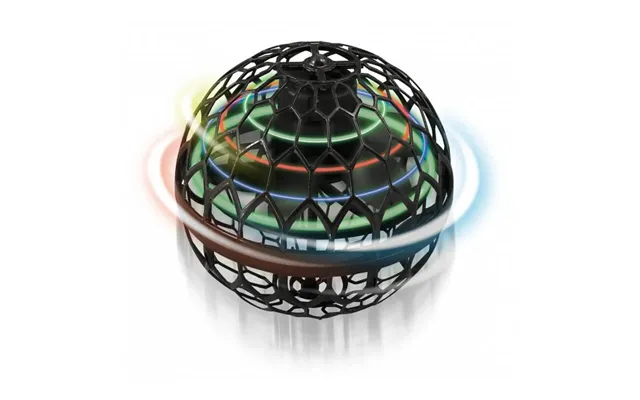
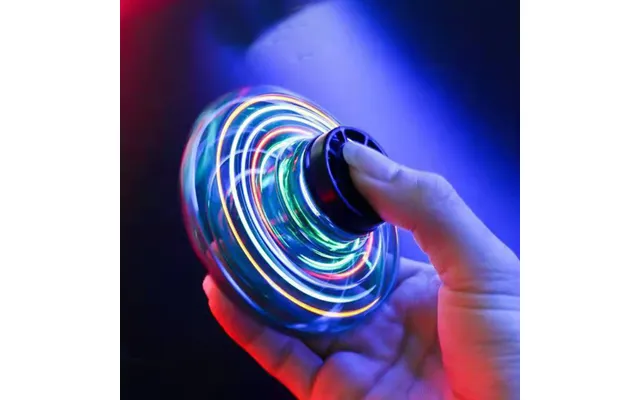
These palm-sized spinners and hover balls light up, return with a boomerang-style arc, and can be learned in minutes. Look for soft, flexible shells and enclosed fans to keep fingers safe. Flight “returns” work best in calm air and with a gentle upward toss, making them ideal for backyards or parks. When comparing, check for USB charging times under 30 minutes and runtime around 8–12 minutes per charge.
A quality flying disc around 10–11 inches in diameter offers stable flights and safe catches, even for beginners. For boomerangs, flexible models are best while learning, and technique matters: a firm, angled throw into light wind and a gentle grip for the catch. If you’re buying for mixed ages, opt for soft-edged discs and trainer boomerangs to keep the learning curve friendly and the fun stress-free.
Good news: most modern flying toys build in safety elements like prop guards, soft materials, and beginner modes. Still, a few commonsense habits go a long way. Fly well away from roads, power lines, and crowded areas. Choose wide-open grass over hard surfaces. Keep pets and bystanders behind the pilot. And always fly within line of sight—out of sight is out of control.
Estimate your flight envelope. A 20–30 inch wingspan plane prefers a field at least 150 feet across. Micro helicopters handle rooms with 8–10 foot ceilings and a clear path. Wind above 12–15 mph can turn an otherwise mellow toy into a kite, so be choosy with breezy afternoons. Calm mornings and evenings are magic hours for both stability and great visibility.
Prop guards are worth their weight in saved fingertips. For kids, choose enclosed rotors or foam propellers. Teach a simple routine: throttle to zero before handling, unplug batteries when done, and let motors cool between flights. Charge batteries away from soft furnishings and supervise every charge. A small fire-safe bag for battery storage is a smart, inexpensive precaution.
With so many offers floating around, a comparison-first habit pays off. Check multiple retailers and deal sources in one place using a comparison site like ZoneOffer, then scan specs, bundles, and real user feedback. Don’t chase the lowest number alone—value hides in spare parts, extra batteries, and reliable build quality that won’t quit after a few bumps.
Be wary of vague claims like “super long range” without feet listed, or “indestructible foam” without material type. Real value looks like: gyro stabilisation for beginners, clear wingspan in inches, flight times in minutes, range in feet, and visible spare parts in the box. If the listing shows exploded diagrams or part numbers, that’s usually a good sign of repairability.
Two extra batteries can double or triple your time at the park. Spare props, rotor blades, and a spare tailpiece reduce downtime. For gliders, look for extra nose cones and fin sets. A quick-charge USB cable and a simple tool kit are silent heroes that keep you flying. When prices are close, pick the bundle with the most useful extras—you’ll feel the difference on day one.
Specs aren’t just numbers—they’re a window into how a toy will behave. A 3-mode stabilisation system, for instance, can take you from assisted flight to full manual control as you improve. A remote with clear, spring-centered sticks feels natural faster than a laggy phone app. And a plane with a 25 inch wingspan won’t just fly farther; it’ll be easier to see and line up for smooth landings.
For beginners, stabilisation is the difference between learning and lawn-darting. Look for options labeled Beginner/Intermediate/Expert. In beginner mode, the plane self-levels and limits bank angles. Intermediate loosens the reins. Expert removes limits for aerobatics when you’re ready. Helicopters benefit from altitude hold and headless mode while you learn orientation.
Sweet spots: 10–15 minutes per battery for planes, 6–8 minutes for micro helis, and 8–12 minutes for LED spinners. Ranges around 300–600 feet for planes keep you safely within line of sight. Charging under 60 minutes per battery means more flying and less waiting. If the box includes a dual charger, that’s a convenience upgrade you’ll appreciate.
A tiny bit of care equals months of happy flights. You don’t need a workshop—just basic know-how. Tape and glue fix most foam scrapes. Proper battery habits maintain punch and runtime. And those first flights? A few simple steps help you skip the frustration and get to the fun part: smooth takeoffs, graceful turns, and satisfying landings.
Clear packing tape is the secret weapon for cracked leading edges and noses. For deeper dings, a dab of foam-safe adhesive does wonders. Keep an eye on control surfaces—if a hinge loosens, a small strip of tape restores authority. For helicopters, check that rotor blades are snug and landing skids uncracked. A quick preflight check saves headaches down the line.
Let batteries cool before charging, and aim for regular, moderate use. Store them about half-charged if you won’t fly for a while. Avoid completely draining packs; landing with a little juice left keeps them healthier. Use the included charger or a reputable third-party model rated for your battery type—safety first, always.
Match the toy to your flying space and you’ll have a smoother time. Indoors, micro helicopters shine—quiet, nimble, and forgiving. Backyards adore foam gliders and LED spinners. Parks are the playground for beginner RC planes and boomerangs, where extra room turns practice into progress. Measure the space you have and you’ll instantly narrow your shortlist.
Micro helis with rotor guards, small LED hover balls, and foam hand-toss gliders make the most of living rooms and hallways. Keep ceilings at least 8 feet when possible, and remove clutter for clean circuits. Short, controlled flights build muscle memory fast, so your next outdoor session feels easy and controlled.
For backyards, a 12–18 inch glider or a soft-edged spinner is ideal. Parks invite bigger wingspans—20–30 inch beginner RC planes—and classic flying discs. Boomerangs love open fields with a gentle breeze. If you’re sharing the space, set a clear flying lane so everyone stays safe and gets their turn at the sticks.
You don’t need to overspend to get great flights. The best bargains usually pair solid build quality with simple, effective features. Skipping flashy extras you won’t use is smart; choosing a model with spares included is smarter. Comparison platforms like ZoneOffer help you spot when a higher-quality kit drops into your price range—an easy way to stretch your spend without sacrificing fun.
For first-time pilots, put stabilisation, spare batteries, and durable foam above everything else. For spinners, prioritize safe enclosures and quick USB charging. For boomerangs and discs, go for soft edges and beginner-friendly designs. If you’re choosing between a barebones RC plane and a bundle with spares for a small price bump, the bundle usually wins long term.
Big seasonal events tend to surface aggressive discounts on flying toys. Watch for multi-pack glider deals and RC bundles that throw in batteries and tools. If a price looks too good to be true, compare the spec sheet closely—sometimes a newer model with better stabilisation is only slightly more and offers a far better learning experience.
One of the joys of flying toys is how naturally your skills grow. Start with a stabilised RC plane or a micro heli in beginner mode, then gradually loosen the training wheels. Move from short straight lines to gentle figure-eights, practice smooth throttle control, and learn how wind behaves. That moment when you grease a landing at your feet? Addictive, in the best way.
Begin with straight-and-level passes at a comfortable height. Add wide, shallow turns, then figure-eights. Practice lining up a landing approach with throttle management—remember, a little power often smooths the touchdown. In breezy conditions under 10 mph, fly into the wind for takeoff and landing to keep ground speed low and control high.
If you’re consistently flying in expert or manual mode without crashes, consider a slightly larger wingspan or a model with more authority in the air. For helis, stepping up to more responsive controls can be a fun challenge. Always keep your beginner model—teaching a friend or flying a relaxed session is priceless, and it’s nice to have a forgiving backup.
“Flying Toys – Other” is a treasure chest: foam gliders that beg for one more toss, RC planes that make you feel like a pilot in your local park, micro helicopters that turn rainy days into training sessions, and spinners and discs that light up any picnic. The key is smart comparison—check wingspan in inches, flight time in minutes, range in feet, materials, and the value of any bundled extras. With a little care and a quick scan of popular offers on a comparison platform like ZoneOffer, you can land the right flyer at the right price and enjoy countless smooth takeoffs ahead.
| Flying Toys - Other | Price | |
|---|---|---|
| Lindy 3m Active Mini Displayport To Hdmi Cable With Hdr | £ 35,32 | |
| Lindy 3m Active Mini Displayport To Hdmi Cable With Hdr | £ 35,32 |
