

Water Tables price list
Last updated Monday, 19 Oct 2026





View 24 Offers
Loading...
Last updated Monday, 19 Oct 2026
A water table is a kid-sized play station with shallow basins and fun features—think funnels, wheels, scoops, and mini waterways—that let little hands pour, splash, and experiment. It’s like a compact, contained water park you can set on the patio, lawn, or even a roomy kitchen floor on a rainy day. If you’ve been hunting around online for “water tables” or browsing popular offers and price lists, you already know they come in loads of shapes and sizes. Why are they so loved? Because they blend sensory play, simple science, and creative storytelling into one irresistible setup. Kids get to explore cause and effect (what happens when you pour fast vs. slow?), strengthen fine motor skills, and socialize with siblings and friends—all while staying cool and entertained.
Let’s be honest: finding activities that are fun, screen-free, and actually hold a child’s attention can feel like chasing bubbles on a windy day. Water tables deliver. They’re simple to set up, easy to refresh with new accessories, and endlessly replayable. Want to make a five-minute activity last an hour? Add a few measuring cups, some floating toys, and a pretend mission (rescue the rubber ducks from a spinning whirlpool!) and watch their imaginations go. Plus, water tables are social magnets. Kids gather around the basin, take turns, and invent rules—great for building sharing and communication skills. For parents, there’s peace of mind in the shallow water and contained splash zone. It’s hands-on learning disguised as giggles and splashes.
When you start comparing, you’ll see that not all water tables are created equal. Some are minimalist, others brim with ramps and wheels, and many weave in sand or imaginative themes. The right type for you depends on space, age range, and how your child likes to play. Do they love tinkering with moving parts? Or is pretend play their thing? Below, you’ll find the most common types and who they’re best for, plus a few practical pointers on sizing and setup to make day one splash-tastic.
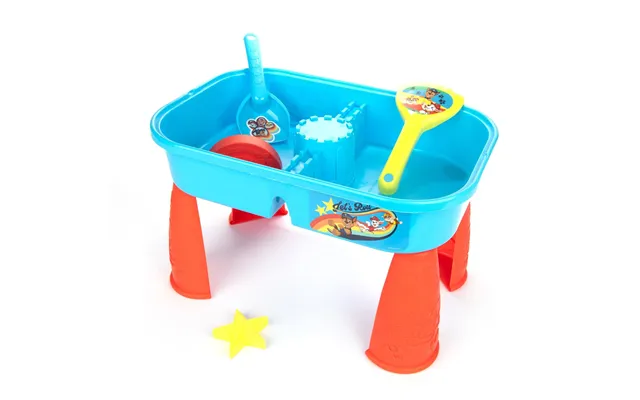
These are the entry-level heroes: a sturdy basin, a few cups and funnels, and a stable, kid-height frame. If you’re tight on space or want something you can easily shift between the garden and a utility room, this style shines. Heights typically hover around 18–24 inches, which suits most toddlers and preschoolers. Even without tons of accessories, single-basin tables encourage pouring, scooping, and free-form experimentation. Want to add variety without buying a new set? Toss in bath toys, floating boats, or food-safe containers from your kitchen. Simple doesn’t mean boring—kids quickly invent their own games when the canvas is open and inviting.
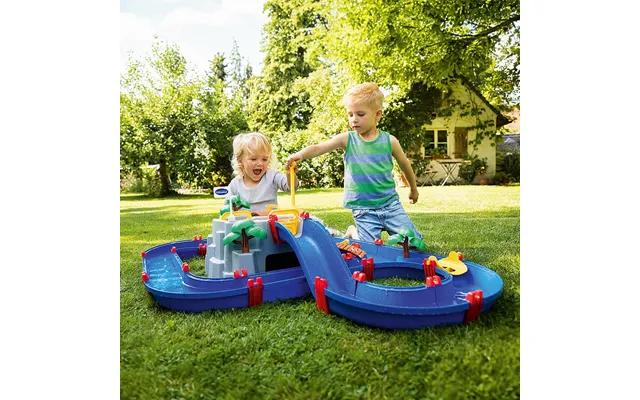
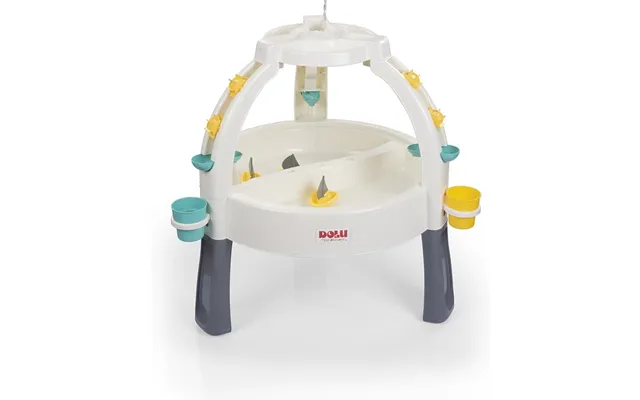
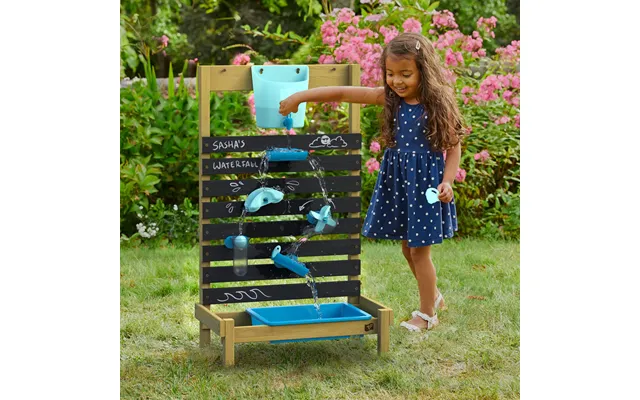
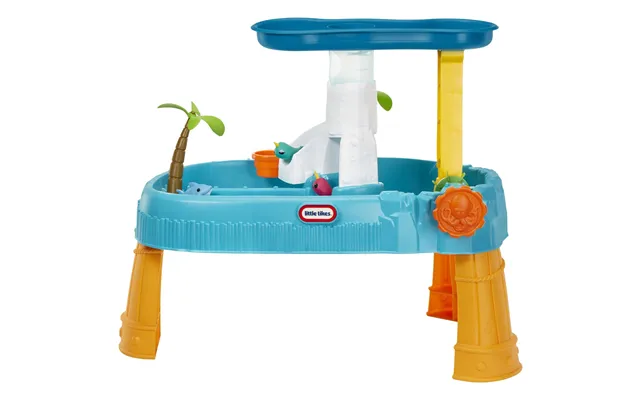
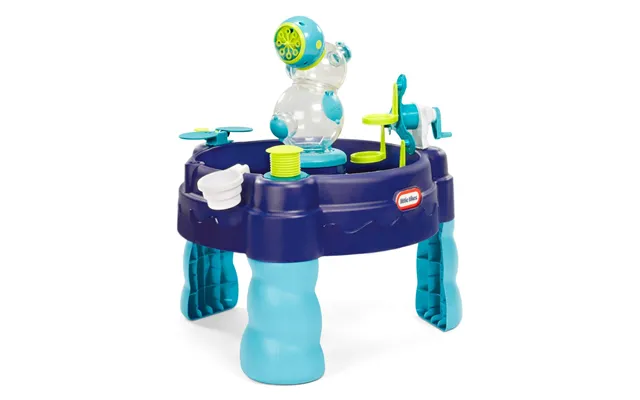
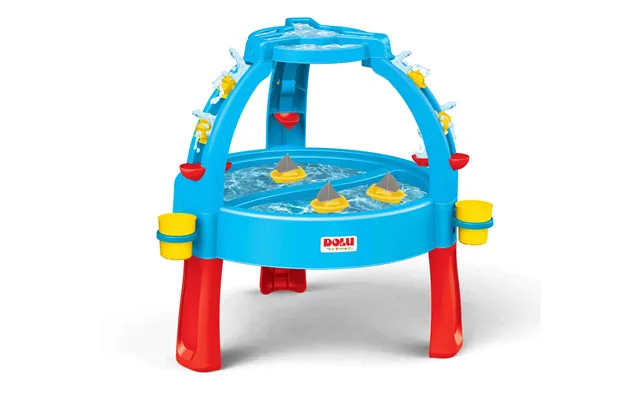
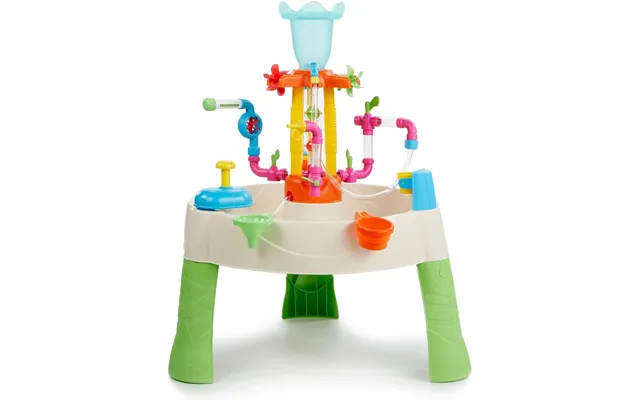
If your child loves cause-and-effect play, multi-tier designs bring the drama. Picture a top tray feeding water down ramps, chutes, or spinning wheels into a lower basin. Kids can control the flow with gates and levers, then race boats or send balls tumbling through waterfalls. The vertical layout also saves footprint space: you get more play action without needing a yard the size of a football pitch. Look for sturdy legs (wide feet help), well-fitted connectors that don’t wobble, and drains in both upper and lower sections so you’re not tipping a tower of water at cleanup time. A typical footprint might be about 2–3 feet wide, which balances stability with portability.
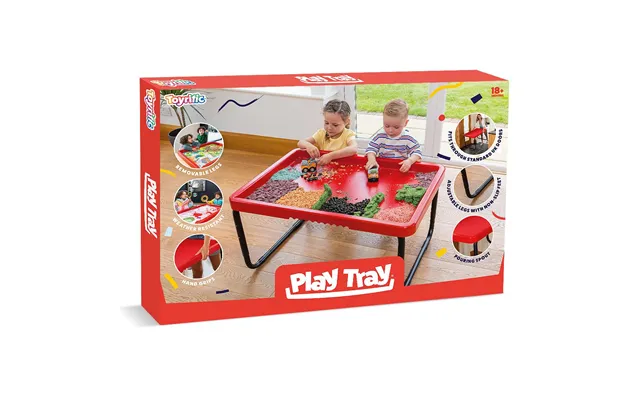
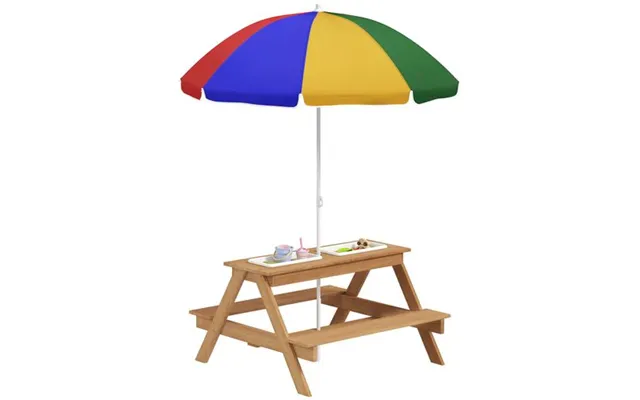
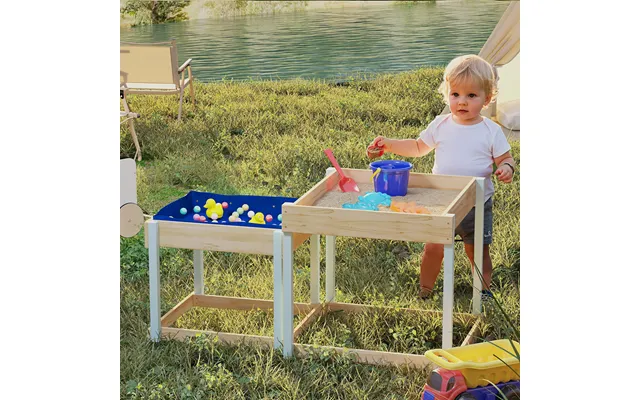
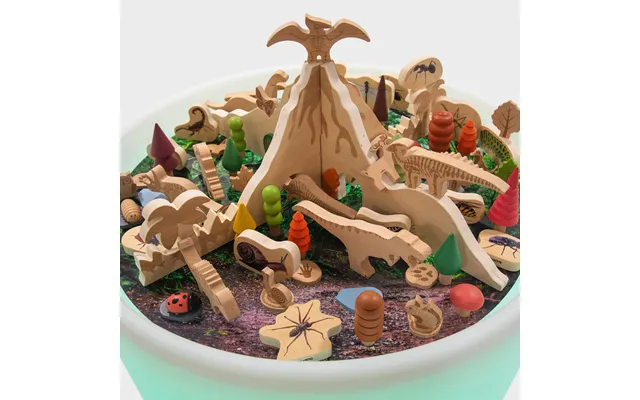
Two sensory experiences, one smart station. Combo tables split the surface into water on one side and sand on the other, letting kids build rivers, dams, and mini beaches. They’re brilliant for imaginative scenes—pirate coves, dinosaur digs, or treasure islands—while adding tactile variety. If you go this route, consider a model with snug-fitting lids for both sections. That makes it easy to keep sand dry and critter-free, and also turns the table into a flat surface for drawing or snacks. Choose lighter play sand that’s easy to sift and shape, and remember you can always keep the sand side dry and use it for beans or pasta for a no-mess indoor alternative.
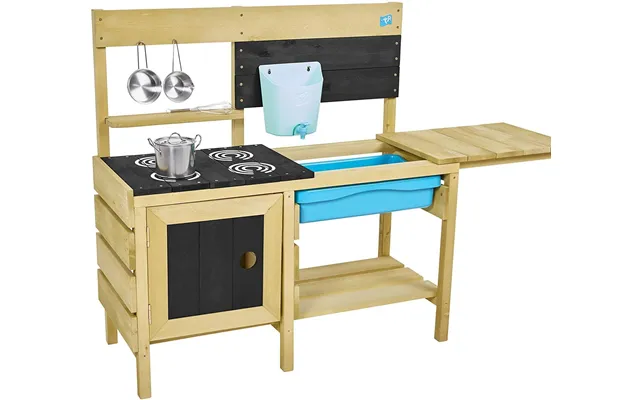
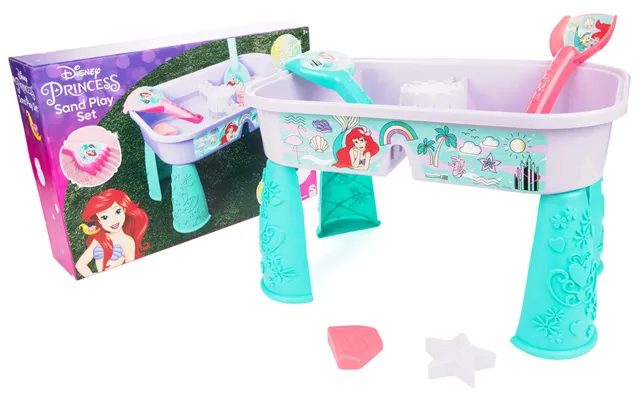
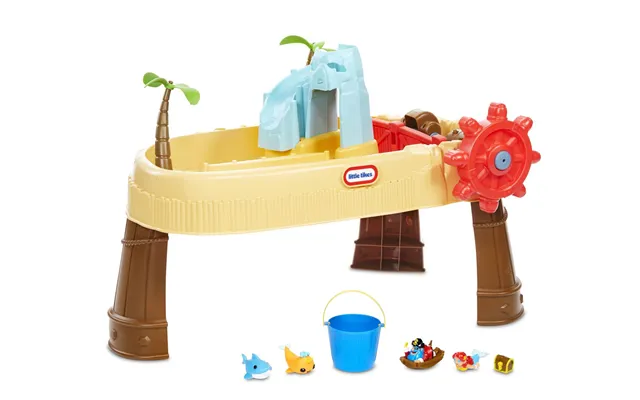
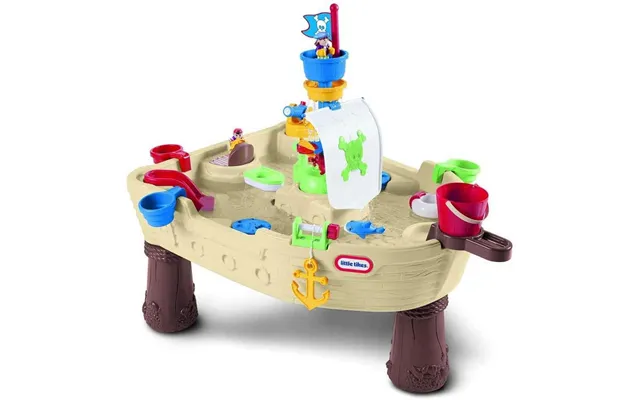
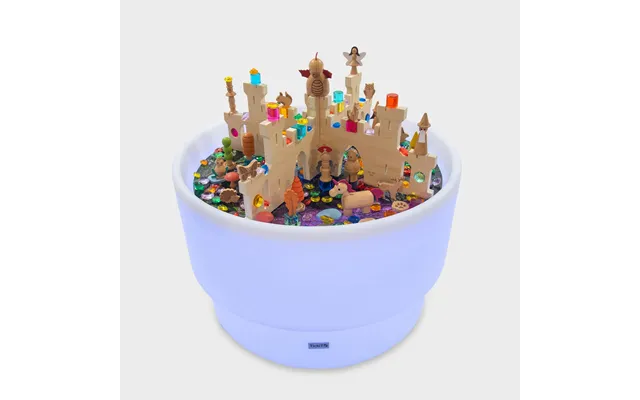
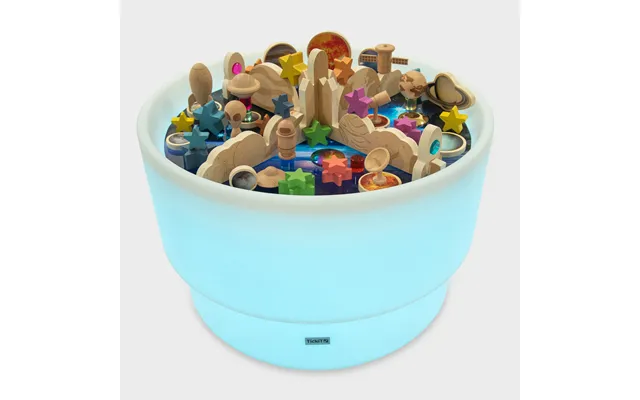
From pirate ships to castle moats, themed sets load the table with adventures straight out of storybooks. Expect decorative details, character figurines, and special features like working drawbridges, spinning mills, or cannon-style water spritzers. These are perfect for kids who naturally fall into roleplay—think quests, rescues, and competitions. While themes are fun, also check the practical bits: is the basin roomy enough for multiple kids? Are small parts stored neatly? And do the gimmicks (like water wheels) actually spin smoothly with a gentle pour? The best themed tables balance spectacle with solid engineering.
If storage is your number-one worry, look for foldable legs or collapsible basins that flatten nicely. Some compact designs pack down to a few inches thick, making them easy to slide under a bed or stand upright in a hall cupboard. Lightweight builds are great for balconies or small patios, and you can still pack a punch by adding stackable accessories—funnels, tubes, and water-friendly blocks—to switch up the play. A tip: even with lighter frames, check that the feet have enough surface area to avoid tipping and that the basin walls are tall enough to keep splashes contained.
Shopping for a water table can feel like choosing a new car: every model has flashy features, but the fundamentals matter most. Think size, height, capacity, materials, accessories, and overall ease of use. Below, we break down what each spec means in real life—how it affects setup, play value, and how long the table stays looking great. Use this as your checklist when you browse price lists or weigh up popular offers across multiple retailers and comparison sites.
For toddlers, a height in the 18–22 inch range keeps everything comfortably within reach. Older preschoolers may prefer tables 22–26 inches tall. As for footprint, a compact 2–3 feet wide is perfect for small patios, while larger family gardens can easily host wider bowls. If siblings of different ages will share, consider a multi-level or adjustable-height design so everyone can play at once. Try this quick test: have your child stand with elbows bent at about a right angle; a good water table rim reaches somewhere around that level, keeping pouring and scooping relaxed, not strained.
Most home water tables hold just a few gallons, which is enough for robust play without creating a cleanup headache. Large basins might hold 4–6 gallons; smaller ones sip closer to 2 gallons. Capacity matters for stability too: a fuller table can feel sturdier, much like a weighted umbrella stand. The drainage system makes or breaks daily use. A proper drain plug sitting flush on the bottom, ideally with a tether, lets you empty the basin in seconds. If upper tiers have drains, even better—you won’t need to tip the entire setup to dry it out.
Most water tables use molded plastic that’s tough, wipeable, and weather-friendly. You want walls thick enough to resist flexing and legs that don’t wiggle when kids lean in. If the table will live outside, UV-resistant finishes are worth it to fend off fading and brittleness in strong sun. Hardware should be rust-resistant too, especially screws that sit near water. A textured surface on ramps and channels helps boats and balls move predictably rather than skidding wildly. Bonus points for lids that click on securely and act as tabletops when the water fun is done.
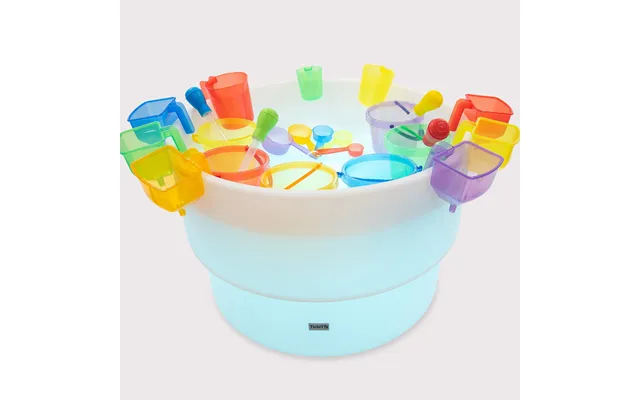
Funnels, cups, scoops, water wheels, boats, balls, bridges—the right add-ons transform a basic table into a mini science lab. Look for pieces that encourage experimentation (adjustable gates, removable ramps) and collaboration (multiple pour points so two or three kids can play at once). Avoid sets where accessories are mostly decorative or oversized, getting in the way of real water flow. If in doubt, picture your child’s play style: Do they build and test? Choose parts that connect or rearrange. Do they tell stories? Go for characters, themed voyages, and pretend-play add-ons.
No one wants a tool-heavy build on the first warm day of spring. Choose a table with clear, simple assembly—ideally snapping legs and minimal screws. Lightweight lids and stackable components simplify cleanup. If storage space is tight, a removable leg design or fold-flat option is gold. Also consider how you’ll carry it when full or partially full. Grabbable edges and sturdy handles make it easier to shift the table a few feet without sloshing like a tidal wave.
Good news: water tables are one of those rare toys that grow gracefully with your child. The trick is matching height, complexity, and accessories to their stage, then layering on age-appropriate challenges. Safety-wise, the watchwords are shallow water, stable footing, and close supervision. Even a few inches of water demands attention, so set ground rules from day one and stick to them.
At this stage, keep the setup simple and close. A low rim helps little arms reach easily, and large grip-friendly cups are best. Expect lots of basic scooping and pouring. To reduce slips, place the table on a flat, non-slick surface and keep a towel nearby for puddles. Avoid tiny pieces that could pose a choking risk, and consider a model with rounded, seamless edges to protect curious fingers.
Now you can introduce more complex features—ramps, gates, spinning wheels, even water tracks for boats and balls. Preschoolers love racing, measuring, and hypothesis-testing (What if I pour from way up high?). Multi-level designs and themed tables shine here because they feed storylines while training coordination and patience. If you’re buying for siblings, choose a wider basin or a design with multiple access points so two or three kids can play side by side without elbow wars.
Look for sturdy legs with a wide base, non-slip feet, and drains that won’t pop out during play. Lids are invaluable for keeping water clean between sessions and preventing curious pets from turning the table into a personal drinking station. If your table sits on decking or a patio, a rubber mat can help feet stay secure. And yes, it bears repeating: active supervision is non-negotiable, even when the water is shallow.
The secret to keeping a water table in heavy rotation is making setup and cleanup painless. A smooth routine means you’ll say “yes” more often, and your kids will get more hands-on time. Think of it like a coffee machine: when it’s easy to prime and quick to rinse, you’ll use it every day.
Choose a flat spot with enough room for kids to circle the table comfortably—about 2–3 feet of clear space on each side is perfect. Before filling, check that all plugs are seated and any ramps or wheels are snapped in firmly. Fill with a few gallons of fresh water, adding just enough to cover the bottom and prime the features without inviting wave pools. Lay down a towel or mat near the “splash zone,” and place a small bin or basket beside the table to corral cups and toys.
Empty and rinse the basin after each session; a quick wipe with mild soapy water keeps surfaces fresh. For deeper cleans, a mix of water and a small splash of white vinegar helps cut grime without leaving harsh residues. Let everything air-dry completely before popping on the lid, and don’t forget to tip water from ramps and hidden nooks. If you spot scum lines, a soft brush will lift them without scratching. Regular maintenance not only looks better—it helps accessories spin and flow the way they should.
When colder months hit, dry the table thoroughly and store it somewhere sheltered. Remove legs if they’re designed to come off and stack accessories in a labelled bin so you’re not hunting for the plug come spring. Avoid leaving standing water inside (freezing can warp plastic and crack fittings). Treated well, a good water table can serve multiple kids across several years of seasons.
Water tables in the UK span a sensible range, with compact models often starting in the budget-friendly bracket and feature-rich sets going up from there. Value comes from sturdiness, usable accessories, and a design that grows with your child—not just the biggest box on the shelf. To spot the best offers, use a trusted comparison site like ZoneOffer to scan prices, track popular discounts, and check availability across multiple retailers. Because it’s a comparison platform (not a store), you can quickly see who’s offering what, jump to your preferred shop, and snag a deal before it dries up. Pro tip: seasonal peaks—sunny spring weekends and early summer—often bring promo waves, but savvy shoppers also score during off-season clearances.
All three bring water fun, but each serves a slightly different vibe. A water table focuses on sensory exploration and STEM-style tinkering—great for fine motor practice and imaginative play with minimal water use. A paddling pool shines for full-body splashing and cooling off on hot days, though it needs more water, more space, and closer safety management. A splash pad offers a happy medium: it lays flat, connects to a hose, and sprays gentle fountains for running and giggling. If you’re tight on space or want a quick, low-water setup, the water table wins. If you want active movement and full splash potential, a pool or pad could be the bigger thrill. Many families love having both for different moods.
Beyond the giggles, a water table is a stealthy learning tool. Kids test physics without realizing it: What pours faster, a wide cup or a narrow funnel? They practice measuring, estimating, and sequencing—skills that lay groundwork for math and science later on. Fine motor moves like scooping, pinching, and aiming build hand strength for drawing and writing. Socially, water play encourages turn-taking and teamwork as kids coordinate pours and share the “good cup.” And for children who seek sensory input, the feel and sound of running water can be incredibly regulating, providing a calm focus point in a busy day.
You don’t need a giant upgrade to refresh a water table. A set of graduated measuring cups, a couple of squeeze bottles, and a floating ball race can reboot interest instantly. Transparent tubes let kids watch water rise and fall; turkey basters are silly but surprisingly educational tools for exploring air pressure. Boating fans will love small, flat-bottomed craft that glide smoothly over the surface. For themed adventures, add figurines that match your child’s current obsession—dinosaurs, sea creatures, or explorers. Keep a “mystery box” of rotating accessories so there’s always something new on deck.
You can keep the fun flowing and still be mindful about water use. Start with just a couple of gallons—enough to make the features run and boats float. Reuse clean water for plant-watering after play, and encourage kids to help carry small buckets to flower pots. Lids are your friend when you want to save a clean basin for the next session. And if you’re running a splash pad nearby, alternate play: ten minutes of spraying, then back to the table for quiet experiments. Little habits add up, and kids love being part of the “junior eco team.”
Do spinning wheels stick? Give them a rinse and check for grit hiding in the axle. Is water dribbling around the drain? Reseat the plug firmly and inspect the gasket for wear. If ramps wobble, tighten connectors or add a small piece of food-safe silicone tubing as a cushion. Worried about wobbly legs on uneven patio slabs? A rubber mat or a couple of furniture foot pads can level things out. And if enthusiasm outpaces sharing, set simple rules: two pours each, then swap stations. A dash of structure keeps the good vibes flowing.
Still debating? Imagine a typical play session at your place: how many kids, how much space, and how long you want setup to take. If you picture frequent, quick sessions, go compact with great drainage and a versatile set of cups. If your child lives for moving parts and races, a multi-level cascade brings daily “wow.” For avid storytellers, themed sets pay off with long, imaginative scenes. Finally, check the small things that make everyday use easier: secure lids, stable legs, and accessories that genuinely pour, spin, and flow without fuss.
A great water table blends big fun with small details: a comfy height, a smart basin, and accessories that keep kids exploring day after day. Whether you go classic single-basin, multi-level cascade, or a sand-and-water combo, the right pick will fit your space, match your child’s play style, and clean up without a battle. Compare features, watch for popular offers, and use a trusted comparison site like ZoneOffer to scan price lists and snag a standout deal from your preferred retailer. With a little planning, you’ll have a summer staple (and rainy-day backup) that earns its spot more than any screen ever could.