

Bird Toys price list
Last updated Monday, 19 Oct 2026





View 16 Offers
Loading...
Last updated Monday, 19 Oct 2026
If you’ve ever watched a parrot or a budgie go to town on a new toy, you know it’s not just “cute.” Bird toys are essential tools for mental stimulation, beak conditioning, and daily exercise. In the wild, birds spend hours foraging, flying, and solving little puzzles nature throws their way. In a home environment, toys step in to fill that gap. Without them, boredom and stress can lead to feather plucking, aggression, or excessive screaming. Think of toys like a gym membership and a crossword puzzle rolled into one for your bird.
Toys provide a structured way for birds to “work” their minds. Foraging toys, puzzles, and even simple shreddables give your bird a task to figure out—how to get the treat, how to chew something just right, how to manipulate parts with their beak and feet. This engagement reduces anxiety and prevents the kind of restlessness that can trigger destructive habits. If your bird seems moody or clingy, a strategic toy rotation can make a bigger difference than you’d expect.
Beyond the brain boost, toys encourage movement—climbing, stretching, hanging, and balancing. Chew toys help keep beaks trimmed naturally, especially those made from bird-safe woods or hard coconut shells. Swings and ladders add variety to daily movement, giving even smaller birds a chance to build confidence and balance. The goal? A healthier, more content bird that expends energy in positive ways.
Bird toys are as diverse as the birds themselves. From chewable stacks to brain-teasing puzzles, each category addresses a different instinct or need. If you’re scrolling through a “bird toys price list” or browsing popular offers, you’ll often see the same main types again and again, and for good reason—they work.
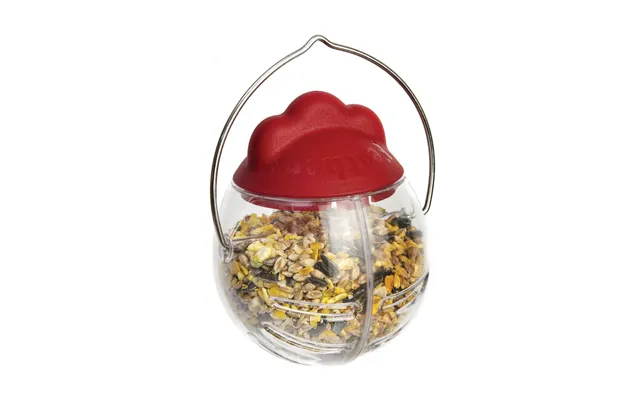
Foraging toys hide food or treats behind a small challenge. Some are clear acrylic boxes with sliding doors; others are paper cups or wooden blocks with compartments. Start simple—crumbles in a paper-wrapped cup, or millet tucked behind a small flap—and then level up. This mimics natural behaviors and keeps birds busy in the best way.
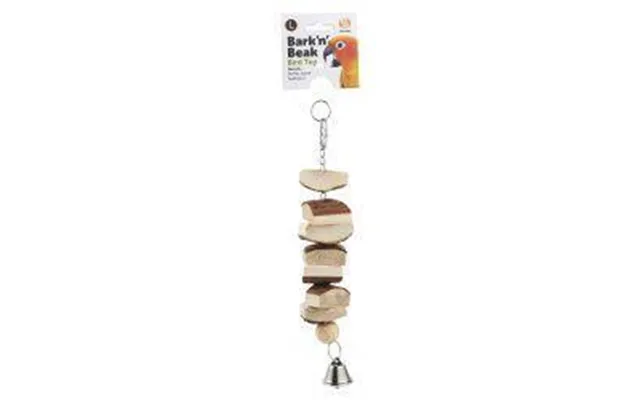
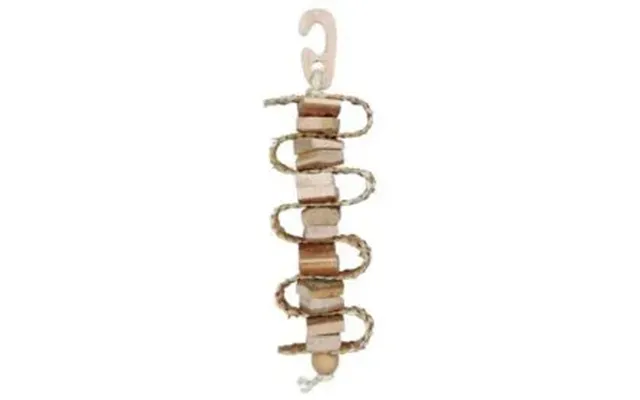
These satisfy the innate urge to destroy (productively!). Look for bird-safe softwoods, palm, seagrass, corn husk, paper, or natural loofah. If your bird is a power chewer, sturdier woods can slow them down while still rewarding persistence. Shreddables are great for anxious birds, too—they offer an easy “win” and help channel nervous energy.
Movement toys add dimension to the cage and encourage balance. A simple swing can transform downtime into core work for your bird. Ladders let birds climb and explore, while hanging ropes and gym-style play stands create an obstacle course that challenges coordination.
These toys require a sequence of actions—twisting a knob, lifting a flap, pulling a bead—before the reward appears. They’re ideal for intelligent species like African Greys and Amazons but can be adapted for smaller birds with lighter mechanisms. If your bird solves a puzzle fast, don’t worry—rotate it out for a while and bring it back later.
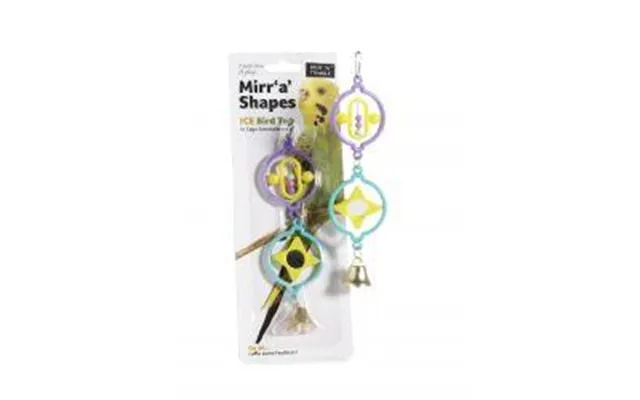
Bells can be a big hit, offering instant feedback and auditory fun. Choose bells made from safe metals with covered clappers. If your bird fixates on ringing at 6 a.m., try swapping in a toy with a quieter rattle or a softer material like leather strips to take the edge off the early-morning concert.
No one-size-fits-all here. A toy that thrills a cockatoo might intimidate a budgie. Match toys to your bird’s size, beak strength, and personality. When in doubt, go slightly smaller and simpler, then scale up as your bird gains confidence.
Budgies love lightweight, colorful, and shreddable options. Paper tassels, balsa blocks, tiny ladders, mini swings, and millet-based foraging tasks are perfect. Aim for parts that are easy to grasp and manipulate. For size reference, small toys with parts under about 1 inch are usually ideal; avoid oversized chains or heavy hardware that could intimidate them.
Cockatiels enjoy swings, seagrass mats, and gentle chewables. Many also thrive with soft leather strips and small bells. Lovebirds often love to weave and shred; give them palm fronds or seagrass squares. Choose medium-light toys with components around 1 to 2 inches so they can handle them comfortably.
Conures are energetic climbers and curious tinkerers—give them moving parts, ladders, and mid-size chew toys. African Greys excel with puzzle toys and foraging challenges; they need durable construction but not necessarily heavy-duty power-chewer gear. Look for securely fastened parts and robust acrylic or wood elements in the 2 to 4 inch range.
These are the powerhouses. Go for heavy-duty ropes, hardwood blocks, stainless steel components, and thick leather. Interactive toys should be built to withstand strong beaks. Components from 3 to 6 inches aren’t unusual, and hardware should be high-quality and bird-safe. Expect to rotate or replace more often—if they’re destroying it, they’re using it as intended.
Safety is non-negotiable. Birds explore with their beaks, so you want every part—from the hanging clip to the smallest bead—to be bird-safe. When evaluating popular offers, read details carefully and check reviews with an eye for material quality and finish.
Popular safe woods include pine, balsa, apple, and untreated fir. Avoid unknown or treated woods. As for colors, look for vegetable-based or food-safe dyes. Bright hues are fine if the dye is safe and set properly; colors shouldn’t rub off easily on your fingers.
Stainless steel is the gold standard for chains, bells, and clips. Avoid cheap metals that can chip or flake. Plastics should be thick and sturdy, with no sharp edges or brittle parts. For ropes, natural cotton, sisal, or hemp are common; make sure the weave is tight and inspect routinely to prevent long, frayed strands. Replace rope toys when fraying exceeds a few inches to avoid entanglement.
Even the best toy becomes a hassle if it crowds your bird. A good cage layout leaves space to move, flap, and access food and water easily. Think of it like arranging furniture—if a giant sofa blocks your doorway, it’s a no-go.
As a quick guideline, in a cage around 24 inches wide, focus on smaller to medium toys and limit large swings to one. For cages 30 to 36 inches wide, you can mix in a larger swing or a multi-part climbing toy while keeping pathways clear. Always hang toys so your bird can move across perches without feeling trapped, and ensure at least a few open flight paths within the cage.
Rotate toys every 1 to 2 weeks. Keep a small stash and swap in “new” options while retiring others for a reset. You don’t need a massive collection—5 to 8 core toys, rotated cleverly, can feel endlessly fresh. If your bird is shy with new items, introduce them just outside the cage for a day or two before hanging inside.
Great enrichment doesn’t have to break the bank. Pricing varies widely based on materials, brand, and durability. By comparing offers, sniffing out seasonal sales, and reading real-world reviews, you can build an exciting rotation without overspending.
Comparison platforms aggregate deals so you can scan a bird toys price list, check popular offers, and quickly spot value. This saves time and helps you avoid overpaying for a basic toy. Use filters to narrow by size, species, or material, and keep an eye on bundle deals—multi-toy sets often cost less per item and are perfect for rotation strategies.
Price is only half the story—value includes durability and engagement. A slightly pricier toy that lasts twice as long (and gets daily use) often wins. Look for comments about how long the toy held interest, whether the hardware held up, and if parts were safe and well-finished. Photos in reviews can reveal build quality fast.
Clean, well-maintained toys last longer and keep your bird healthier. Aim for a routine that fits your schedule, and be consistent—your bird benefits from a tidy, predictable environment.
Wipe down hard toys (acrylic, stainless steel) weekly with a bird-safe cleaner and rinse thoroughly. Wash seagrass, palm, and rope items as recommended by the manufacturer, then let them dry completely before rehanging. Inspect toys every few days for frayed threads or chewed-through clips. Tighten quick links and check for sharp edges.
When in doubt, swap it out. Retire any toy with cracked plastic, protruding wires, long threads, or loose parts small enough to swallow. If a toy’s interest factor drops to zero, rotate it out for a few weeks. You can reintroduce it later—most birds will greet it like it’s brand new.
Not every great toy needs a premium price tag. With a few safe materials and a dose of creativity, you can craft effective enrichment at home. Think of DIY as the sidekick to your ready-made toys—perfect for variety and novelty.
Try paper “forage burritos”: wrap a favorite treat in plain paper, twist the ends, and tuck into a cup holder. Or use a clean cardboard egg carton—poke small holes, add pellets and paper strips, and let your bird work it out. Keep difficulty modest at first; the goal is success, not frustration.
Plain paper cups, untreated cardboard rings, and natural loofah slices can become instant shreddables. Thread them onto a stainless steel skewer toy for a custom stack. Always avoid adhesives, inks, or coatings you can’t confirm as bird-safe, and skip anything with staples or glue residue.
Birds have opinions—loud ones. Watch their body language to fine-tune your setup. The right toys bring out curiosity, confidence, and calm, while the wrong ones can cause avoidance or stress.
Curious approach, soft chirps or whistles, gentle beak taps, and frequent returns are all green lights. Some birds “talk” to new toys, others hang upside down or show off moves—you’ll know your bird’s happy dance when you see it. If they spend several minutes interacting at different times of day, you’ve nailed it.
Flattened feathers, frantic pacing, or staying far from a toy can signal fear or discomfort. Try moving the toy to a less dominant spot, lowering it, or introducing it outside the cage first. For loud, repetitive bell ringing that drives the household nuts, swap in a quieter toy with texture rather than sound.
A well-rounded toy kit covers curiosity, chewing, climbing, and comfort. Just like a balanced diet, variety prevents boredom and supports overall well-being. If you’re starting from scratch, build a base set and iterate.
Try this mix: a small foraging box, a shreddable stack, a swing, a ladder or rope perch, and a simple puzzle with a single moving part. This covers thinking, chewing, moving, and perching in different ways. Adjust sizes and materials to match your species and personality.
Refresh your lineup with seasonal colors or themes to keep novelty high. Introduce one new item at a time so your bird doesn’t feel overwhelmed. If you find a fantastic deal, consider grabbing two—one for now, one for the rotation bin.
Even well-meaning owners sometimes miss a detail. Avoid overcrowding the cage, relying on a single toy type, or overlooking material safety. Another big one: not adjusting as your bird grows more confident. Toys that were “too easy” after a week should be replaced with slightly more complex options.
Clips and chains are the unsung heroes. Weak or corroding hardware can turn a great toy into a hazard. Look for stainless steel, closed rings where possible, and smooth edges. If hardware looks flimsy in photos, assume it won’t stand up to real beak testing.
Some birds are cautious. If a new toy spooks your bird, hang it outside the cage for a day or place it on a nearby stand. Once curiosity kicks in, transition it inside. This slow-roll approach can turn a “nope” into a “new favorite.”
With smart shopping, you can create an engaging environment without overspending. Compare prices, read reviews for build quality, and look closely at materials. Prioritize safe woods, sturdy plastics, and stainless steel hardware. Balance your lineup with a few long-lasting anchors plus lower-cost shreddables you can refresh often. The result is a happy bird and a budget that stays on track.
When you spot a discount on a category you already know your bird loves—say, foraging cubes or seagrass mats—stock up. Many birds benefit from multiples of the same type arranged differently. Keep a simple list of what your bird uses most so you can pounce on the right deals, not just any deals.
Bird toys are more than accessories—they’re the heart of a healthy, enriching daily routine. By mixing foraging, chewing, climbing, and puzzle-solving, you’ll meet your bird’s mental and physical needs right where they are. Use comparison tools to sift through popular offers and find the best fit for your budget and your bird’s personality. Choose safe materials, size toys thoughtfully, rotate them regularly, and watch your feathered friend flourish. In the end, the right toys don’t just fill a cage; they fill your bird’s day with purpose, play, and joy.