All categories
Business & Offices
Electronics & Media
Fashion & Accessories
Groceries & Essentials
Health & Personal Care
Home & Living
Kids & Family
Sports & Outdoors
Search in ZoneOffer

Loading...
Cat food isn’t just a line on your shopping list; it’s the fuel that powers your feline’s life. The right recipe can mean a shinier coat, better digestion, steady energy, and fewer vet visits. The wrong one? Think hairballs, weight gain, fussy eating, or tummy troubles. And with prices fluctuating across brands, sizes, and retailers, smart shoppers in the UK can save a surprising amount by choosing wisely and comparing offers before buying.
Whether you’re eyeing wet pouches, dry kibble, grain-free options, or vet-recommended formulas, the cat food category is a maze of marketing claims. The good news is, you don’t need a PhD to decode it. With a few practical tips—and a savvy approach to comparing deals—you can score premium nutrition without paying premium prices.
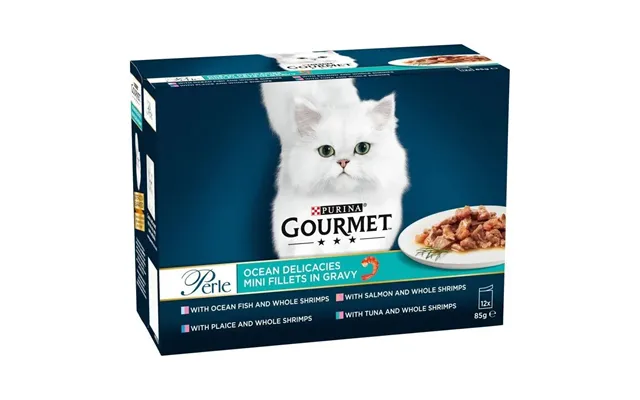
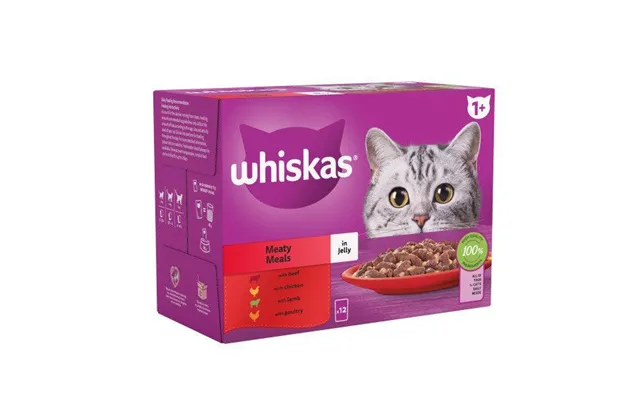
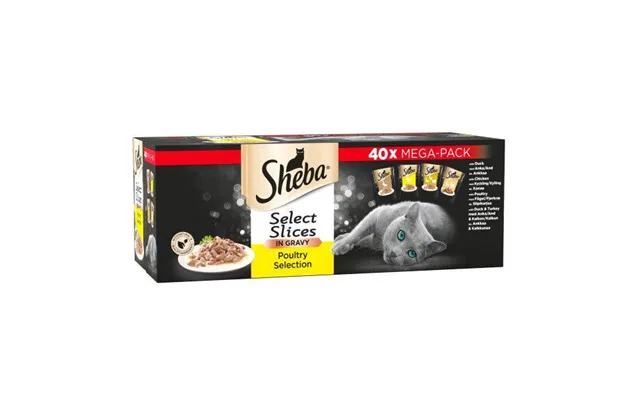
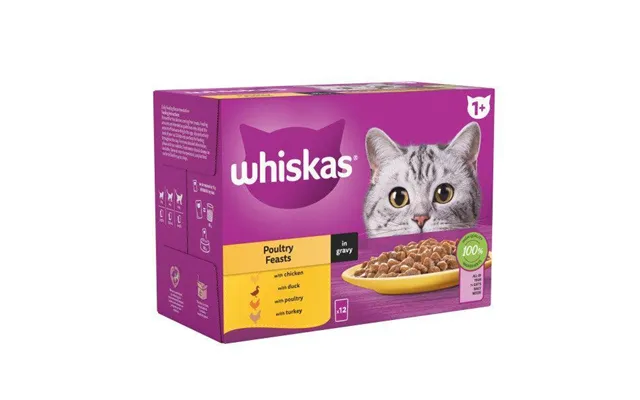
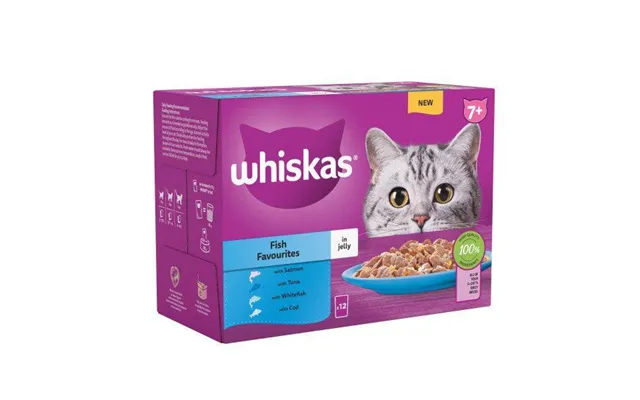
Wet cat food is a hero for hydration. Because cats naturally have a low thirst drive, moisture-rich recipes help support urinary health and can be easier on sensitive stomachs. Many cats adore the aroma and texture of wet food, which makes it a lifesaver for picky eaters or seniors. You’ll find cans and pouches in common sizes like 3 oz or 5.5 oz, with textures ranging from pâté to gravy-laden chunks. Wet food can be slightly pricier per calorie, but shoppers often find excellent deals on multi-packs when they compare prices across multiple retailers.
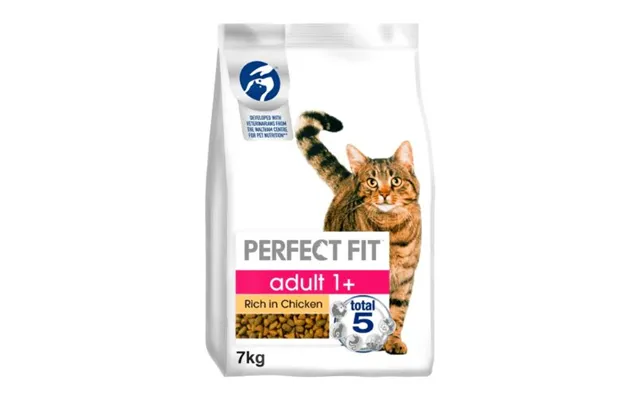
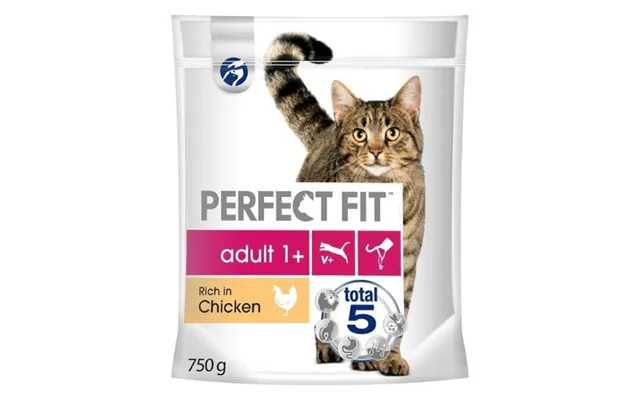
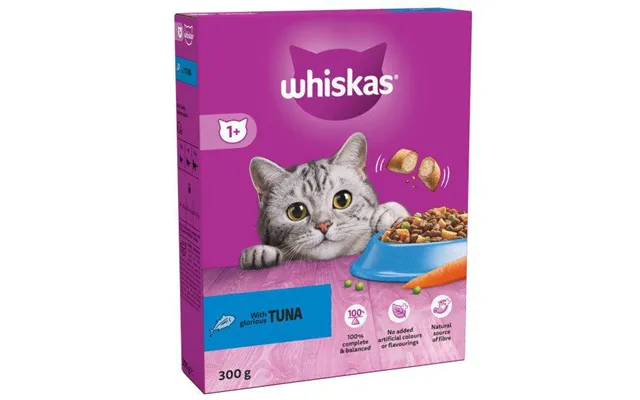
Dry cat food (kibble) wins on convenience and budget-friendliness. It’s easy to store, simple to portion, and typically costs less per serving. Many high-protein kibbles pack robust nutrition with meat meals and added supplements like taurine, omega fatty acids, and probiotics. Look for bags in sizes from 3 lb to 12 lb for testing and up to 24 lb if you have multiple cats and want to buy in bulk. If your cat struggles with hairballs or dental buildup, certain kibble formulas are designed to help manage those, too.
Can’t pick a side? You don’t have to. Mixed feeding combines the moisture and taste of wet food with the convenience and satiety of dry. For example, you might serve a 3 oz wet portion in the morning and dry kibble in the evening. This approach can make mealtimes exciting, help manage weight by controlling portions, and give you flexibility to switch up proteins and textures—especially helpful if your cat gets bored easily.
Kittens grow fast and burn through calories like tiny athletes. Look for kitten-specific recipes labeled “complete and balanced” with higher protein and fat, DHA for brain and vision development, and small kibble pieces or smooth pâtés for easy eating. A kitten might need multiple small meals a day, and wet food can be especially helpful during weaning. While premium kitten formulas can be pricey, you can often find value by comparing multi-pack wet deals or smaller 3 lb to 6 lb bags of dry to test digestibility before committing.
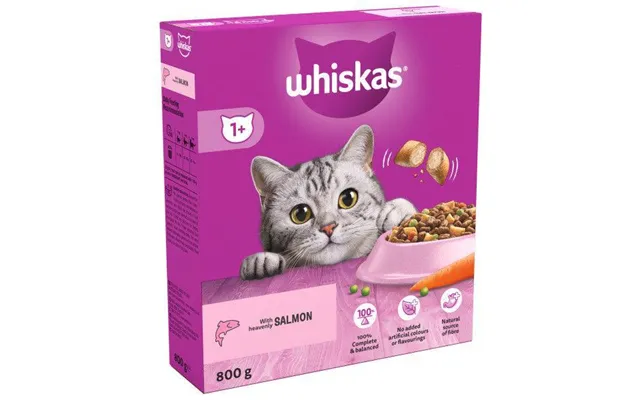
Most adult cats thrive on a balanced maintenance diet that prioritizes quality animal protein and controlled calories. If your cat lives indoors, consider formulas tailored for indoor cats, which may contain slightly fewer calories and more fiber to help with hairballs. Many adult recipes come in both wet and dry versions, letting you tailor feeding to your cat’s preferences. Compare price-per-ounce across pouches and cans, and check price-per-pound on kibble—this is where a quick price comparison can save you in a big way.
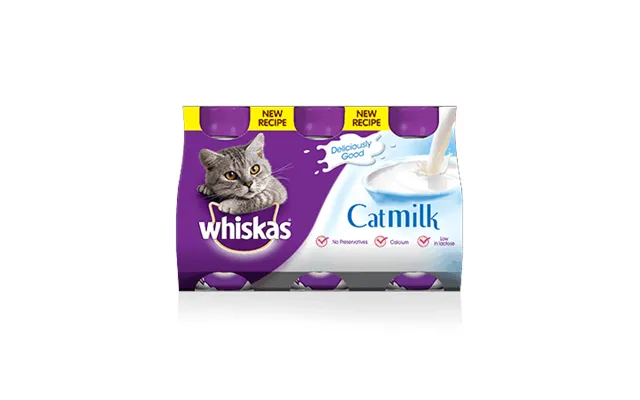
Senior cats often prefer softer textures and may benefit from recipes with joint-supporting nutrients like glucosamine and chondroitin, plus easy-to-digest proteins. Wet foods can be a win for older cats who don’t drink enough water. If you’re considering a senior formula, watch for deals on cases of 3 oz or 5.5 oz cans, and compare per-can pricing to avoid paying a premium for fancy packaging.
Some cats thrive on limited-ingredient diets that reduce potential triggers. Think single-protein recipes—turkey, duck, or salmon—paired with simple carbs. These can be especially helpful if your cat has occasional loose stools or itchy skin. Limited-ingredient formulas can be more expensive, so comparing offers across retailers is essential to keep costs reasonable.
For cats who carry a few extra pounds, weight-control formulas help by lowering calories per cup and increasing satiety with added fiber. Indoor cats that don’t burn as many calories may benefit from these blends. Look for clear feeding guidelines on the bag and start with measured portions. Larger 12 lb or 24 lb bags often bring down the price-per-pound—but only if you can store them properly to maintain freshness.
Urinary-care recipes help promote proper hydration and healthy urine pH, while hairball-control diets typically add fiber to move fur through the digestive tract. If your cat has a history of urinary issues, chat with your vet about the best approach; prescription diets are sometimes necessary. For hairballs, pairing a hairball-control kibble with a moisture-rich wet food can be a solid combo.
When common proteins like chicken or beef cause trouble, novel proteins—rabbit, venison, or duck—can help. These formulas are niche and can be pricier per ounce, but keep an eye on seasonal promotions and bulk multi-packs to lower the cost. Transition slowly to reduce digestive upsets.
Look for clear, named protein sources near the top of the ingredient list—chicken, turkey, salmon, or tuna—not vague terms. “Chicken meal” can be a concentrated protein source and isn’t necessarily a red flag. In wet foods, broths and water are common due to moisture, but the primary protein should still be front and center.
By-products vary widely in quality. Some can deliver nutrients and minerals; others may be less desirable. The real test is how your cat does on the food: healthy coat, consistent stools, steady weight, and good energy. Corn, wheat, or rice aren’t inherently bad, but protein quality should carry the recipe, not cheap fillers.
Beneficial extras include taurine (essential for cats), omega-3s for skin and coat, and probiotics for digestion. For urinary health, look for recipes designed to support ideal urine pH. If hairballs are an issue, added fiber may help.
Check calories per cup (dry) or per can/pouch (wet). A typical 10 lb adult cat often needs roughly 180 to 220 calories per day, depending on activity and metabolism. Use this as a starting point, then adjust based on your cat’s body condition. Smaller cans, like 3 oz, make portioning easier if you’re worried about overeating.
Start with the feeding guide on the label, then fine-tune. If your cat is gaining weight, reduce portions slightly; if losing too much or acting ravenous, bump up gradually. A food scale can be your best friend for accuracy, but measuring cups work too. Keep an eye on body condition—ribs shouldn’t be poking out, but you should be able to feel them under a slight layer of fat.
Free-feeding dry kibble is convenient, but many cats overindulge. Scheduled meals—wet, dry, or both—help maintain healthy weight and rhythm. For mixed feeding, try wet in the morning and evening with a measured portion of dry midday. If you’re away a lot, an automatic feeder can help keep portions consistent.
It’s easy to overdo treats. Keep them under 10% of daily calories. To boost interest without blowing the budget, consider high-moisture toppers like a spoon of wet food, a splash of tuna water (no salt added), or a sprinkle of freeze-dried meat crumbles. These small tweaks can make regular meals feel special.
Prices can vary wildly from one retailer to another—even for the exact same brand and size. Using a price comparison platform, such as ZoneOffer, helps you scan offers quickly, spot real discounts, and avoid paying more than you need to. Look at unit pricing: price-per-pound for dry and price-per-ounce for wet. That’s the simplest way to find true value.
Bulk buys can slash your cost-per-serving, especially on 12 lb or 24 lb bags and cases of 3 oz or 5.5 oz cans. Just make sure you can store dry food in an airtight container to keep it fresh. If you’re testing a new brand, start smaller—3 lb or 6 lb—to ensure your cat likes it and tolerates it well before going big.
Subscription discounts, loyalty points, and cashback offers add up over time. Watch for promotions that stack—like a multi-pack discount plus a coupon. Comparison sites make it easier to see who’s offering what at a glance, so you don’t miss limited-time deals.
Holiday promotions, seasonal clearances, and brand-led trials are prime times to score deals. Some brands offer sampler packs with different proteins or textures. These bundles are a budget-friendly way to discover what your cat loves before committing to full cases.
Once opened, transfer dry kibble into an airtight container and store it in a cool, dry spot out of direct sunlight. Keep the original bag’s label handy or cut it out and tape it to the container, so you retain the batch code and feeding guide. Try to finish opened bags within a reasonable time frame to maintain freshness and flavor.
After opening a can or pouch, refrigerate leftovers in a sealed container and use within a day or two. Serve wet food at room temperature or slightly warmed to boost aroma—just avoid overheating. If your cat leaves food behind, pick it up after about an hour to keep things clean and appetizing.
Check best-before dates and rotate stock so the oldest gets used first. If you buy in bulk, split dry food into smaller airtight containers to keep it fresh over time. For households with multiple cats, a rotation of proteins—chicken, turkey, fish, and duck—can keep meals interesting while helping you pivot if a particular recipe goes out of stock.
Change foods gradually over about a week. Start with roughly 75% old food and 25% new for a couple of days, then 50/50, then 25/75, and finally 100% new. This slow shift helps your cat’s digestive system adjust and reduces the chance of loose stools or tummy upsets.
If you notice persistent vomiting, diarrhea, excessive itching, or refusal to eat, the formula might not be right. Some cats react to certain proteins or additives. Switching to a limited-ingredient or novel protein option can help, but consult your vet if symptoms persist.
For recurring urinary issues, severe allergies, or gastrointestinal problems, veterinary guidance is essential. Prescription diets are tailored to specific medical needs; do not self-diagnose. Use everyday diets for routine feeding and reserve prescription options for confirmed health conditions.
Not necessarily. Some cats do great on grain-free diets; others thrive with moderate, high-quality grains. The main factor is overall formulation and digestibility. Let your cat’s health be the guide—coat quality, stool consistency, and energy levels tell the real story.
It depends on quality and sourcing. Some by-products deliver nutrient-dense organ meats that cats would naturally encounter in the wild. Rather than fixate on one ingredient, evaluate the entire recipe and your cat’s results on it.
Raw feeding can work for some, but it requires careful handling, balanced formulation, and strict hygiene. If raw isn’t your thing, don’t stress. Many high-protein wet and dry foods provide excellent nutrition when chosen thoughtfully and fed in the right portions.
Even if you prefer the convenience of kibble, adding moisture can be a game-changer. Mix in a spoonful of wet food, stir in a bit of warm water, or add a splash of tuna water (unsalted) to elevate aroma and hydration. It’s like turning a regular meal into a five-star experience—without a five-star price.
If you’re choosing between two similarly priced options, pick the one with clearer animal proteins at the top of the list and a higher protein-to-calorie ratio. Sample smaller bags—3 lb or 6 lb—of premium options when you catch a deal, then scale up if your cat loves it.
Occasional treats like plain cooked chicken (unseasoned) or freeze-dried meat crumbles can enhance meals. Keep portions small and balanced against daily calories. Remember, treats should complement a complete diet, not replace it.
Poultry-based recipes are widely available, budget-friendly, and usually easy to digest. If your cat is sensitive to chicken, try turkey or a different protein entirely. Poultry blends often come in both wet and dry formats, making mixed feeding straightforward and affordable.
Salmon and tuna bring bold taste and beneficial fatty acids for skin and coat. Rotate fish with other proteins to keep nutrients balanced and reduce the chance of sensitivity. Watch sodium levels and avoid overreliance on fish-only diets unless recommended by your vet.
Novel proteins shine for sensitive cats or those who simply crave variety. These are often the star in limited-ingredient diets. Because they can be pricier, keep an eye on price-per-ounce across cans and pouches, and stock up when you find a strong multi-pack promotion.
Texture matters more than you’d think. Some cats inhale smooth pâté, while others only clean the bowl if there’s gravy. Test a few options via trial bundles to discover your cat’s preference. If your cat licks the gravy and leaves the meat, try a finer mince or pâté for more thorough eating.
Small, uniform kibble pieces can be easier for petite mouths, while larger kibbles may offer a bit more crunch. If your cat gulps food, a slower-feeding bowl can help. Look for formulas that balance palatability with texture that encourages chewing.
A true value buy delivers solid animal protein, balanced fats, essential amino acids like taurine, and a reasonable price-per-serving. Flashy packaging doesn’t feed your cat—ingredients do. Compare labels and unit prices side by side to find the sweet spot where nutrition and affordability meet.
Better digestibility means more usable nutrition per bite. If you see overly large amounts in the litter box or frequent loose stools, the food might not be a great fit, even if it’s cheap. Switching to a better-balanced formula can reduce waste and improve overall wellbeing.
Always compare price-per-pound for dry and price-per-ounce for wet. It’s the only apples-to-apples way to evaluate deals. What looks like a bargain at first glance often isn’t once you do the math.
Track prices on your go-to formulas. When you see them dip—during seasonal sales or brand promos—stock up within reason. Keep storage in mind: buy what you can use while it’s still at its best.
Price comparison platforms, including ZoneOffer, compile offers so you can see a broader picture of the market at a glance. That means fewer tabs open, less guesswork, and a higher chance of landing the best deal on the cat foods you already trust.
Feeding your cat well doesn’t have to drain your budget or overwhelm your brain. Start with the basics—choose a high-quality recipe with clear animal proteins, match it to your cat’s life stage, and portion it smartly. Decide whether wet, dry, or a mixed approach fits your routine, and lean on comparison tools to spot real savings on everything from 3 oz cans to 24 lb bags. With a little label-savviness and strategic shopping, you can keep your cat purring, your wallet happy, and your pantry stocked with the best-value cat food in the UK.