

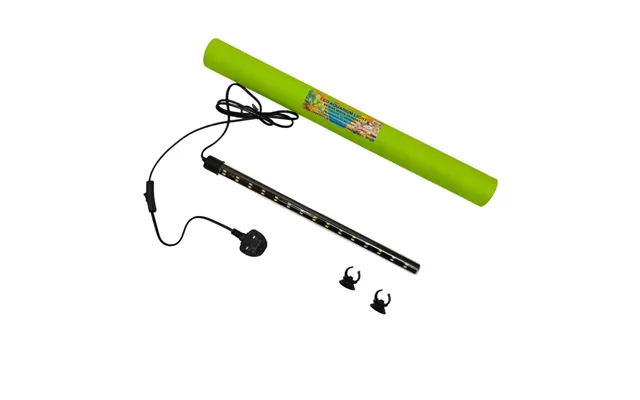

Aquarium Lighting price list
Last updated Monday, 19 Oct 2026
| Aquarium Lighting | Price |
|---|---|
| Fluval Bug Bites Tropical Flakes 45g | £7.39 |
| Led Aquarium Light 46cm Bright White Ip67 Waterproof Aquarline | £9.99 |
| Fluval T5 Quad Lamp Fixture 36in | £244.99 |





Loading...
Last updated Monday, 19 Oct 2026
| Aquarium Lighting | Price |
|---|---|
| Fluval Bug Bites Tropical Flakes 45g | £7.39 |
| Led Aquarium Light 46cm Bright White Ip67 Waterproof Aquarline | £9.99 |
| Fluval T5 Quad Lamp Fixture 36in | £244.99 |
Looking to brighten your tank and still keep your budget happy? You’re in the right place. Aquarium lighting does much more than make your fish look fabulous—it fuels plant growth, keeps corals thriving, and turns a simple glass box into a living scene. If you’ve been browsing popular offers and price lists on a comparison site, you’ve probably noticed a dizzying range of fixtures, features, and price points. Don’t worry. This guide breaks down what matters, which types of lights suit which tanks, and how to compare deals wisely so you land the best value in the UK without guesswork.
Aquarium lighting is the heartbeat of your tank’s daily rhythm. It sets the stage for photosynthesis in plants, energises coral growth, and helps your fish show their natural colours. Think of it like setting the lighting for a home theatre—get it right and everything pops; get it wrong and the scene falls flat. The right light influences fish behaviour, plant health, and algae levels. It also makes your aquascape look crisp and vibrant, so you actually enjoy the view you’ve worked hard to create. Whether you keep a 10‑gallon planted nano or a 120‑gallon reef, matching light output, spectrum, and coverage to your setup is the difference between “looks okay” and “wow.”
Choosing a fixture is easier when you know the main categories. Each type brings its own strengths, costs, and maintenance needs. LEDs lead the pack today, but fluorescent and even older styles still pop up in price lists and discount pages. Here’s what to expect from the most common options.
LEDs are the modern favourite for good reason. They’re energy-efficient, run cool, and offer customisable output and colour control. Want a gentle sunrise, a midday punch for plants, and moonlight shimmer at night? LEDs can do that with built‑in timers, dimming, and app control. They come in bars, strips, and pucks, so you can cover a 24‑inch nano or span a 6‑foot show tank. Better yet, they last for years, reducing replacement costs and hassle. If you’re scanning popular offers, you’ll see LED fixtures dominate—especially those tailored to planted tanks and reefs.
Fluorescent lights used to rule the hobby, particularly in T5 form. They deliver even coverage and can grow many plants well. That said, tubes need replacing over time, they run warmer, and they lack the granular control you get from LEDs. If you find a sharp discount, a T5 fixture can still be a value pick for long tanks that need uniform spread. Just factor in bulb replacements and higher energy use compared to a good LED.
Metal halide once set the standard for reef growth thanks to strong intensity and shimmer. Nowadays, most hobbyists move toward LEDs to ditch the heat, power draw, and bulb changes. Still, if you see a legacy halide deal, know it can grow light‑hungry corals—just be ready to manage heat and consider a chiller for larger systems. For most keepers, a modern reef LED provides a better blend of control and efficiency.
Running a compact tank on a desk or kitchen counter? Clip‑on and nano LEDs are designed for small glass rims and short water depth. They’re affordable, easy to position, and perfect for 5‑ to 20‑gallon setups. Keep an eye on spread; small heads can create hot spots or shadows. If you’re comparing prices, look for models with dimming and a simple timer so you can dial in an 8‑ to 10‑hour schedule without fuss.
Beyond price, the specs that matter most are output, spectrum control, coverage, mounting flexibility, and smart features. The best fixture for a fish‑only tank isn’t the same as a reef light for SPS corals, and a tall, deep tank needs more punch than a shallow nano. Here’s how to read spec sheets like a pro—without getting lost in the weeds.
Healthy plants and corals crave a balanced spectrum that supports photosynthesis while keeping colours natural to your eyes. For planted tanks, look for fixtures that blend clean white with a touch of red and blue to punch up greens and reds. Reef lights typically emphasise blue hues for coral fluorescence. If a fixture offers multiple channels (white, blue, red), that’s a plus. It lets you tweak the mix for your scape and your taste without overblasting algae‑friendly wavelengths.
Automation transforms your tank’s daily routine. Built‑in timers and dimming let you mimic sunrise and sunset, avoiding sudden bursts that startle fish. App‑controlled lights add fine‑tuning, from colour balance to custom schedules for weekdays and weekends. If you’re comparing two similar options, choose the one that lets you set and forget—your tank will look better, and your life gets easier.
Coverage is where many buyers stumble. A single bar can light a 24‑inch tank perfectly but leave dim corners on a 48‑inch or 72‑inch setup. Check the manufacturer’s recommended tank length and consider your aquascape height. Taller tanks often need either higher‑output lights or multiple units. Mounting options matter too: adjustable legs, rim mounts, and hanging kits let you set the light 6 to 12 inches above the water for even spread and less shadowing from wood or rock.
Water and electricity don’t mix, so choose fixtures with splash resistance, sealed lenses, and solid heat management. Aluminium bodies help dissipate heat; covered fans run quieter and last longer. If you see an ingress protection rating, higher is better for splash‑prone tanks. Sturdy brackets and secure power supplies prevent surprises, especially on open‑top aquariums where splashes are routine.
The perfect light depends on what you keep. Fish‑only setups care more about colour rendering and shimmer. Planted tanks need structured intensity and a growth‑friendly spectrum. Reef tanks are the pickiest, demanding strong, controllable output and a blue‑leaning spectrum for coral health and pop. Pick the category that mirrors your dream tank and shop accordingly.
Here, you can prioritise looks and ease. Choose an LED with pleasant white balance and a subtle shimmer that brings out fish colours without blinding them. Adjustable brightness helps you avoid stressing shy species. If you’re running tanks from 10 to 55 gallons, a simple, dimmable bar with a basic timer usually does the trick, delivering a natural day‑night rhythm without overgrowing algae.
Plants love consistency. For low‑light species like ferns and anubias, a modest LED with a balanced spectrum and 8 to 10 hours of run time is plenty. Medium‑light scapes with stems and carpeting plants need more intensity and even spread; look for multi‑row bars or two smaller fixtures side by side. High‑light tanks, especially deeper than 18 inches, often benefit from stronger output, elevated mounting, and CO₂ injection to keep algae in check. The more you push growth, the more control you’ll want over brightness and colour channels.
Corals are sensitive. Softies and many LPS thrive under moderate intensity with a blue‑leaning spectrum that enhances fluorescence. SPS are demanding—they prefer stable, strong light with excellent spread and minimal shadowing. Modular LED pucks create beautiful shimmer but may cast shadows around branching corals; combining multiple heads or adding light bars can smooth out coverage. If you’re stocking a 75‑ to 120‑gallon reef, plan for multiple fixtures or a hybrid layout to bathe the entire scape evenly.
When you browse a category like “Aquarium Lighting” on a comparison site, you’ll typically see a mix of LED bars for freshwater, full‑spectrum planted fixtures, reef‑centric pucks and panels, budget clip‑ons for nanos, and legacy fluorescent options. Popular offers often highlight starter‑friendly kits with timers included, while price lists help you sort by length and output to fit your tank. Because it’s a comparison environment, you can quickly scan specs, filter by tank size, and weigh features side by side before clicking through to a retailer.
Let’s talk money. The price bracket you pick shapes the features you’ll get. Budget lights have become surprisingly capable, mid‑range models strike a sweet spot of control and quality, and premium fixtures aim at high‑end planted and reef systems where precision matters. Here’s how each tier typically stacks up.
Budget LEDs are perfect for fish‑only tanks and low‑light plants. Expect simple controls—maybe a basic timer and a few brightness steps. Build quality is lighter, but looks can still be gorgeous if you size and mount them correctly. Upgrading later is easy: add a second bar for more spread or swap to a fixture with stronger output as your aquascape evolves.
Mid‑range hits that “just right” zone for most planted tanks and many mixed reefs. You’ll often get multi‑channel control, smoother dimming, better heat management, and sturdier brackets. These lights usually include app control or a refined controller, making sunrise/sunset schedules a breeze. If you have a 40‑ to 75‑gallon display, this tier often gives you the best balance of cost, control, and coverage.
Premium fixtures bring serious punch, precise spectrum tuning, and excellent optics designed to reduce hot spots and shadows. They’re ideal for SPS‑dominant reefs and showpiece planted tanks where colour rendition and stability are non‑negotiable. Expect robust housings, quiet cooling, and deeper customisation. You’ll pay more up front, but if your goal is top‑tier growth and jaw‑dropping visuals, this is where you’ll land.
Even the best light struggles if it’s mounted poorly or run too long. Aim for even spread, consistent timing, and gentle ramps that mimic nature. Your fish and corals will relax, your plants will thrive, and nuisance algae won’t get an easy foothold.
For most fixtures, start by placing the light 6 to 10 inches above the water. This height softens hot spots, widens spread, and reduces salt spray. If you see shadows behind tall wood or rock, raise the light an inch or two or angle the fixture slightly. Long tanks benefit from two lights positioned a foot apart rather than one mega‑bright unit in the middle.
Simple schedules are best. Most fish‑only setups look great at 8 to 10 hours per day. Low‑light planted tanks do well with 8 hours; medium to high‑light scapes may run 8 to 9 hours to balance growth with algae control. Reefs commonly sit around 9 to 10 hours with gradual ramps—blue channels can run a little longer for evening glow while keeping overall intensity modest at dusk.
Algae love excess light and excess nutrients. If blooms happen, trim the schedule by an hour, reduce peak brightness a notch, and clean filters to boost flow. Keep feeding sensible and perform regular water changes. Think of algae like weeds on a lawn—you manage the sunlight and the fertiliser, and they fade.
Seeing dim corners, washed‑out colours, or equipment hiccups? You’re not alone. Most lighting issues have quick fixes: tweak placement, adjust settings, or add a small auxiliary light bar to fill the gaps.
Shadowing happens when a single light meets tall hardscape or branching corals. Raise the fixture a couple of inches, slide it forward or back, or add a second light to blend beams. For long tanks, two medium fixtures often beat one large unit for even coverage from end to end.
If fish look grey or plants look flat, you might have too much of one colour channel. For freshwater, add a touch of red and reduce overly cool whites. For reefs, balance blue with enough white to bring back natural tones while keeping fluorescence. Small changes—5% here, 10% there—can transform the view without upsetting your livestock.
Hot fixtures and whiny fans are a pain. Ensure good airflow above the light and keep vents dust‑free. If your room runs warm, raise the light a bit or lower peak intensity. A clean, cool fixture lasts longer, runs quieter, and holds output steady across the day.
Comparison platforms are built for efficiency. Start in the Aquarium Lighting category to see popular offers and a clear price list. Filter by tank length, intended use (freshwater, planted, reef), and key features like dimming or app control. Open a few contenders and compare coverage recommendations against your tank’s footprint—24 inches? 36 inches? 48 inches? Check what’s included (mounting legs, hanging kit, controller) and scan user notes for real‑world feedback. Because you can contrast multiple listings at a glance, you’ll spot genuine value fast before clicking through to the retailer that sells it.
Before you commit, match your tank’s needs to the fixture’s strengths. Do you keep low‑light plants or light‑hungry stems? Are you lighting a shallow 20‑gallon or a deep 90‑gallon? Do you want hands‑off automation with sunrise and moonlight, or a simple on/off routine? Confirm the light’s recommended tank length, ensure the mounting style fits your rim or canopy, and pick a model with enough headroom to grow into your future scape. When the features and the price both feel right, that’s your sign.
Great aquarium lighting isn’t just about brightness—it’s about balance, control, and coverage that suits your fish, plants, or corals. LEDs dominate today’s deals for good reason: they blend efficiency with customisation and long life. Whether you’re browsing popular offers for a budget nano light or comparing premium reef fixtures on a price list, start with your tank’s size and livestock, then weigh spectrum, mounting, and automation. Do that, and you’ll land a fixture that makes your aquascape shine day after day.