





All categories
Business & Offices
Electronics & Media
Fashion & Accessories
Groceries & Essentials
Health & Personal Care
Home & Living
Kids & Family
Sports & Outdoors
Search in ZoneOffer
Loading...
If you’ve ever filled a tank straight from the tap and wondered why your fish looked stressed, the answer is simple: untreated water isn’t aquarium-ready. Chlorine, chloramine, heavy metals, and unpredictable parameters can turn a peaceful tank into a roller coaster. That’s where aquarium water treatments shine. They transform tap water into safe, stable, and sparkling habitat—fast. Whether you’re hunting for popular offers or browsing a price list, understanding which treatment does what will save you time, money, and headaches.
Shopping around, you’ll notice the same core categories come up over and over. That’s a good thing—it means you can compare like-for-like products, focus on cost per gallon, and choose the formula that fits your fish, plants, or reef. Let’s break down the essentials so those deals make perfect sense.
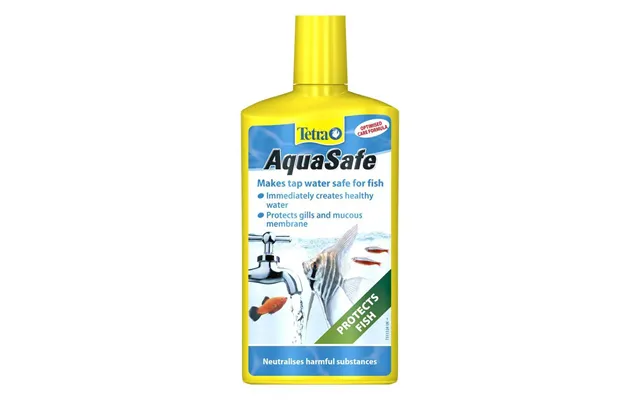
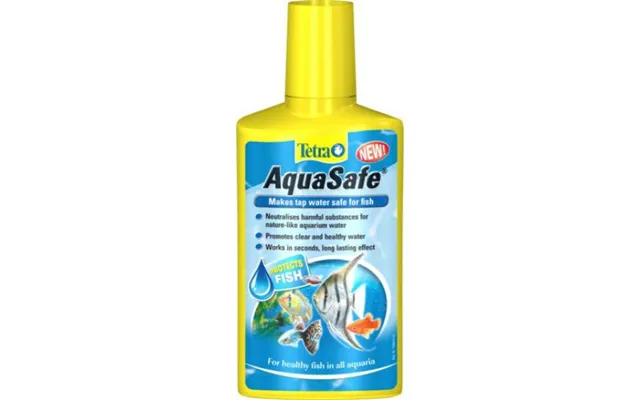
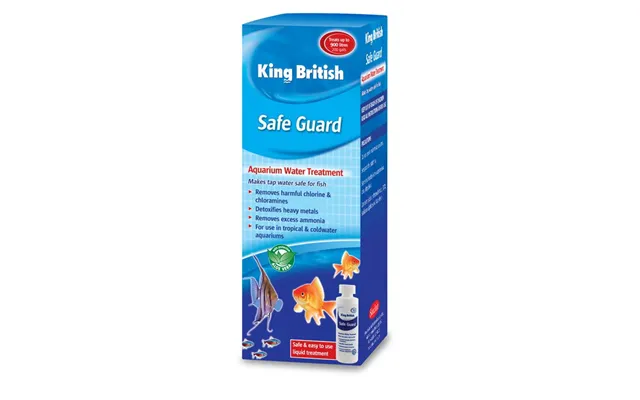
Tap water typically contains chlorine or chloramine, both harmful to fish and beneficial bacteria. A dechlorinator neutralizes chlorine instantly, while a complete conditioner also handles chloramine and binds heavy metals. Many conditioners add slime-coat enhancers that help fish recover from netting or shipping stress. If your price list includes different bottle sizes, remember that concentrates stretch farther, treating hundreds or thousands of gallons with just a few ounces.
Even with stable tanks, surprises happen. A clogged filter, overfeeding, or a new fish can spike ammonia or nitrite. Detoxifiers bind toxic compounds into safer forms, buying time for your biofilter to catch up. These are your emergency parachutes. If you’re cycling a new tank or rescuing one after a power outage, this category can be a lifesaver for fish and invertebrates alike.
Want to skip the weeks-long wait for a healthy nitrogen cycle? Bacteria starters seed your filter with nitrifying strains that convert ammonia to nitrite and nitrite to nitrate. They’re especially useful after filter maintenance, medication rounds, or when adding a larger group of new fish. When comparing offers, look for formulas stable at room temperature and rated for both freshwater and saltwater if you keep mixed systems.
pH alone doesn’t tell the whole story. Buffers stabilize pH by increasing carbonate hardness (KH), while mineral additives adjust general hardness (GH). Together, they prevent those dramatic overnight swings that stress fish. If your tap water crashes pH between water changes, a buffer can restore consistency. Check the label for target ranges and consider your species—soft-water tetras and hard-water livebearers thrive at different parameters.
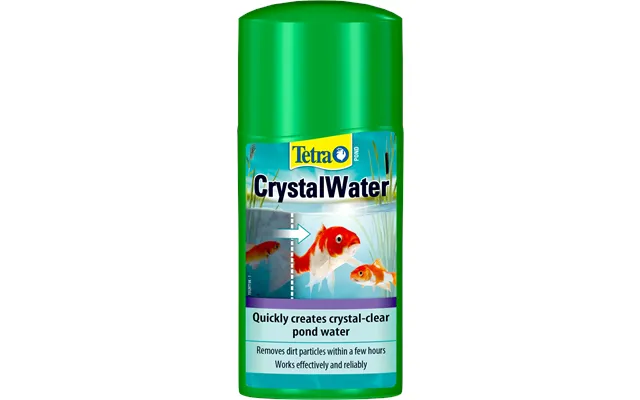
Green water, cloudy water, or stubborn diatoms? Algae control products tackle blooms at the cellular level, while clarifiers clump tiny particles so your filter can remove them. These are great for quick results before a party or photo, but they’re not magic wands. Think of them as polish, not a substitute for good maintenance. Compare dosage rates and check that the product won’t harm plants, shrimp, or corals.
Planted tanks sip nutrients faster than you think. Complete fertilizers provide essential macros and micros, while liquid carbon supplements offer an easier on-ramp to better growth. If you see plant foods on a treatments price list, don’t skip them. Healthy plants mean fewer algae problems and steadier water chemistry. Aim for balanced dosing to prevent yellowing leaves or stunted stems.
Saltwater setups have their own rules. You’ll find conditioners that stabilize trace elements, neutralize residual chloramine in mixed saltwater, and detoxify ammonia in quarantine systems. Reef-safe formulations matter—some additives can irritate corals or inverts. When comparing marine treatments, look for clear reef-safe labeling, and match treatments to your system’s complexity.
Aquarium salt isn’t just for brackish tanks. In small doses, it can support gill function and osmotic balance in many freshwater species. Electrolyte balancers replace minerals stripped by soft tap water or aggressive filtration. If you keep livebearers, goldfish, or African cichlids, the right mineral profile can make color pop and behavior more natural.
All aquariums are not created equal. A nano betta tank has different needs than a 75-gallon reef. The trick is to match treatments to your livestock and maintenance style. That way, every dollar you spend turns into clear water, stable parameters, and healthy, active animals.
For nano and community tanks, prioritize a gentle complete conditioner, bacteria starter, and a basic buffer if your pH swings. Shrimp keepers should double-check copper-free labels and avoid harsh algaecides. Bettas appreciate calm water and stable warmth around 78–80°F, so consistency beats constant tweaking.
Goldfish and larger cichlids produce heavier waste. A robust detoxifier and regular bacteria boosts can prevent mini-crises after big meals. Clarifiers help with suspended debris, but don’t mask a filter that’s too small. Focus on conditioners that handle chloramine and heavy metals, and consider a nitrate-reducing approach if weekly water changes aren’t keeping up.
Marine fish-only systems can tolerate broader treatment choices, but reefs demand reef-safe, invert-friendly formulas. Use conditioners designed for saltwater mixing, test salinity carefully, and avoid anything that promises a cure-all for algae—it rarely plays well with corals. In quarantine, ammonia detoxifiers shine while you feed heavily to condition new arrivals.
Price tags can be deceiving. A cheap bottle that treats only 50 gallons won’t beat a concentrate that handles 500 gallons for a bit more money. To compare offers smartly, always boil it down to cost per gallon, treatment frequency, and compatibility with your current setup.
Ignore the front label hype. Flip to the dosage—how many drops or capfuls treat 10 gallons? Now do the math: total gallons treated divided by the price equals cost per gallon. Suddenly, “expensive” brands often look like bargains over time.
Concentrates save space and shipping cost per treatment, while ready-to-use products are beginner-friendly. If storage space is tight or you’re conditioning 50+ gallons weekly, a concentrate usually wins. Just measure carefully—double-dosing a concentrate can overshoot your target.
Some offers pair a conditioner with a bacteria starter or include multi-packs of the same product. Bundles can be great if you’ll use everything inside. If not, you’re better off buying single products that match your tank’s actual needs. Don’t let a flashy discount lure you into shelf clutter.
A little math prevents a lot of mess. Always base dosage on how much new water you’re adding, not the full tank volume—unless the label says otherwise. Use a syringe or measuring spoon for accuracy, especially with nano tanks where a few extra drops can swing parameters.
Condition the replacement water before it enters the tank. If you’re swapping 10 gallons on a 40-gallon tank, dose for 10 gallons. Pre-treating in a bucket makes it easier to match temperature and avoid shocking your fish. Aim for steady, predictable routines.
If tests show ammonia or nitrite, act fast. Dose a detoxifier per the emergency instructions, increase aeration, and cut feeding for a day or two. Follow up with a bacteria booster to rebuild the biological filter. Retest within 24 hours to verify improvement.
Some conditioners allow double-dosing for chloramine-heavy tap water or emergencies, but that’s not a blanket rule. Read the label carefully—plant fertilizers, buffers, and algaecides rarely tolerate extra doses. When in doubt, split a full dose into two smaller ones a few hours apart.
Guessing is expensive. Testing is cheap. Keep a liquid test kit or digital meter for core parameters so your treatments target real problems. That way, you’re not chasing phantoms or over-correcting stable water.
Measure ammonia and nitrite during the cycle or after major changes. Track nitrate weekly so you know when a water change is due. pH tells you where you are; KH tells you how easily pH might shift. With these numbers, you can choose the right buffer, conditioner, or detoxifier confidently.
Seeing ammonia? Detoxify and seed bacteria. Nitrate creeping up? Add plants, reduce feeding, or increase water changes. pH drifting? Adjust KH with a buffer rather than bouncing pH up and down daily. Data turns guesswork into simple to-dos.
Most water problems start with good intentions and rushed decisions. Slow down, read labels, and make one change at a time. Your fish will thank you with brighter colors and calmer behavior.
Clarifiers and algaecides are handy but easy to overdo. Too much can reduce oxygen or stress sensitive species. If you’re reaching for the bottle every week, fix the root cause: excess light, overfeeding, weak filtration, or inconsistent water changes.
Not all products play nicely together. Some conditioners interfere with medication, and some algae controls clash with plant fertilizers. If the labels don’t explicitly allow it, space treatments at least a day apart and run fresh carbon afterward if recommended.
Constantly nudging pH up or down creates the exact instability fish hate. Stabilize KH first, aim for a reasonable target range, and let the tank settle. Most community fish do better with stable “okay” than unstable “perfect.”
Price comparison pages make it easy to line up options side by side, but the choices can still feel endless. Filter down by tank type, treatment category, and cost per gallon. Then read a few reviews to confirm real-world performance in tanks like yours.
Treatments, especially bacteria starters and plant foods, can lose potency over time. When comparing offers, look for current stock and sensible expiry windows. Fresh batches mean predictable results—and fewer surprises.
A product that claims to handle 500 gallons might struggle with a heavily stocked 75-gallon tank. Reviews from owners with similar setups—goldfish, shrimp, reef, or planted—tell you how conservative those label claims are. Let their experience shorten your learning curve.
You don’t need a chemistry lab to run a great aquarium. With a few well-chosen treatments, you’ll cover 95% of everyday needs and occasional emergencies. Here’s a simple blueprint you can adapt to your tank size.
Pick a reliable complete conditioner, a bottle of beneficial bacteria, and a small detoxifier for emergencies. Add a gentle buffer only if pH swings. If algae creeps in, reach for a clarifier sparingly and adjust your light schedule before dosing.
Choose a conditioner safe for plants, a comprehensive fertilizer, and optional liquid carbon if you’re not running pressurized CO2. Keep a nitrate test handy to dial feeding and dosing. A root tab here and there can transform heavy root feeders like swords.
Use a saltwater-safe conditioner for mixing, an ammonia detoxifier for quarantine, and trace element support if tests show depletion. Avoid broad-spectrum algae killers—tackle nutrients and lighting instead. Stability, not constant tinkering, is the reef keeper’s secret weapon.
If you prefer a lighter touch, you’ve got options. Many treatments now avoid harsh solvents and rely on targeted chemistry that’s kinder to fish, plants, and inverts. Still, eco-friendly doesn’t mean dose-free—measure carefully and watch how your tank responds.
Blackwater extracts and leaf-based tannins can calm fish, reduce light penetration, and subtly inhibit algae. They tint the water a warm tea color—perfect for soft-water species. Choose reputable products and change water consistently to avoid over-darkening.
Great water treatments fix emergencies and polish your results, but the real win is prevention. Feed less, clean filters, trim plants, and change water weekly. Add treatments as the finishing touch, not the foundation. Your tank will run smoother with fewer bottles and better habits.
Aquarium water treatments turn ordinary tap water into safe, stable, and beautiful habitat. When you compare popular offers thoughtfully—focusing on cost per gallon, compatibility, and your tank’s specific needs—you get better results for less money. Start with a solid conditioner, keep a detoxifier for surprises, seed bacteria after big changes, and buffer only when stability demands it. Pair everything with regular testing, and your fish, plants, or corals will reward you with vibrant color and lively behavior—all without turning maintenance into a chore.
| Aquarium Water Treatments | Price | |
|---|---|---|
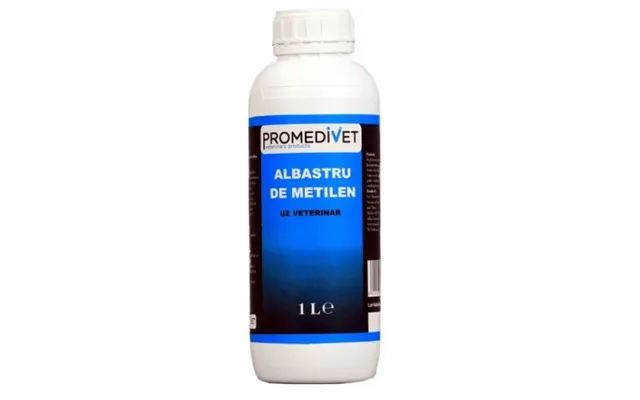
| Promedivet Methylene Blue - 1% | £ 9,80 |

