All categories
Business & Offices
Electronics & Media
Fashion & Accessories
Groceries & Essentials
Health & Personal Care
Home & Living
Kids & Family
Sports & Outdoors
Search in ZoneOffer

Loading...
If you’ve ever felt that mix of pride and panic watching your dog bolt toward an open gate, or your cat quietly make a run at a tempting hedge, you already know why pet containment systems exist. They’re about freedom and safety at the same time—giving your pet room to explore while setting clear, humane boundaries. With modern options ranging from wireless dog fences to GPS-enabled collars and sturdy indoor gates, it’s easier than ever to tailor a setup to your home, your routine, and your pet’s personality.
In the UK, comparison platforms like ZoneOffer highlight popular offers and useful price lists so you can weigh features, coverage, and total cost before you buy. The trick is understanding what type of containment suits your space and your pet. That’s what this guide delivers—clear, friendly advice to help you find a safe, secure solution without wasting money or time.
At its core, a pet containment system creates a boundary your pet learns to respect—indoors, outdoors, or on the go. Some systems alert your pet with a tone or vibration first, then add a mild static correction if they ignore the warning. Others use physical barriers like gates and pens. Smart solutions can even draw invisible lines on a map using GPS, sending your phone alerts if your pet steps over the line. The result? Peace of mind for you, and consistent guidance for your pet.
Containment isn’t punishment—it’s a training tool. Think of it like guardrails on a scenic road. You’re still enjoying the view; you’re just avoiding the cliff. When used correctly with proper training, these systems become a safe, predictable way to give your pet more freedom while you keep control.
Not all solutions are created equal, and that’s a good thing. Yards, flats, terraces, farms—every living situation is different, and your pet’s needs will be too. Here are the main categories you’ll see when browsing comparison listings and price pages.
Wireless radio systems create a circular boundary from a central transmitter. You place the transmitter inside your home, set a radius—say, 90 feet to 330 feet—and your pet’s collar responds as they approach the edge. Setup can be surprisingly fast, and the system is portable enough to take on holiday. Downsides? The circular shape can’t be customized, and heavy metal objects or thick walls can interfere with the signal. For straightforward lawns and quick installation, though, wireless is a strong contender.
In-ground systems use a wire you lay around your desired perimeter. The wire can be buried just 1 to 3 inches below the surface or secured along fences and paths. The big win is customization—you can loop around gardens, avoid driveways, or create no-go zones near ponds and flowerbeds. Many kits include 500 to 1,000 feet of boundary wire and can expand to cover multiple acres with extra spools. Installation takes effort, but the result is precise and reliable coverage that fits your unique property.
GPS collars draw boundaries on a digital map rather than using a physical wire or radio bubble. You can set multiple zones, adjust them instantly in an app, and get alerts if your pet wanders beyond the lines. Some systems track your pet’s location across miles, useful for adventurous dogs or outdoor-savvy cats. Accuracy typically ranges within several feet, and most require a monthly subscription. If flexibility and real-time tracking top your wish list, GPS is hard to beat.
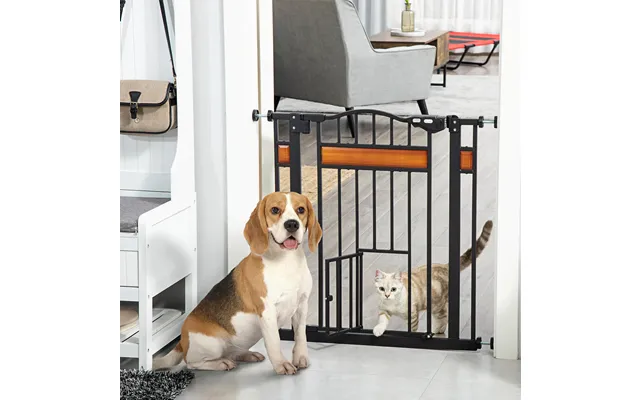
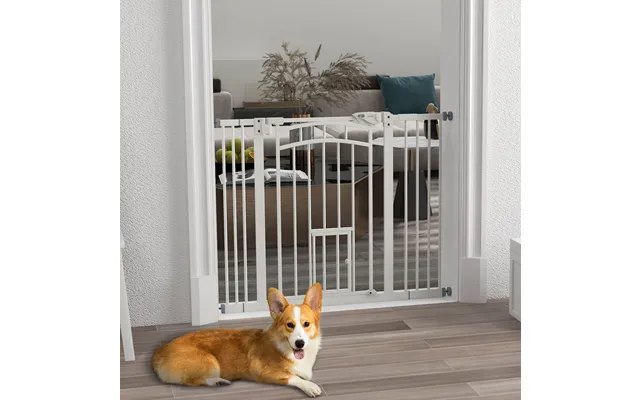
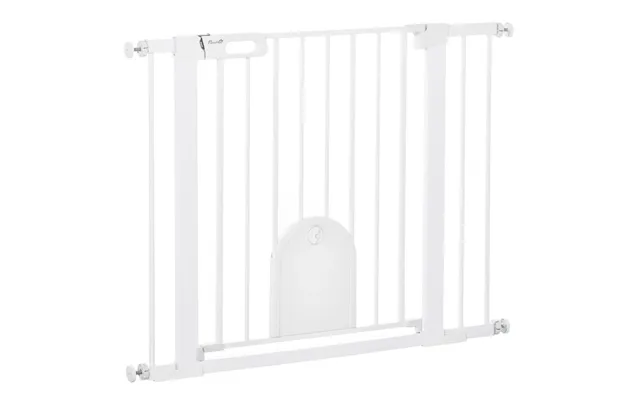
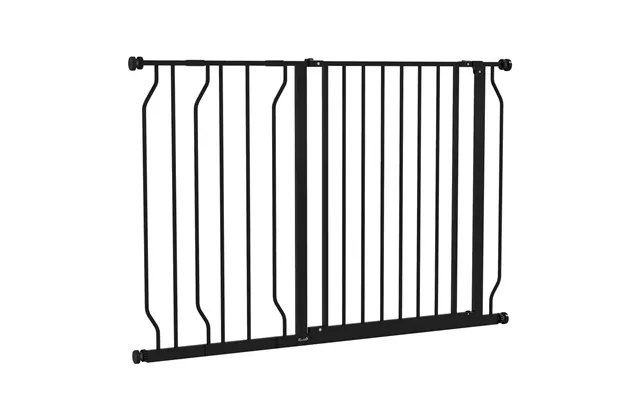
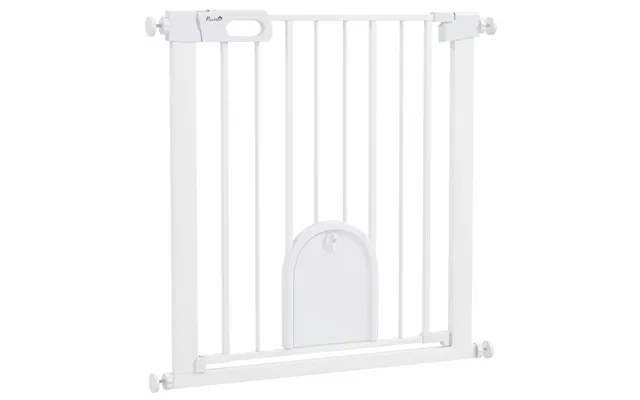
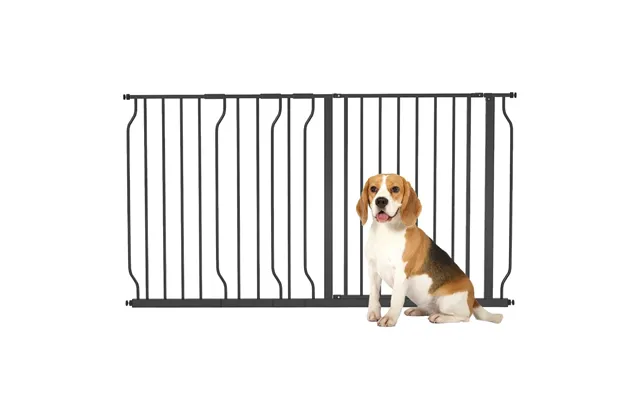
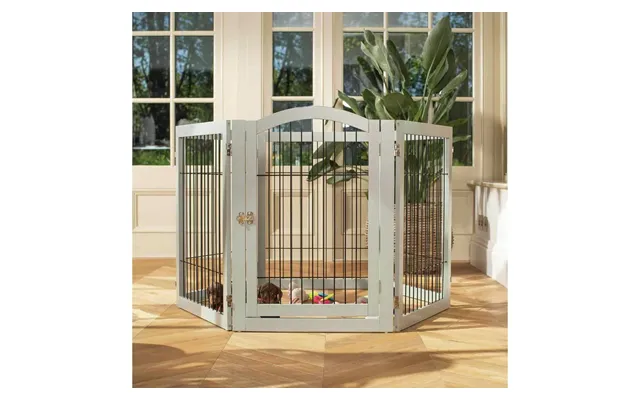
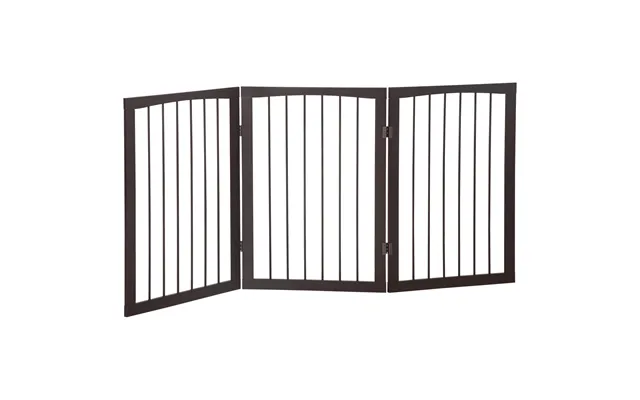
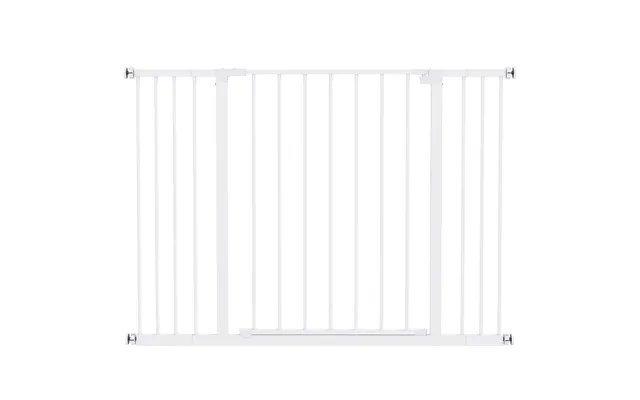
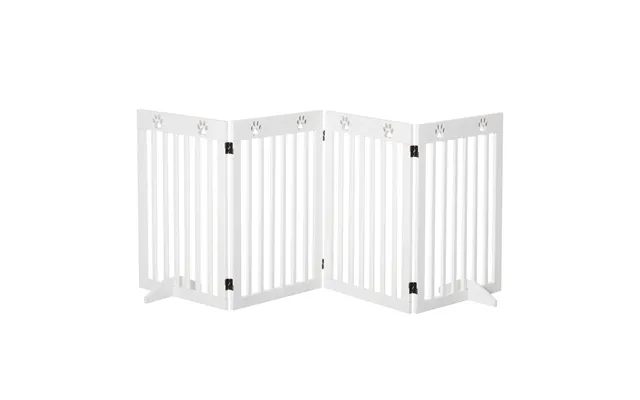
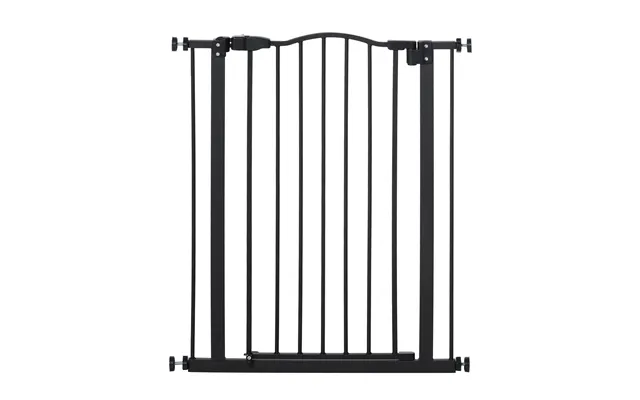
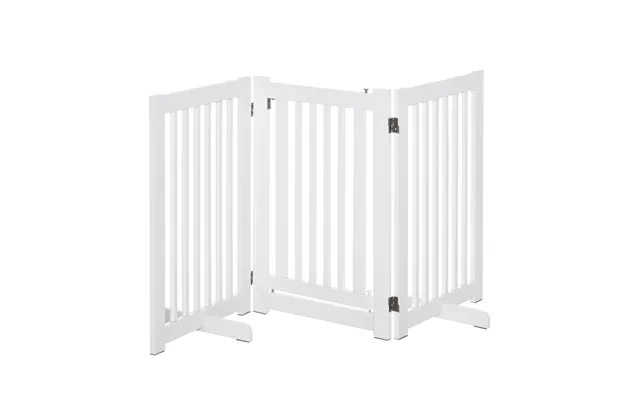
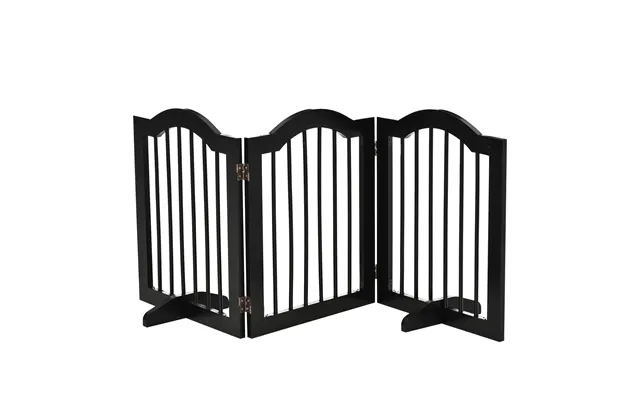
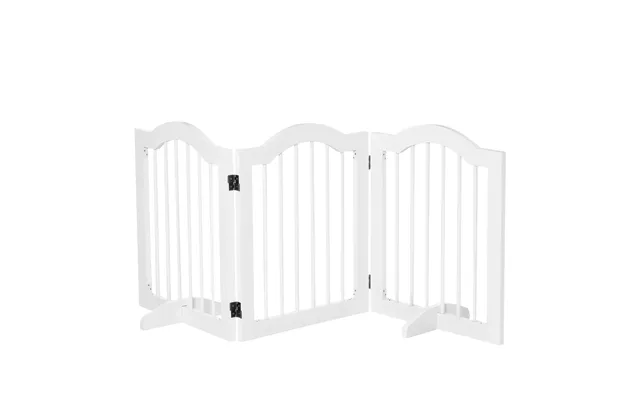
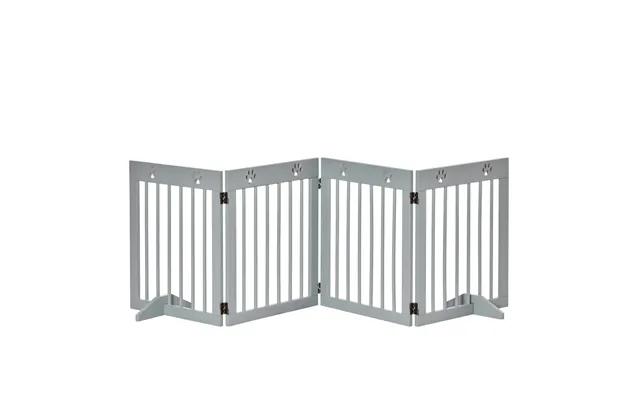
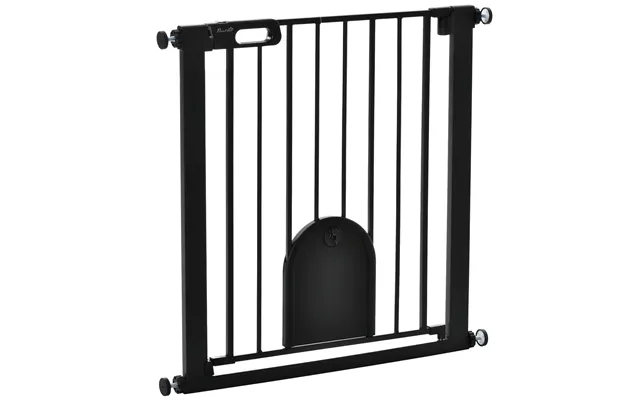
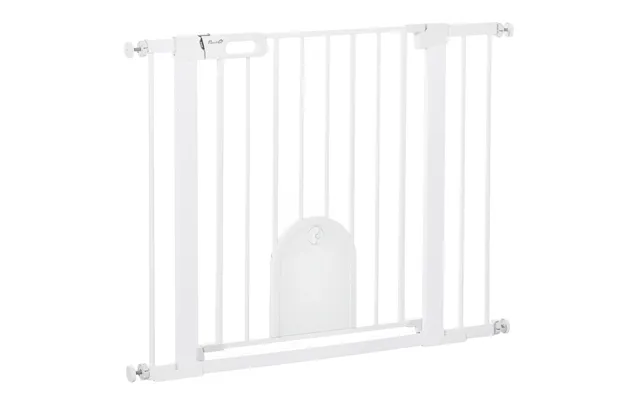
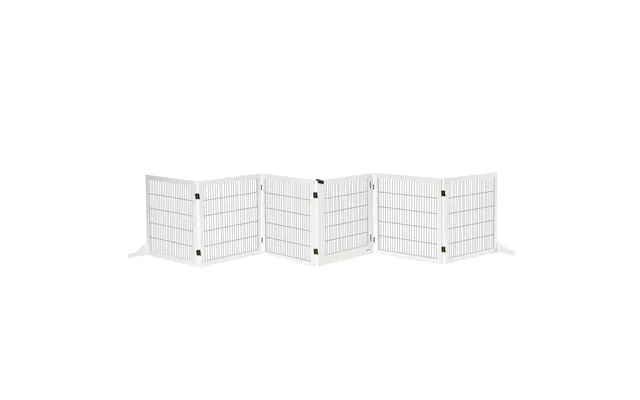
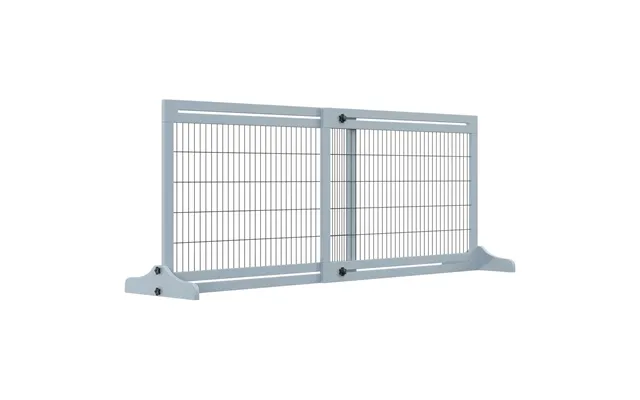
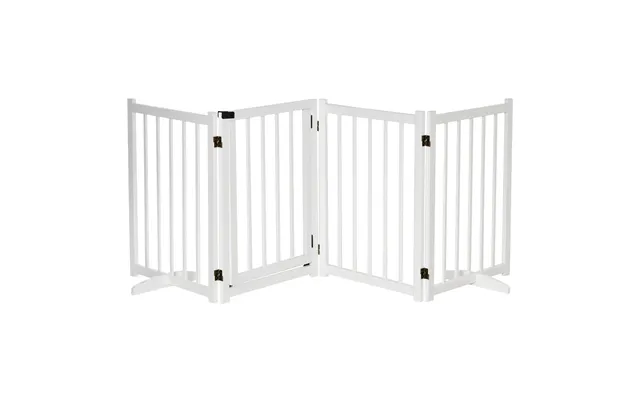
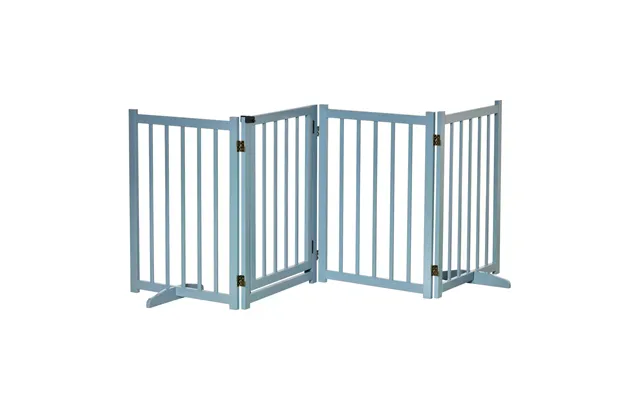
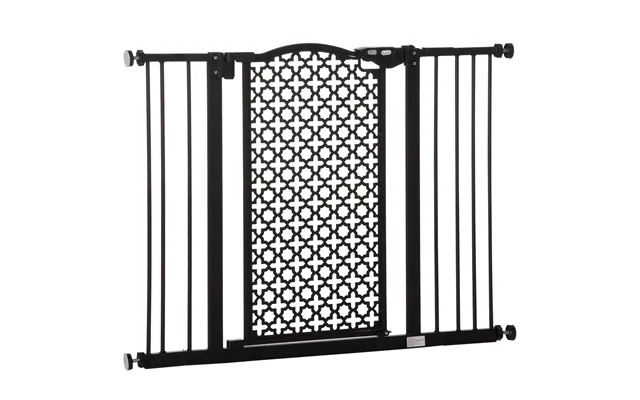
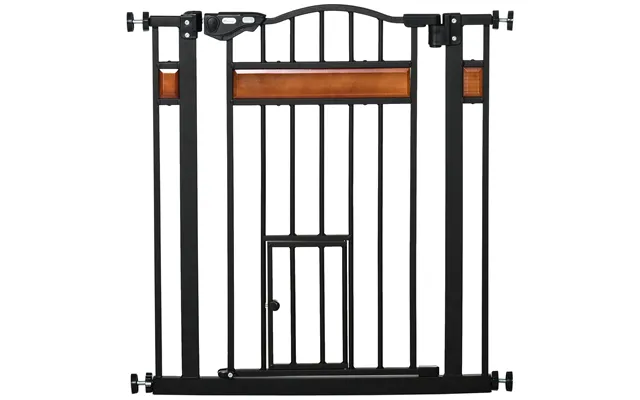
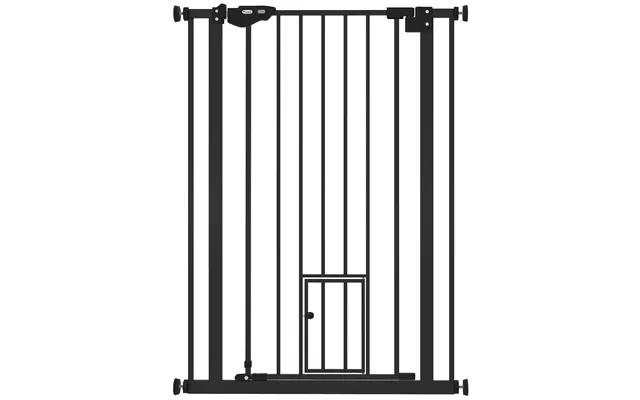
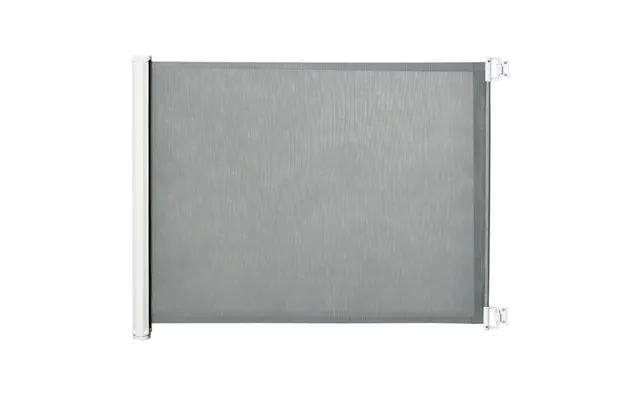
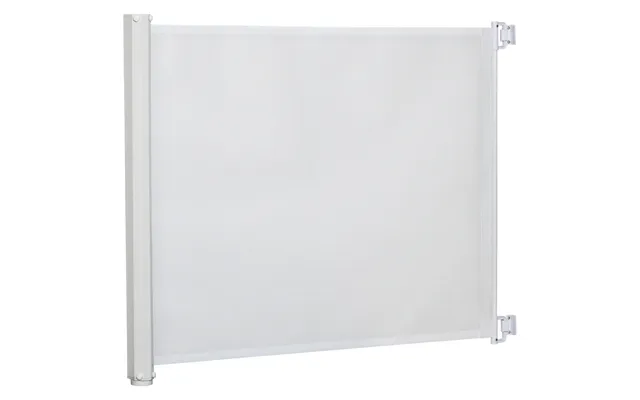
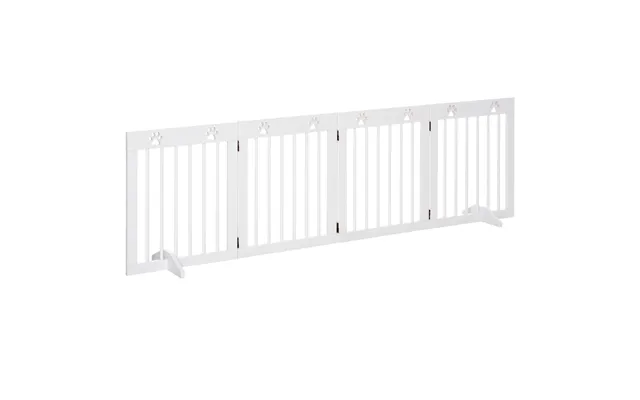
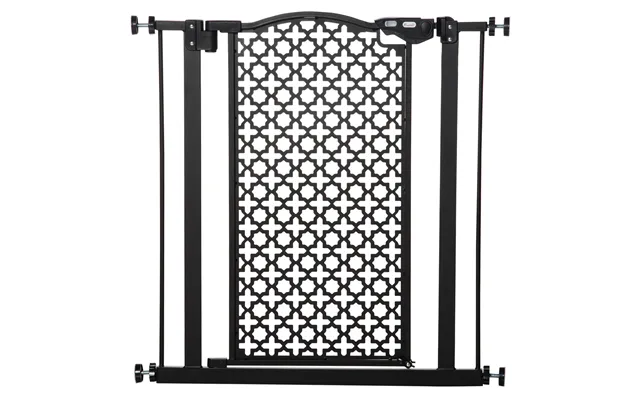
Not every boundary lives in the garden. Indoor barriers help you keep pets out of kitchens, offices, children’s rooms, and stairways. Classic gates adjust to fit doorways from about 24 to 48 inches wide, while freestanding or extra-wide versions span open-plan spaces. You’ll also find indoor “invisible” barriers that create small zones—often from 2 to 10 feet in diameter—using a floor transmitter. They’re great for protecting bins, sofas, or delicate equipment without installing a permanent fixture.
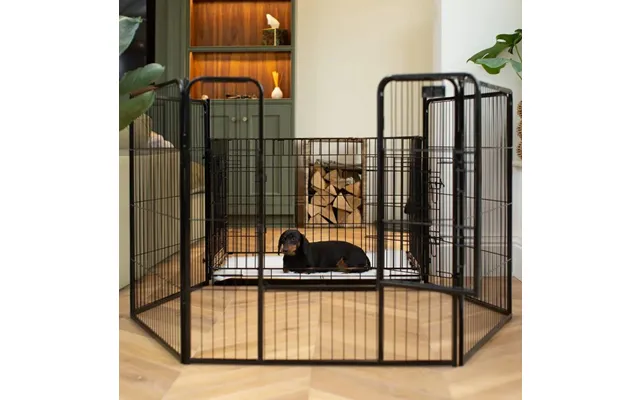
Portable containment is invaluable when you’re cooking, entertaining, or traveling. Wire or soft-sided crates in sizes from 24 to 48 inches give dogs a cozy den and a safe nap spot. Exercise pens create a flexible, enclosed area—ideal for puppies or for supervised outdoor time. Look for panels from around 24 to 42 inches high based on your dog’s size and jumping skills. These aren’t boundary systems in the electronic sense, but they’re essential tools for everyday management.
Cat containment has come a long way. Outdoor enclosures—from compact window boxes to full “catios” measuring 6 to 12 feet long—let cats soak up sunshine without roaming. For dogs, a tie-out stake and cable or a trolley line spanning 30 to 100 feet can provide controlled freedom when a full fence isn’t practical. These solutions trade open-range roaming for safety and simplicity, especially useful on campsites or at holiday cottages.
When you scan offers and price lists, dig into details that actually matter day to day. Coverage is huge: how many feet of radius, or how many acres with expansion? Customization is just as important—can you exclude gardens or shape the boundary around patios? Look at the collar’s weight in ounces, especially for small dogs and cats, and check fit ranges in inches. Review training modes (tone, vibration, static correction) and how many levels you can adjust. Don’t forget waterproof ratings, battery life measured in hours or days, and whether the system supports multiple pets out of the box or with add-on collars.
Finally, consider ease of installation. Wireless systems can be up and running in under an hour, while in-ground fences may take a weekend. For GPS collars, factor in subscription costs, coverage reliability, and the quality of the app’s alerts and maps. You want a system that matches your routine, not one that creates extra chores.
Wireless systems are a strong pick for renters, for families who move frequently, or for anyone who wants quick setup without digging. The circular boundary works well for simple lawns and compact gardens. If you host barbecues or let the kids play outside, you can give your dog a generous roaming circle—say 150 to 300 feet from the transmitter—so they stay part of the action without slipping out through an open gate.
Place the transmitter in a central location inside your home, plug it in, and choose your boundary radius. Most collars pair automatically, and you’ll add boundary flags for a visual guide while training. Plan for several short training sessions over a few days. Within a week, many dogs understand the tones and cues and happily stay inside the safe zone.
Because wireless fences rely on radio signals, large metal objects, reinforced concrete, or thick exterior walls can distort the boundary. Sloped yards and uneven terrain can also affect consistency. If you see wobbly edges—your dog gets a warning well inside the yard sometimes—consider moving the transmitter or switching to an in-ground system with a more defined perimeter.
If you want a boundary that hugs your property lines or curves around a pond and flowerbeds, in-ground fences shine. They’re often more affordable than GPS systems and more precise than wireless circles. Many kits start with 500 feet of wire and scale to multiple acres with additional spools. You’re crafting a bespoke shape for your space, and once installed, it’s reliably consistent.
Walk your perimeter and mark where you want the line. Decide if you’ll bury the wire about 1 to 3 inches deep or secure it along fencing with clips. Use twisted wire (two strands twisted together) to carry the signal out to your boundary without creating a correction zone across your lawn. Common wire gauges include 16 or 18 gauge for durability. Expect to spend a day installing and testing, and a week training with flags before removing them.
Start with tone and vibration. Only use low static levels if your dog ignores the warnings, and keep sessions short—10 to 15 minutes—twice daily. Reward generously when your dog backs away from the flags. Most dogs “get it” within 1 to 2 weeks, and you can remove the flags after about 2 to 3 weeks, once your dog consistently respects the edge.
For large properties, hiking adventures, or pets who travel with you, GPS collars deliver flexibility wire and radio can’t match. You can draw fence lines in an app, set multiple zones (like “home” and “grandparents’ garden”), and receive real-time alerts if your pet wanders across the boundary. Many models track over miles, complete with location history and activity stats.
Battery life varies widely. Some collars last a couple of days with frequent GPS updates, while others stretch to a week with power-saving modes. If you’re in a remote rural area, check that your chosen system uses GPS and additional networks to maintain a lock. Look for adjustable refresh rates so you can conserve battery during quiet nights and speed up tracking during off-leash adventures.
GPS stands out when you can’t or don’t want to install wire, when your property shape changes often, or when you split time between multiple homes. It’s also excellent for cats and dogs prone to roaming—if they step outside the virtual fence, you’ll get a ping and a precise dot on a map to guide you straight to them.
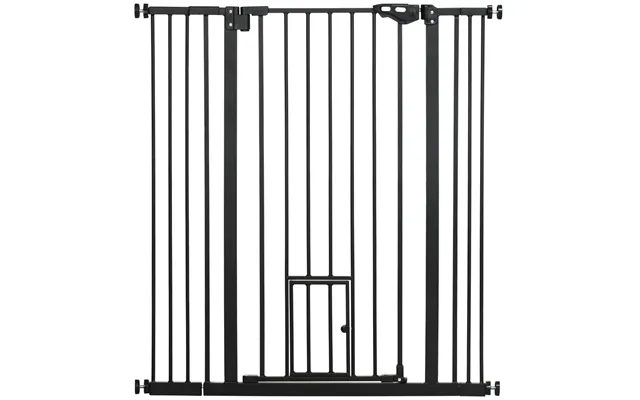
Sometimes you just need to protect a room, a stairway, or a single piece of furniture. Pressure-mounted gates fit doorways from about 24 to 48 inches, while hardware-mounted gates secure stairs with extra stability. Freestanding gates cover wide archways and open-plan layouts. If you prefer an invisible approach, indoor barrier discs create 2 to 10 foot “bubbles” that keep curious noses away from bins, sofas, and baby gear without drilling any holes.
Look for auto-close gates for busy kitchens, and choose metal or chew-resistant finishes for teething pups. For cats, taller gates or panels with small-spacing bars prevent ninja-level leaps and squeezes. If you have toddlers too, pick gates that meet child-safety standards so one product does double duty.
Crates and pens are like portable bedrooms and playrooms. A crate should be big enough for your dog to stand up, turn around, and lie down—many owners add a few inches for comfort. Common lengths range from 24 to 48 inches, with heights aligned to your dog’s size. Exercise pens with 24 to 42 inch panels give puppies a safe zone for play and potty training. They’re also brilliant for setting boundaries during parties or DIY projects.
Heading to a campsite or holiday cottage? Try a tie-out cable from 10 to 50 feet attached to a stake or a trolley line between two posts. Combine with a portable exercise pen for extra room and add shade cloth for comfort. Always supervise and check the collar fit—snug enough that it won’t slip over the head, but loose enough to slide two fingers under the strap.
Outdoor cat enclosures let your feline enjoy fresh air without the hazards of traffic or territorial disputes. Compact window boxes, tunnel systems, and larger catios—often 6 to 12 feet long—can be tailored to your space. Microchip pet doors add another layer of control, allowing only your cat to enter and enabling nightly curfews that keep everyone safer after dark. For high-rise flats, balcony screens and ceiling-to-floor mesh panels create safe sunbathing spots without risky gaps.
Some cats love a stroll. A well-fitted harness and a 4 to 6 foot leash can turn the garden or a quiet path into enrichment time. Introduce the harness slowly, reward liberally, and ensure the fit is snug enough to prevent Houdini escapes. Even if you rely on a catio, harness training gives you options for supervised adventures.
Start with your pet’s size and temperament. A sensitive 12 pound terrier might do best with tone and vibration, while a confident 75 pound retriever may need a wider range of correction levels. Measure your yard in square feet and note obstacles like sheds, ponds, cars, and metal fencing that could affect signals. Think about your routine: do you entertain often, travel with your pet, or split time between homes? Finally, consider your comfort with installation. If digging is a dealbreaker, a wireless or GPS option will feel like a breath of fresh air.
If you want fast setup and a simple circle, go wireless. If you want a tailored boundary at a great price per foot, go in-ground. If you want map-based control, tracking over miles, and flexible zones, go GPS. For room-by-room control, indoor gates and barrier discs are your best friend. For temporary zones and travel, crates, pens, and tie-outs keep life hassle-free.
For in-ground systems, use a spade or edger to make a shallow slit about 1 to 3 inches deep for the wire, and avoid tight bends that strain the copper. Waterproof splices with gel-filled connectors, and add a surge protector to the base unit if your area gets frequent storms. For wireless systems, place the transmitter at least a few feet away from large appliances and thick masonry to reduce interference.
Collar fit is critical. Position it high on the neck, snug enough that you can slide two fingers underneath. Don’t leave training collars on for more than 12 hours at a stretch, and check the skin daily, especially during the first weeks of training. Start with the lowest effective correction level and use plenty of praise—containment should feel like guidance, not punishment.
Walk the boundary monthly to spot damage from lawn tools, wildlife, or weather. Keep spare wire and connectors on hand for quick repairs. Replace rechargeable batteries as recommended by the manufacturer, and test alarms and collar responses weekly. For GPS collars, update firmware and app settings regularly, and carry a power bank on long outings just in case.
Smart shopping goes beyond the sticker price. Look at what’s included in a starter kit: wire length (for in-ground), number of flags, collar count, and chargers. Expansion kits with an extra 500 feet of wire or additional collars can save a bundle if you have multiple pets or a large perimeter. Wireless bundles often include range extenders or travel-friendly cases. And with GPS collars, factor in the subscription—yearly plans frequently cost less per month than pay-as-you-go options.
Comparison platforms like ZoneOffer make it easy to scan popular offers and quickly sort by features you care about most. Instead of hopping from site to site, you can review a consolidated price list, spot seasonal discounts, and pick the best fit with fewer clicks.
Small terrace with a 20 by 30 foot garden? A wireless fence set to roughly a 90 to 120 foot radius may give your dog room to trot while keeping them away from the street. If the circle bleeds into a neighbor’s drive, consider an in-ground loop that hugs your exact boundary instead.
Two-acre property with winding paths and a pond? In-ground offers the most precise shaping, letting you block off water features and sensitive flowerbeds while opening big play areas. Want off-property adventures too? Add a GPS collar for hikes and holidays—two tools that complement each other beautifully.
Flat living? Indoor gates keep the kitchen off-limits, an exercise pen manages zoomies, and a window catio delivers sunshine without risky escapes. For weekends away, a foldable crate and a 24 to 36 inch pen make any space feel like home base for your pet.
“Invisible fences are cruel.” Used properly, they’re training systems that start with tone and vibration, escalating only if needed, and always paired with praise and rewards. The goal is clarity, not discomfort. “They won’t work if my dog swims.” Many collars are waterproof, and in-ground or GPS systems can handle splashes—just check the ratings. “They only work for dogs.” Plenty of lightweight collars and indoor barriers are designed for cats as well. “They keep other animals out.” Most systems only contain your pet; they won’t block wildlife or neighbor pets, so consider physical fencing if that’s a concern.
Finally, “My dog will be trained in a day.” Some are quick studies, but consistency is everything. Plan a week or two of patient, short sessions and you’ll see the results stick.
Pet containment systems aren’t one-size-fits-all. The best choice blends your space, your pet’s personality, and your lifestyle. Wireless fences deliver speed and simplicity, in-ground systems draw boundaries with a pencil’s precision, GPS collars bring map-based freedom and real-time alerts, and indoor gates plus portable pens keep daily life calm and controlled. Compare offers, read the fine print on features, and invest a little time in training. Do that, and you’ll unlock the happy sweet spot where safety and freedom meet—for you and your best friend.
| Pet Containment Systems | Price | |
|---|---|---|
| House Flipper - Pets Dlc | £ 3,31 | |
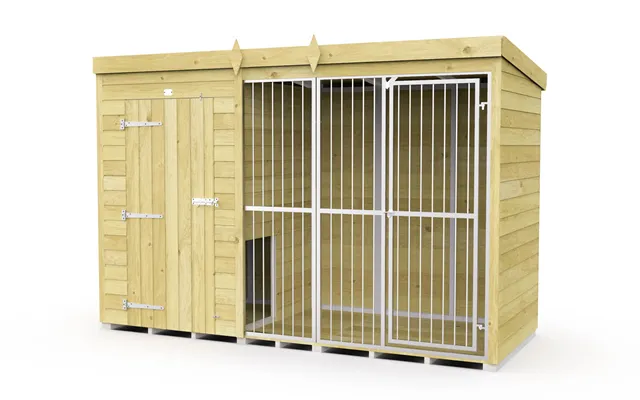
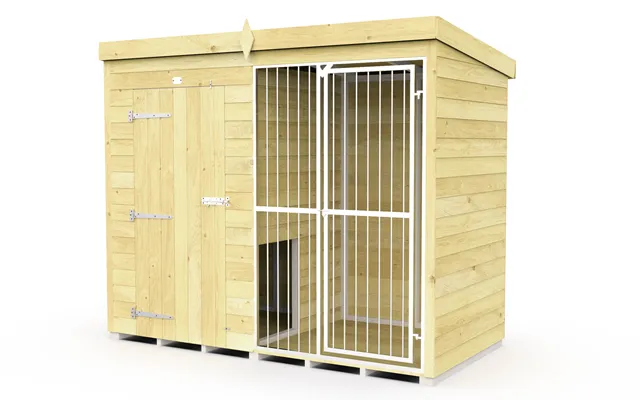
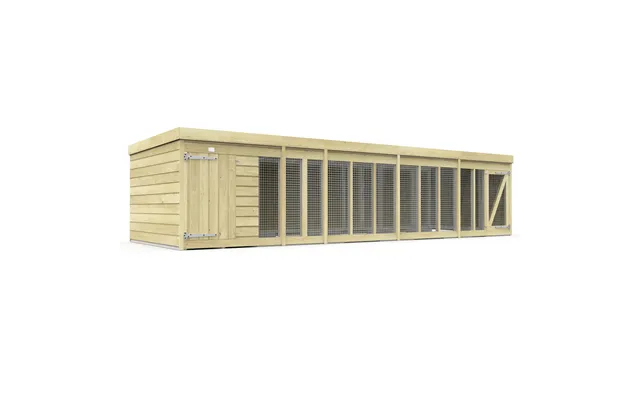
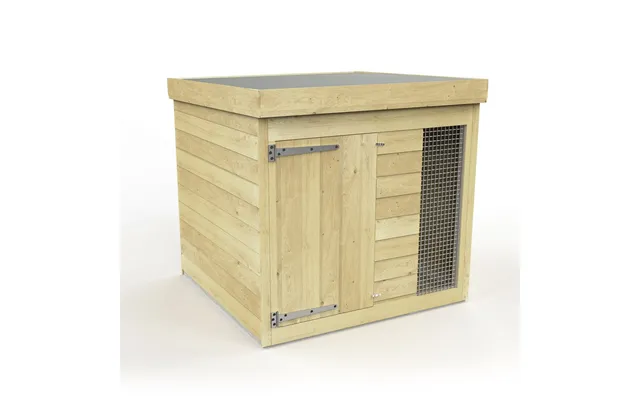
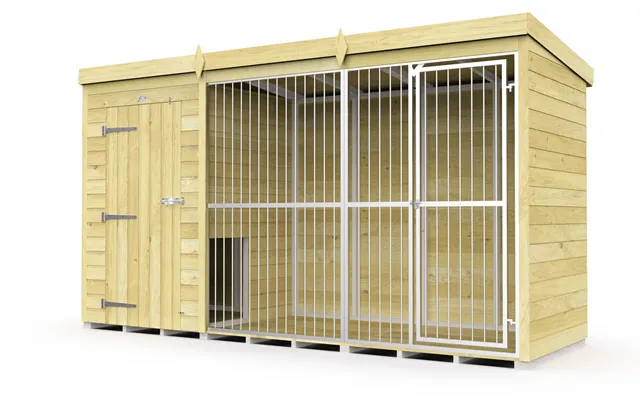
| Mercia 12 X 4ft Berkshire Dog Kennel & Run | £ 1.139,- | |
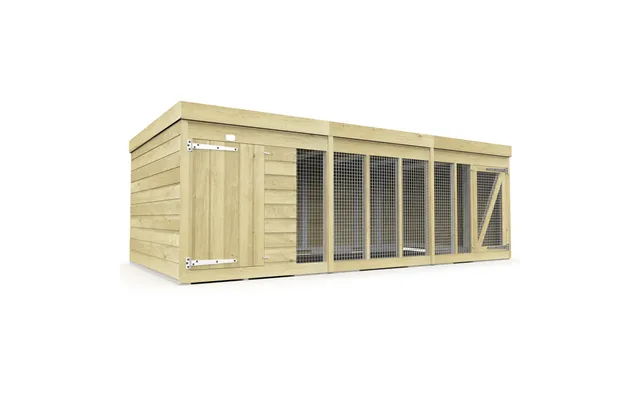
| Mercia 10 X 6ft Staffordshire Dog Kennel Run | £ 1.399,- |