All categories
Business & Offices
Electronics & Media
Fashion & Accessories
Groceries & Essentials
Health & Personal Care
Home & Living
Kids & Family
Sports & Outdoors
Search in ZoneOffer
Loading...
If your pet is already microchipped, you might wonder whether a tag is still worth it. Short answer? Absolutely. A tag is your pet’s voice when you aren’t there. It tells a kind stranger who to call right now, without a vet visit or a scanner. That speed matters. Think of a pet ID tag like a house key you keep on a handy keyring—simple, visible, and ready to use. Microchips are fantastic backups, but a clear, readable tag gets your pet home faster. Plus, with so many styles and smart options available, it’s easier than ever to match the perfect tag to your pet’s personality and lifestyle—and to compare prices across multiple sellers so you don’t overspend.
Not all pet ID tags are created equal. Materials, engraving methods, and attachment styles dramatically affect durability, legibility, and comfort. Let’s break down the main types you’ll see when you compare offers so you can match the tag to your pet’s needs and your budget.
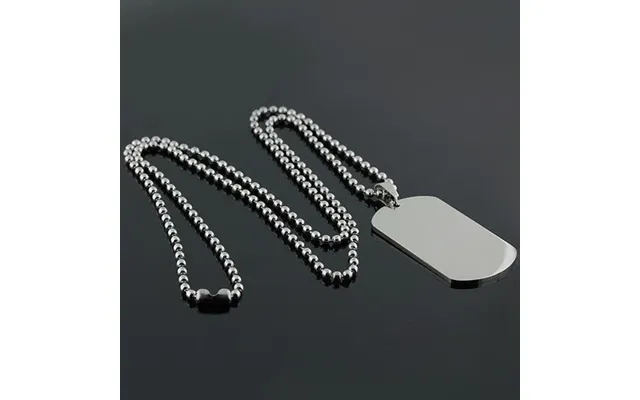
Engraved metal tags are the classic choice for good reason. Stainless steel is the workhorse—hard, corrosion-resistant, and tough enough to survive years of outdoor life. Brass has a warm look that ages into a vintage patina, while aluminum is lightweight and budget-friendly. If your pet is a rough-and-tumble explorer, stainless steel often gives the best long-term legibility. If you want an elegant vibe, brass can be charming. Aluminum can be great for small pets because it’s lighter, though it may scratch more easily. Pro tip: prioritize deep engraving over shallow laser marking for text that stays readable after thousands of jingles and adventures.
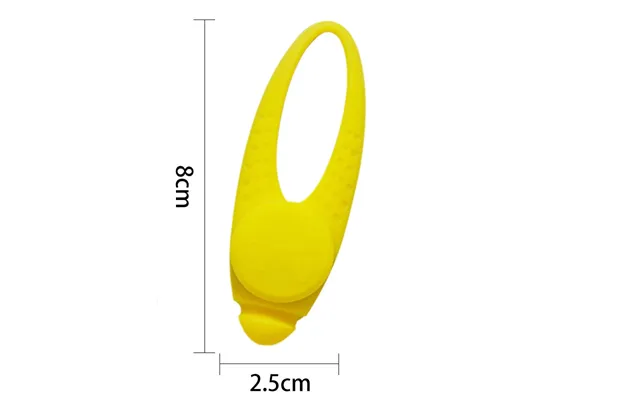
Hate the jingle-jangle? Silicone and certain plastics absorb sound, which is a blessing if your pet moves like a tiny parade. Silicone tags are flexible, gentle on fur, and won’t clink against metal bowls. They’re a solid pick for skittish pets, apartment living, or nighttime peace. The tradeoff is that some soft materials can scuff over time, so choose a tag with bold, high-contrast lettering and keep an eye on wear. If you want silent simplicity without sacrificing style, silicone tags in bright colors or glow accents are hard to beat.
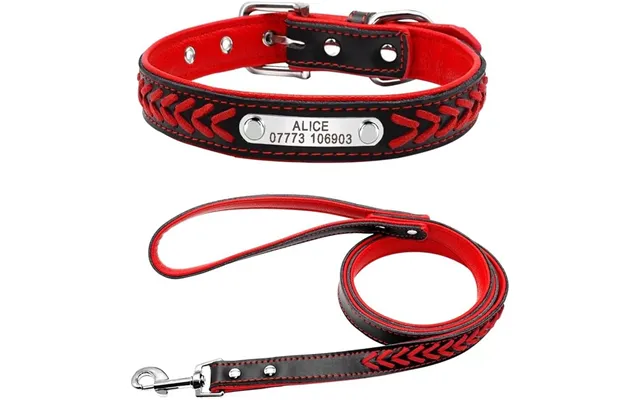
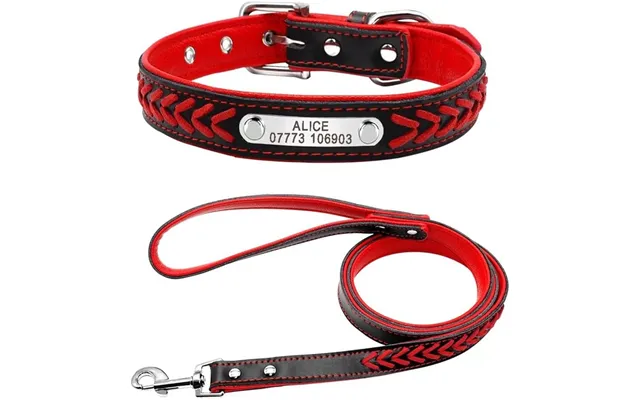
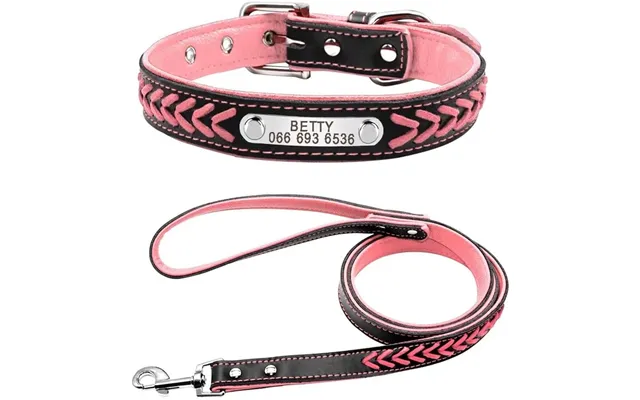
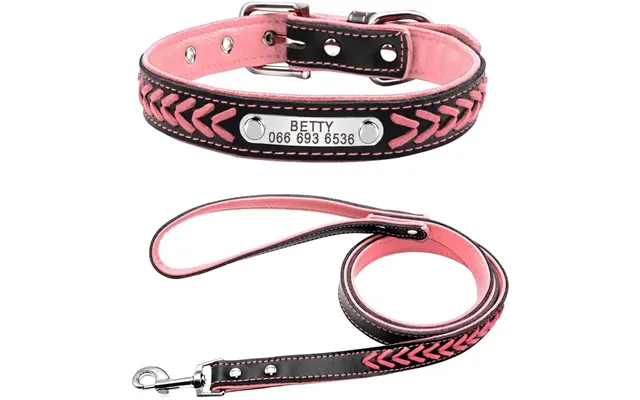
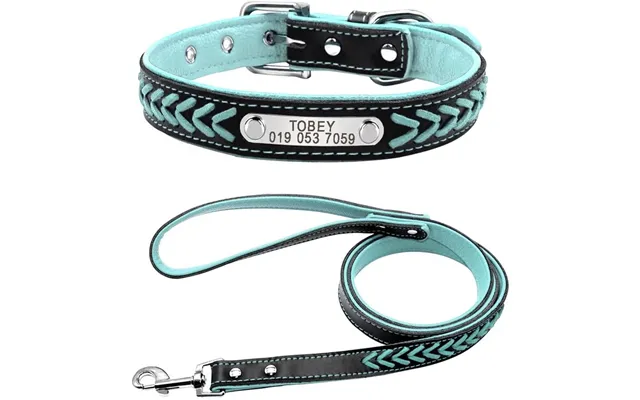
If your pet is a tangle-prone bush diver, a dangling tag can snag. Slide-on tags thread through the collar, staying flat and quiet. Rivet-on plates screw to the collar itself and are practically impossible to lose. These styles shine for active dogs, working dogs, or pets who wear harnesses and collars together. The main consideration is collar compatibility: measure the collar width in inches and pick a plate designed for that width so it sits flush and comfortable without shifting.
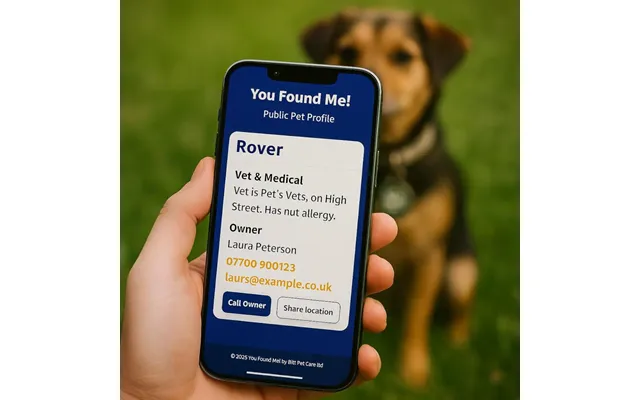
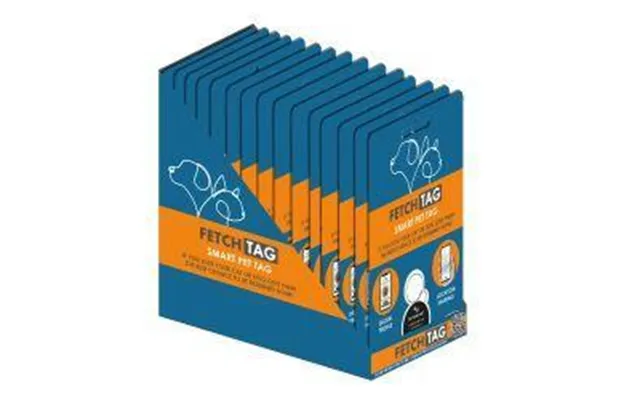
Smart ID tags embed a QR code or NFC chip that links to an online profile. A finder scans the tag with a smartphone and sees your contacts, vet info, and any special notes like allergies or medication schedules. The beauty is flexibility—you can update your details without ordering a new tag. When shopping, check whether the profile platform is free or subscription-based, and ensure the code is big and high-contrast so it’s easy to scan. If you like the idea of a digital “about me” for your pet, smart tags deliver powerful peace of mind.
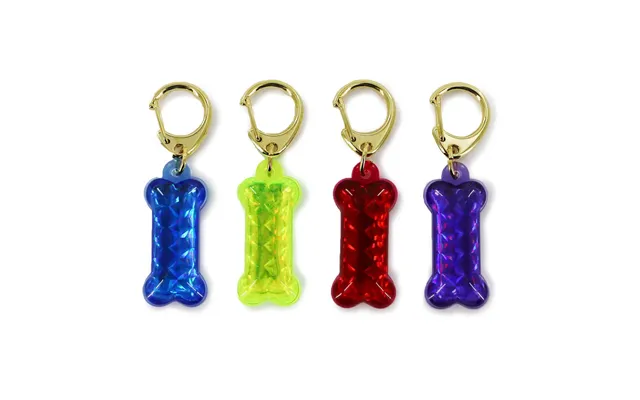
Night walks and low-light yard time are safer when your pet is more visible. Reflective tags bounce light back from headlights or flashlights, while glow-in-the-dark finishes make the tag easier to spot at dusk. Pairing a reflective tag with a reflective collar compounds the effect. If your pet loves late-night strolls, a reflective tag isn’t just style—it’s smart safety.
Space on a tag is precious real estate. Choosing the right info boosts your chances of a quick reunion and keeps the text large and legible. Think of it as your pet’s elevator pitch: short, clear, and action-oriented.
Start with your pet’s name and at least one reachable phone number. If space allows, add a second number for a partner, neighbor, or trusted friend. Many owners like including the city or postal area so finders know where the pet belongs. A short action cue like “Call My Human” or “Please Call” can help a finder act immediately. Keep fonts bold and avoid long phrases that shrink the letters.
If your pet has a serious condition—like needing daily medication—add a brief note such as “Needs Meds” or “Diabetic.” QR or NFC tags shine here because they can host detailed info without cluttering the physical tag. You can also add a gentle incentive like “Reward if Found,” which can nudge a quick call while staying friendly and non-alarmist.
Some owners skip the home address to avoid sharing too much personal info on a visible tag. If your phone number is current, a direct call is usually the fastest route anyway. Consider leaving off microchip numbers on the physical tag; those can live in the online profile of a smart tag where they’re more secure. The goal is clean design and big, readable letters.
A tag that’s too big can annoy a small pet, while one that’s too tiny can be hard to read. Aim for a balance where the tag is proportional to the collar and your pet’s build. Weight matters more than you think, especially for cats and toy breeds—light and low-bounce is the way to go.
Look for small, lightweight tags with a diameter around 1 in or a slim slide-on plate that fits a narrow collar. Keep it light so it doesn’t thump during jumps or grooming. Breakaway collars are essential for cats, so a light tag is safer and less likely to snag. If your cat is stealthy, a silicone or slide-on option helps keep the sound down while staying readable.
Medium and large dogs can comfortably wear tags in the 1.25 in to 1.5 in range, with thicker metals like stainless steel or brass for clarity and longevity. If your dog swims, hikes, or rolls in life’s messier moments (we see you, mud lovers), pick a rugged tag with deep engraving and hardware that resists bending. A slide-on or rivet-on plate is brilliant for active dogs who barrel through brush.
If you rotate collars—say, a day collar and a hiking collar—consider a slide-on tag for each or a durable split ring that lets you swap a dangling tag in seconds. Color-coding helps: one tag per collar, or unique shapes for each pet so you grab the right gear at a glance.
When you compare offers, don’t just skim the colors and shapes. The secret to a great tag is how it’s engraved and finished. You want bold lettering that stays readable after daily wear, collar scrapes, and the occasional chew session.
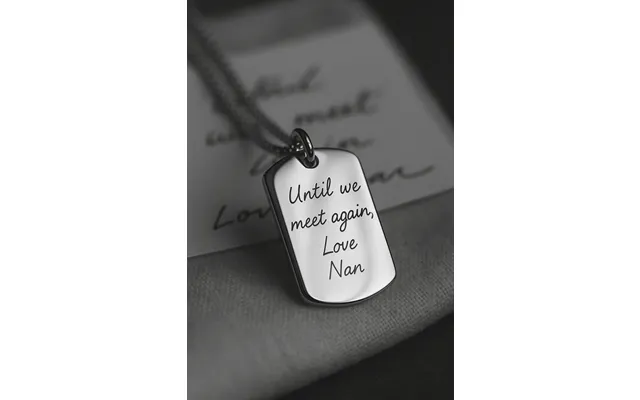
Deep engraving carves into the metal, creating letters you can feel with your fingertip. It’s usually the most durable option. Laser marking can look crisp initially, but depending on the metal and finish, it can fade faster under abrasion. If your pet is extra active, prioritize deep engraving or a darker, high-contrast infill that resists wear.
Anodized aluminum adds color without too much weight, but it can scratch if your pet is rough on gear. Stainless steel often keeps its look the longest with minimal maintenance. Brass will tarnish over time, which some owners love. If you prefer a new-penny shine, a quick polish brings it back; if you love the vintage vibe, let it age. Look for tags with rounded edges and smooth surfaces to avoid fur damage and snagging.
Jingling might be charming for a minute, but not at 2 a.m. Luckily, you’ve got options to keep things quiet without losing visibility. The trick is suppressing the clink while keeping the info front-and-center.
Silicone silencers wrap around the edge of a metal tag, dampening noise and adding a touch of grip. Full silicone tags and slide-on plates are naturally quiet. If you need multiple tags—ID plus rabies or license—a small silicone pouch or a stacked slide-on system can keep everything tidy and silent. For cats, lightweight silicone or a slim rivet-on plate minimizes distraction and noise.
Weak rings are the number one reason tags go missing. Choose a sturdy split ring, a locking ring, or a mini carabiner rated for pets. If your pet roughhouses with other animals, a low-profile slide-on or rivet-on plate reduces snags and playful “gear theft.” Check the ring every few weeks for gaps or bending, and swap it out at the first sign of stress.
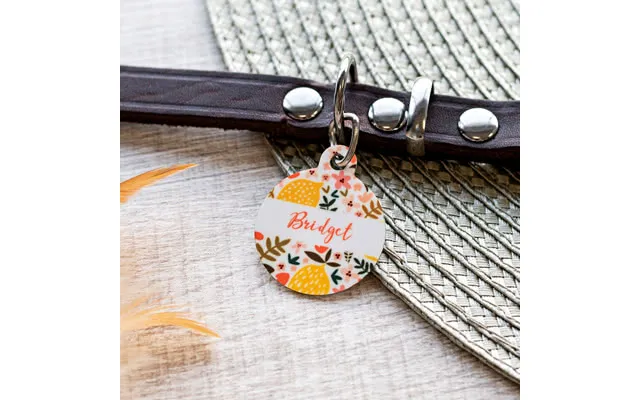
Your pet’s tag is a tiny billboard with a big job, but it can still be fun. From classic bones and hearts to sleek circles and minimalist plates, there’s a look for every personality. Personalization turns practical gear into something uniquely yours.
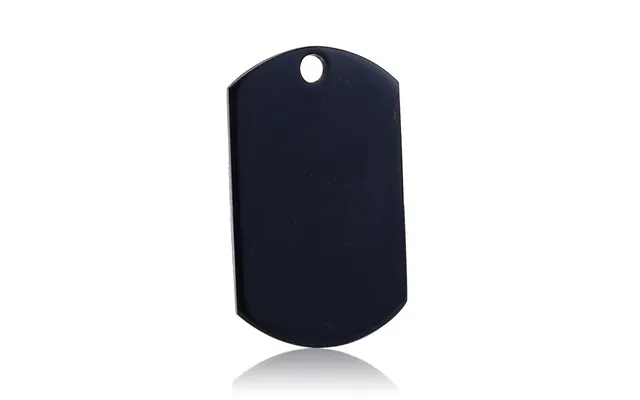
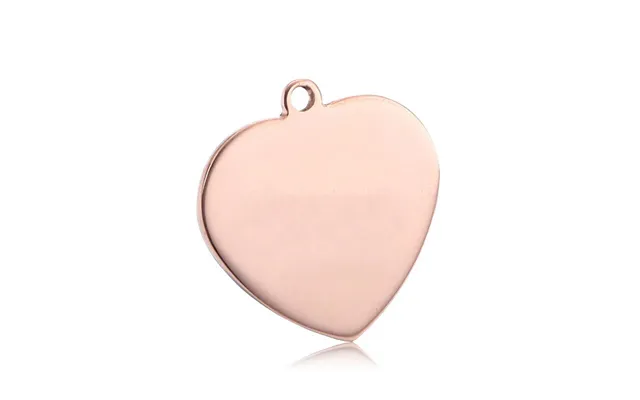
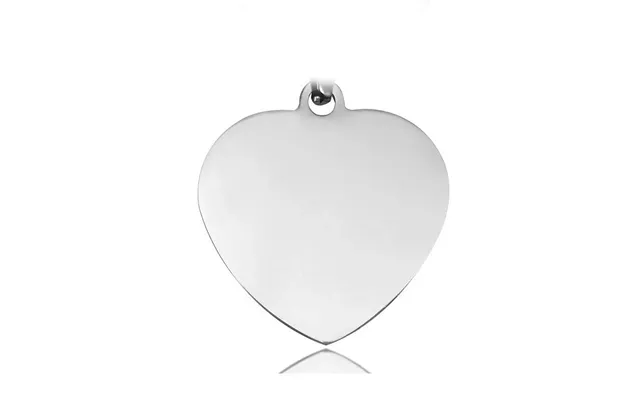
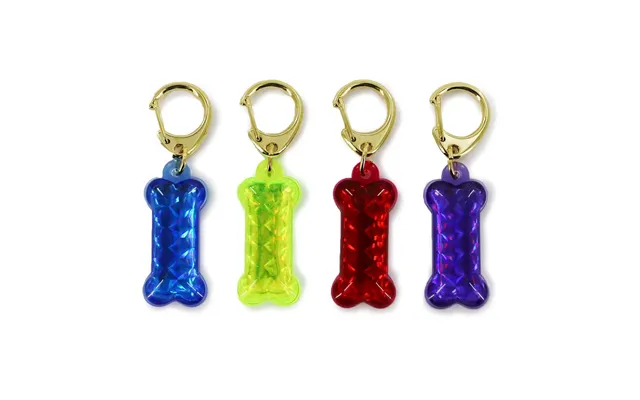
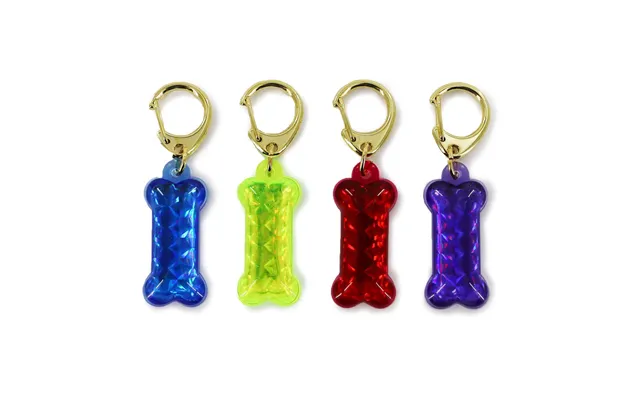
Bone and circle shapes are timeless, while hearts, stars, and badges add flair. Bright colors pop against dark coats and are easy to spot in grass. When you choose a font, pick clean, bold lettering over ornate scripts. All-caps or a high-contrast font keeps your details readable at a glance, which is the whole point.
Small icons—like a paw, a heart, or a medical cross—can help signal key info quickly. Some smart tags let you upload a photo to your pet’s profile, handy if your pet is shy and a finder needs confirmation. A short, quirky line like “I’m Friendly” or “Food Motivated” can break the ice and nudge a quick call.
You don’t need to splash out to get a great pet ID tag, but a few smart upgrades often pay for themselves. The sweet spot is mixing a durable material with a legible engraving method and hardware you trust. If you’re watching costs, pick a simple stainless steel or aluminum tag with deep engraving and standard hardware. If you want long-haul reliability for an adventure dog, upgrade to a slide-on or rivet-on plate with rugged engraving and tough rings. For tech-forward peace of mind, a smart QR or NFC tag gives you editable details without replacing the physical tag every time you move or change numbers.
Aside from being common sense, visible identification helps with compliance and community safety. Local regulations often require dogs in public to wear a tag that displays the owner’s name and address. Cats aren’t typically bound by the same rules, but visible ID still dramatically increases return rates. Consider breakaway collars for cats so the collar releases under pressure if it snags—pair that with a featherweight tag and you’ve got a practical, safety-first setup.
If you frequent parks, trails, or pub gardens, an easy-to-read tag is more than courtesy—it helps ensure your contact details are always available. Keep your phone number current, and review it after any life changes. If you use a harness outdoors, remember to keep a tag on the collar too, in case you switch gear on the fly.
Cats are acrobats with a sixth sense for tight spots. A breakaway collar reduces risk if the collar catches on a branch or fence. Because the buckle can release, choose a light tag that won’t add extra pull. Slide-on plates or slim silicone tags keep things secure without weighing your cat down.
A little care keeps your pet’s tag in the “clear and bold” zone. Every few weeks, wipe metal tags with a soft cloth. For brass, a quick polish brings back the shine; for stainless steel, mild soap and water is plenty. Silicone tags clean up fast with a damp cloth. Check engraving depth and contrast regularly—if you need to squint, it’s time to refresh. Hardware needs love too: if a ring starts to gap or a rivet loosens, swap it out before the tag disappears mid-romp.
Make it part of your grooming ritual: brush, inspect the collar, check the tag. This two-minute routine catches most problems before they become lost-tag stories. If you use a smart tag, test the QR or NFC scan now and then to ensure your contact info is current.
Faded letters, sharp edges, heavy scratches, or illegible numbers are all cues to upgrade. If your pet has outgrown the original tag or changed collars, a better-fitting slide-on or a fresh engraved tag improves comfort and clarity. Think of a new tag as a tune-up for your pet’s safety gear—small cost, big payoff.
Comparing offers is smart, but it pays to look beyond flashy photos. The key is matching real-life use with real durability. By reading the fine print and thinking practically, you’ll get a tag that earns its keep day after day.
Look for the material (stainless steel, brass, aluminum, silicone), the engraving method (deep-engraved vs laser), and the character limit per line. Check if the tag includes a sturdy split ring or locking ring. For smart tags, confirm whether the online profile is free, how scans are handled, and what info you can share. A few minutes of detail-checking saves headaches later.
Don’t pick a cute but tiny tag if you need four lines of text—the font will be too small to read. Don’t rely on flimsy rings for active pets. And don’t forget collar compatibility for slide-on or rivet-on plates—measure the collar width so your tag sits flat, especially on wider collars above 1 in. If you’re on the fence between two tags, choose the one with clearer lettering and tougher hardware. Function first, flair second.
Different lifestyles call for different tags. Picture your pet’s typical day and pick a tag that fits like a glove. Here’s how to decide fast without second-guessing.
Choose a stainless steel slide-on or rivet-on plate with deep engraving and a heavy-duty ring for any additional tags. Add reflectivity for dawn or dusk hikes. If you want always-current contact info, pair it with a smart QR tag that links to a profile you can update on the go.
Go light and quiet: a slim silicone tag or a small slide-on plate on a breakaway collar. Keep the text minimal and bold—name and a mobile number. Reflective accents are a bonus for nighttime curiosity missions.
They grow fast and chew often. Start with an affordable, lightweight tag and upgrade once your pet settles into a final collar size. A smart tag helps if your contact info changes frequently during training and vet sign-ups.
Clarity is king. Choose a larger, high-contrast tag with deep engraving that stays readable even if the tag picks up scuffs. If your pet has medication needs, note it briefly and host details on a linked profile. Comfort matters too—smooth edges and a quiet setup help sensitive seniors relax.
The best pet ID tag blends toughness, clarity, and comfort with a dash of style. Whether you prefer the classic reliability of stainless steel, the whisper-quiet calm of silicone, or the flexibility of smart QR and NFC profiles, the right tag turns a small accessory into a big safety win. Focus on legible engraving, secure attachment, and a size that suits your pet’s build. Compare materials and features thoughtfully, choose hardware that won’t quit, and keep the details current. Do that, and you’ll have a tag that works as hard as your pet plays—ready to bring them home fast if they ever wander.
| Pet ID Tags | Price | |
|---|---|---|
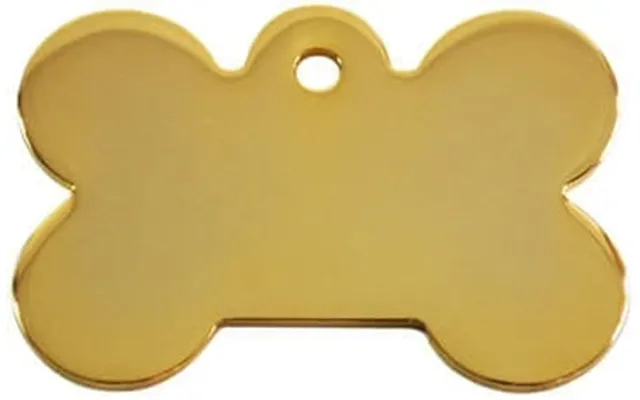
| Smartphoto Pet Tag Bone | £ 8,99 | |
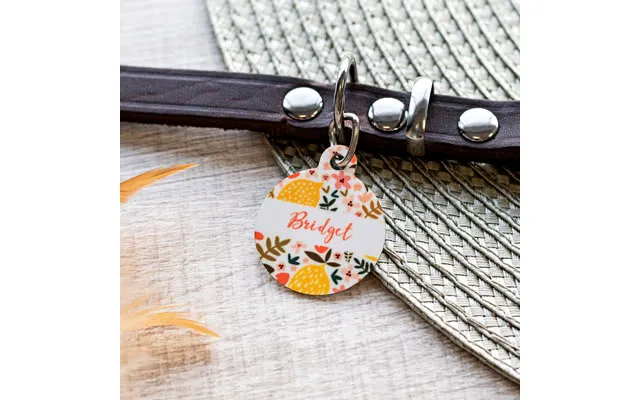
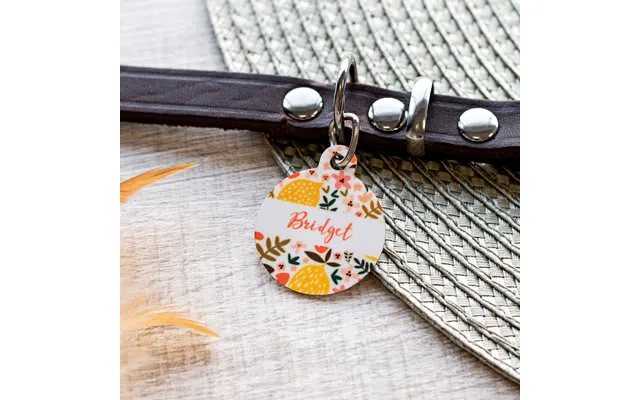
| Smartphoto Pet Tag Round | £ 8,99 |