

Pet Leash Extensions price list
Last updated Monday, 19 Oct 2026




View 12 Offers
Loading...
Last updated Monday, 19 Oct 2026
A pet leash extension is a simple add-on that clips between your dog’s collar or harness and your existing leash to add length, flexibility, or specialized features. Think of it like a power-up for your daily walks: the right extension can reduce pulling, cut down on tangles, boost visibility at night, or let you comfortably walk two dogs at once. If you’ve ever wished your leash was just a bit longer, safer, or more versatile, an extension is the easy, budget-friendly solution that transforms your current setup without replacing it.
Picture the difference between having your arm held straight out versus having room to bend and move. A good extension gives you that movement. It adds a little shock absorption, more space for sniffing, and better ergonomics so your shoulders and wrists don’t take the brunt of every pull. For energetic pups, bungee-style extensions soak up sudden bursts of speed like a seatbelt, while fixed-length extenders keep the stride predictable. The result? Smoother walks, more control when it counts, and a calmer dog that can explore without constantly tugging.
Leash extensions shine in real-life scenarios: crowded pavements where you need a traffic handle for instant control, park strolls when you want an extra 1 to 3 feet of line, or multi-dog households where a coupler keeps leashes from knotting like spaghetti. If you run with your dog, a shock-absorbing extender prevents jolts to your hips. If you walk in the evening, a reflective extension turns your existing leash into a visibility win. And if your dog is still learning, you can combine a standard leash with a long-line extension for recall practice without swapping gear.
You’ve got plenty of good choices, and each one solves a different problem. The main categories are fixed-length extenders, bungee extensions, couplers for two dogs, and short traffic leads. The best pick depends on your dog’s size, your walking style, and where you go. Let’s break them down so you can match features to your routine instead of guessing.
Fixed-length leash extenders are exactly what they sound like: a set length that doesn’t stretch. Common add-on lengths include 1 foot, 2 feet, and 3 feet. They’re ideal when you want predictability—great for urban walks where you must keep a consistent radius. If your leash is 4 feet and you add a 2-foot extension, you get 6 feet of total length without buying a new leash. They also work well for tall walkers who want to keep their arms relaxed or for calm dogs who don’t need shock absorption.
These are the go-to for strong pullers and runners. Bungee leash extensions compress under tension and expand as the dog moves, typically offering a comfortable range within the total length. Because they soften sudden pulls, they protect shoulders, hips, and your dog’s neck. If you jog, hike, or handle a high-energy breed, a bungee extension is like putting shock absorbers on your leash—less jarring and more enjoyable for both of you.
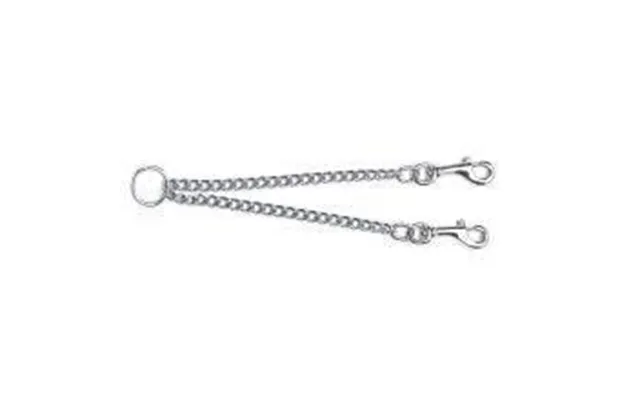
If you’re walking two dogs, a coupler is a game-changer. It attaches to your single leash and splits into two leads so both dogs connect without tangling. Many couplers include a swivel to rotate with your dogs as they switch sides and investigate new smells. Adjustable arms let you balance the distance if one dog is smaller or more eager. For multi-dog life, this simple tool can turn chaos into coordination in no time.
Sometimes you need your dog close—think busy crossings, narrow pavements, or crowded festivals. A short traffic handle extension sits near your dog’s harness or collar so you can grab it instantly. This gives you a second control point without winding up the main leash or pulling it through your hands. It’s low-effort, high-impact safety, especially for city walkers and large breeds.
You can feel the difference between flimsy and durable the first time you clip in. The winning combo is strong webbing or rope, reinforced stitching, and reliable hardware like a solid clip and a smooth swivel. Don’t forget visibility: reflective stitching or piping can be a lifesaver on dark evenings and early mornings.
Nylon webbing is the everyday hero—lightweight, tough, and easy to clean. Rope-style extensions (often climbing-grade) are soft in hand and resist fraying, perfect if your dog zigzags or if you hike frequently. Leather looks premium, breaks in beautifully, and lasts for years with proper care, though it can be heavier and needs a quick wipe if it gets wet. If you want a blend of durability and low maintenance, nylon with reinforced stitching is hard to beat.
The clip is the heartbeat of any extension. Look for a sturdy snap hook, locking carabiner, or beefy swivel clip made from corrosion-resistant metal. Stainless steel and high-grade aluminum are strong and light; zinc alloys can be fine if the build is solid. A swivel reduces tangles and leash twist, especially on couplers. If your dog is a load-puller, prioritise a locking mechanism and a clip that opens smoothly but closes with an audible snap.
Reflective accents are small details with big benefits. They bounce light from headlights and street lamps so drivers spot you earlier. Extensions with reflective webbing or piping boost visibility without adding weight. If you walk at dawn or dusk, this is an essential safety upgrade, especially on narrow rural roads or in low-lit neighborhoods.
Size isn’t just about comfort—it’s about control and safety. The length you pick should fit your routes and your dog’s personality. The width should match your dog’s body and strength so the extension won’t dig into your hands or fail under load. Choosing wisely means stress-free walks where you’re not constantly reeling your dog in or bracing for a sudden tug.
For city pavements and crowded paths, adding 1 to 2 feet is often perfect—enough freedom to sniff, not so much that your dog drifts into the road. For park strolls and relaxed walks, 2 to 3 feet is the sweet spot. Runners might opt for a bungee extension that stretches comfortably within a total range of about 4 to 6 feet, keeping rhythm without jolting. Training scenarios can benefit from adding a long-line section—say a 10 to 15 foot segment—to your standard leash so you can practice recall with a safety margin. Always consider your surroundings: tight spaces call for shorter setups.
As a rule of thumb, small dogs and puppies do well with slim, lighter webbing around 0.5 to 0.75 inches wide. Medium to large breeds are better served by 1 inch webbing that distributes pressure and resists abrasion. Giant breeds and serious pullers can benefit from 1 to 1.25 inch heavy-duty webbing and robust hardware. If a product lists a working load or recommended weight range, match it to your dog’s size and pulling power rather than just their weight on the scale.
Extensions are wonderfully plug-and-play, but a few compatibility tips make them perform even better. Most clip to any D-ring on collars and harnesses, though many owners prefer harnesses for safety and comfort, especially with pullers. If you use a retractable leash, choose a lightweight extension to avoid interfering with the retraction mechanism. And if you own a front-clip harness, an extension can help balance the leash angle so it works as intended.
Front-clip harnesses discourage pulling by redirecting your dog’s momentum. Pairing one with a short extension—often 1 to 2 feet—lets you maintain that front control while giving a bit more slack for comfortable movement. If your harness has two attachment points, you can even run a Y-shaped setup: one line to the front, one to the back, using an extension to refine the fit and feel. This setup helps reactive dogs stay centered and reduces zigzagging.
Retractable leashes can work with extensions, but keep it light and simple. A slim, fixed-length extender with a swivel is a smart pick to prevent ribbon twist. Avoid heavy bungee extenders that might drag the tape or interfere with the mechanism. And remember safety: retractables give a lot of freedom fast, so combine them with traffic handles or short control points when approaching cyclists, children, or other dogs.
Different walks call for different tools, and that’s where extensions shine. Whether you’re weaving through city foot traffic, cruising quiet suburbs, or logging miles on a weekend hike, there’s an extender built for exactly that environment. Matching the extender to the outing feels like slipping into the right pair of shoes—suddenly everything is easier.
In tight spaces, the best accessory is a traffic handle extension or a short, fixed-length add-on that keeps your dog close without constant micromanagement. If your dog is enthusiastic around people or other animals, a short control handle right at the harness gives instant braking power. Reflective stitching adds a layer of visibility on crowded crossings and dim streets.
For active adventures, use a waist-worn leash with a bungee extension to cushion sudden changes in pace. On uneven trails, that bit of stretch saves your balance. Choose rugged materials—think rope or reinforced nylon—and a swivel to prevent twist as your dog explores both sides of the path. A 4 to 6 foot total working length usually offers enough room to move without tripping each other.
Training is all about consistency and safety. If you’re teaching recall, a long-line extension of 10 to 15 feet attached to your regular leash gives generous room while preventing off-lead risks. When practicing heel work or loose-leash walking, use a short, fixed extension so your dog learns the target position. You can swap in a bungee during proofing stages to reduce frustration on both ends of the line.
Extensions are straightforward, but small missteps can create bigger problems. Good news: a few quick habits keep everything safe and smooth. The most important are regular hardware checks, smart length choices for your environment, and keeping the system tangle-free so nobody trips or gets surprised by a sudden jolt.
Before every walk, do a two-second check: is the clip fully closed with a clean snap? Are stitches and webbing intact? Any frayed edges, rust spots, or bent parts are early warning signs. If your dog is a heavy puller, upgrade to a locking carabiner-style clip and replace gear at the first sign of failure. It’s cheaper than a vet visit—and calmer on your nerves.
Swivels are your secret weapon against tangles, especially with couplers or if your dog likes to circle. Keep the total length sensible; a 6 foot setup in a busy zone can feel like walking a kite. When approaching traffic, shorten to a traffic handle or hold the extension midway to reduce slack. Practice a simple “this way” cue to encourage your dog to choose your side rather than weaving.
Nylon and rope handle rain well, but any gear benefits from a quick dry after wet walks. Salt and grit can corrode cheap metal quickly, so wipe clips and swivels if you walk near the sea or on salted winter roads. Leather extensions are durable but need a wipe and occasional conditioning to prevent stiffness or cracking over time.
Leash extensions range from budget-friendly basics to premium models with advanced hardware and reflective technology. The trick is matching features to your actual use so you’re not paying for bells and whistles you won’t use. Want to save without guesswork? Use a comparison site to view offers side by side, spot seasonal discounts, and read specs at a glance. Platforms like ZoneOffer let you compare deals from multiple retailers in the UK, so you can zero in on the right price for the right product without surfing ten tabs.
Material quality, hardware design, and special features drive cost. Heavy-duty webbing, locking carabiners, and pro-grade swivels push prices up, as do reflective trims and integrated traffic handles. If you’re walking a strong puller or need no-fail reliability, the extra is worth it. For casual, short neighborhood walks, a simple fixed-length extender can be perfect and economical.
Value is all about durability per pound spent. Scan for bar-tack or box-stitch reinforcement at stress points, corrosion-resistant hardware, and honest length and weight ratings. Check user reviews for notes on clip reliability and fraying over time. If multiple retailers list the same model, compare total cost, including any multi-buy deals or bundles that pair extensions with matching leashes or couplers.
Well-cared-for gear lasts longer, looks better, and keeps you safer. Extensions live close to dirt and drool, so they benefit from a simple routine: quick rinses, thorough dries, and occasional deep cleans. Give them five minutes of care, and they’ll reward you with years of reliable service.
After muddy or salty walks, rinse nylon or rope in cool water, then hang to dry fully before storing. For deeper cleans, use a mild soap, rinse thoroughly, and air-dry out of direct sun. Leather needs a damp cloth wipe and occasional conditioning. Avoid harsh chemicals or high heat that can weaken fibers or warp hardware.
Store extensions loosely coiled in a dry spot. Avoid leaving them in hot cars or direct sun for long periods, which can fade colors and weaken materials. If you walk daily, keep a spare on hand—rotating gear reduces wear and gives you a backup if a clip or stitch starts to fail.
Not sure where to start? Match your choice to your main activity and your dog’s temperament. You don’t need twenty different tools—just one or two extensions that do their jobs brilliantly. Here are reliable directions to guide your pick without overthinking it.
Prioritize a bungee extension with a locking clip and reinforced 1 inch webbing. A traffic handle near the dog gives you instant control in tight spots. If your dog is especially athletic, choose an extension rated for high load forces and pair it with a robust harness that spreads pressure across the chest and shoulders.
Lightweight is key. A slim 0.5 to 0.75 inch fixed-length extender with a small, smooth-action clip keeps things comfy and secure. Avoid bulky hardware that adds weight to the collar. If your puppy is still learning, a short extension helps you guide gently without putting pressure on a delicate neck.
Go reflective and bright. Choose extensions with reflective stitching or piping so you’re visible from all angles. Add a short control handle for crossings and consider a light-up collar or clip-on LED to round out your visibility setup. It’s a simple upgrade that can make a real difference.
Who says practical can’t be attractive—or planet-friendly? You’ll find extensions in earthy tones, bold neons, and sleek neutrals, along with eco-minded materials and low-impact dyes. If you care about style, consider matching sets; if you care about sustainability, look for durable materials that resist frequent replacement. The most sustainable product is the one that lasts.
Durable nylon made to last, climbing-grade rope, and responsibly sourced leather are all smart choices. Some brands use recycled webbing or minimize packaging. Focus on long-lived hardware and reinforced stitching to extend the product’s life—fewer replacements mean less waste.
If you enjoy a cohesive look, choose an extension that matches your leash and harness in color and hardware finish. It’s not just about vanity; color coding can help family members grab the right gear at a glance—short red handle for city walks, neon bungee for runs, you name it.
Should you add an extension or just buy a new leash? It depends on what you need. If your current leash is solid and you’re craving a bit more freedom or control, an extension is a cost-effective tweak with big impact. If your leash is frayed, too short, or missing key features like a quality clip or reflective trim, replacing it might make sense. Many pet owners do both: keep a trusted leash and use different extensions for different situations.
The best part about extensions is the mix-and-match approach. You can keep your favorite leash handle and add a bungee for runs, a coupler for two-dog days, or a traffic handle for city trips. It’s like swapping lenses on a camera—same body, different purpose—without spending a fortune or bulking up your gear drawer.
A little strategy saves pounds and frustration. First, define your main use case: daily city walks, weekend hikes, training, or all of the above. Second, pick a length and material that fit that use. Third, compare multiple offers to see which option delivers the features you care about at the best price. Using a comparison platform lets you see specs and prices side by side; sites like ZoneOffer help you scan deals from various retailers so you can purchase where it makes the most sense.
Don’t buy on looks alone—check clip design, stitching, and rated strength. Avoid overlong setups for tight environments; you’ll spend the whole walk reeling in slack. And don’t skimp on reflective details if you walk near traffic. The right extension should make walks feel easier from day one.
Pet leash extensions are the small upgrade that makes a big difference. Whether you need more room to roam, shock absorption for runs, instant control in the city, or a tidy way to walk two dogs, there’s an extender designed for exactly that. Focus on the basics—length, material, hardware, and visibility—then choose the style that fits your routine. Compare offers across retailers to get the best deal, and you’ll walk away with gear that lasts, performs, and makes every outing smoother and safer. After all, the goal is simple: happier walks, healthier joints, and more quality time together—one smart clip at a time.