All categories
Business & Offices
Electronics & Media
Fashion & Accessories
Groceries & Essentials
Health & Personal Care
Home & Living
Kids & Family
Sports & Outdoors
Search in ZoneOffer

Loading...
Pet medical collars—often called E-collars, cones, or recovery collars—are the unsung heroes of post-op care and skin healing. They create a safe barrier that stops dogs and cats from licking, chewing, or scratching wounds, stitches, hot spots, and irritated skin. Why does that matter? Because one determined nibble can undo a vet’s careful work in seconds. A good collar preserves your pet’s comfort, protects your wallet from repeat vet visits, and shortens the road to recovery. If you’ve ever watched your pup Houdini their way into a bandage or your cat acrobatically reach a sore spot, you know the stakes. The right collar turns chaos into calm—and keeps healing on track.
“Cone of shame”? Let’s retire the shame part. Today’s recovery collars come in several styles to suit different pets and situations, from classic rigid cones to soft fabric and inflatable designs. Each style has pros and cons. The best choice depends on your pet’s body shape, the location of the wound, and how determined they are to reach it. Here’s how the main types compare so you can shop with confidence.
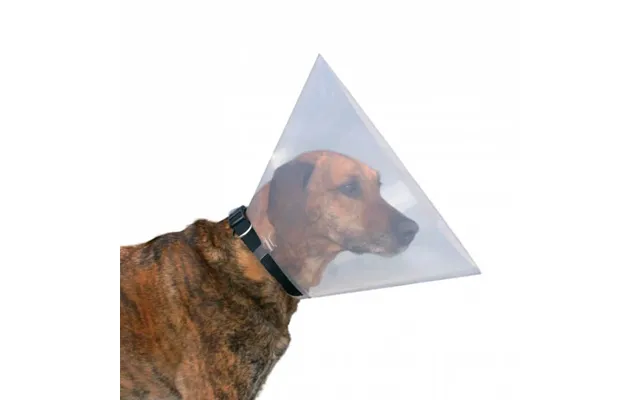
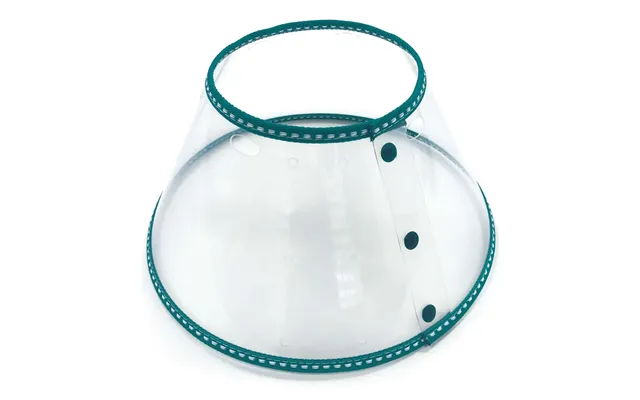
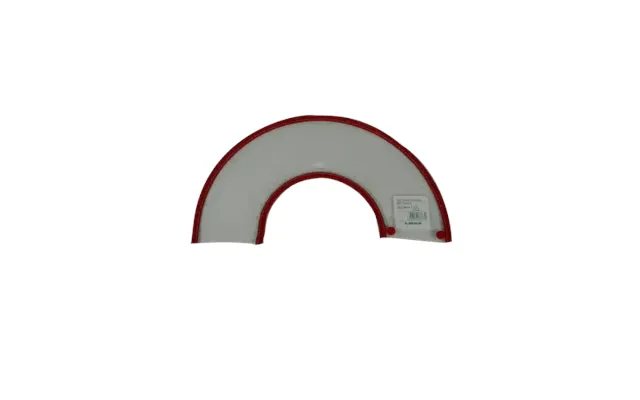
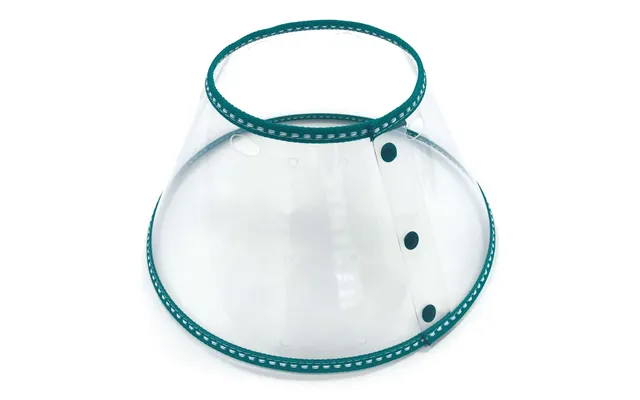
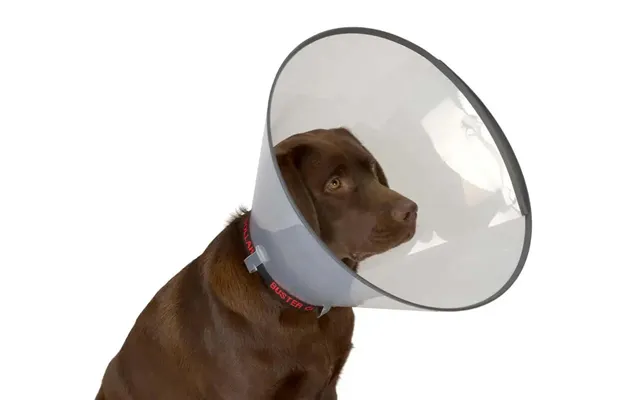
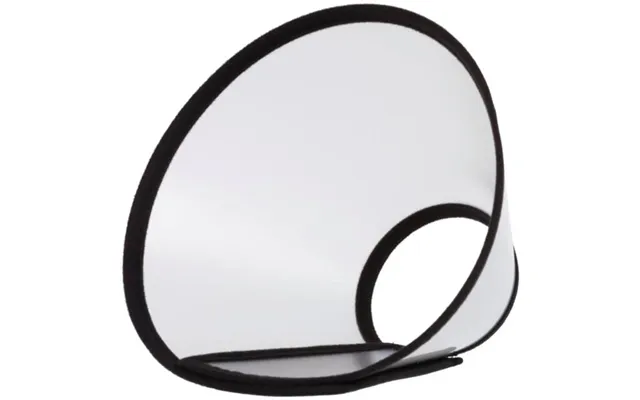
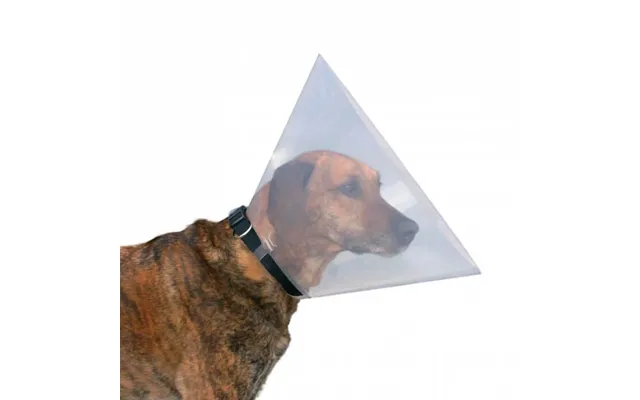
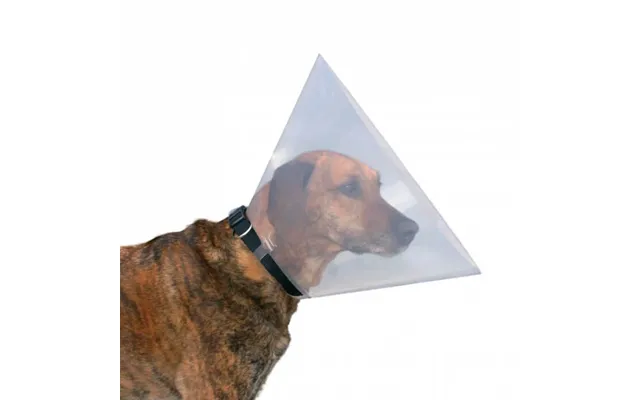
The classic rigid cone is the gold standard for defense. It’s usually transparent or semi-transparent plastic with adjustable tabs or a buckle. Think of it like a sturdy shield—it blocks access to most areas, including paws, sides, and tail base. The trade-off? It’s bulkier. Some pets bump into door frames or struggle with stairs for a day or two. The upside is reliability: if your cat is a contortionist or your dog is a persistent chewer, the rigid cone often wins. Look for models with padded edges and a curvature that flares away from the chest, which makes walking and lying down more comfortable.
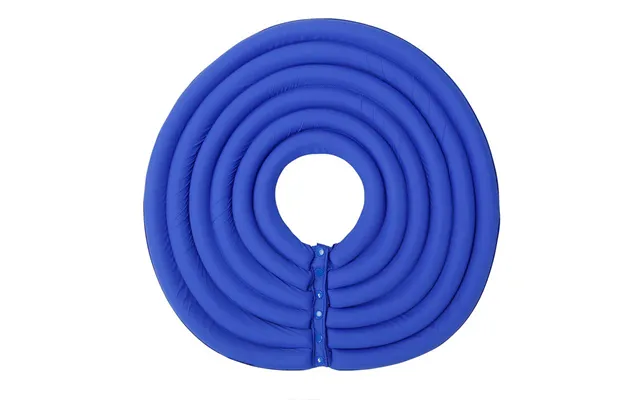
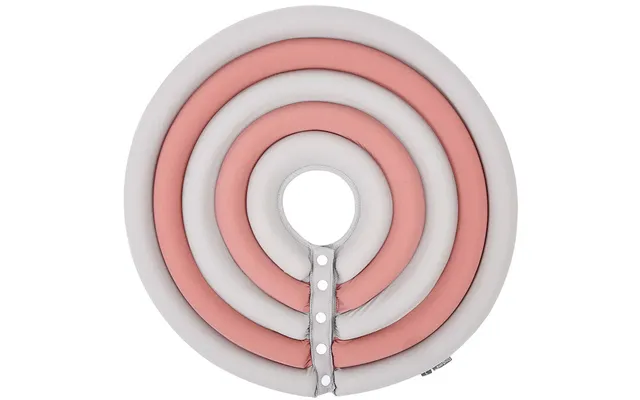
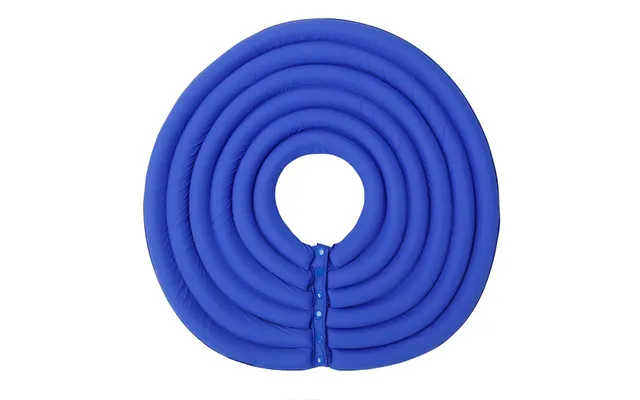
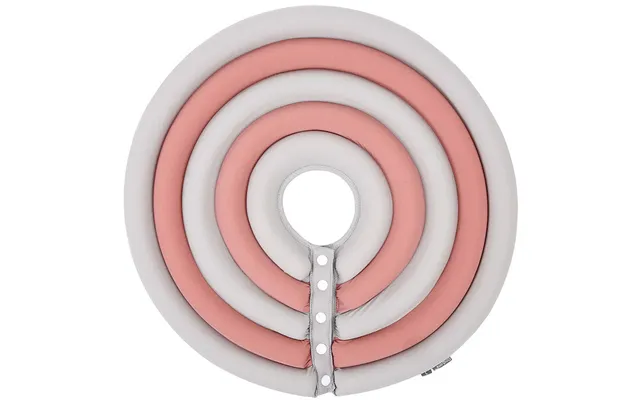
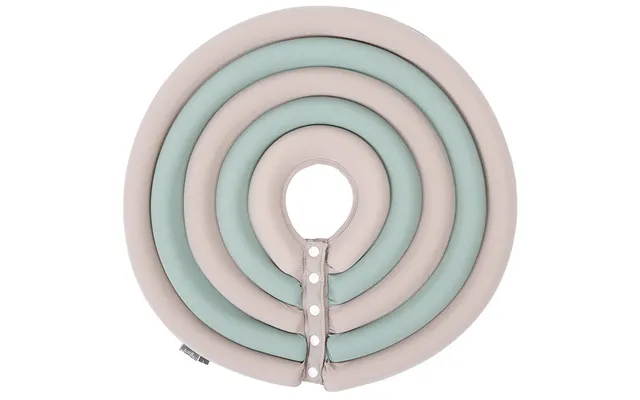
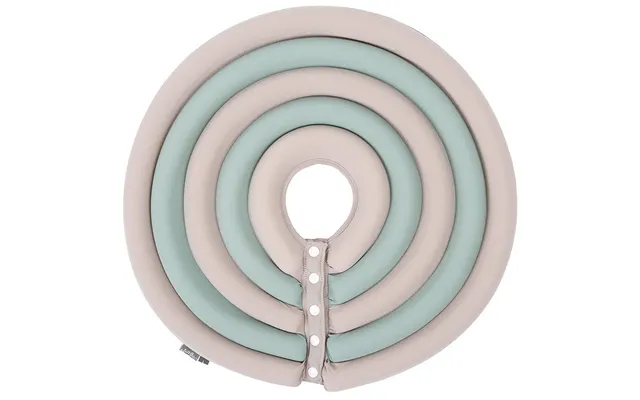
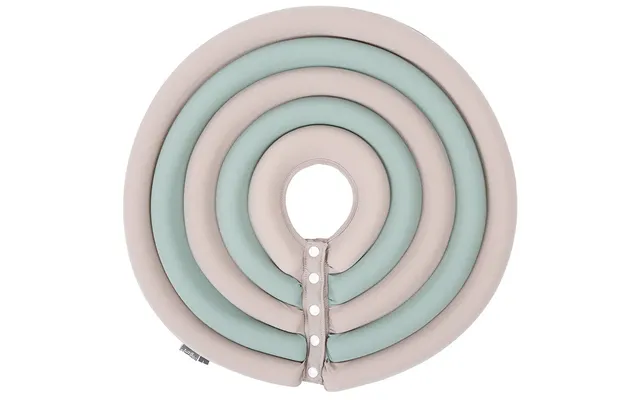
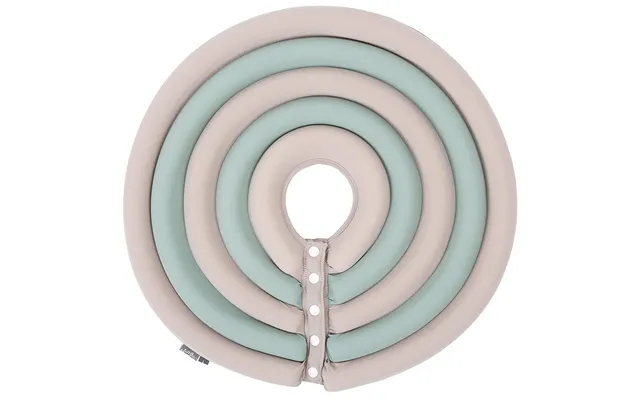
Soft recovery cones use flexible materials like foam-reinforced fabric. They’re kinder on walls and furniture (and your shins), and many pets tolerate them better at bedtime. Because they flex, they’re quieter and less intimidating for anxious animals. However, that flexibility can reduce protection for very determined lickers, and some soft models can crumple if pressed against the floor. To maximize coverage, choose a cone with a depth that extends at least 2–3 inches past your pet’s nose and a neck panel that sits snug without gaping.
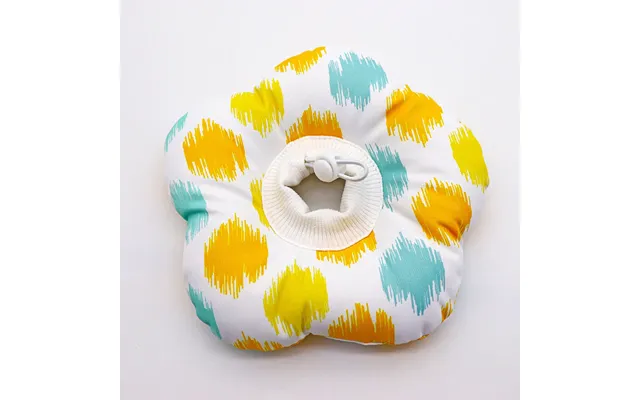
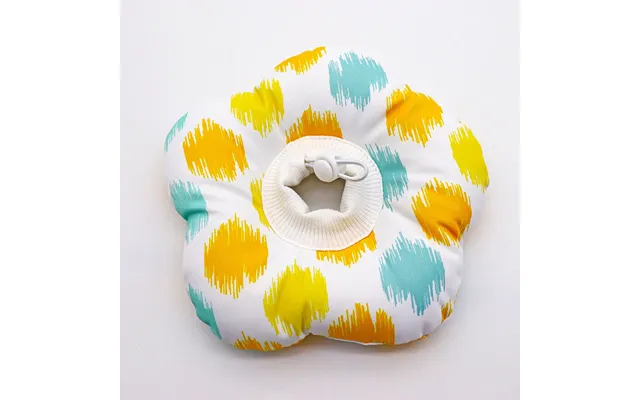
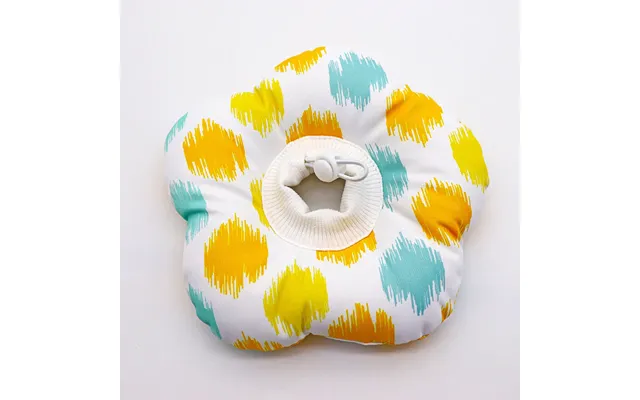
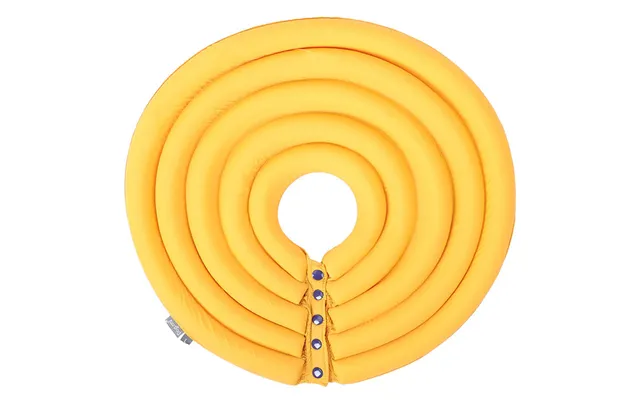
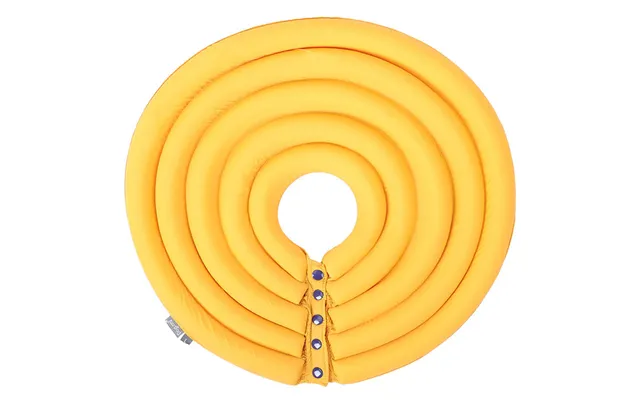
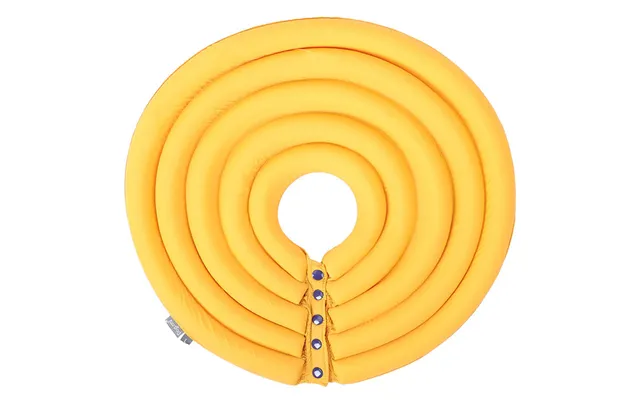
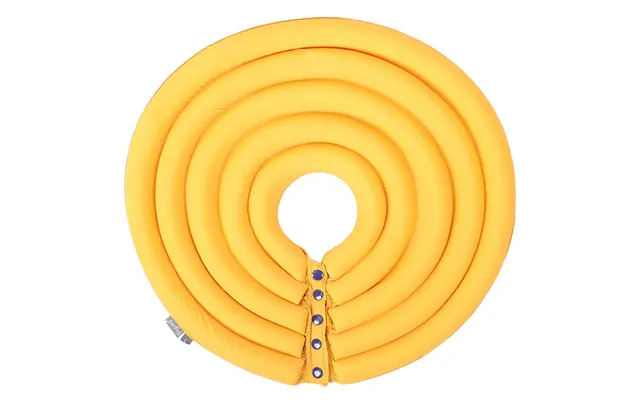
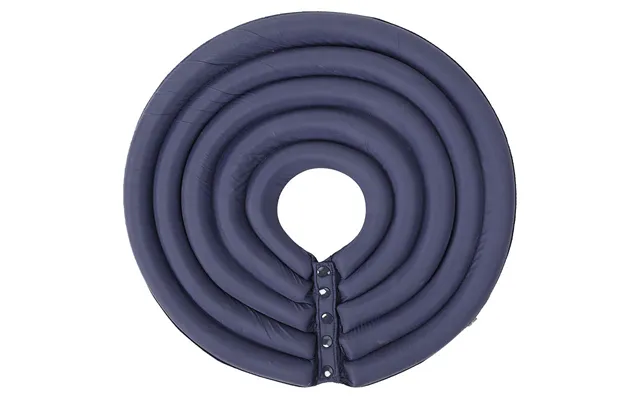
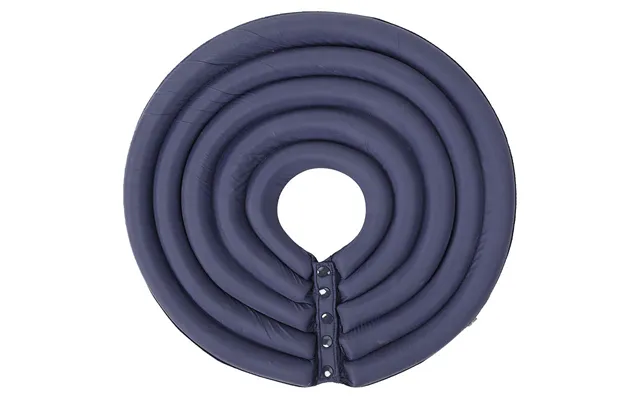
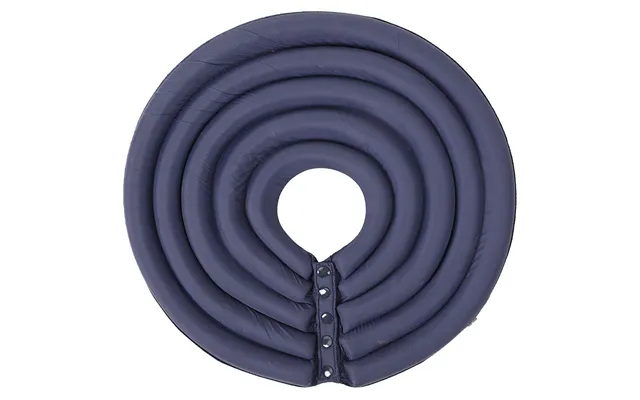
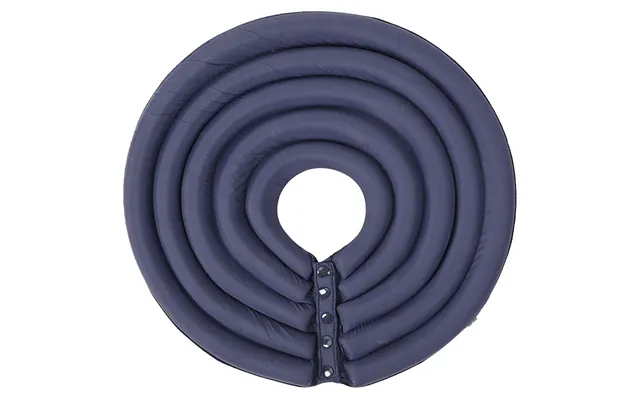
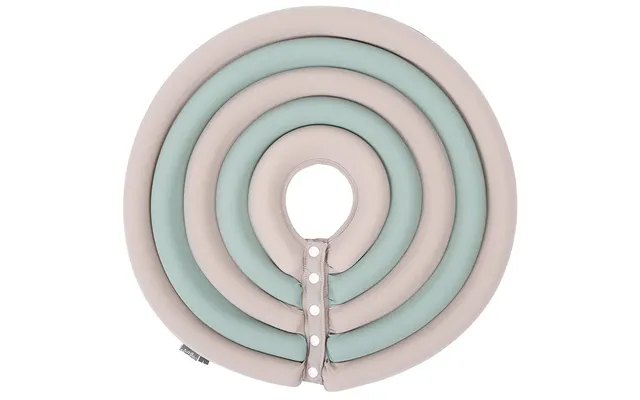
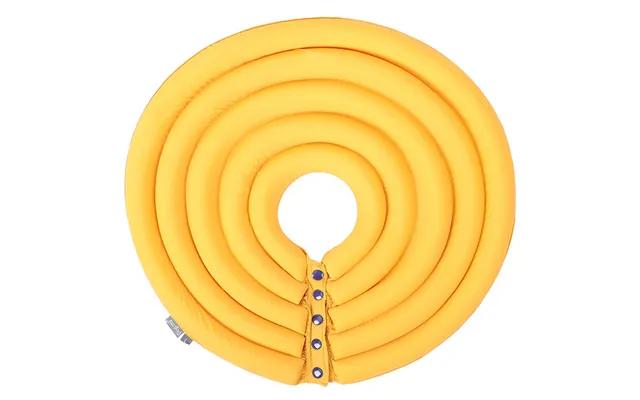
Inflatable collars look like cozy travel pillows around the neck. They’re great for visibility, comfort, and navigating tight spaces. Pets can eat and drink more naturally, and they’re less likely to knock into furniture. But here’s the catch: donuts limit neck movement rather than blocking reach. They’re best for upper-body issues like shoulder or back irritation and many post-op sites that don’t require full-length cone coverage. For belly, tail, or paw injuries—especially in limber pets—an inflatable might not be enough on its own. Some owners pair them with a bodysuit for extra coverage.
Not a collar at all—but highly relevant—recovery suits are snug garments that cover the torso to block licking and scratching. They shine for abdominal surgeries, hot spots along the flanks, or allergies that target the body. They won’t protect ears, eyes, or paws, and some pets need both a suit and a cone for full coverage. When suits are on your radar, look for breathable, stretchy fabrics with easy bathroom access and a secure but gentle fit. They’re also a fantastic backup if your pet simply cannot settle with a cone at night.
Getting the size right is half the battle. Too small, and your pet can still reach the wound. Too large, and it becomes a clumsy satellite dish. The perfect fit keeps protection high and frustration low. You’ll want to measure your pet’s neck and estimate how far the cone must extend past the nose. It’s easier than it sounds, and a few minutes with a soft tape measure can save days of trial and error.
Measure around the base of the neck where the collar sits. Slide two fingers between the tape and your pet’s fur—this mimics a comfy, secure fit. Write down the number in inches. If your pet usually wears a collar set between, say, 13–15 inches, choose a recovery collar that matches that range with a little adjustability. When between sizes, go up if your pet has thick fur or a double coat, and down if they’re narrow-necked and sensitive to bulk.
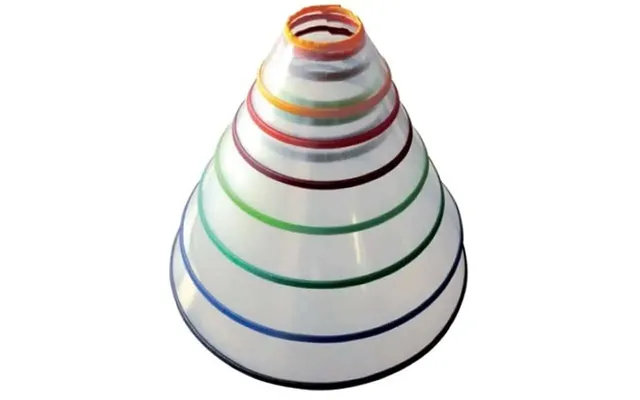
Depth matters. For classic cones and soft cones, the edge should extend slightly beyond the tip of your pet’s nose—often by about 1–2 inches. For persistent lickers or bendy cats, add extra coverage. If the wound is on the tail or lower leg, choose more depth; if it’s behind the shoulders, you may get by with less. With inflatable donuts, focus on neck thickness and how much the collar restricts head turning. If your pet can still curl enough to reach the wound, consider a deeper cone or pair the donut with a bodysuit.
Once it’s on, try the “reach test.” Gently guide your pet to turn and stretch as if they’re trying to lick. Can they reach the target area? If yes, adjust or size up. Check for gaping at the neck; if the collar spins freely, tighten a notch. You should still be able to slide two fingers beneath the neck fastener. Finally, let your pet walk a few steps, drink water, and settle on a bed to be sure the collar won’t dig into the shoulders or trap the bowl’s edge.
A collar your pet tolerates beats a “perfect” collar they constantly escape. Small design choices can make a big difference in comfort, safety, and sanity. Prioritize smooth edges, adjustability, visibility, and easy cleaning. If your pet is anxious, pick gentler materials and quieter hardware.
Velcro is quick and fine-tunable, but some pets dislike the ripping sound. Buckles and snap-tabs stay secure, though they offer less micro-adjustment. Many cones thread through your pet’s everyday collar for extra security—a great touch if you’ve got a wily escape artist. Bonus points for multiple neck slots and a small elastic section that allows natural movement without loosening too much.
Transparent rigid cones improve peripheral vision and reduce stress around tight corners—think hallways and staircases. Soft cones with reflective trim are helpful for nighttime garden trips. If your pet gets spooked by clouded plastic, look for clearer materials. Fabric cones should be light but structured—too floppy and they collapse; too stiff and they mimic a hard cone without the visibility benefits.
Can your dog curl up on their side? Will your cat fit into their favorite nook? Soft cones and donuts often score higher for sleep, while rigid cones excel at protection. If the cone keeps bumping the bowl, switch to a raised dish or a narrower one so the rim doesn’t catch. Keep water bowls wide and stable—an anti-tip base is your friend. For crate sleepers, measure the door opening; a cone that’s too deep can snag on the way in or out.
Dogs and cats move differently, and their “cone personalities” can be worlds apart. Dogs often adapt after a day or two; cats may freeze, reverse, or flop dramatically before accepting it. Match the gear to the species and size, and you’ll smooth out most bumps.
Tiny necks need gentle touches. Lightweight soft cones and slim-profile rigid cones work well for small dogs, as do inflatable donuts for upper-body issues. Watch for over-depth: a 4–6 inch deep cone may be plenty for a toy breed, while 8–10 inches can be overkill. Prioritize padded edges and low-noise closures for sensitive pups.
Bigger dogs bring more momentum. Sturdy rigid cones with reinforced edges often hold up best, especially if your dog loves to test the furniture. For depth, 10–14 inches isn’t unusual depending on muzzle length and target area. Inflatable collars can help with everyday comfort, but many large dogs still need a rigid cone for foolproof protection. Consider a dual setup: donut by day, cone by night, or vice versa, depending on the wound site.
Cats value agility and stealth. That’s a polite way of saying they’ll try everything to escape. A lighter soft cone or a slim rigid cone keeps them mobile enough to use the litter tray and navigate vertical spaces. Keep depth conservative but effective—often just past the nose by 1–2 inches. Avoid overly wide collars that block whiskers excessively; whisker stress is real and can discourage eating.
Pugs, Frenchies, Persians, and other brachycephalic pets have shorter muzzles and may struggle with deep cones pressing into their faces. A slightly shallower cone with a broader opening can help, or an inflatable paired with vigilant supervision. Always check that breathing is unimpeded and that the collar doesn’t force the chin upward at rest.
New collar, who’s this? The trick is to turn a weird object into a neutral, even positive, experience. Short, sweet sessions, lots of praise, and tasty treats work wonders. In a pinch—like post-surgery—you can still use these strategies to reduce stress fast.
Start by letting your pet sniff the collar and earn a treat. Touch it to their neck, reward again. Slide it on for just a few seconds, then off—treat, praise, repeat. Build up to longer wear in short increments. Keep your voice upbeat; they’ll take their emotional cues from you. It’s amazing how quickly “that strange lamp shade” becomes no big deal.
Clear tight walkways and move wobbly items out of the line of bump. Put a non-slip mat by food and water bowls for traction. If you have stairs, add a baby gate until your pet shows they can handle them with the collar on. For cats, ensure the litter tray rim isn’t too high to step over with a cone; a low-front tray can be a lifesaver.
Use bowls that fit within the cone’s width. For a deep cone, offer hand-fed meals for a day to boost confidence. When walking dogs, attach the lead to a harness rather than a collar so the recovery gear doesn’t shift. Keep walk routes simple until your dog proves they can navigate curbs, hedges, and narrow paths without snagging.
The collar is only part of the recovery equation. Daily checks, gentle cleaning, and a calm routine do the rest. Think of yourself as mission control, guiding a safe landing from surgery to full zoomies.
Supervision still matters, even with a great cone. During quiet cuddle time, keep an eye out for sneaky attempts. If your pet is fixated on the wound despite a hard cone, ask your vet about a bitter-tasting spray (safe for the specific surgery site) or consider layering protection with a bodysuit.
Once or twice daily, inspect the surgery site per your vet’s guidance. Look for redness, swelling, discharge, or missing sutures. If the cone’s edge rubs the neck, add a soft wrap or a fabric sleeve under the collar to reduce friction. Keep fur dry to avoid hotspots forming under the collar’s neckline.
Wipe plastic cones with a damp cloth and mild pet-safe soap, then dry thoroughly. Fabric and inflatable collars often have removable covers—wash those in lukewarm water and air-dry. A clean collar smells better and reduces skin irritation, which can lower your pet’s urge to scratch at the gear.
Prices vary by size, materials, and brand. Rigid cones are usually the most affordable, soft cones sit midrange, and inflatables or premium padded options cost a bit more. To save time and money, compare offers across multiple UK retailers using trusted comparison platforms so you can quickly spot the best price on the exact size you need.
If you need a quick, effective fix, basic plastic cones are wallet-friendly and get the job done. Many vets provide these, and retail versions often come with nicer edge padding. Look for transparent plastic, multiple neck slots, and a removable comfort strip so you’re not trading comfort for cost.
Soft cones with reinforced panels and inflatables with durable valves and washable covers sit in the middle to upper tiers. Premium picks add features like reflective trim, thicker padding, and robust hardware. For pets with longer recovery windows—or those who are rough on gear—paying a bit more can buy you sanity and durability.
Upgrade if your pet consistently defeats the current collar, if the wound is in a hard-to-protect spot, or if chafing becomes an issue. Sometimes the best solution is a combo: an inflatable for daytime comfort plus a hard cone for unsupervised periods, or a recovery suit paired with a shallow cone for full coverage without full bulk.
A few simple missteps can undo your good intentions. Avoid these, and you’ll sidestep most setbacks that prolong healing or ramp up stress.
It’s tempting to choose a smaller cone to make life easier—but if your pet can still reach the target, you’ve wasted money and risked the wound. Remember: depth beyond the nose matters. When unsure, size up and add comfort features (like padded edges) instead of sizing down and hoping for the best.
“Just a minute without the cone” can turn into a disaster. Pets are lightning fast when the itch hits. Follow your vet’s timeline and only remove the collar when you can supervise closely. If you need a break, switch to a different style temporarily that still provides protection.
Excessive pawing at the collar, refusing food for more than a meal, or panicky behavior means something’s off. Check fit, reduce depth if safe, or switch styles. A calm pet heals faster—and a small adjustment (like a clearer cone or quieter closure) can make a huge difference.
Matching the gear to the job makes everything smoother. Here are practical pointers for everyday vet scenarios so you can choose confidently on the first try.
A rigid or structured soft cone typically works best because belly access needs firm blocking. Donuts can be fine for mellow pets during supervised hours, but rely on a cone for overnight protection. A recovery suit adds extra peace of mind if your pet is a belly licker.
For flank or shoulder hot spots, a donut can limit turning enough to protect the area, especially when paired with topical treatments. If your pet still twists to reach, step up to a soft or rigid cone with adequate depth. Keep the collar clean to avoid adding moisture to already-irritated skin.
These are the trickiest because pets are incredibly motivated to lick paws and tails. Most of the time, a rigid cone is the safer bet. You can layer a light paw wrap or bootie under supervision, but expect the cone to do the heavy lifting against chewing.
Protection must be foolproof. A rigid cone with good depth and clear visibility is the top pick. Soft cones can collapse if your pet pushes against furniture, which risks face contact. Keep bowls and resting spots at a height that prevents the cone from tilting forward into the face.
Hate the idea of single-use plastic? Many recovery collars now emphasize durability and reusability. That’s good for your pet, your wallet, and the planet. Choose gear designed to last beyond one recovery period, and you’ll be prepared for future scrapes without another purchase.
Look for fabric cones with removable, machine-washable covers and inflatables with puncture-resistant bladders. Rigid cones with replaceable edge padding extend lifespan, too. A quick wash and dry between uses keeps the gear fresh for the next time a thorn bush or itchy allergy strikes.
Store cones upright in a cool, dry closet so they don’t warp. Deflate donuts fully before folding to protect the valve. Slip soft cones into a breathable bag to keep dust off. A little storage care goes a long way—your future self will thank you when you need reliable gear at a moment’s notice.
Before you click buy, run through this rapid-fire checklist: correct neck size in inches; adequate depth past the nose; secure yet comfy closure; clear or soft materials your pet tolerates; washable surfaces; bowl and crate compatibility; reflectivity if you do late garden trips; backup option (like a suit or donut) if your pet is Houdini-level crafty; and a plan to compare prices across multiple UK retailers so you snag the best deal without compromising on fit.
Pet medical collars have come a long way, and that’s great news for you and your furry friend. Whether you opt for a rock-solid rigid cone, a cozy soft collar, an easygoing inflatable donut, or a smart combo with a recovery suit, the right choice protects healing while preserving comfort. Measure carefully, match the style to the wound, and fine-tune the fit. Add in positive training, tidy housekeeping, and consistent checkups, and you’ll turn a bumpy recovery into a smooth, safe sprint back to normal life. Ready to find the best fit at a great price? Compare options, choose confidently, and let healing begin.
| Pet Medical Collars | Price | |
|---|---|---|
| Braun Elizabethan Collar Ecoprotec 10 Red - 1 Pc | £ 6,10 | |
| Isabelino Comfort Collar 15 - 5 Pcs | £ 37,10 |