All categories
Business & Offices
Electronics & Media
Fashion & Accessories
Groceries & Essentials
Health & Personal Care
Home & Living
Kids & Family
Sports & Outdoors
Search in ZoneOffer

Loading...
A pet muzzle is a safety tool designed to prevent biting and unwanted chewing while still allowing your pet to breathe comfortably. For many owners, muzzles are like seatbelts—most of the time you don’t need them, but when you do, you’ll be grateful they’re there. Whether you’re managing a reactive dog, navigating a vet visit, or handling grooming tasks like nail trims, the right muzzle adds a layer of calm and control. Used correctly, a muzzle isn’t a punishment; it’s a pathway to safer, more positive experiences for both you and your pet.
Not all muzzles are created equal, and that’s a good thing. Different designs suit different pets, situations, and training goals. Finding the best style is the first step toward comfort and safety. Let’s break down the most common types so you can quickly zoom in on the right option for your dog or cat.
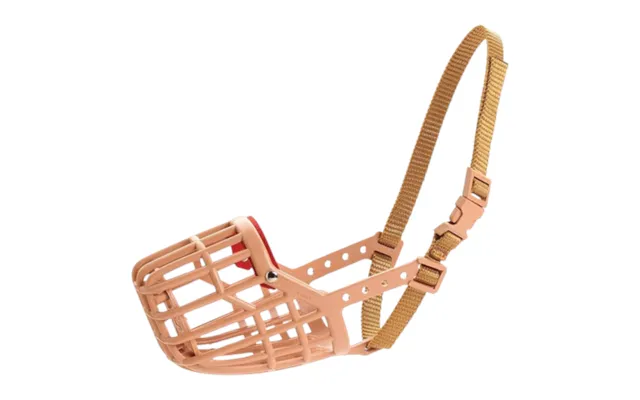
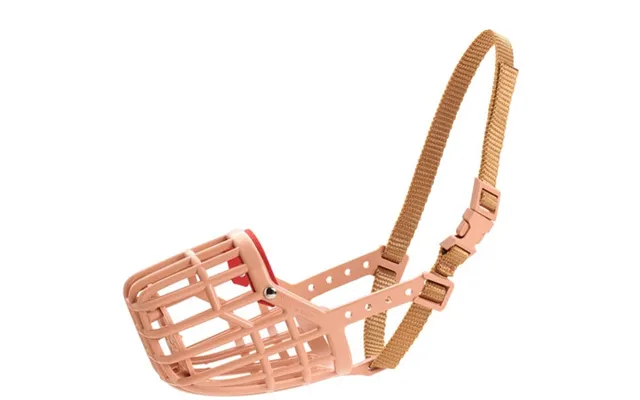
Basket muzzles are the go-to for everyday use because they prioritize airflow and comfort. Picture a roomy cage-like structure that sits around the snout: it prevents bites but still allows panting, yawning, and, with the right design, drinking and taking treats. That “treat-friendly” part matters for training—you can mark good behavior and reward it instantly. Many baskets are made from lightweight plastic or silicone, while some use coated metal for extra rigidity. If your dog needs a muzzle for walks, training, or public transport, a well-fitted basket design is often the most humane and practical choice.
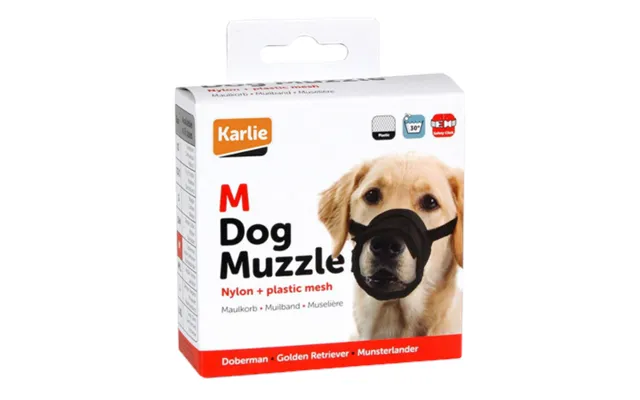
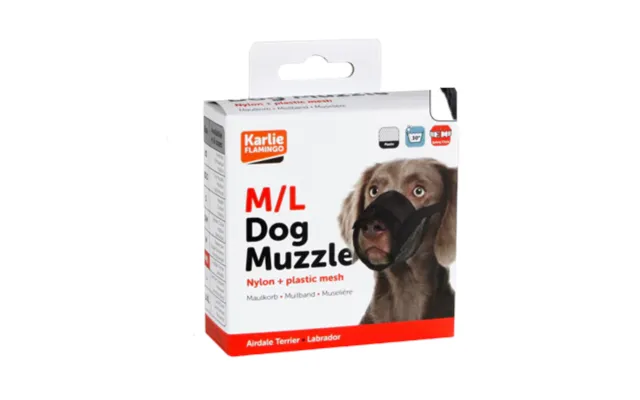
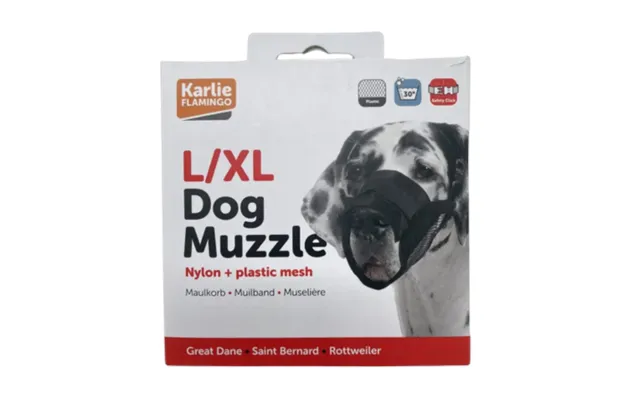
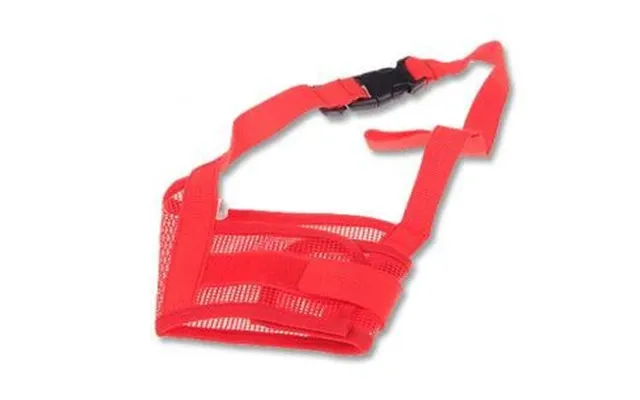
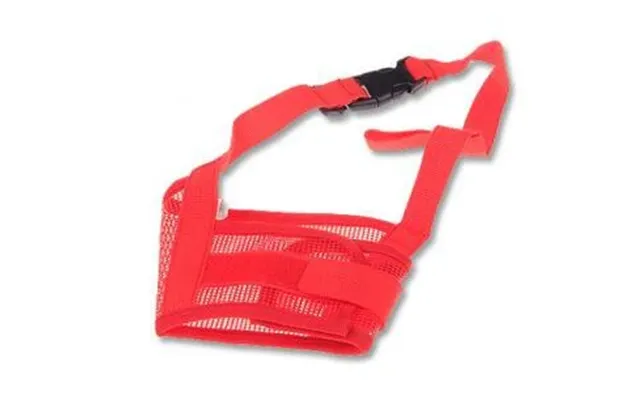
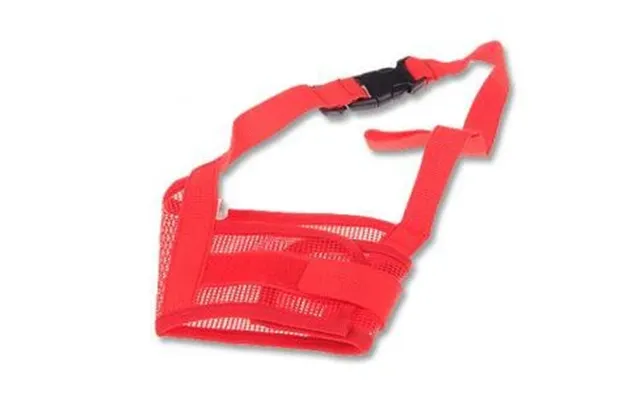
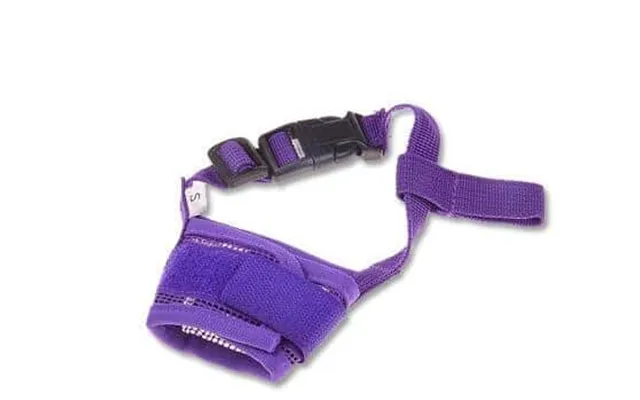
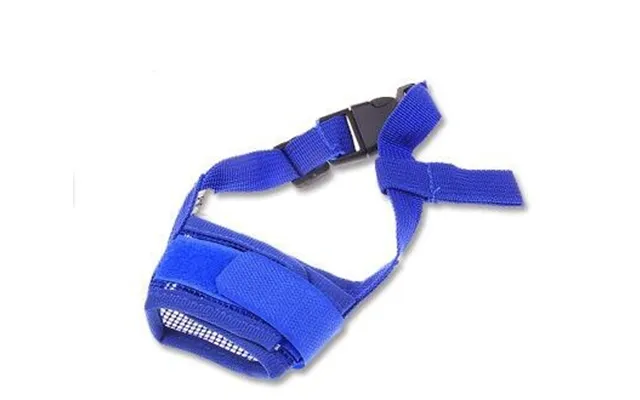
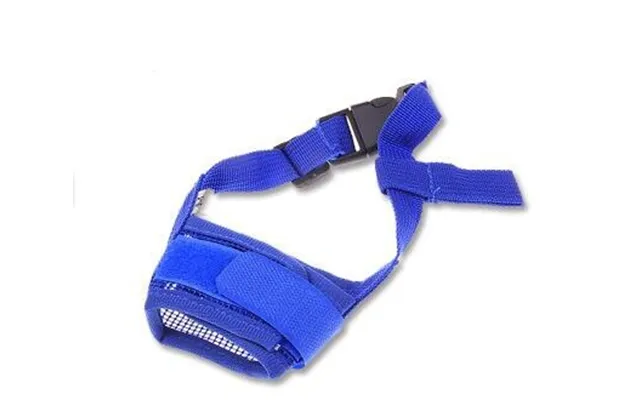
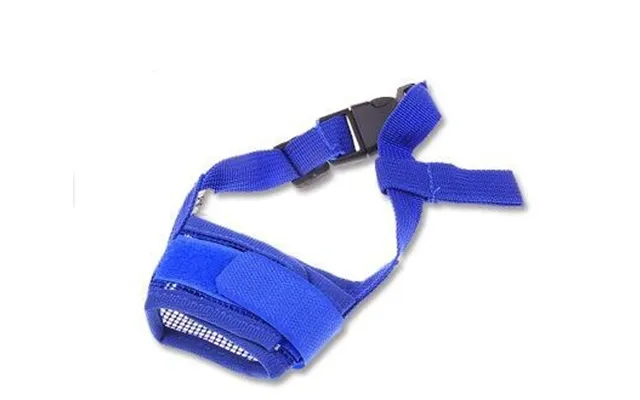
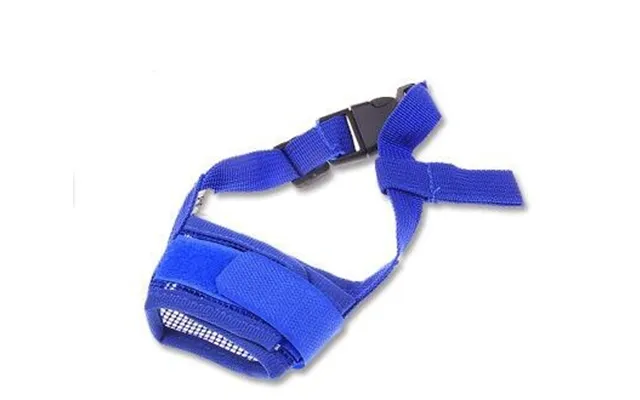
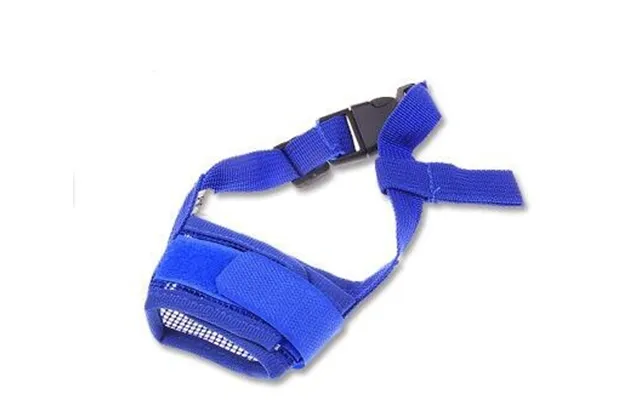
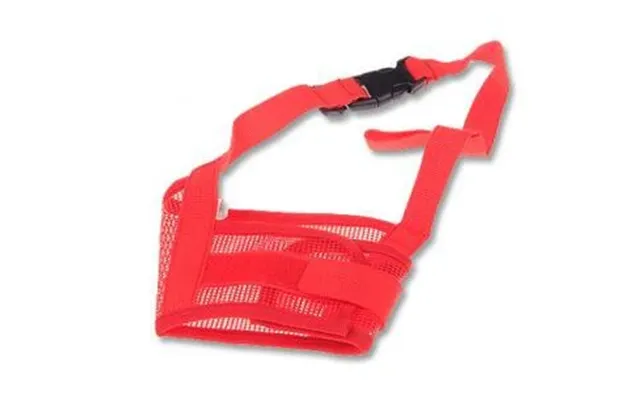
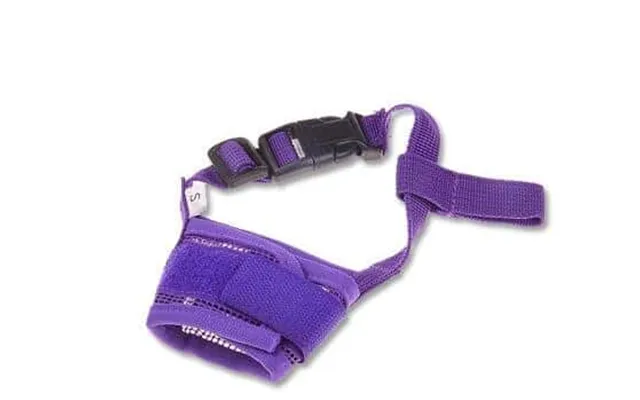
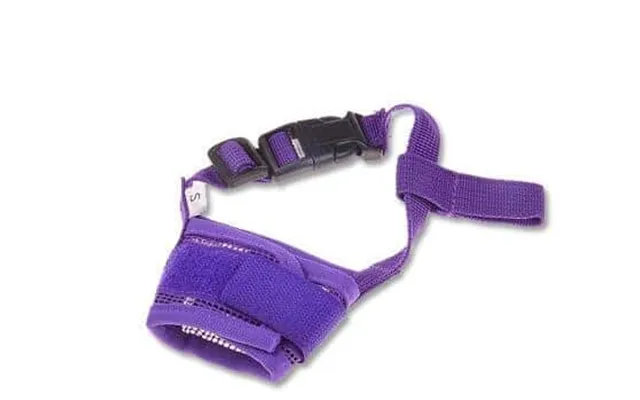
Soft muzzles are typically made from nylon or neoprene and wrap snugly around the snout with adjustable straps. They’re great for short, supervised tasks like a quick ear cleaning or a trim at the groomer. Because they restrict panting more than a basket does, they’re not recommended for extended wear or warm conditions. Think of soft muzzles as a short sprint, not a marathon—handy in a pinch, but not the everyday hero.
Leather muzzles combine durability with a classic look and a snug, contoured fit. High-quality leather softens over time, becoming more comfortable while holding its shape. They can be a solid choice for strong dogs who need a sturdy, breathable solution. If you go with leather, look for ample ventilation holes, smooth edges, and fleece or soft lining around pressure points. Leather needs a little more upkeep, but when maintained well, it can last for years.
Wire basket muzzles excel when you need structure, airflow, and durability. Many owners prefer them for reactive dogs because they resist deformation if bumped or nudged. The open-frame design lets your dog pant freely and drink water more easily than most fabric options. Just ensure the muzzle has a comfortable padding strip across the nose bridge and that the wire ends are smooth and well-finished to prevent rubbing.
Silicone and biothane basket muzzles offer a great balance of flexibility, comfort, and hygiene. They’re typically lighter than metal and often easier to rinse off after muddy trail walks. Silicone is gentle around the snout, while biothane straps bring weatherproof durability. Many of these models are treat-friendly and ideal for training sessions where you’re reinforcing calm behavior step by step.
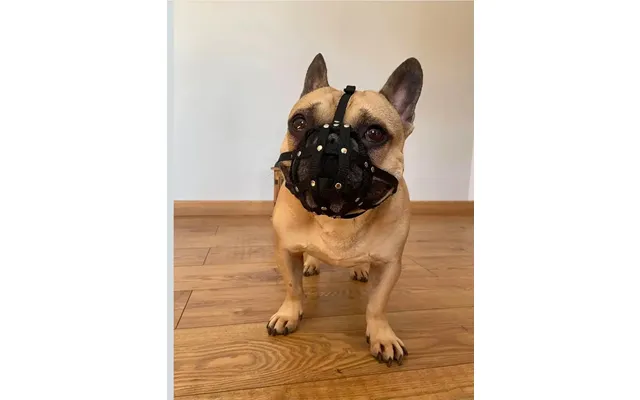
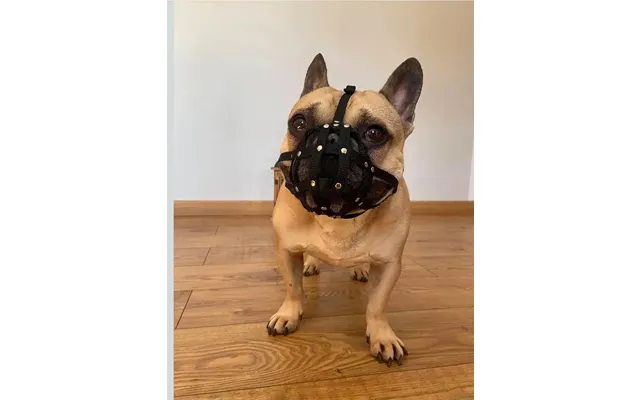
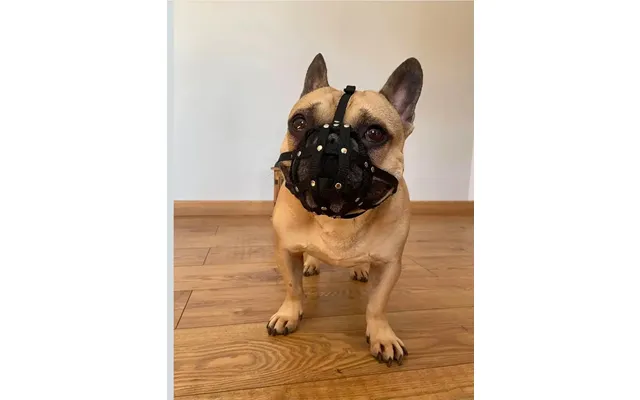
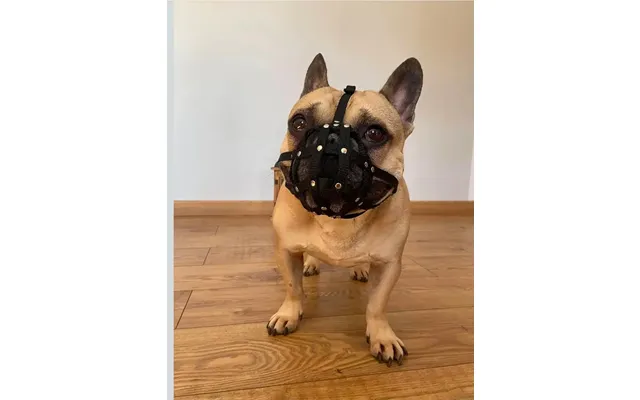
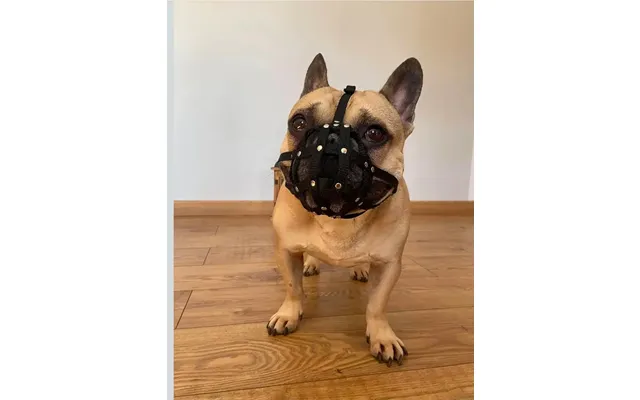
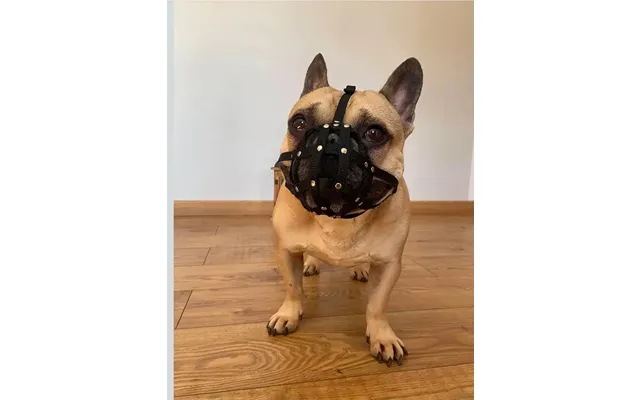
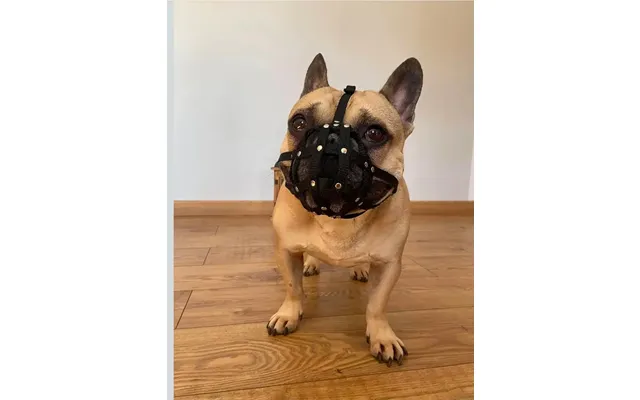
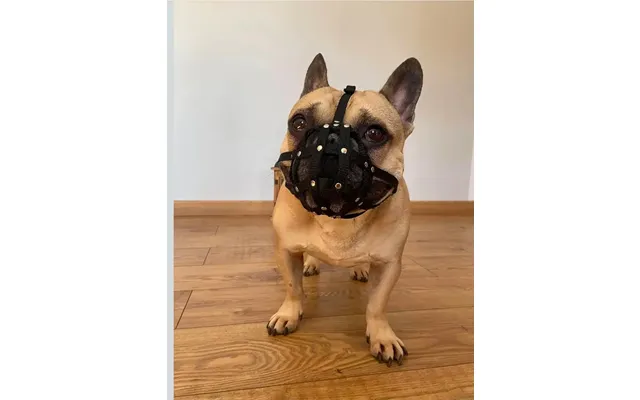
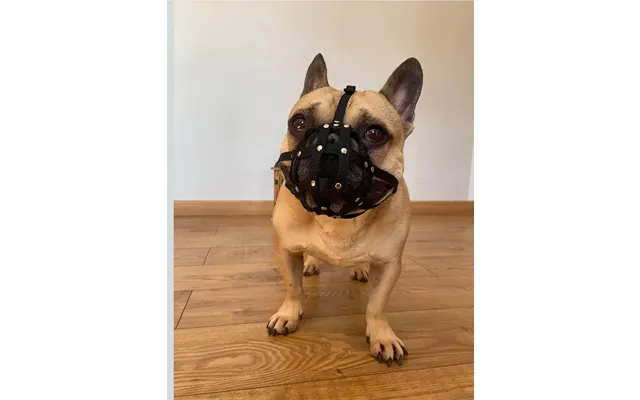
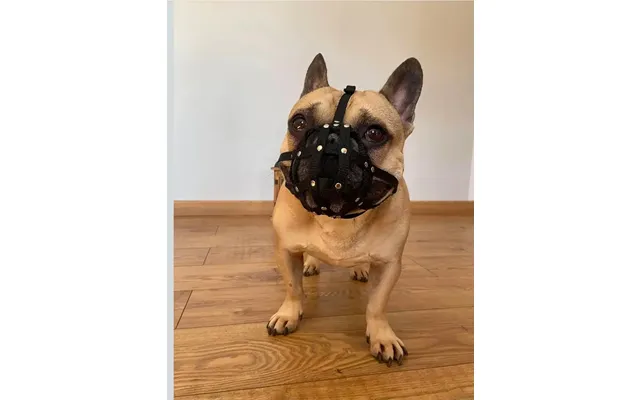
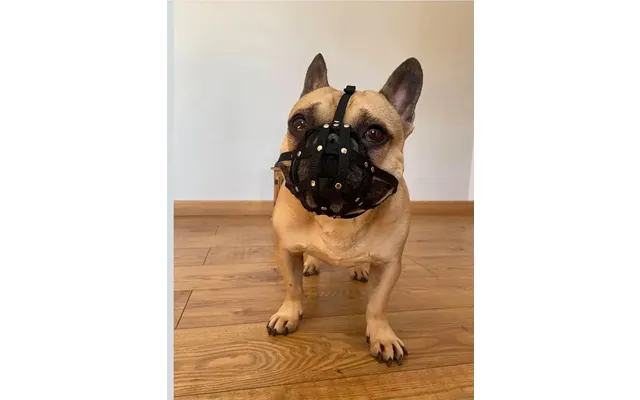
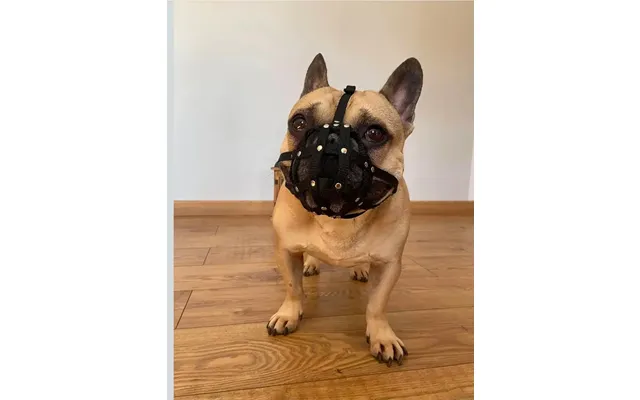
Flat-faced breeds like Pugs, Bulldogs, and Shih Tzus need specially designed muzzles. Instead of a long basket, these styles resemble a padded mask that secures gently over the face without pressing into the eyes. Ventilation is the top priority, followed closely by unobstructed breathing and minimal pressure on the nose. If your dog has a short snout, skip standard muzzles and choose a brachycephalic-friendly design for safe, comfortable use.
Cat muzzles are usually soft, lightweight hoods that reduce visual stimuli and calm an anxious kitty during procedures. Because cats rely heavily on vision and can get stressed quickly, the muzzle should be used only for very short sessions—think nail trims or brief handling—while ensuring the cat can breathe freely. As with dogs, training and gentle, positive associations are key to success.
Getting the size right is non-negotiable. A well-fitted muzzle should be secure enough that it can’t slip off, yet roomy enough to allow full panting and comfortable movement. Measuring takes just a minute and pays off big time in comfort and safety.
Grab a soft measuring tape and a handful of treats. For circumference, measure around the widest part of your dog’s snout with the mouth closed, usually just below the eyes. Add about 0.5 to 1 in to this number to allow room for panting inside a basket muzzle. For length, measure from the tip of the nose back to about 0.5 in below the eye line. If you’re between sizes, it’s usually safer to size up and adjust the straps, but always check the manufacturer’s guidance. For short-snout breeds, follow brand-specific instructions, as fit depends more on face coverage than length.
Size charts often reference breed examples and weight ranges, but treat those as a starting point, not the final word. A 25 lb dog with a slender snout might need a narrower muzzle than a 25 lb dog with a blocky head. Prioritize your measurements over breed labels. For tiny breeds, you might see circumference ranges near 5 to 7 in, while medium dogs often land around 8 to 11 in, and large or giant breeds may exceed 12 in. Always verify that there’s enough room for two fingers between the muzzle and your pet’s snout for comfort.
A humane muzzle is comfortable, secure, and designed to let your pet be a pet—breathing, panting, and sniffing the world. Small details make a big difference. Here’s what to keep on your radar while comparing options.
Look for padding at contact points like the nose bridge and chin. Well-placed cushioning cuts down on rub marks and hot spots. Multiple adjustment points are essential, especially if your dog’s head shape makes fit tricky. Many high-quality muzzles include an over-head strap that connects to the main body and then buckles behind the neck. This extra strap reduces the chance of pawing the muzzle off. A collar loop that tethers the muzzle to your dog’s regular collar adds another layer of security.
Dogs regulate heat by panting, so airflow is non-negotiable. Basket styles win here because they allow a natural mouth opening. Test for panting room by letting your dog open their mouth inside the muzzle; you should still see tongue movement and space to move the jaw. For soft muzzles, use them only for brief, supervised tasks to avoid overheating or stress.
Here’s the magic: when introduced with patience and rewards, many pets learn to love their muzzle because it predicts good things. Training turns a strange object into a familiar, comfortable routine. Take it slow, keep sessions short, and celebrate every tiny win.
Start by letting your pet investigate the muzzle on the floor. Reward any interest—sniffing, nudging, or targeting it with their nose. Next, smear a little soft treat inside the basket and let them push their muzzle in to lick it. Reward heavily. Gradually hold the straps behind the head for a second, then release and reward again. Build up to clipping the buckle for a couple of seconds, then a few more seconds, and so on. Sprinkle in micro-movements—one step, two steps, turn in a circle—so your pet learns they can move comfortably while wearing it. Keep sessions under a few minutes at first, end before frustration, and always finish on a win.
Don’t rush to long wear times, and don’t use the muzzle only for “scary” events; that can create negative associations. Avoid tight fits that restrict panting, and never leave a muzzled pet unattended. Finally, skip punishment-based approaches. You want your pet thinking, “Muzzle time means treats and praise,” not “Oh no, here we go again.”
Think of a muzzle as a thoughtful safety plan, not a cure-all. In the right context, it turns stressful moments into manageable ones. Used with proper training and positive reinforcement, it’s a compassionate tool for both dog and handler.
Even the sweetest pets can feel cornered during procedures. A muzzle protects everyone while lowering your worry level, which in turn helps your pet stay calmer. For quick tasks, a soft muzzle may be fine. For longer appointments or if your pet pants when nervous, a breathable basket is the kinder choice. Bring high-value treats so staff can reward calm behavior through the bars.
If your dog is working through reactivity around strangers or other dogs, a muzzle lets you train in public with peace of mind. In some places and on certain transit systems, muzzles are required. A well-fitted basket paired with a sturdy harness helps you navigate crowds, buses, and trains without drama. Always check local rules, and choose a design that allows drinking and panting if you’ll be out for a while.
If you’ve browsed comparison sites, you’ve probably seen a wide price range for pet muzzles. That’s normal. Pricing often reflects materials, adjustability, durability, and brand support. Knowing what matters most to you—training-friendly features, long-wear comfort, or heavy-duty strength—helps you spot a genuine value fast.
Budget muzzles can be perfectly fine for occasional use, simple grooming tasks, or as a backup option. You’ll usually see basic materials and fewer adjustment points. Premium designs typically bring better ventilation, thicker padding, treat access, and reinforced hardware. If you plan to use a muzzle frequently for training or public outings, the comfort and features of a higher-end model can be worth every penny.
Materials like silicone, biothane, coated wire, and quality leather usually last longer and clean up easier. Multiple adjustment points, including an optional over-head strap, increase both security and comfort. Some manufacturers offer limited warranties or customer support that can be a lifesaver if you need replacement straps or hardware. Always compare those details when weighing offers so you see the real value behind the sticker price.
A muzzle works best as part of a bigger training and safety toolkit. A few smart additions can transform your daily routine and make life easier for both of you.
Headcollars guide your dog’s head gently, reducing pulling without the blunt force you might get from traditional collars. Pair them thoughtfully with a basket muzzle for controlled, humane walks. A well-fitted harness spreads pressure across the chest and shoulders, improving comfort and communication. A 6 ft training lead gives room to explore while keeping you connected—long enough to reward good choices, short enough to prevent tangles.
Reinforcement drives progress. A hands-free treat pouch means you can reward quickly without fumbling, which is crucial when you’re building positive associations with a muzzle. For especially anxious pets, speak with your vet about calming strategies, then practice your training plan in tiny, easy steps. The combination of the right gear and thoughtful reinforcement works wonders.
A clean, well-maintained muzzle is more comfortable and lasts longer. A few simple habits will keep yours in top shape, save money over time, and protect your pet’s skin from irritation.
For fabric muzzles, wipe with a damp cloth after use and hand-wash as needed with mild soap, then air-dry thoroughly. Leather prefers a gentle wipe, occasional saddle soap, and a light conditioner to keep it supple. Silicone and plastic baskets rinse easily—warm water and mild dish soap do the trick. Wire frames benefit from a quick wipe and dry to prevent any surface oxidation. Avoid harsh cleaners that could irritate your pet’s skin.
Store the muzzle in a cool, dry place away from direct sun to prevent warping or cracking. Before each use, check buckles, stitching, and strap holes for wear. Make sure padding hasn’t bunched up or thinned in high-pressure areas. A 30-second inspection can prevent a mid-walk malfunction and protect that careful training progress you’ve built.
With so many options, a clear comparison strategy saves time and money. Look past flashy photos and focus on fit, function, and the features your pet actually needs. If you’re browsing a comparison site like ZoneOffer, remember it aggregates deals and product options from multiple sources so you can evaluate pricing, features, and sizing side by side before you buy elsewhere.
Size charts are your roadmap—double-check your measurements and don’t be shy about sizing up if you’re between options. Reviews can reveal real-world fit quirks, like whether a model runs narrow or if the nose padding sits a little high. User photos are gold for assessing room to pant and strap placement. Scan for pets similar in size and head shape to yours to get a clearer picture of how the muzzle will actually sit.
Look for open ventilation, treat access, smooth edges, and padded contact points. The muzzle should allow your dog to pant freely and, ideally, to drink water. Straps should be secure but not abrasive, with enough adjustability to fine-tune the fit. If a muzzle looks restrictive or doesn’t mention panting room, keep scrolling—your pet’s comfort and safety come first, always.
Not sure which muzzle fits your lifestyle? Align the tool with the task. For daily walks and training in public spaces, a silicone or wire basket with treat access keeps things positive and practical. For occasional grooming at home, a soft fabric muzzle may be just the ticket for quick, supervised moments. If you’ve got a powerful chewer or a dog that loves bushwhacking through brambles, sturdier leather or coated wire can handle the bumps and scrapes without missing a beat.
Heat changes everything. In warmer weather, prioritize maximum airflow and keep outings short, shady, and hydrated. In the cold, check for ice buildup or uncomfortable chill on metal parts and consider silicone baskets for a softer touch. Adjust strap tension with seasonal coat changes—heavier fur in winter can affect fit, and a tight strap is never comfortable.
A muzzle should never replace training, enrichment, or medical care. Think of it as one tool in a comprehensive plan that includes positive reinforcement, predictable routines, and thoughtful management. When used ethically, a muzzle empowers you to get closer to your goals—safer walks, calm vet visits, and confident, cooperative handling—instead of being a bandage for bigger issues.
Combine short, upbeat training sessions with daily enrichment like sniff walks, puzzle feeders, and species-appropriate exercise. Management—like avoiding crowded triggers while you build skills—keeps your dog under threshold so learning sticks. The muzzle supports this plan by adding a margin of safety without shutting down your dog’s ability to interact with the world.
While prices fluctuate, you’ll often find soft fabric muzzles at the lower end, silicone and plastic baskets in the middle, and leather or coated-wire designs higher up. Bundles that include optional over-head straps or multiple size options can offer solid value if you’re still dialing in fit. Remember to factor in quality padding, strap hardware, and easy-clean materials—features that often pay you back in longevity and comfort.
A tempting price tag shouldn’t overshadow function. A breathable basket with treat access, good padding, and secure straps is often a better long-term buy than a cheaper option that restricts panting. Read the fine print, compare materials, and check what buyers say about long-wear comfort. The best deal is the one your pet actually enjoys wearing—and that you feel confident using.
Pet muzzles make life safer and calmer when you choose the right type, nail the fit, and build positive associations through patient training. Basket designs are usually the most humane for everyday wear, soft muzzles shine for quick tasks, and specialized options exist for short-snout breeds and cats. Measure carefully in inches, prioritize ventilation and padding, and lean on treat-friendly designs to reinforce calm, confident behavior. With a thoughtful approach, your muzzle becomes more than a tool—it becomes a bridge to better outings, stress-free appointments, and a stronger bond with your pet.
| Pet Muzzles | Price | |
|---|---|---|
| Hunter Plastic Muzzle - Size 4 | £ 5,36 | |
| Hunter Plastic Muzzle - Size 1 | £ 5,48 | |
| Cotton Bite And Anti Miseating Mouth Cover - Adjustable Dog Mask | £ 19,32 |