All categories
Business & Offices
Electronics & Media
Fashion & Accessories
Groceries & Essentials
Health & Personal Care
Home & Living
Kids & Family
Sports & Outdoors
Search in ZoneOffer
Loading...
Choosing the right small animal bedding isn’t just about keeping cages tidy; it’s about comfort, health, and saving yourself time and money in the long run. Whether you share your home with a rabbit, guinea pig, hamster, or gerbil, the bedding you choose affects odour control, respiratory health, and even how much fun your pet has burrowing. The good news? There are reliable, pet-safe options that tick all the boxes—soft, absorbent, low-dust, and budget-friendly.
Think of bedding as your pet’s mattress, carpet, and playground all rolled into one. You want it soft enough to protect delicate feet, especially for rabbits and guinea pigs that are prone to sore hocks on hard or rough surfaces. Avoid anything sharp or abrasive, and stick to materials known for safety, such as paper-based bedding, aspen shavings, hemp, or well-prepped fleece liners. Steer clear of rough straw or coarse wood chips for daily use—they’re simply not as gentle.
Good bedding locks in moisture fast to keep surfaces dry and cosy. Highly absorbent materials help curb ammonia build-up, which keeps your pet’s environment fresher and easier on their lungs. Paper bedding (fluffed or pelleted) is a standout for soak-up power, while hemp and some plant-fibre blends also perform well. If you’ve ever walked into a room and immediately noticed “that smell,” upgrading to a more absorbent bedding is often the quickest fix.
Dust is the invisible troublemaker. Tiny particles can irritate eyes and airways, especially in smaller species like hamsters and gerbils. Look for packaging that specifically states low-dust or dust-extracted. Aspen shavings are a popular wood option precisely because they’re typically lower in dust than many softwoods. Paper pellets and quality paper fluff are also great picks when dust is a concern.
Walk down any pet aisle or scroll a comparison page, and you’ll see a bewildering mix of beddings. Don’t worry—we’ll break down the most common types, with practical advice on when each shines and when to pass.
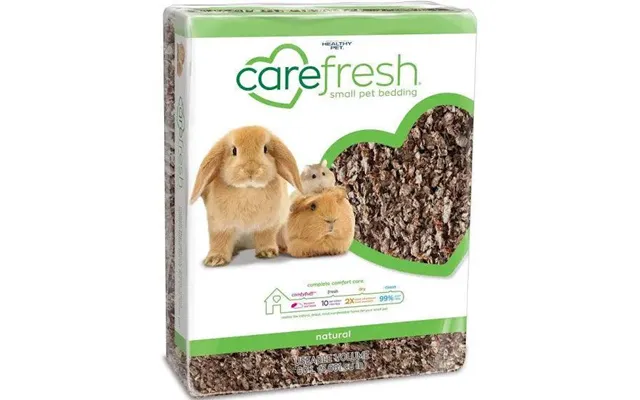
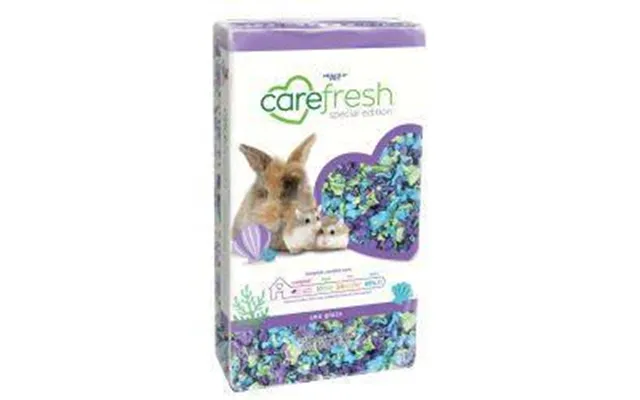
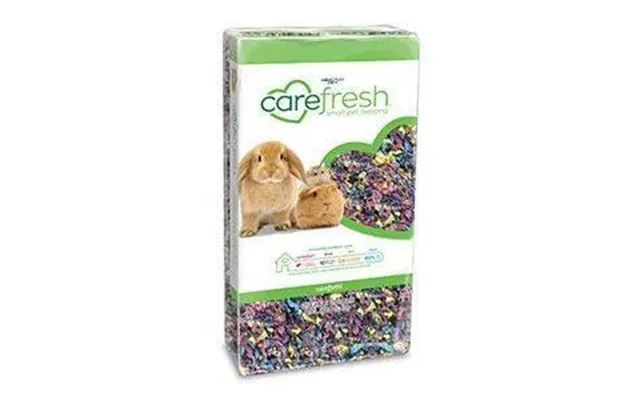
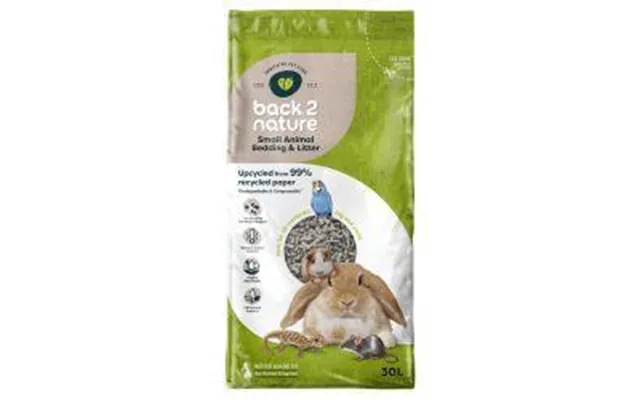
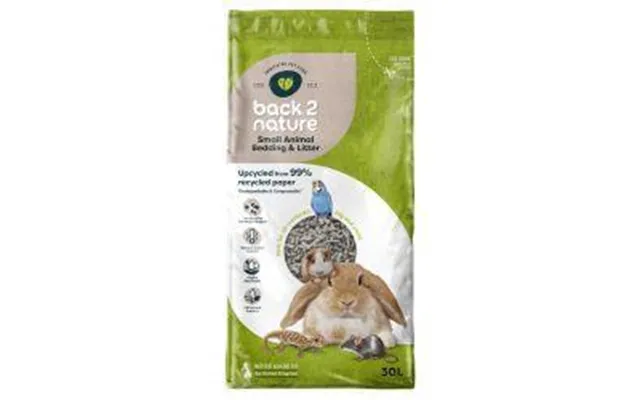
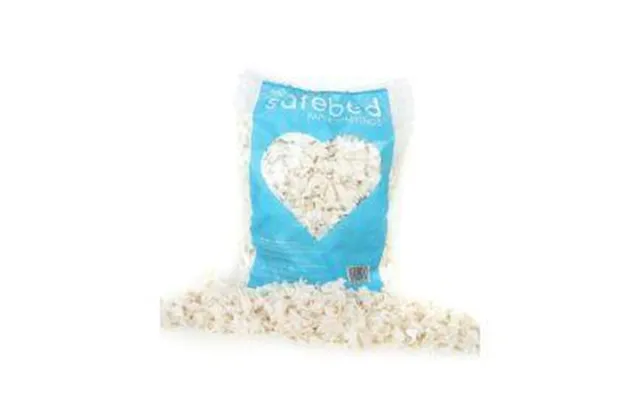
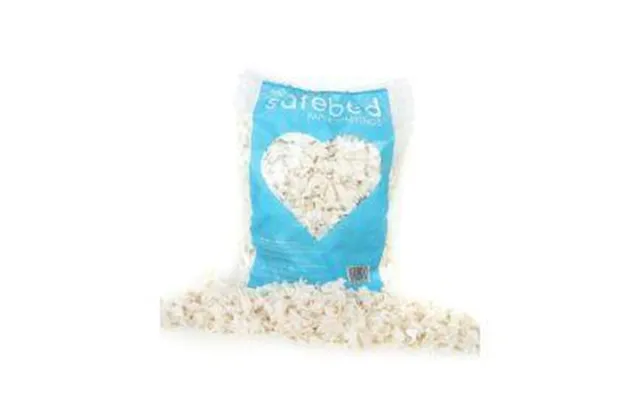
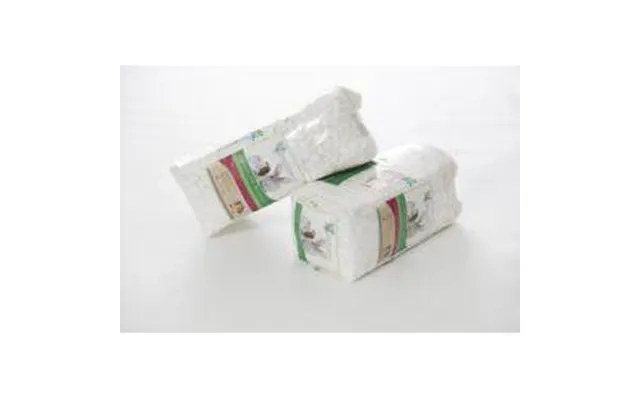
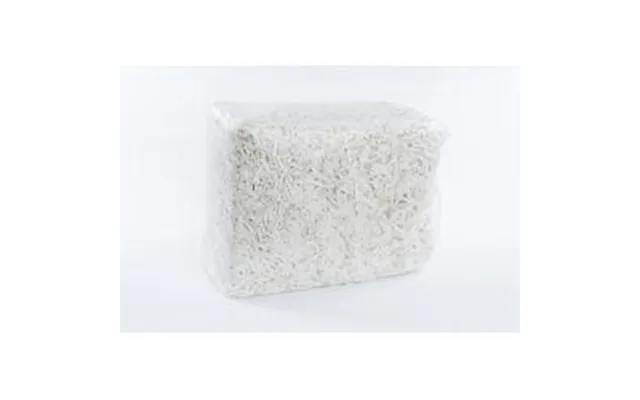
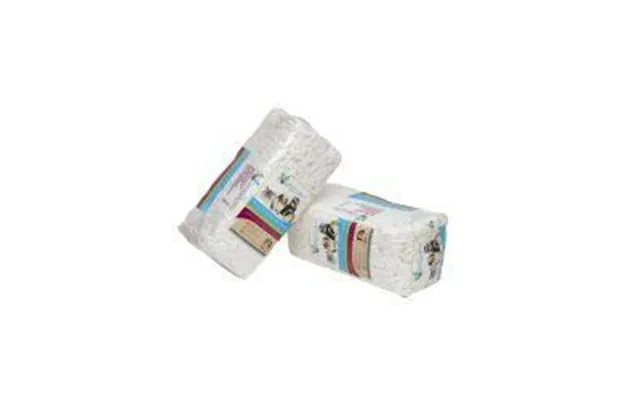
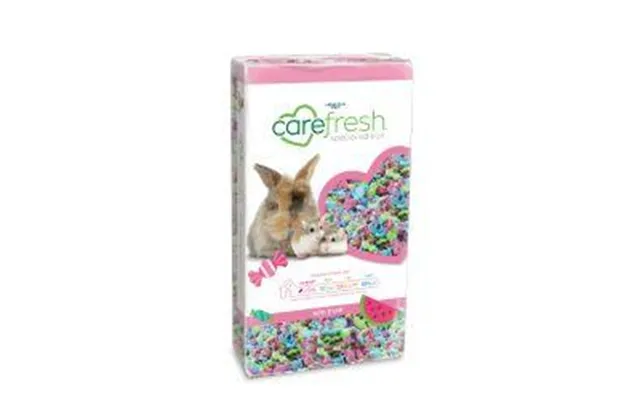
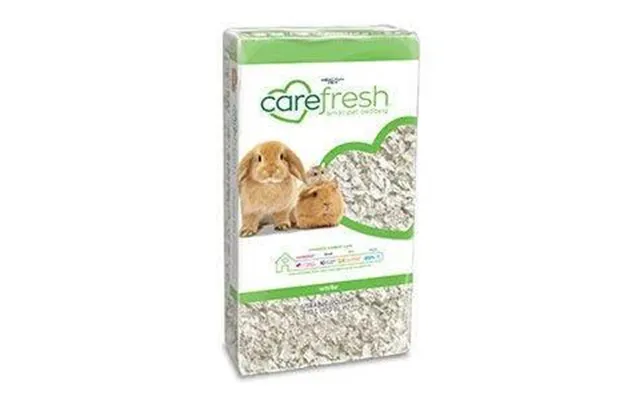
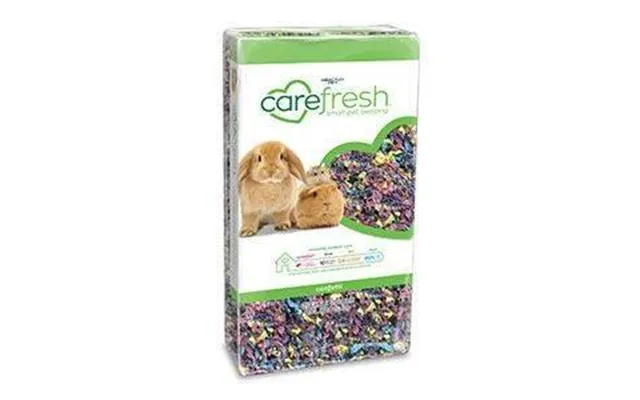
Paper-based bedding is the crowd favourite for a reason. Fluffed paper feels cloud-soft, expands nicely for burrowing, and tends to be very absorbent. Pelleted paper, on the other hand, is denser and packs serious odour control per square inch, making it ideal for litter areas or high-traffic corners. Choose unbleached, unscented varieties whenever possible to keep things gentle and natural.
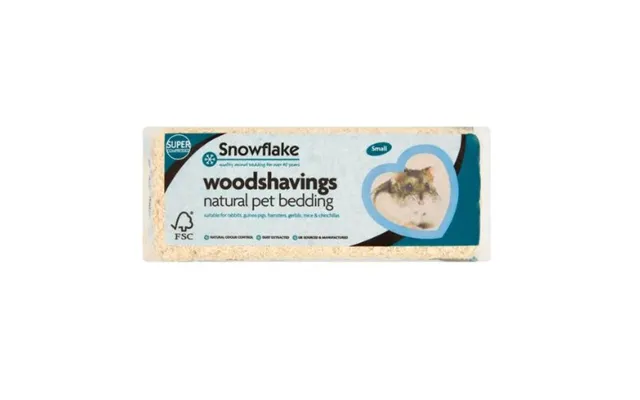
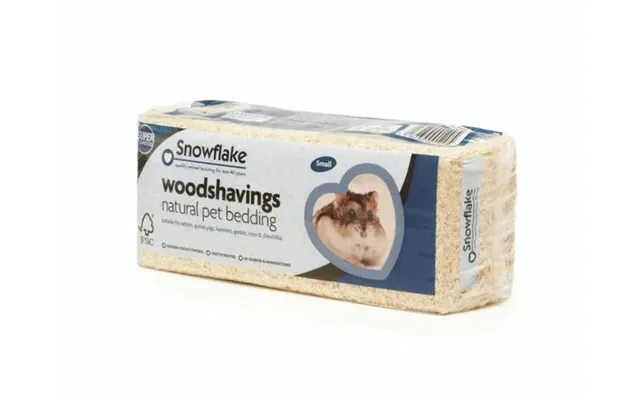
If you prefer a wood-based bedding, aspen is widely used for small animals because it’s generally lower in dust and free from strong aromatic oils. It provides a pleasantly springy layer that many pets enjoy. It also packs down less than paper, which can be handy for pets that like to tunnel without ending up on the cage floor. Always look for well-screened, kiln-treated aspen from reputable brands to keep it clean and consistent.
Traditional pine and cedar shavings are known for their strong scent, which might mask odours to our noses but can be irritating to small animals. Aromatic oils are the culprit. While you may see kiln-dried pine marketed as a safer option due to reduced oils, many caretakers still opt for paper or aspen to play it safe. If you do use a softwood, ensure it’s clearly marked as kiln-dried and dust-extracted, and monitor your pet for any signs of irritation.
Fleece has become a favourite for guinea pig guardians, especially in larger C&C style setups. When properly “wicked,” fleece pulls moisture through to an absorbent layer underneath (such as washable pads or towels), leaving the surface dry and comfy. It’s reusable, soft on feet, and easy to spot clean daily. The trade-off? You’ll be doing regular laundry—worth it for many, but not everyone’s cup of tea.
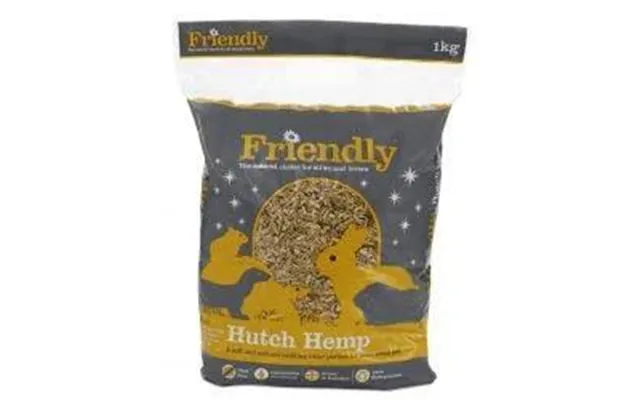
Hemp and flax fibre bedding offer a natural, compost-friendly option with decent absorbency and a pleasant, mild scent. They tend to be lighter underfoot than pellets and can be a good middle ground between paper fluff and wood shavings. As with all plant fibres, quality varies by brand; pick dust-extracted products to keep respiratory risks low.
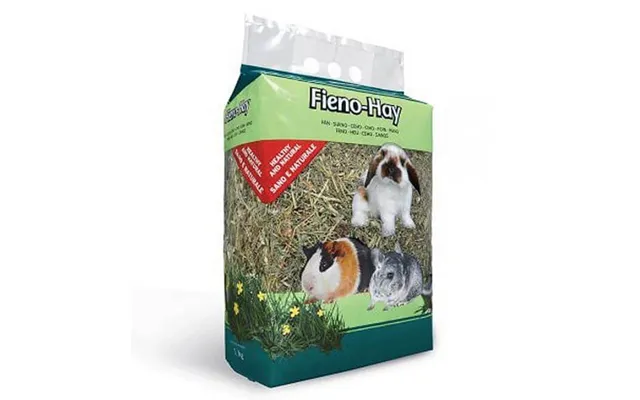
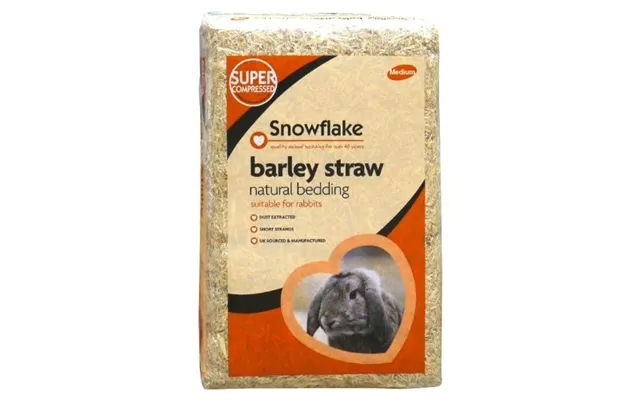
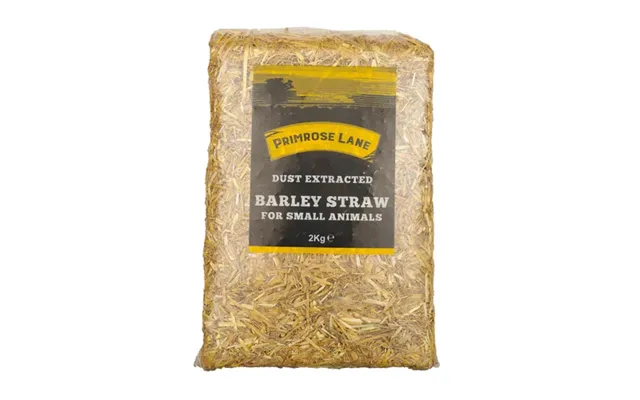
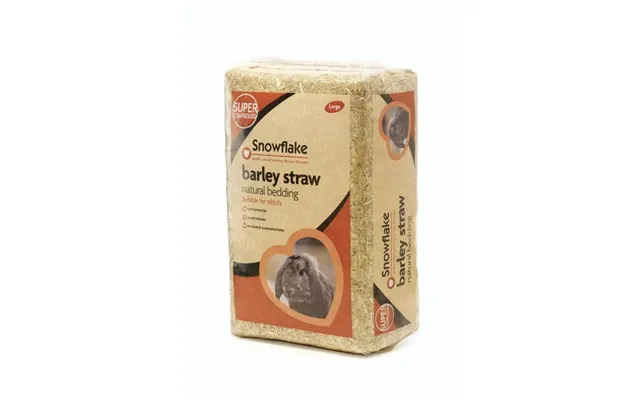
Straw is cosy as a topper in cold weather, but it’s not absorbent and can be pokey—best reserved as occasional nesting material rather than the main bedding. Hay is essential as food for rabbits and guinea pigs, but it’s not a substitute for absorbent bedding. Corn cob is often marketed for small animals, yet it can go musty if damp and isn’t the most absorbent. For daily use, paper, aspen, hemp, or fleece are safer bets.
Different species have different habits, and the best bedding respects those quirks. Let’s zero in on what works best for each of the most common small pets found in UK homes.
Rabbits appreciate a spacious enclosure with soft, dry footing. Paper bedding or aspen works well in litter trays and high-traffic areas, while fleece can be used on solid floors to reduce pressure on feet. Many rabbit owners use pelleted paper in litter trays for maximum odour control, topped with hay to encourage good litter habits. Avoid strong scents or dusty shavings—bunnies are sensitive, and their noses tell them everything.
Guinea pigs love to zoom, forage, and nap in snug hideaways, so bedding needs to be both cosy and easy to spot clean. Fleece liners paired with an absorbent underlayer shine here, but paper bedding is also fantastic, especially for those who prefer disposable options. Keep an eye on damp corners where water bottles dribble; a small tray of pelleted paper beneath those areas adds a powerful moisture trap.
These tiny engineers thrive when they can tunnel and rearrange their world. Provide a deep layer of fluffy paper bedding or a blend of paper and aspen to hold burrows. You’ll notice happier, more natural behaviour when they can build multi-level nests. Keep dust minimal, and avoid harsh fragrances—hamsters’ noses are sensitive, and artificial scents can stress them out.
Depth and coverage matter more than you might think. Too little bedding means damp patches and bored pets; too much of the wrong bedding can get compacted and stuffy. A balanced approach keeps everyone happy.
For hamsters and gerbils, aim for at least 6 to 8 inches of fluffy paper bedding to support burrowing. Guinea pigs do well with around 2 to 3 inches of paper or aspen, or a fleece liner setup over an absorbent layer. Rabbits benefit from generous litter trays with 1 to 2 inches of pelleted paper topped with hay, plus a soft floor area using fleece or a thin layer of paper in high-traffic zones.
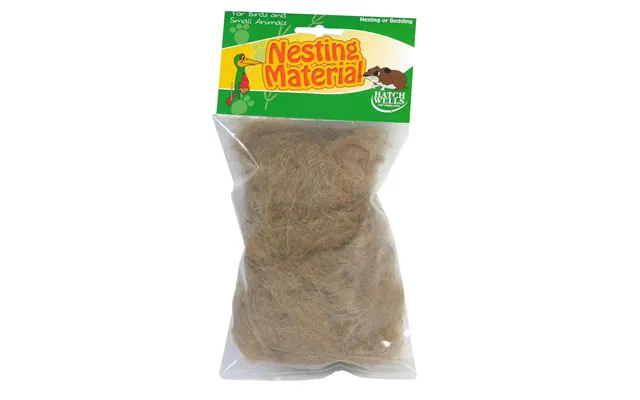
In colder months, you can add a bit more nesting material—extra paper fluff or a sprinkle of straw on top of a safe base—to keep things snug. In warmer weather, keep layers breathable and dry. If odours spike in summer, switch to a more absorbent core (like pelleted paper in trays) and increase spot cleaning. Small tweaks often make a big difference.
A tidy habitat isn’t just pleasant for you; it’s essential for your pet’s health. Consistency beats marathons—quick daily maintenance and regular refreshes keep everything sweet-smelling and safe.
Plan to remove soiled patches and damp areas once or twice a day, especially under water bottles and in favourite bathroom corners. With fleece, use a handheld vacuum or brush to gather hay and droppings. For paper or aspen, scoop out wet clumps and replace with fresh bedding. This five-minute habit will drastically extend the time between full changes.
How often should you do a complete change? For hamsters with deep bedding, a full turnover every 2 to 4 weeks is common, with generous spot cleaning in between. Guinea pig and rabbit areas vary, but many caretakers refresh fully every 5 to 7 days, sometimes sooner for busy households. Use a pet-safe disinfectant on hard surfaces, allow full drying, then replace with fresh bedding. Keep a spare liner set if you use fleece so cleaning day is hassle-free.
Price tags on small animal bedding can vary widely, especially when comparing sizes, compressions, and materials. When you’re browsing offers or price lists, look beyond the bag size and check the coverage and absorbency—those factors determine real value. Compressed packs, for instance, may expand to cover a much larger area than they appear at first glance.
One bag might look cheaper until you realise you’ll race through it twice as fast. A smart strategy is to estimate cost per week based on your pet’s setup. If pelleted paper in a rabbit litter tray keeps odours in check for a week, that may beat a cheaper option that needs replacing every couple of days. Compare like-for-like by material and absorbency rating whenever possible.
If you’re trying to stretch your budget, you’re not alone. Bedding is a repeat purchase, so little savings add up fast. By comparing deals across UK retailers and keeping an eye on seasonal promotions, you can secure premium bedding for less—without compromising your pet’s comfort.
Larger bags and multi-packs often offer the best per-use price. If you have space, buying in bulk makes sense for paper and aspen. Just store unopened bags in a dry, cool cupboard to prevent mustiness. For fleece, investing in two or three liners lets you rotate on laundry day and extend their lifespan.
Prices can dip around holidays and seasonal clearances. Keep a running list of your top two or three bedding picks and restock when discounts appear. If your favourite brand goes on offer, grab an extra bag or two—future you will be very pleased when the next change day comes around.
Want your pet’s home to be gentler on the planet and noses alike? You’ve got options. Recycled paper bedding is widely available, and many plant-fibre beddings claim lower dust. The key is to choose unscented, minimal-additive products and pair them with a consistent cleaning routine.
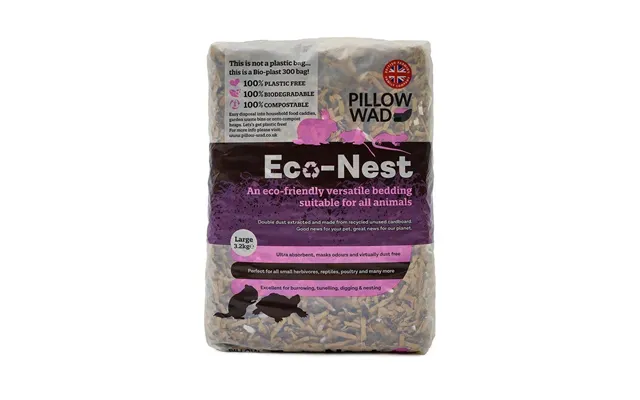
Unbleached recycled paper bedding is a solid eco-conscious choice. Some households compost used bedding from herbivores (like rabbits and guinea pigs) in their garden compost. If you go this route, avoid any perfumed products and follow local guidance for composting animal waste. Even if composting isn’t your thing, lighter packaging and recycled materials reduce overall footprint.
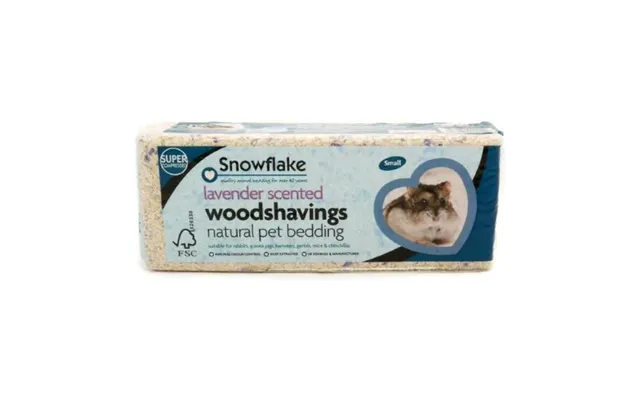
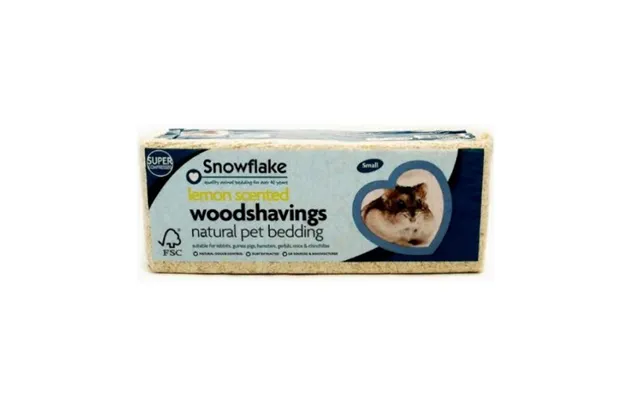
It’s tempting to grab a lavender or citrus-scented bag, but fragrances are for us, not them. Many scents can irritate small animals’ sensitive respiratory systems. Unscented bedding combined with routine spot cleaning will always beat heavy perfumes. If you want freshness, focus on absorbency and ventilation—those are the real heroes of odour control.
We’ve all made at least one of these. The good news is they’re easy to fix once you know what to look for. A few quick tweaks can transform your pet’s habitat from “fine” to “fantastic.”
Layering can be brilliant, but not every combo plays nicely. For instance, placing non-absorbent straw under fleece can trap moisture in all the wrong places. Instead, put absorbent pads beneath fleece, and use pellets only in litter zones. Keep materials consistent within each layer so you know exactly what’s working—and what needs a rethink.
Avoid clumping cat litters and strong fragrances in small animal habitats. Clumping litters can pose ingestion risks and create sticky messes on feet. Perfumed additives often mask odours without solving moisture issues. If odours persist, increase spot cleaning, switch to pelleted paper in “bathroom” areas, and ensure proper ventilation around the enclosure.
Thinking of changing up your setup? A gradual approach keeps pets confident and gives you a fair test of the new material. Making the switch the right way can also help you compare performance without guesswork.
Start by replacing a third of the habitat with the new bedding and keep the rest the same. After 2 to 3 days, shift to a half-and-half layout. By the end of the week, most pets adjust comfortably, and you can complete the swap. This staggered change lets you monitor odour control and dust levels without overwhelming your pet.
Your pet will tell you what they think—just watch closely. Are they burrowing happily? Are they avoiding certain spots? Any sneezing or watery eyes? If something seems off, revert to the previous bedding and try a different option. Comfort and health always take priority over aesthetics or price.
A clever cage layout maximises the strengths of your chosen bedding. Use absorbent pellets in litter areas and high-traffic corners, soft paper or aspen for lounging, and fleece on solid floors where you want easy daily maintenance. Add hides, ramps, and tunnels to give your pet choice—variety keeps them active and reduces boredom nibbling.
Where water goes, damp spots follow. Place a small tray of pelleted paper or a thicker pad directly beneath drippers to catch splashes. This tiny tweak extends the life of surrounding bedding and cuts down on odours. Likewise, top up hay racks over areas that are easy to sweep or scoop, not over plush corners your pet loves for naps.
Buy too small and you’ll run out mid-week; go too big and storage gets tricky. For most households, alternating between a large “main” bag and an emergency backup works well. Keep unopened bedding in a cool, dry cupboard, and seal open bags to prevent humidity from sneaking in. If you’re using fleece, a breathable bin keeps washed pads fresh and ready.
Remember, bigger enclosures need more bedding—but they also stay fresher longer because waste is more spread out. A roomy hamster tank with 8 inches of paper bedding might only need major refreshes every few weeks, whereas a compact guinea pig area could need weekly overhauls. Don’t be afraid to adjust your routine as you learn your pet’s patterns.
Before you hit “compare,” run through a quick checklist: Is it unscented? Low dust? Appropriately soft for your species? Absorbent enough to manage weekly maintenance? Available in a size that makes sense for your storage and routine? If you can tick all those boxes, you’re on track for a fresher, comfier habitat and a happier pet.
Small animal bedding does far more than catch mess—it shapes your pet’s comfort, health, and daily happiness. Paper bedding (fluffed or pelleted), aspen shavings, hemp fibres, and well-prepped fleece all earn top marks when matched to the right species and setup. Focus on absorbency, low dust, and unscented formulas, and pair them with consistent spot cleaning. Compare offers thoughtfully—cost per use matters more than cost per bag—and choose sizes that fit your routine. With a little planning, you’ll create a clean, cosy, odour-controlled haven your rabbit, guinea pig, or hamster will adore.
| Small Animal Bedding | Price | |
|---|---|---|
| Versele Laga Prestige Shell Sand Marine 5kg | kr. 65,- | |
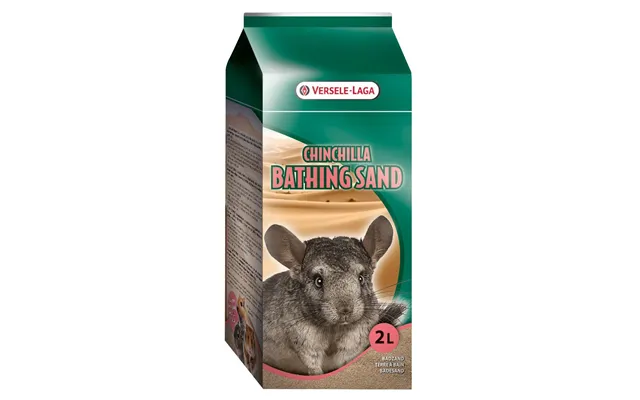
| Duvo Duvo Sand To Chinchillas 1,9 Kg | kr. 68,- | |
| Bunny Nature Slipway Fresh & Dry 2 Kg - Bottom Litter | kr. 74,- | |
| Vitapol Pressure Sawdust 56l 4,3 Kg 1049 | kr. 75,- | |
| Hampemåtte To Rodents 0,5x1 M 5 Mm | kr. 152,- | |
| Hampemåtte To Rodents 1x1 M 5 Mm | kr. 178,- | |
| Wood Shavings To Litter To Expensive Soft Wood 24 Kg | kr. 358,- | |
| Ridsemåtte To Horse - Calf | kr. 379,- | |
| Hampemåtte To Rodents 1x5 M 5 Mm | kr. 402,- | |
| Hampemåtte To Rodents 0,5x25 M 5 Mm | kr. 786,- |