All categories
Business & Offices
Electronics & Media
Fashion & Accessories
Groceries & Essentials
Health & Personal Care
Home & Living
Kids & Family
Sports & Outdoors
Search in ZoneOffer
Loading...
Small animals may be tiny, but their nutritional needs are big. The right food fuels healthy digestion, keeps teeth in check, supports glossy coats, and powers playtime. Choose wrong, and you can end up with fussy eating, weight swings, or even costly vet visits. That’s why comparing small animal food carefully—by ingredients, nutritional profile, and price per ounce—pays off. Good news? With a comparison site, you can scan multiple retailers at once, spot real discounts, and pick what’s best for your rabbit, guinea pig, hamster, rat, or chinchilla without guesswork.
Think of rabbits and guinea pigs as fiber fanatics. Their digestive systems rely on a constant flow of high-fiber foods—especially hay—to stay balanced. Pellets should be timothy-based for adults, with high fiber and moderate protein. For guinea pigs, there’s an extra twist: they can’t make vitamin C, so they need pellets that include stabilized vitamin C and fresh leafy greens. Sweetened mixes or molasses-heavy blends may tempt picky eaters, but they don’t support dental wear or gut health as well as fiber-rich options.
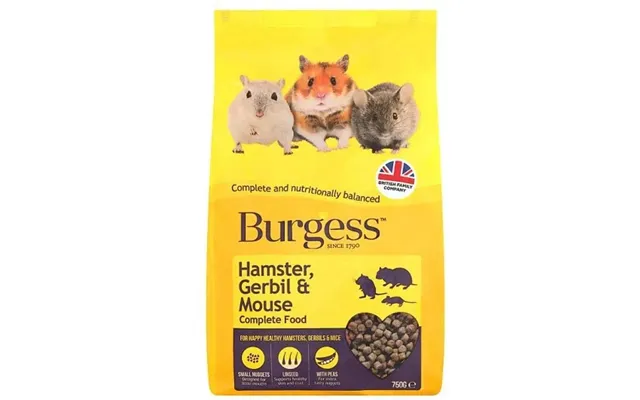
These small, speedy nibblers thrive on a broader mix. A complete pellet or balanced muesli can work, but the key is preventing selective feeding. If you choose a mixed blend, look for smaller, uniform pieces and avoid excessive candy-like bits, colored shapes, or sugar-dusted treats. Protein should be moderate, with fat kept in check to prevent weight gain. A few crunchy extras provide enrichment, while the base diet should remain consistent and complete.
Rats are smart and curious, and that curiosity often extends to their food bowls. They need balanced pellets with controlled fat to support heart health and longevity. Avoid overly rich nut-and-seed-heavy mixes, which can encourage selective eating and pack too many calories into a small portion. Look for micronutrient-rich, lab-style blocks or complete pellets that keep the menu steady and the nutrition complete.
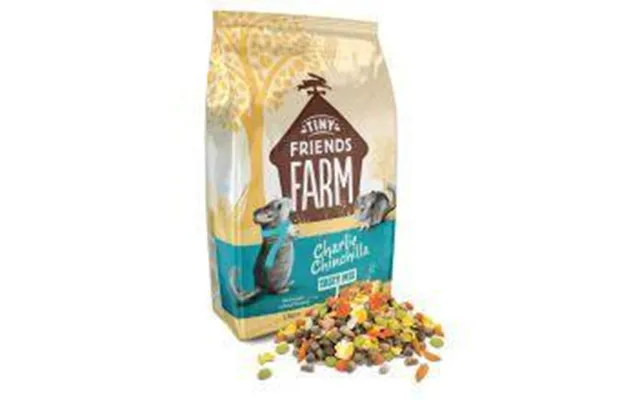
Chinchillas and degus are sensitive souls when it comes to digestion. Their diets should be fiber-forward and low in sugars and fats. Plain, simple pellets plus top-quality hay form the foundation. Sweet fruits, high-sugar treats, or fatty seeds can throw off their gut balance. When in doubt, keep it simple: high-fiber pellets, unlimited hay, and the occasional approved herb-based treat.
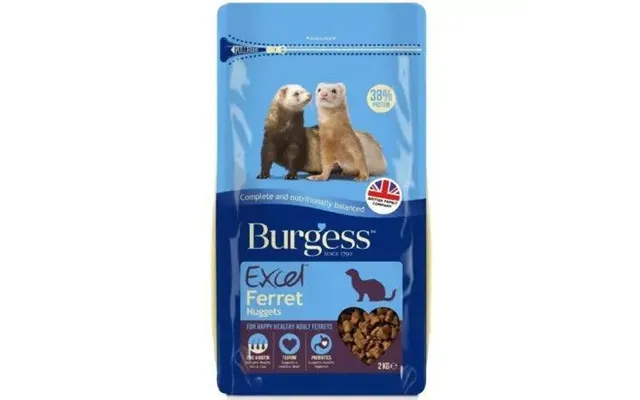
Ferrets have a completely different blueprint from herbivores and omnivores. They require high-protein, high-fat diets derived from animal sources, and they do not tolerate high-fiber or plant-based feeds. If you’re comparison shopping for ferret food, confirm that animal protein is front and center and that the carb load stays low. Mixing ferret needs with rabbit or guinea pig options is a no-go, so shop by species with care.
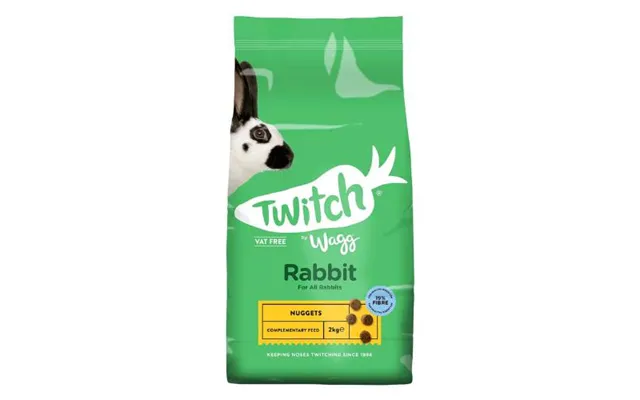
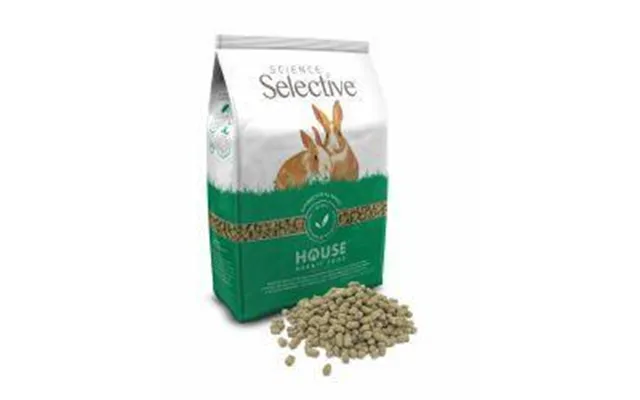
Complete pellets ensure every bite is balanced. That means no cherry-picking only the tasty bits. For rabbits and guinea pigs, timothy-based pellets with high fiber support digestion and dental wear. For rats and smaller rodents, pellets or blocks curb selective feeding while providing steady nutrition. When comparing, weigh cost per ounce against quality and nutrient density. A slightly pricier pellet that you feed in smaller portions can be better value than a cheap bulky blend.
Muesli-style mixes look appealing and feel fun—but they can invite selective eating. If your little buddy only eats the colorful bits and leaves the brown ones, the diet skews off balance. Look for mixes with uniform particle sizes and minimal added sugars or artificial colors. If you spot sticky or molasses-coated bits, consider switching to a complete pellet or mixing pellets into the blend to level out nutrition.
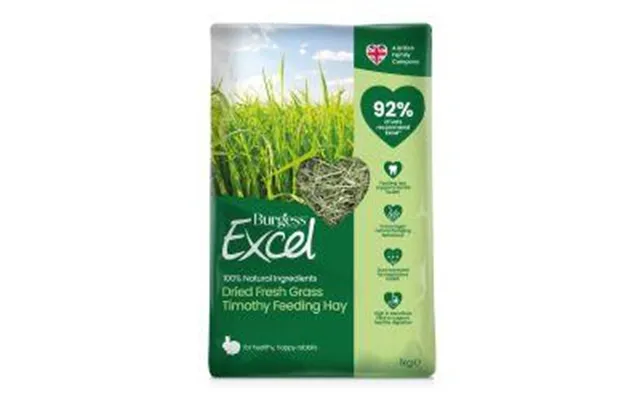
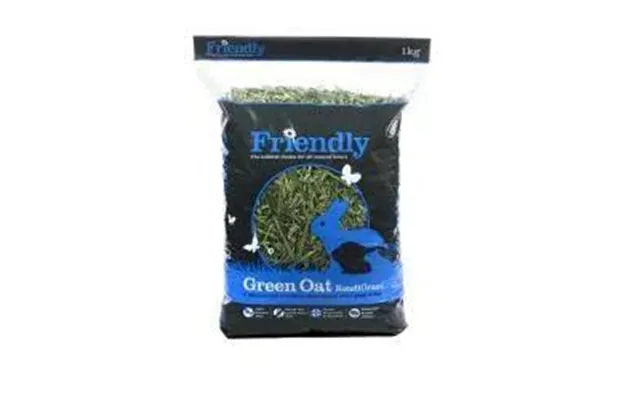
For rabbits, guinea pigs, and chinchillas, hay isn’t a side dish—it’s the main course. Think of it as your pet’s daily salad and toothbrush in one. Timothy hay is a classic, while orchard grass and meadow blends add variety. Alfalfa hay suits growing youngsters or special cases but can be too rich for healthy adults. When you compare prices, consider bale freshness, softness, and aroma. Dusty, stemmy hay is often cheap for a reason.
Treats keep life interesting, but they should stay just that—treats. Look for natural, low-sugar options like dried herbs or hay-based chews for herbivores, and species-appropriate protein bites for omnivores or ferrets. If a treat smells like candy, it probably acts like candy in the gut. Prioritize dental-safe, fiber-friendly rewards that won’t undo a carefully chosen main diet.
Sticker prices can mislead. The true test is price per ounce or per feeding. Calculate by dividing the bag price by total ounces to get a clear baseline, then weigh that against recommended daily portions for your species. A compact, nutrient-dense pellet may stretch further than a bulky mix that requires larger scoops. Smart comparison is about cost over time, not just the biggest bag or flashiest discount.
Prices fluctuate throughout the year. You’ll often see seasonal promos around pet awareness events or holidays, and multibuy bundles can bring down the per-ounce cost. Keep an eye out for “buy two, save more” deals and bundle offers that include hay, pellets, and treats together. Just make sure the items are ones you’ll actually use—bargains aren’t bargains if half the bundle goes stale.
Subscription discounts can be handy for staples like pellets or hay. The advantage is predictability and a small price break. The downsides? You might get refills too soon, or miss better short-term sales. If you subscribe, choose flexible intervals and track your usage. It’s perfectly fine to pause when your pantry is full or when a comparison site highlights a better offer elsewhere.
For adult rabbits and guinea pigs, high fiber with moderate protein is the sweet spot. Chinchillas also lean high-fiber and low-fat. Hamsters and gerbils do well with moderate protein and controlled fat, while rats benefit from balanced pellets that avoid excess oils. Ferrets need high animal protein and fat, low carbs, and minimal fiber. Percentages matter—scan labels and compare across products to find the right nutritional profile for your species and life stage.
Bright colors and sticky coatings don’t add nutrition. Sugars and molasses can encourage picky eating and cause weight gain, while artificial colors are unnecessary frills. If a blend looks like a candy bowl, it’s a red flag. Prioritize natural tones, simple ingredients, and pellets that deliver what counts: fiber, quality protein, minerals, and vitamins in a balanced package.
Guinea pigs require reliable vitamin C, but it can degrade over time. Look for stabilized sources in pellets and rotate bags regularly so the content stays effective. You can supplement with fresh leafy greens and vet-approved vitamin options if needed. The goal is consistency; don’t rely on old bags or high-heat storage that may reduce potency before your piggy gets the benefits.
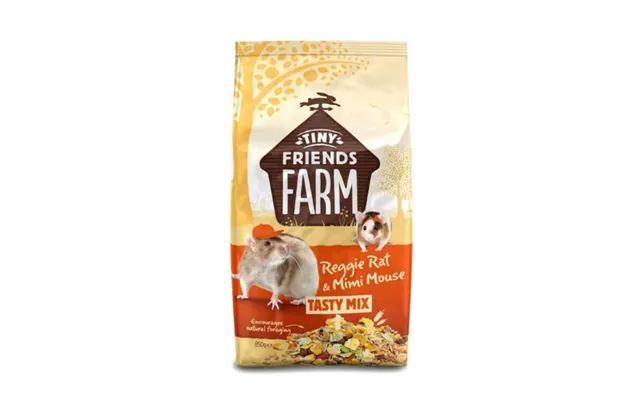
Well-regarded brands often stand out for ingredient transparency, species-specific formulas, and consistent quality control. In the UK market, you’ll commonly encounter names like Burgess Excel, Science Selective, Oxbow, Harringtons, Supreme Petfoods, and Tiny Friends Farm. Each offers lines tailored to rabbits, guinea pigs, hamsters, rats, and more. Don’t just go by the logo—compare the fiber, protein, and fat percentages, read real user reviews, and weigh value per ounce. You’ll often find that premium formulas justify the price through better digestibility and smaller portions.
Right-sizing your bag avoids stale or wasted food. Estimate weekly usage based on your pet’s recommended portion, then multiply by how long you want each bag to last. For example, a small hamster might only nibble a few ounces per week, while a pair of rabbits can power through pellets and hay quickly. If you have multiple pets, larger bags can bring down price per ounce—as long as you’ll actually finish them in time.
Think cool, dark, and dry. Keep bags sealed or decant pellets into airtight containers to preserve aroma and nutrients. Avoid leaving food near sunny windows or heat sources, and keep hay in breathable storage that stays clean and dry. If a pellet smells stale or looks dusty, it’s time to refresh. A little storage discipline goes a long way toward keeping your pet’s diet consistent and appetizing.
Bulk buying is brilliant when you’ve done the math. If you compare offers and see a hefty discount on a 10 lb or 20 lb bag, check your consumption rate. Will you use it before it loses its edge? If yes, great—enjoy the savings. If not, split the purchase with a friend or opt for a mid-size bag that stays fresher. Value is more than volume; it’s usable volume.
Portions differ across species and brands, but the guiding principle is steady, measured feeding. Rabbits and guinea pigs get most calories from hay, with pellets as a smaller daily portion. Hamsters and gerbils enjoy a measured scoop of a balanced mix or pellet, while rats do best on controlled servings of complete pellets. Ferrets require high-protein meals spaced through the day. Always start with the manufacturer’s guidance, then adjust based on your pet’s body condition and activity level.
Switching foods overnight can upset tummies. Instead, mix a small portion of the new food into the old and increase the ratio gradually across a week or two. Watch droppings, energy, and appetite along the way. If you notice soft stools or pickiness, slow the transition. A thoughtful switch preserves gut balance while letting your pet learn to love the new formula.
Fresh water is non-negotiable. For herbivores, daily greens can provide hydration and enrichment. Choose leafy options that complement pellets and hay, and introduce new greens slowly. For omnivores and ferrets, stick to species-appropriate additions and avoid sugary fruits as everyday fare. Think of extras as the garnish to a solid main course.
If your pet eats only the tasty bits, they’re not getting a balanced diet. You can avoid this trap by switching to complete pellets or by choosing mixes with uniform particle sizes. Another tactic is to lessen the volume of mix and top up with pellets, ensuring complete nutrition while still providing crunch and variety.
Seeds and nuts pack calories into tiny bites. Occasional treats are fine, but daily handfuls can add up fast, leading to pudgy pets and sluggish energy. Aim for nutrient-dense pellets and fiber-first hay, with treats as the bonus, not the base. If in doubt, measure treats the way you’d measure pellets—mindfully.
For rabbits, guinea pigs, and chinchillas, dental wear is a daily mission. High-fiber hay is the natural toothbrush, while pellets alone won’t do the job. Flat, soft, or sloppy droppings can signal low fiber, so aim to keep the hay rack full. For rodents with continuously growing teeth, safe chews and gnaw toys add extra support—but hay and appropriate base diets still do the heavy lifting.
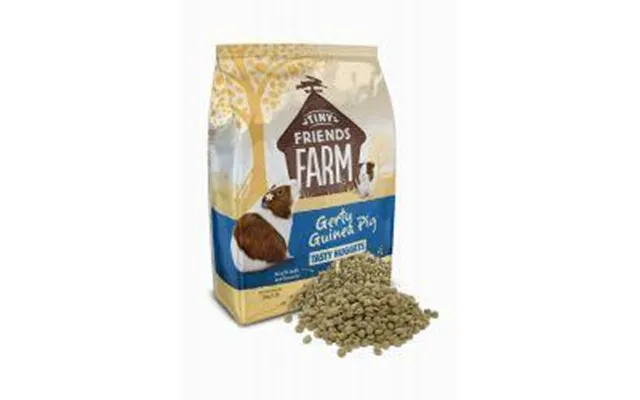
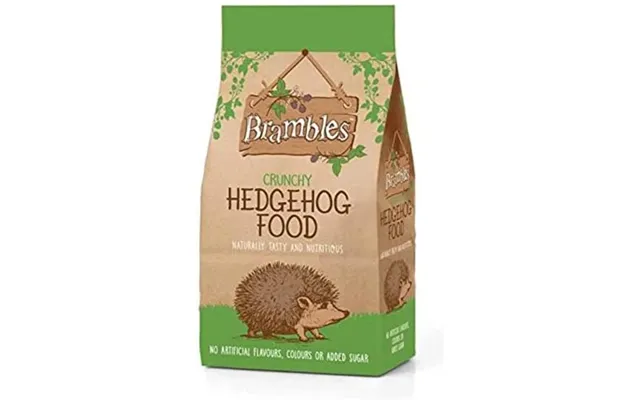
When you use a comparison platform, you get a bird’s-eye view of what different retailers are offering. Filter by price per ounce, bag size, fiber percentage, or brand, and sort by ratings to see what real pet parents recommend. You can quickly shortlist a few winners, then look closer at nutrition and value before you commit.
Reviews help, but context matters. Look for patterns: multiple users praising consistent stool quality or improved coat condition can signal a solid formula. If complaints mention selective feeding or sudden pickiness, consider a switch to pellets or a more uniform mix. Reviews can point you to the right bag, but your pet’s needs are the final word.
Prices move, and the best moment to buy isn’t always today. Use price history and deal alerts to pounce when costs drop. That way, you can restock favorites or try a new premium pellet without paying top dollar. This approach is especially handy for large bags of hay or pellets that you buy again and again.
Pet food packaging has come a long way. Look for recyclable bags or brands that commit to reduced packaging. Some offer bulk formats that use fewer materials overall. If eco-packaging lines up with good nutrition and a fair price per ounce, you’ve found a win-win for your pet and the planet.
Transparency matters. Brands that highlight responsible sourcing, limited additives, and quality assurance often deliver steadier results. If a label proudly explains where the hay grows or how pellets are made, that’s a sign they take quality seriously. Ethical credentials don’t replace nutrition facts—but they can tip the scales when products are otherwise evenly matched.
Think of a “price list” as more than numbers—it’s a framework. Compare pellets by price per ounce and fiber percentage, and compare hay by freshness, cut, and per-ounce cost. Budget-friendly doesn’t have to mean bare-bones; sometimes mid-tier pellets paired with premium hay hit the sweet spot. Aim for consistency: a bag that feeds well for weeks without waste beats a bargain that your pet refuses or that goes stale halfway through.
Hay quality varies widely. A fragrant, leafy timothy hay often costs more per ounce than a coarse, stemmy batch, but it can lead to better intake, happier tummies, and fewer leftovers. That means less waste and better value overall. When you compare offers, look closely at descriptions and reviews that mention texture, softness, and dust levels. A good hay is like a fresh salad bar—irresistible and nourishing.
Not every part of your pet’s diet needs to be top-shelf. Splurge strategically and save smartly. For instance, choose a premium hay and a solid, mid-priced pellet with the right fiber and protein. Or, keep pellets premium and find value hay that’s still green and aromatic. The comparison mindset helps you allocate your budget where it matters most for health and happiness.
Imagine you’re choosing between two rabbit pellets. Pellet A costs more but requires a smaller daily portion, thanks to higher fiber and better nutrient density. Pellet B is cheaper per bag but needs bigger scoops to keep droppings consistent. Once you calculate price per ounce and per feeding, Pellet A might be the true bargain. That’s the power of comparing beyond the sticker price—you’re looking at performance, not just packaging.
The best small animal food offers don’t just cut costs—they elevate nutrition. When you compare by species needs, ingredient quality, price per ounce, and real-life performance, you feed with confidence and save with purpose. Use a trusted comparison site to line up deals, lean on reviews for nuance, and select pellets, hay, and treats that match your pet’s biology. Your reward? Happier pets, healthier routines, and a budget that finally feels as well-balanced as your pet’s bowl.
| Small Animal Food | Price | |
|---|---|---|
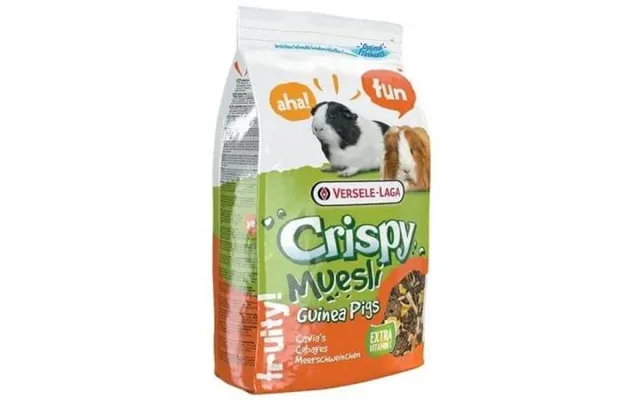
| Dry Feed For Guinea Pigs Crispy Muesli - 1 Kg | £ 3,60 |