All categories
Business & Offices
Electronics & Media
Fashion & Accessories
Groceries & Essentials
Health & Personal Care
Home & Living
Kids & Family
Sports & Outdoors
Search in ZoneOffer
Loading...
Ask any pet parent who’s hit the motorway with a curious dog or a nimble cat: a secure vehicle pet barrier is the difference between a calm cruise and a rolling circus. A proper barrier keeps your four-legged friend safely contained in the cargo area or behind the front seats, so they can’t hop into your lap, paw at the gear selector, or block your rear-view. That means fewer distractions, smoother handling, and a safer ride for everyone on board.
There’s also comfort to consider. Pets actually relax more when the rules are clear. A defined space becomes their den on wheels, especially when it’s paired with a comfy mat and good airflow. Think of a high-quality barrier as a sturdy fence: it sets boundaries without feeling like a cage. And because today’s designs are smarter—easy-fit, no-drill, and rattle-free—you don’t have to compromise on your car’s interior or your sanity.
The right pet barrier mirrors your vehicle type and how your pet travels. SUVs, estates, hatchbacks, and even saloons can all be kitted out with safe, reliable solutions. The key is picking a style that matches your car’s layout and your daily routine, whether you’re ferrying the kids to school, visiting the vet, or heading for a muddy trail on the weekend.
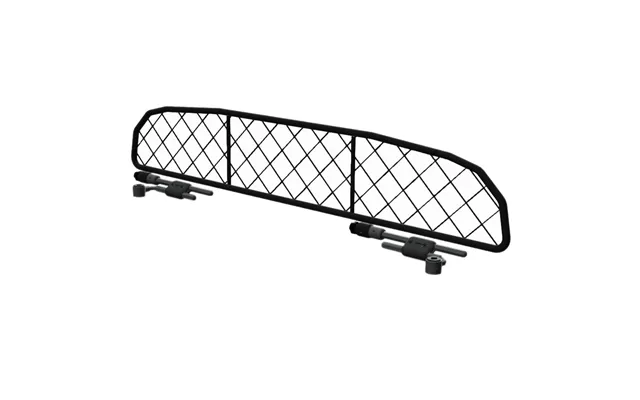
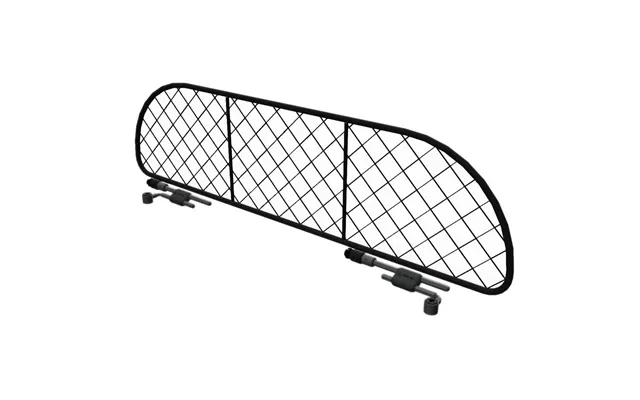
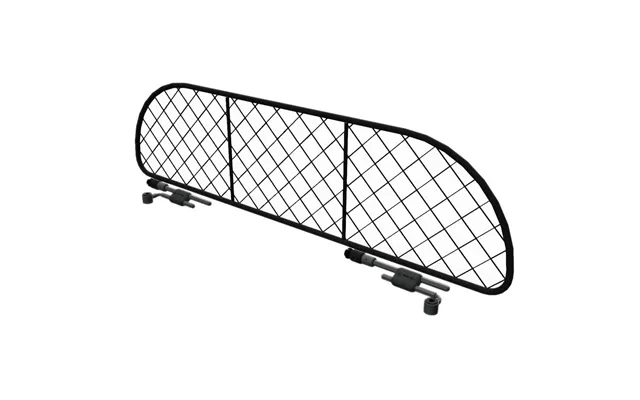
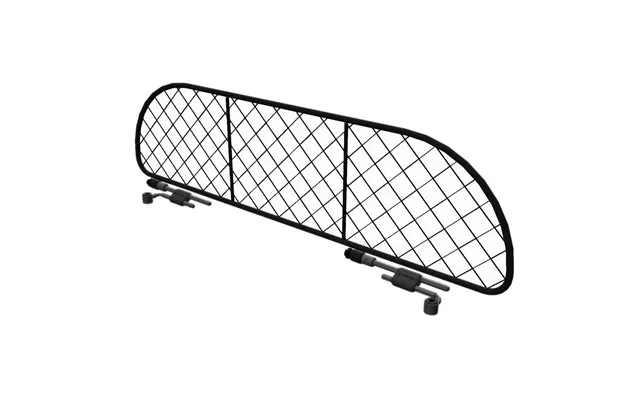
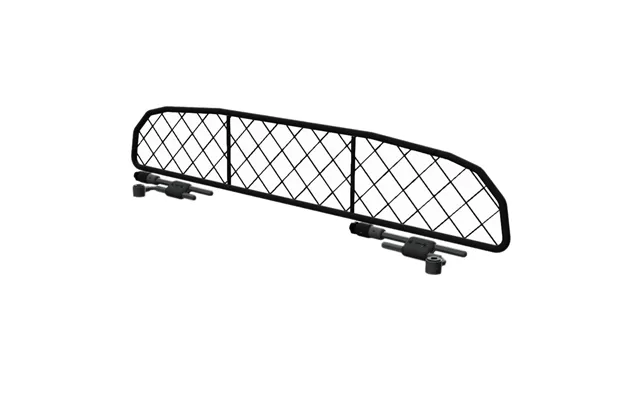
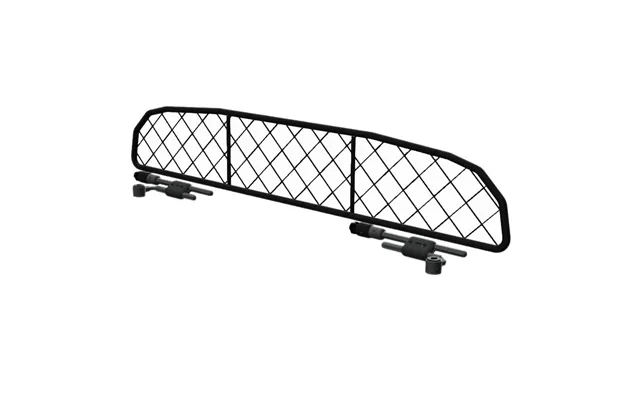
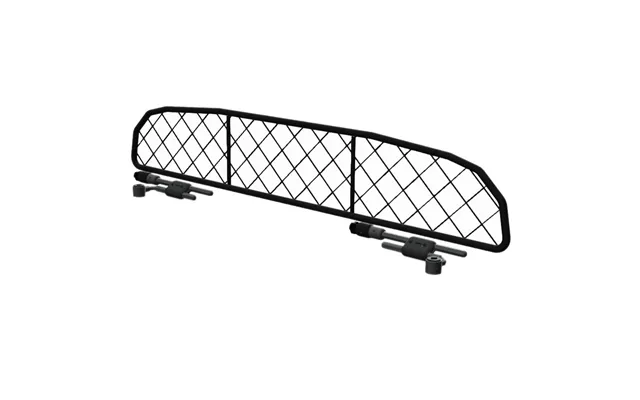
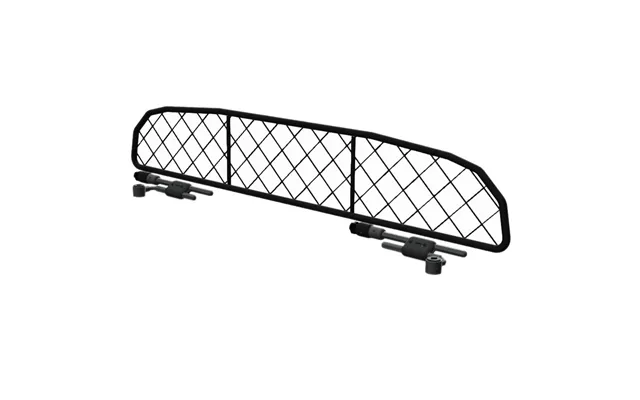
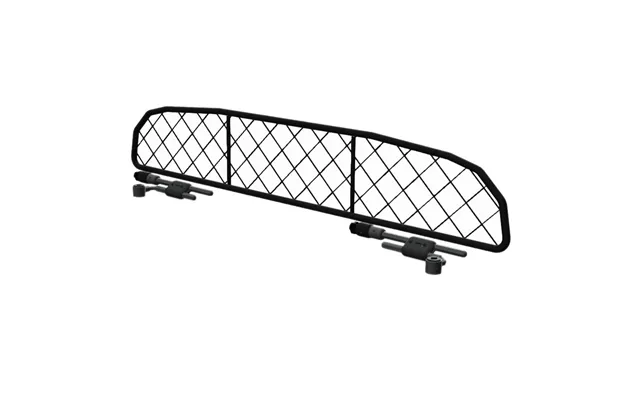
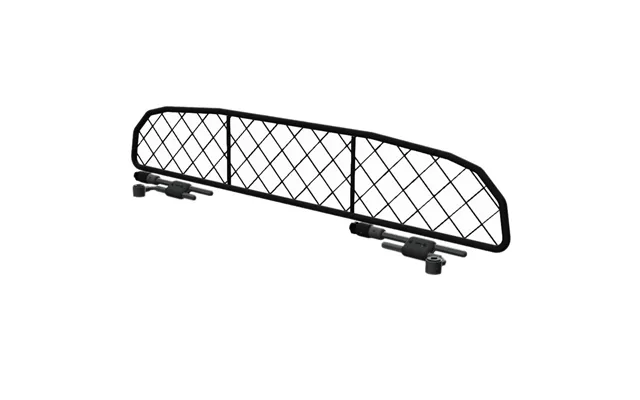
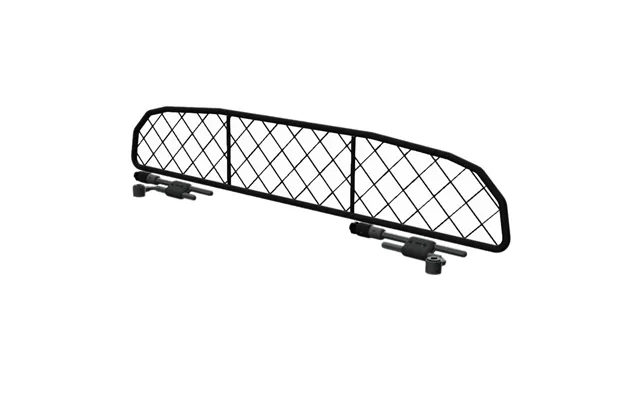
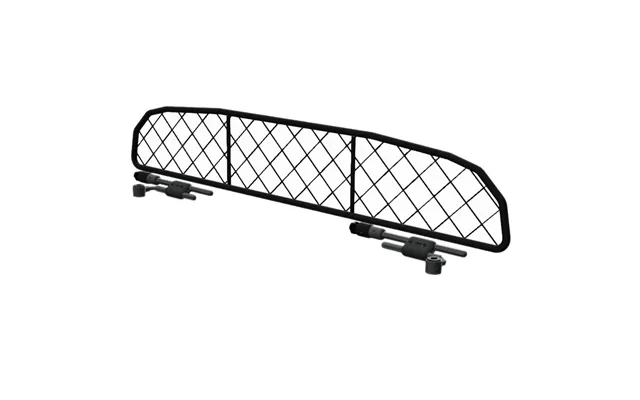
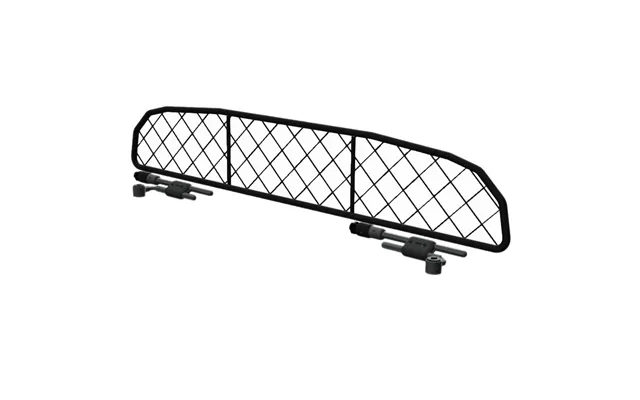
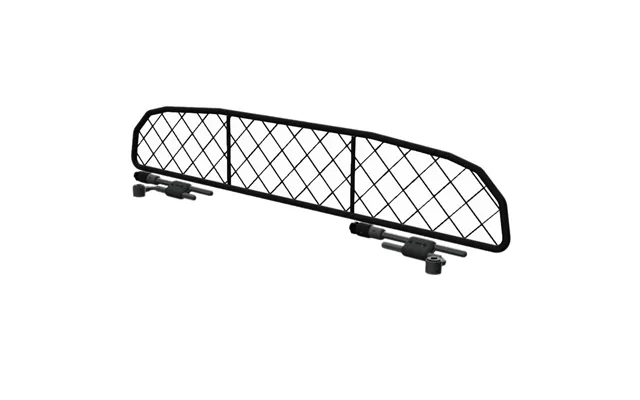
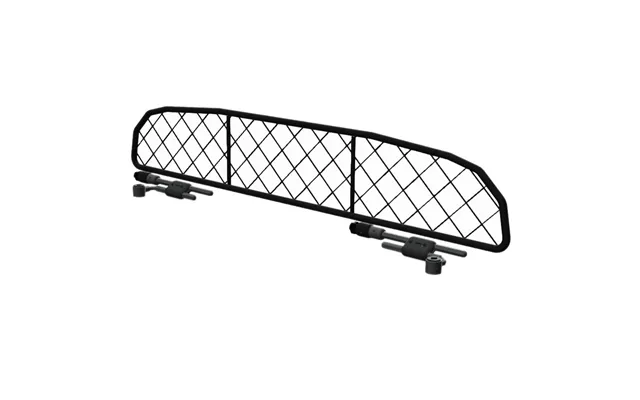
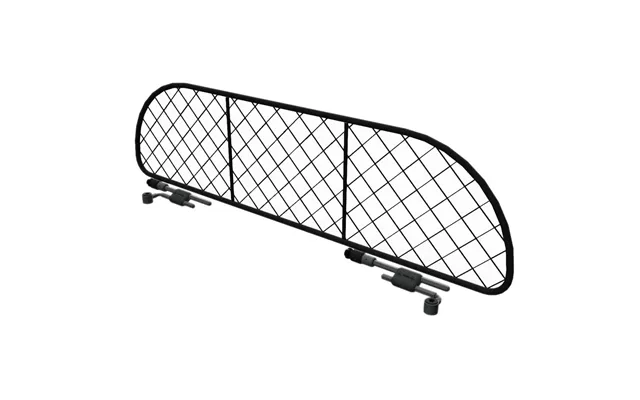
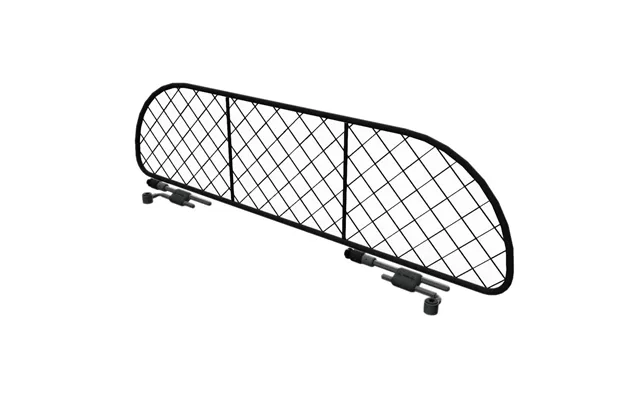
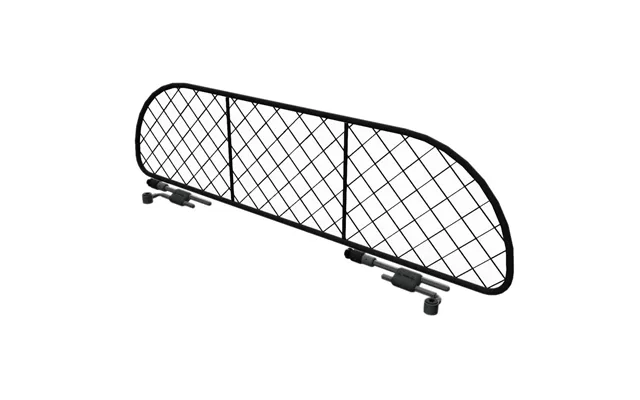
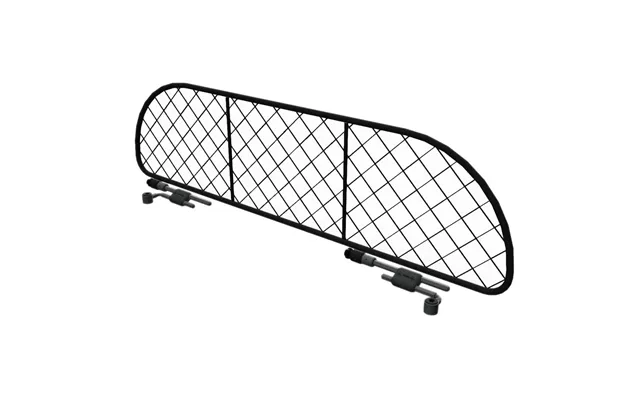
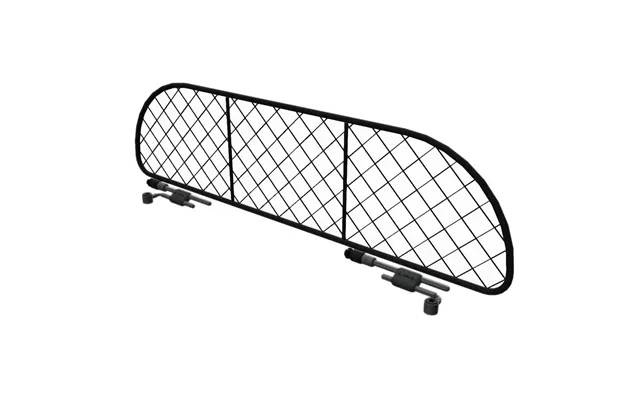
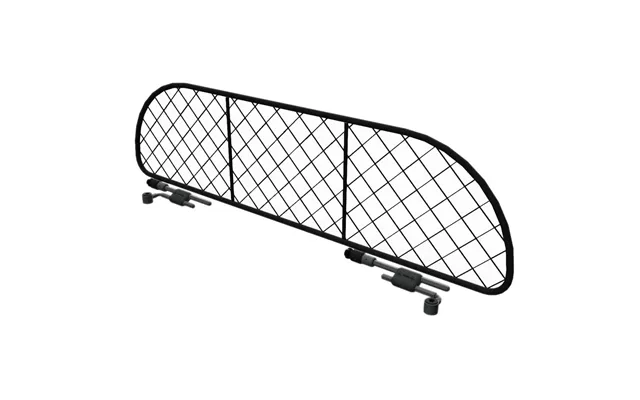
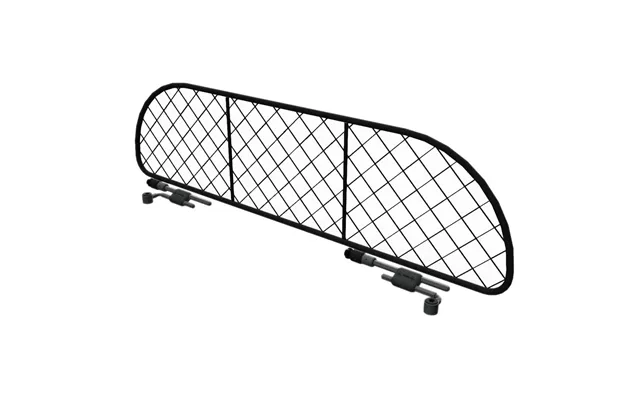
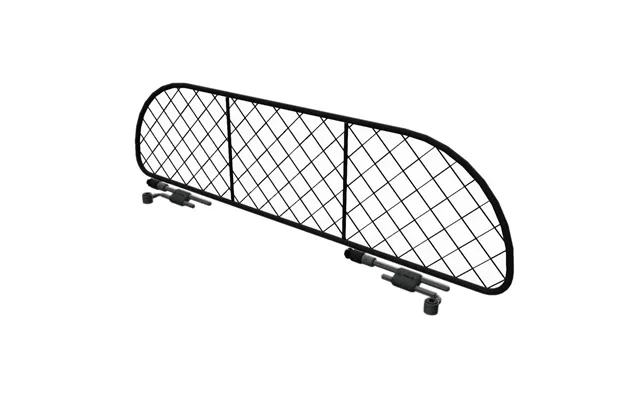
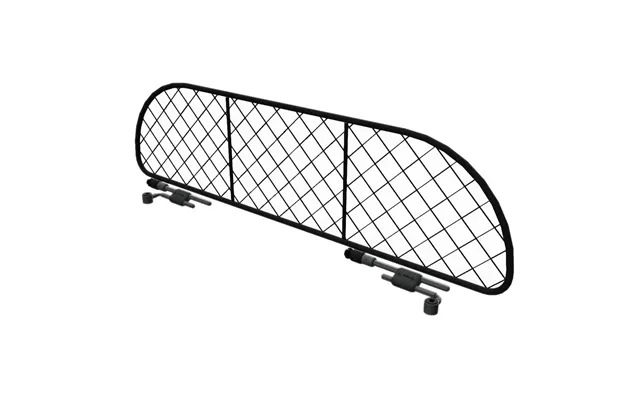
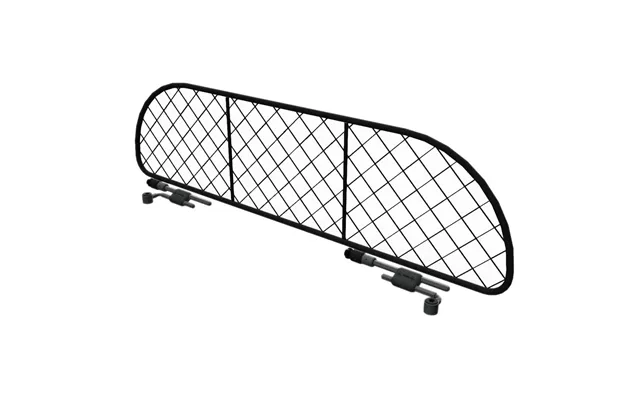
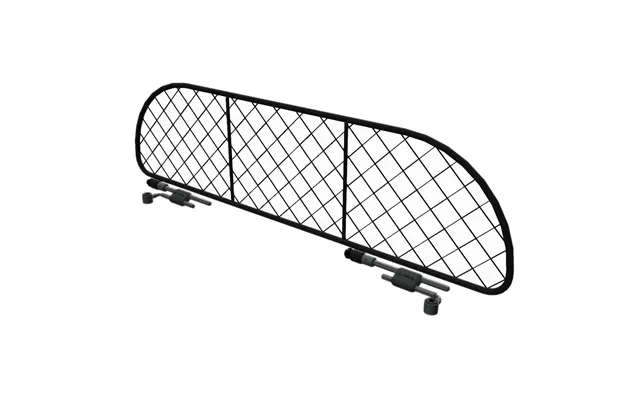
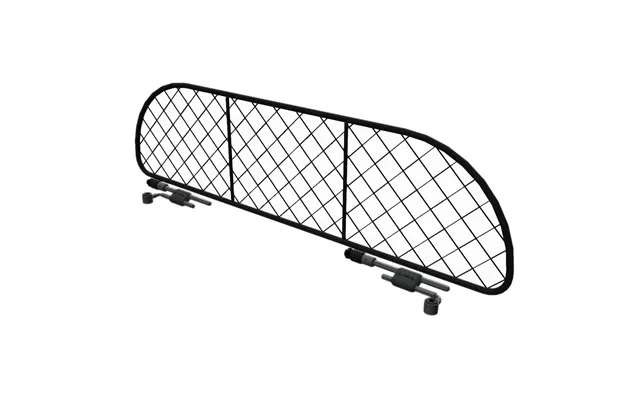
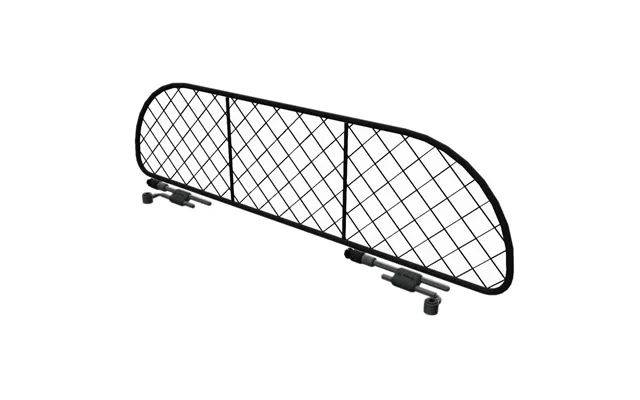
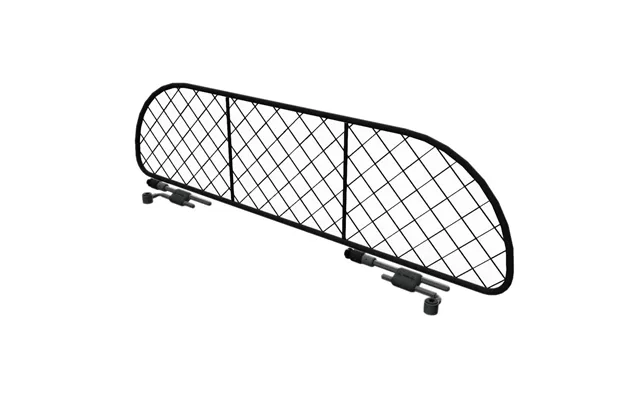
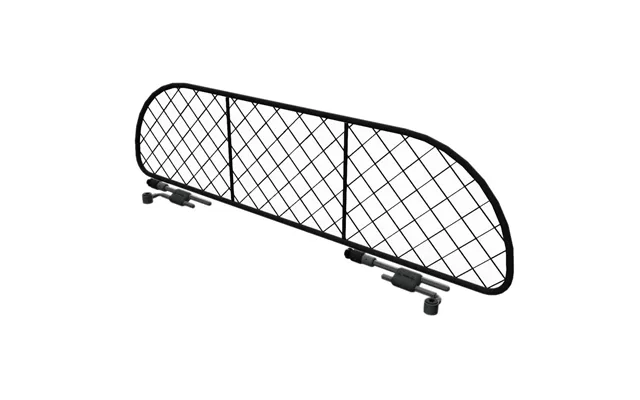
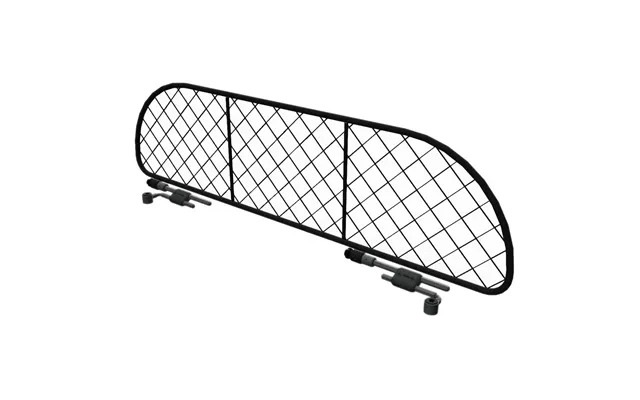
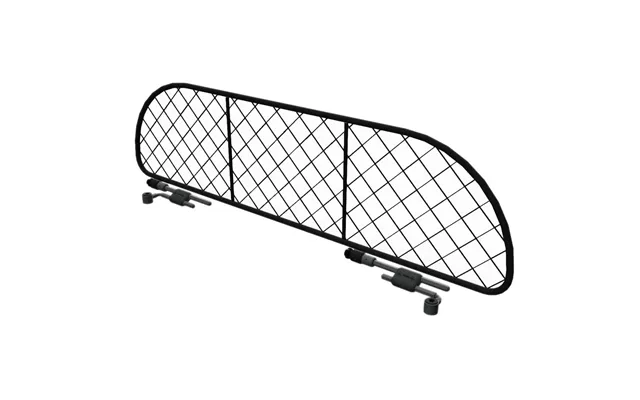
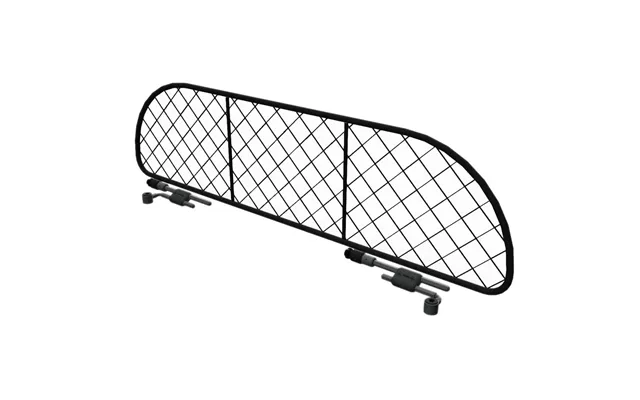
If your dog rides in the boot, a cargo area barrier creates a full-height wall between the cargo bay and the cabin. You’ll find adjustable steel grids and mesh panels that span from floor to headliner, often expanding to fit widths from about 35 in to 63 in or more. Many clamp to existing mounting points or use tension posts to brace against the roof and floor. They’re ideal for larger breeds, multiple dogs, and anyone who wants to keep fur and mud away from the seats.
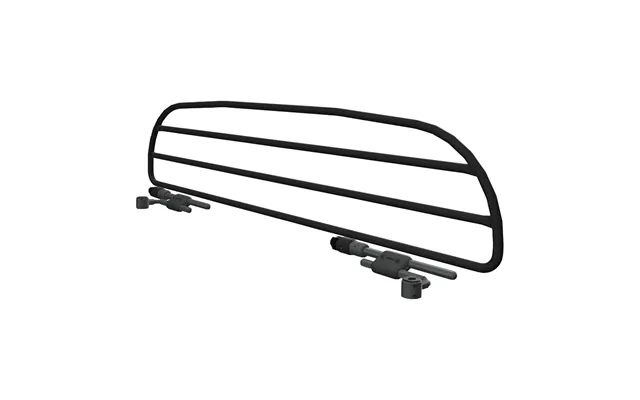
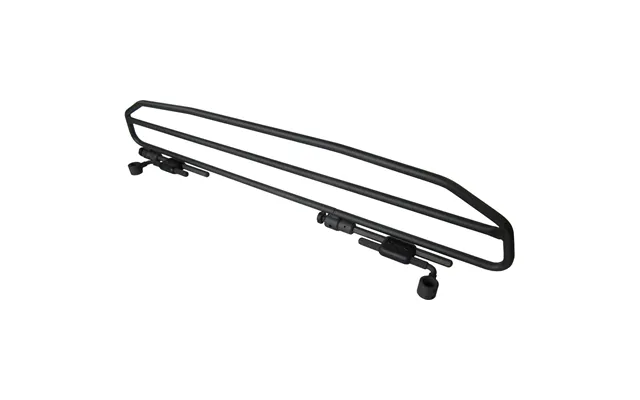
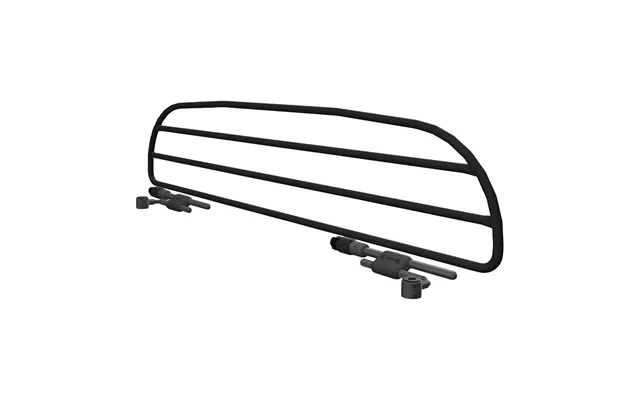
Prefer your pet on the backseat with a harness? Headrest-mount barriers and soft mesh dividers sit just behind the front seats and connect around headrest posts. They stop forward climbing without blocking airflow or rear console vents. These designs shine if you need flexible seating—think quick school runs, rideshares, or shifting between one and two backseat passengers—because they pop off in seconds and stash flat.
Universal barriers prioritize adjustability. They telescope wider or taller and include extra wings or panels to cover odd spaces. Model-specific options are engineered for a particular car, hugging contours for a near-OEM look with minimal gaps. If you swap cars often or plan to upgrade soon, universal is a smart buy. If you want the cleanest fit and a factory feel, model-specific wins—especially in vehicles with sloping rooflines or complex trim.
Not all barriers are created equal. The best ones are sturdy, silent on rough roads, and easy to remove when you need full cargo height. Focus on build quality, fuss-free installation, and how the barrier balances visibility with containment. Bonus points for scratch-resistant finishes and components that won’t chew through headliner fabric or leather seat backs.
Powder-coated steel is the benchmark for strength and longevity. Look for welded joints and thicker gauge wire grids rather than thin, flexy frames. Aluminum frameworks cut weight while staying rigid—great if you remove the barrier frequently. Reinforced polymer panels and hybrid mesh designs minimize rattles and protect passengers from hard edges, but ensure they still hold firm under sudden stops.
No one wants to drill into trim. Thankfully, many premium barriers use headrest clamps, telescoping tubes, or pressure-fit posts. Seek multi-point adjustability—width, height, and angled side wings—so you can hug pillars and fill gaps. Aim for a 10 in to 15 in range of adjustment in both directions to cover seasonal gear changes, from slim daily commutes to bulky holiday luggage.
Good barriers create a secure line without turning your boot into a bunker. A tight grid gives you a clear rear view and lets air flow freely. Look for silicone grommets, felted contact points, rubber feet, and anti-rattle collars on tension rods. These touches keep the barrier quiet over speed bumps and cobbles, and they protect delicate surfaces from scuffs.
A 5-minute measuring session saves hours of returns. First, measure the interior width at the mounting height—usually just below the headliner for cargo barriers or across the seatback for headrest units. Note the narrowest point between trim panels. Then measure height: from cargo floor to roof liner for boot barriers, or from seatback top to roof where the barrier will sit for rear-seat dividers. Record width and height in inches and compare them to the product’s minimum and maximum specs.
If your vehicle has a sloped roof or a stepped cargo floor, measure both the tallest and shortest points where the barrier might anchor. For panoramic roofs or glass sections, verify the barrier’s mounting method won’t load against the glass. As a rule of thumb, leave at least 1 in of “wiggle room” inside the barrier’s max adjustment to avoid overextending tension posts.
Compact hatchbacks often land around 50 in to 55 in wide near the headliner and 30 in to 36 in tall in the cargo area, calling for a medium barrier with narrow side wings. Family SUVs typically range 55 in to 63 in wide and 32 in to 42 in tall; full-height, heavy-duty units shine here. Saloons usually do better with headrest-mount barriers because the boot doesn’t open to the cabin—choose a divider that spans roughly 36 in to 48 in wide between front seatbacks.
Lay everything out before you start—main panel, side wings, clamps, posts, and pads—then read the quick-start guide. Dry fit the barrier loosely, confirm alignment, and only then snug the fasteners. Keep a soft cloth or thin card handy to protect trim while you nudge the frame into its final position.
Slide the clamps onto the front seat headrest posts and align the barrier frame level with the top of the seatbacks. Leave a gap of about 1 in between the barrier and the seat to prevent squeaks when the vehicle flexes. Tighten evenly, alternating sides to keep the frame square. Give it a firm tug test—if it moves more than a fraction of an inch, retighten.
Extend the vertical posts until they contact the roof liner and floor. Add protective pads at both ends. Turn the adjusters a half-turn at a time, switching sides to maintain even pressure. You want firm contact—not a jack pressing into the ceiling. Over-tightening can dent roof liners or shift under bumps. Once verticals are set, fit horizontal wings to close gaps by pillars.
Place felt dots or rubber sleeves wherever metal could touch trim. If your barrier includes anti-rattle collars, slide them snugly against joints. Revisit fasteners a week after installation; new parts settle as you drive. For leather seatbacks, add a thin seat protector behind headrest clamps to keep pressure marks at bay.
Search across comparison platforms and you’ll notice three styles leading the pack: heavy-duty steel grid barriers, lightweight mesh or fabric panel barriers, and modular systems that expand as your needs change. Each has a distinct sweet spot based on pet size, vehicle type, and how often you reconfigure your seats.
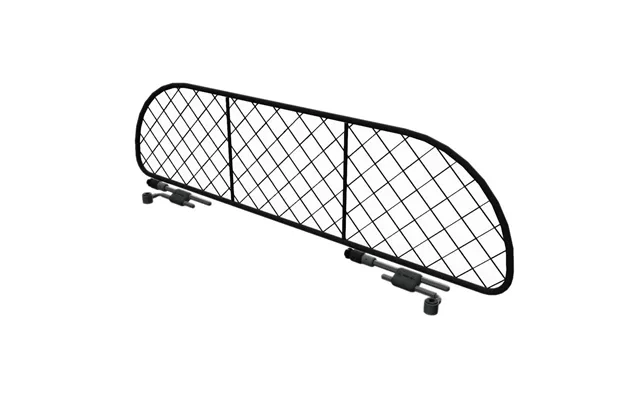
These are the workhorses for bigger dogs and frequent motorway miles. Welded steel frames with powder coat finishes resist chewing and impacts far better than flimsy alternatives. They usually span 35 in to 63 in wide with extra wings to seal the edges. If you’re carting adventure gear or you’ve got a powerful breed, start here.
Soft barriers are light, quick to fit, and kinder to interiors. Durable polyester mesh with reinforced edging can block pawing without turning your rear cabin into a cage, and the whole thing often folds flat into a seatback pocket. They’re brilliant for calm travelers, small to medium dogs, or as a backup solution for hire cars.
Modular systems let you add side wings, lower blockers, or second tiers to close gaps around unusual trim lines. They’re a smart pick if you run different setups—one dog one day, two dogs and luggage the next. With add-on pieces in 6 in to 12 in increments, you can tailor the fit to perfection without resorting to zip ties or temporary hacks.
A barrier is a big leap forward, but pairing it with the right accessories turns good into great. Think of these extras as the harness and helmet to your bicycle: small pieces that compound safety, cleanliness, and comfort with minimal effort.
If your pet rides on the backseat, a crash-tested harness connected to a seat belt tether adds critical restraint. The barrier stops forward climbing, while the harness limits sudden lunges and keeps your pet anchored. Look for wide chest plates, metal hardware, and tether lengths around 12 in to 24 in so your pet can lie down without reaching the front console.
Protect your investment with a tailored boot liner that turns post-walk cleanup into a wipe-and-go job. Add a hammock-style backseat cover if your pet sometimes rides belted in. Non-spill travel bowls and water bottles with integrated trays prevent soggy mats and keep hydration on tap during long stretches.
For nervous travelers or cats, a travel crate inside the cargo zone adds another layer of security. Measure the crate’s footprint and height first—allow roughly 2 in to 4 in clearance under the barrier’s bottom edge or around the sides for easy loading. Soft kennels shave weight and store flat, but choose rigid sides if your pet pushes when anxious.
The best barrier works hand in glove with good habits. Introduce it at home: set the barrier or divider in place, let your pet sniff, then reward with treats. Short, low-stress drives build confidence fast. The goal isn’t just to block movement; it’s to tell your pet, “This is your cozy corner.”
Lay down a familiar blanket or a mat with a non-slip underside. Reward your pet for hopping in and settling behind the barrier, then start with a 5-minute drive. Gradually extend trips, always praising calm behavior. A chew-safe toy helps dial down excitement without creating a choking hazard.
If your pet protests, pause and reset. Never open the barrier while they’re pawing—it teaches the wrong lesson. Wait for a quiet moment, then reward. If scratching is an issue, consider a soft mesh panel on the cabin side to remove the “ladder” effect of a grid, or add a lower kicker panel to reduce paw access.
Barriers are low-maintenance, but a quick routine keeps them looking fresh and performing reliably. A weekly once-over prevents minor wiggles from becoming annoying rattles, and it stops hair buildup along joints and pads.
Use a damp microfiber cloth with a mild interior cleaner to wipe grids, clamps, and pads. Check fasteners and headrest clamps for play; tighten a quarter-turn if needed. Run a vacuum crevice tool along the base and corners to clear fur that can wedge under feet and reduce grip.
After beach trips or rainy hikes, remove the barrier if possible and rinse outside with low-pressure water. Dry thoroughly, especially around welded joints. Touch up scuffs with a clear anti-rust sealant. For fabric panels, hand wash per care label and air dry flat to avoid stretching.
Don’t rely on bungee cords or DIY lash-ups. They fail when you need them most and can become dangerous projectiles. Avoid over-tightening tension rods; pressing too hard into the roof liner can leave permanent dents. And never block rear airbags or seat mechanisms—always confirm the barrier’s placement allows seats to fold and latch properly.
Another frequent misstep is leaving side gaps wide enough for a determined pet to squeeze through. If your barrier includes adjustable wings, extend them until there’s less than a paw’s width—about 2 in or less—at the tightest spot. If not, consider a modular add-on panel for a cleaner, safer seal.
Entry-level barriers are tempting, especially if you only drive short distances. You’ll typically get thinner tubing, basic mounting, and fewer anti-rattle features. They can work for small, calm pets, but active dogs will quickly expose wobbly frames and noisy joints. If road noise drives you mad, bargain options may cost more in patience than pounds saved.
Premium barriers justify their price with heavier-gauge steel, precise adjusters, and thoughtful touches like rubberized feet, felted contact points, and tool-free quick releases. They fit a wider range of vehicles, stay quiet over rough roads, and hold up to years of weekend adventures. If your pet rides often—or rides big—premium is the smarter long-term buy.
Measure twice in inches—width at the mounting height and floor-to-roof height. Confirm compatibility with your body style and headrest type. Decide whether you need quick removal, and pick mounting accordingly. Check for anti-rattle pads, protective feet, and side wings to close gaps. Consider your pet’s temperament and size: a strong, curious dog calls for steel; a calm companion may be fine with mesh. Lastly, scan user photos on comparison platforms to see real-world fits in vehicles like yours.
A well-chosen vehicle pet barrier turns every trip into a safer, calmer experience—no more surprise leaps to the front, no more wrestling with muddy paws mid-turn. Whether you favor a heavy-duty steel grid for the boot, a headrest-mounted divider for the backseat, or a modular setup that adapts to your weekend plans, today’s easy-fit designs make installation simple and removal painless. Measure carefully, match the barrier to your vehicle and pet, and add a few smart accessories for a setup that feels tailor-made. Do that, and you’ll enjoy quiet, secure, and stress-free journeys—mile after mile.
| Vehicle Pet Barriers | Price | |
|---|---|---|
| Universal Heavy Duty Mesh Dog Guard | £ 29,99 | |
| De-luxe Head Rest Mount Universal Dog Guard | £ 49,99 |