All categories
Business & Offices
Electronics & Media
Fashion & Accessories
Groceries & Essentials
Health & Personal Care
Home & Living
Kids & Family
Sports & Outdoors
Search in ZoneOffer
Loading...
If you’ve ever spent longer hunting for a pair of fabric shears than actually cutting fabric, you already know why craft organization matters. A tidy, well-structured craft space prevents duplicates, protects delicate supplies, and keeps every project rolling. Plus, when you can quickly compare prices across retailers through a trusted comparison site, you’ll spend less on storage and more on creativity. That’s a win-win for your wallet and your workflow.
Think of your craft space like a stage. If the props are in the right place, your performance (aka your creativity) shines. That’s exactly what smart storage does: it reduces friction. Whether you’re a scrapbooking wiz, a sewing enthusiast, a jewelry maker, or a multi-crafter dabbling in everything, the right organizers can transform chaos into clarity—and help you seize the best deals in the UK when you know what to look for.
While a single, universal price list doesn’t exist (prices shift by brand, size, and material), you can build your own price sense. Browse a comparison site to see typical price ranges for rolling carts, bins, pegboards, drawer units, and specialty organizers. Once you’ve eyeballed a few dozen listings, you’ll quickly spot outliers and savings. Over time, your personal price list mindset helps you pounce on offers that truly deliver value—not just flashy tags.
Pro tip: keep a simple note with rough target prices for your must-haves. Maybe you want a 3-tier rolling cart under a certain budget, a set of clear drawers within a tight range, or a wall pegboard kit that fits your space. With a reference in hand, you’ll avoid overpaying and nab deals faster.
Not all storage is created equal. The best solution depends on your supplies, your space, and how you work. Before you click “buy,” consider access, visibility, portability, and protection. Are you crafting at a desk, a dining table, or in a dedicated studio? Do you need to see everything at a glance, or are you fine with labeled drawers? The right answer is the one that makes your next session smoother and your tools easier to find.
Take out a tape measure and note the space you can dedicate to storage. Wall clearance in inches, shelf heights in inches, and floor space in feet make or break your choices. For example, a pegboard that’s roughly 24 x 48 in fits neatly above many desks, while a rolling cart around 12 to 16 in wide slides under tables with room to spare. Write down your measurements so you shop with confidence.
If you reach for markers every day, keep them on the desktop, not buried in a closet. Clear bins, see-through drawers, and open caddies shine for frequently used supplies. For less-used items—like seasonal stamps or specialty dies—stackable boxes with labels work beautifully. Accessibility now equals creativity later.
Plastic is lightweight and great for clear visibility. Metal frames add strength for heavier loads. Wood feels warm and stylish, ideal for furniture-like units in living spaces. Choose what aligns with your aesthetic and your workload. If you expect to store heavy paper stacks or jars, lean toward reinforced shelves or carts with sturdy metal frames and locking wheels.
From staple organizers to specialty solutions, here are the categories that frequently pop up with strong offers—and how to choose wisely. These are the backbone of any craft organization strategy, whether you’re optimizing a full studio or carving out a corner of your home.
A 3-tier rolling cart is a craft MVP. Look for sturdy steel or reinforced frames, shelves that hold jars or boxes without bowing, and smooth, locking casters. A compact cart around 12 to 16 in wide rolls under many desks, while a taller cart slots alongside worktables. Use tier one for tools, tier two for paints or pens, and tier three for bulk supplies like adhesives or spare blades.
Transparent bins help you spot what’s inside instantly. Choose lidded versions for dust control, especially for fabric, paper, and brushes. Tall, narrow totes are great for vinyl rolls, while shallow bins keep chipboard, ephemera, and die-cuts tidy. Stackable bins maximize vertical space on shelves—just be sure to label the short edges so you can read them at a glance.
Desktop drawers keep small tools in reach—think cutting blades, glue sticks, and washi tape. Under-desk drawer towers with 5 to 10 shallow drawers sort paper scraps by color, or hold stamp collections and ink pads. Look for smooth glides, sturdy drawer bottoms, and optional dividers. Clear fronts are a plus for quick identification.
When floor space is tight, look up. A pegboard around 24 x 48 in can hold scissors, rulers, rotary cutters, and baskets for markers or paint tubes. Wall grids with hooks and shelves manage yarn skeins, fabric fat quarters, and even mini storage baskets. Use a mix of hooks and cups to create custom layouts that evolve with your projects.
Cube storage is the chameleon of craft rooms. Pair it with fabric bins, clear inserts, or drawer cubes to sort supplies by category—one cube for paints, another for adhesives, another for fabric. Keep heavier items in the lower cubes for stability. If you’re mixing home decor with craft function, wood-grain finishes add a polished touch.
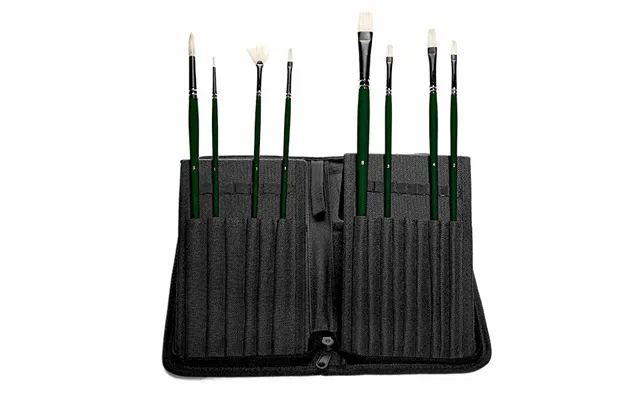
Caddies keep your MVP tools front and center. Choose multi-compartment organizers for pens, markers, tweezers, bone folders, and blending brushes. A brush holder with tiered slots keeps bristles from bending, and angled pen stands protect delicate nibs. If you often craft on the go, a caddy with a handle is a smart pick.
Some hobbies demand extra care. Here’s where specialty gear shines, helping protect your investments and keep everything sorted by project type. Tailor these to your niche—your craft is unique, and your storage should be too.
Paper prefers structure. Flat files or shallow drawers prevent curled corners, while vertical paper holders save space and make color sorting easy. Stamp-and-die binders with clear sleeves keep sets together. Consider a dedicated bin for adhesives (tape runners, foam squares, glue dots) and a rack for inks so pads sit label-out for instant color grabs.
Fabric stays neater when folded to a uniform width—use boards or simple cardboard templates to create tidy stacks that fit 12 to 14 in shelves. Thread racks keep spools visible and tangle-free, while a lidded box with divided trays corrals buttons, snaps, and needles. A rolling cart becomes a mobile sewing station: top for the machine, middle for thread and bobbins, and bottom for patterns and interfacing.
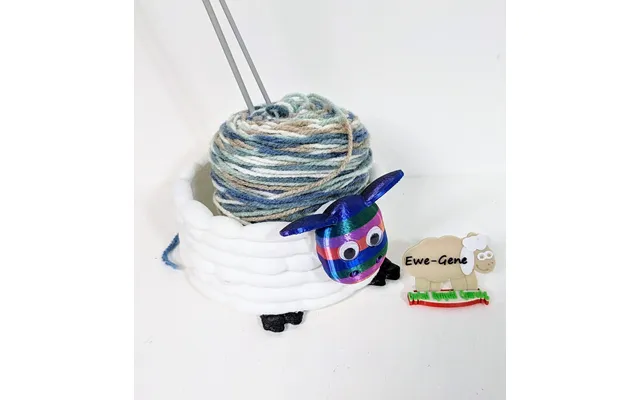
Yarn likes airflow and low dust. Open cubbies or ventilated bins work wonders. Keep hooks and needles in zip pouches near your favorite chair, and store current projects in drawstring bags so you can tote them room to room. A small basket on a rolling cart keeps everything within arm’s reach for late-night stitches.
Use a tiered paint rack so bottles and tubes are label-forward. Brush holders should keep bristles up and spaced, and a shallow drawer for palettes prevents messy stacks. Marker storage matters—horizontal trays keep ink even, and color family dividers speed up your flow. A desktop caddy dedicated to cleaning cloths and mediums saves time mid-project.
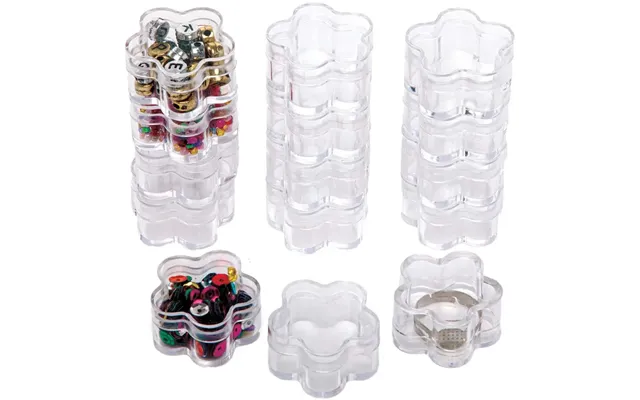
Go for clear-lidded organizers with removable cups or divided sections. Label everything—seed beads, findings, clasps, jump rings—and keep pliers and crimping tools in a separate tray for fast grabs. A non-slip mat in a shallow drawer stops tiny containers from skating around.
Good organization doesn’t have to break the bank. Budget-friendly plastic bins, simple drawer towers, and wire carts are great starters. Mid-range options add durability, smoother glides, and nicer finishes. Premium picks typically offer thicker materials, modular systems, and furniture-grade looks that blend into living spaces. Decide where quality matters most to you—heavily used items like carts and drawers often pay off when you invest a little more.
Keep an eye on multipacks of clear bins, wall pegboard bundles with hooks included, and seasonal markdowns on cube shelving. Comparison sites make it easy to spot bundle value and limited-time deals across multiple retailers without hopping from tab to tab.
Plastic is light, affordable, and often clear—perfect for visibility and small-part storage. Metal shines for frame strength (rolling carts, wall grids), resisting sag on heavier loads. Wood wins for style and long-term furniture pieces like cube units and sideboards. Many crafters mix all three: metal carts for mobility, plastic bins for visibility, and wood shelving for the foundation.
If you’ll move storage often, choose lighter carts and bins. For heavy paper stacks or ceramics, aim for metal reinforcement or thick wood shelves. Add felt pads or locking casters to protect floors and stabilize your setup.
No craft room? No problem. Go vertical with pegboards, choose narrow carts that tuck beside sofas, and use over-the-door racks for ribbons and tape. A fold-down wall desk can hide in plain sight, while a lidded ottoman doubles as seating and storage. Remember: if a tool is used weekly, keep it within arm’s reach; if it’s used monthly, store it a few steps away; if it’s rare, it can live up high or in a closet.
Create tiny “zones”: a cutting zone on the desk, a painting zone on a cart, and a finishing zone on a shelf. Even in a small area, defined zones reduce mental clutter, which makes the space feel bigger than it is.
Craft supplies are investments. Keep fabric and paper in lidded bins to block dust. Store markers and paints away from direct sun to avoid fading or drying. Use a silicone mat on your desk for messy projects to save your surface (and your sanity). If you have pets or kids, opt for latching lids and higher shelves for sharp tools and inks.
Labels are the finishing touch that makes organization stick. Use a label maker or bold, handwritten tags. Label both the front and the short edges of bins so you can read them from any angle. Keep a few blank labels in a drawer for quick updates as your collection evolves.
Want the best price without bouncing between dozens of shops? Use a comparison site to view offers for craft organization products side by side. This approach lets you scan multiple retailers quickly, spot bundle values, and track price drops. Remember, ZoneOffer is a comparison site—not a store—so you can scout deals across sellers efficiently, then decide where to buy.
When comparing, consider price per organizer, per drawer, or per shelf. A slightly higher sticker price might still be the better buy if it includes dividers, wheels, or wall-mount hardware. Read product descriptions closely to see what’s included.
Feeling overwhelmed? Use this checklist to move from cluttered to calm without overthinking it. It’s quick, effective, and easy to repeat whenever your craft stash grows.
Take everything out, group by category (paper, pens, paints, fabric, tools), then identify duplicates or items you won’t use. Donate, recycle, or repurpose what you can. Less clutter equals easier organization.
With your measurements in inches and feet, sketch a simple layout. Decide what lives on the desk, what moves onto carts, and what goes on wall storage. Keep paths clear so you can move comfortably as you work.
Pick bins, drawers, and racks that actually fit your categories. One bin for adhesives, one for cutting tools, one for finishing touches. If you run out of space, that’s useful feedback—either expand storage or trim the category.
Label everything and try a test run for a week. Notice what you reach for most and what feels awkward. Tweak locations until the flow feels natural. Organization is an ongoing, friendly conversation with your space.
Staying organized isn’t about perfection—it’s about easy resets. End each session with a 5-minute tidy: put tools back in their home, toss scraps you won’t use, and wipe the work surface. A weekly 10-minute check keeps bins, labels, and carts aligned with your current projects.
When your drawers feel tight, try a soft “one in, one out” rule for categories that tend to grow—like washi, stickers, or yarn. It’s not strict, just a nudge to avoid overflowing the system you worked hard to build.
Want a few plug-and-play combos that work in almost any space? These tried-and-true ideas help you get organized fast, even if you’re short on time or budget. Mix and match to fit your style.
Pair a compact desk with a narrow rolling cart. Desk drawers hold everyday tools; the cart carries paints, brushes, or pens. Wheel the cart in when creating and park it under or beside the desk after.
Mount a pegboard above your work surface to hang scissors, rulers, and small baskets for markers and paint. Add a small shelf for glues and finishes. It’s a vertical “command center” that keeps everything within reach.
Set up a cube shelving unit and slide in clear drawers or bins. Dedicate each cube to a craft category. Use the top surface for display or a cutting machine, with a mat stored flat in a shallow drawer below.
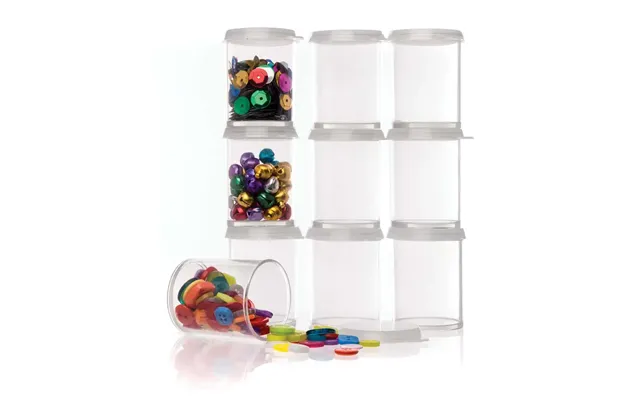
Fill clear, lidded cases with all the supplies for a single project—great for scrapbooking pages, embroidery kits, or beading sets. Stack the cases on a shelf so you can pull one and start instantly.
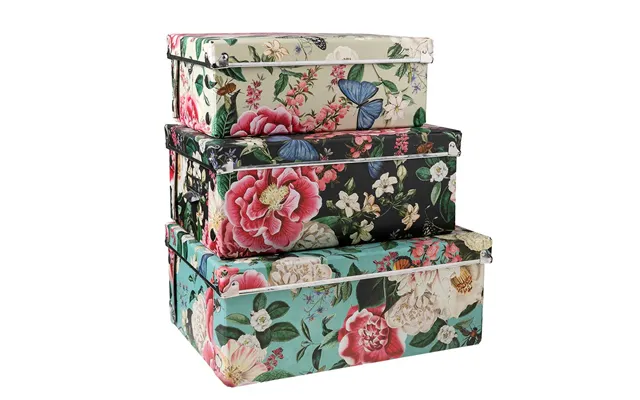
Give sturdy packaging a second life. Glass jars become brush holders, gift boxes become divider trays, and sturdy shipping boxes can be lined and labeled for seasonal storage. Buying durable organizers once beats replacing flimsy ones repeatedly—and it’s kinder to your budget and the planet.
Choose organizers you won’t outgrow in six months. Modular systems that expand as your hobby grows are often the most economical choice in the long run, even if the upfront cost is slightly higher.
Craft organization isn’t about rigid rules—it’s about building a space that invites you to create. With a little planning, smart comparisons, and the right mix of carts, bins, pegboards, and drawers, you’ll spend less time searching and more time making. Keep your measurements handy, your labels clear, and your system flexible. Deals come and go, but a well-organized craft space pays you back every single day with smoother sessions and finished projects you’re proud to share.
| Craft Organization | Price | |
|---|---|---|
| Smartphoto Diy Advent Calender Bags Black Paperclip - Set Of 24 | £ 14,99 |