


Wine Making price list
Last updated Monday, 19 Oct 2026
| Wine Making | Price |
|---|---|
| Wine - 3mm Bow X 100 | £3.80 |
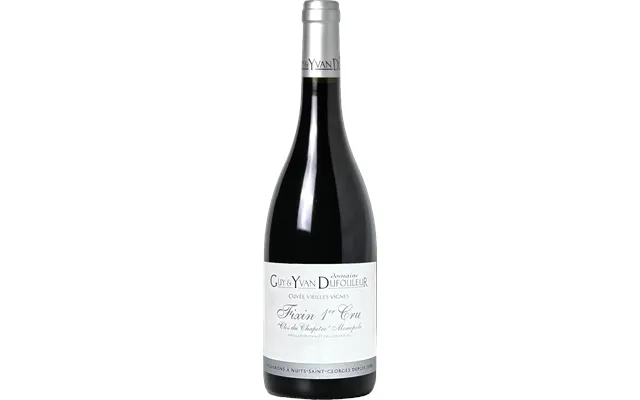
| Domaine Guy & Yvan Dufouleur Fixin Premier Cru Clos Du Chapitre Monopole 2020 | £57.61 |
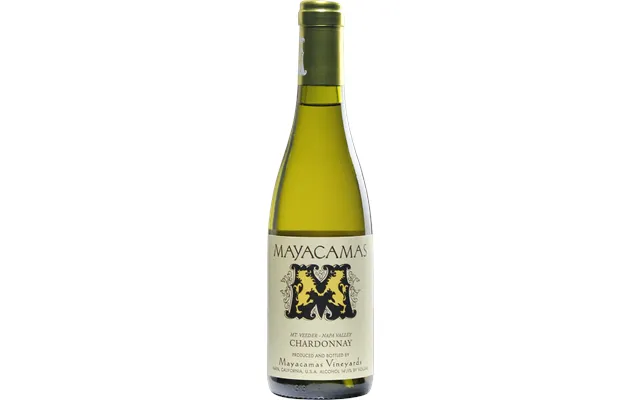
| Mayacamas Chardonnay 2021 | £80.87 |




Loading...
Last updated Monday, 19 Oct 2026
| Wine Making | Price |
|---|---|
| Wine - 3mm Bow X 100 | £3.80 |
| Domaine Guy & Yvan Dufouleur Fixin Premier Cru Clos Du Chapitre Monopole 2020 | £57.61 |
| Mayacamas Chardonnay 2021 | £80.87 |
Ever fancied popping a cork on a bottle you crafted yourself? You’re not alone. Across the UK, home wine making is seeing a lively revival, driven by a mix of savvy shoppers hunting popular offers on equipment and enthusiasts chasing that perfect glass. With quality winemaking supplies easier to compare than ever, getting started is simpler, more affordable, and a lot more fun. Whether you’re a first-time fermenter or a seasoned hobbyist eyeing premium upgrades, the right tools and ingredients make all the difference. Let’s dive into the essentials, the nice-to-haves, and the insider tips that turn ordinary batches into bottles worth bragging about.
When you’re new to wine making, the sheer variety of gear can feel like staring at a wall of grapes—where do you even start? That’s where comprehensive wine making kits shine. A solid kit bundles the core equipment into one convenient set, helping you begin your first ferment with confidence. As you compare options, look for clear value, durable materials, and compatibility with standard add-ons you might want later. The heart of any kit is the fermentation vessel (or two), plus the bits and pieces that keep your wine clean, safe, and on track to taste great.
A beginner-friendly kit usually includes a food-grade fermentation bucket (often around 6-7 gallons to handle a 5-gallon batch with headspace), an airlock and bung, a siphon or auto-siphon, tubing, sanitizer, a hydrometer with test jar, a thermometer, and a bottling wand. Many also include corks, a basic hand corker, and a small pack of additives. Some kits come paired with a wine ingredient pack (juice concentrate plus yeast and clarifiers), letting you go from box to bottle without extra shopping. If you’re nervous about the learning curve, don’t be—these kits are designed to flatten it.
Stepping up a level, advanced kits might add a 5-gallon glass carboy for secondary fermentation, a sturdier floor corker for smoother bottling, an in-line bottle filler, and sometimes a refractometer for quick gravity checks. Expect better tubing, sturdier clamps, and upgraded racking canes that resist kinks. If you’re aiming for clearer wine, look for kits that include a fining agent variety pack. Are these extras strictly necessary on day one? Not at all. But if you know you’ll stick with the hobby, they’ll save time, reduce waste, and help you scale to more ambitious recipes.
Think of fermentation gear as your winery’s foundation. Quality buckets, carboys, and demijohns don’t just look the part; they safeguard your wine against oxygen, contamination, and temperature swings. The best choices balance sturdiness with ease of handling, especially when you’re lifting full vessels—remember, a 5-gallon carboy weighs north of 40 pounds when full. Strong handles, reliable caps, and tight-sealing bungs are small details that pay off batch after batch.
For most home winemakers, a 5-gallon batch is the sweet spot. It yields about 25 bottles, fits standard equipment, and keeps ingredient costs manageable. Start with a 6-7 gallon bucket for primary fermentation to allow for foamy activity, then transfer to a 5-gallon glass carboy or demijohn for secondary. Prefer smaller test runs? One-gallon demijohns are brilliant for experimenting with different yeasts, oak levels, or fruit blends—plus they’re easier to store in a cupboard. If you’re tempted by larger volumes, make sure you’ve got the space and back strength to move them safely.
Airlocks and bungs don’t get much glory, but they’re your wine’s bodyguards. They let CO₂ slip out while blocking oxygen and airborne nasties. A couple of spare airlocks is smart because you’ll always want a clean, ready-to-go backup. Three-piece airlocks are easy to disassemble and sanitize; S-shaped versions are simple and consistent. Silicone bungs grip better than many rubber ones and resist cracking. For the price of a coffee, you’re buying peace of mind for months of fermentation.
Imagine yeast as your hardworking workforce. Feed them well, give them the right conditions, and they’ll transform juice into wine with precision. But different strains bring different personalities—fruity esters, crisp finishes, or lush mouthfeel. Meanwhile, nutrients and additives keep the process smooth and the final glass polished. Once you understand this trio, recipe design becomes a playground instead of a puzzle.
Wine yeast is not one-size-fits-all. Pick a strain suited to your grape or style: a crisp strain for dry whites, a robust fermenter for bold reds, or an aromatic enhancer for fruit-driven rosés. Some strains thrive around 65-72°F, while others prefer slightly warmer conditions—so match your yeast to the room you’ll ferment in. If you’re crafting country wines with berries or flowers, look for clean, neutral strains that let the fruit shine. A small selection of packets on hand gives you flexibility when inspiration strikes.
Fining agents clear haze and smooth rough edges. Gelatin, isinglass, and kieselsol/chitosan blends are common choices, each with its own timing and method. For structure, powdered tannin can lift body in lighter wines, while oak chips, cubes, or spirals bring vanilla, spice, and gentle toast without the cost or space of barrels. Want a subtle kiss of oak? Start with a light toast for a week or two, taste, and adjust. Remember: it’s easier to add more than to dial it back.
Good winemakers measure, great winemakers measure consistently. A simple toolkit puts you in control: track sugar levels, manage temperature, and monitor acidity and sulfites to keep spoilage at bay. With a few reliable instruments, you swap guesswork for data—and your wine rewards you with predictable, repeatable results.
A hydrometer is the classic workhorse, showing specific gravity so you can gauge fermentation progress and estimate alcohol. Pair it with a test jar to avoid wasting wine. A refractometer is handy for quick checks on small samples, especially pre-fermentation. Temperature matters more than many beginners think—aim for a steady 65-72°F for most wines unless your yeast prefers differently. A stick-on thermometer strip for your carboy or a digital probe in the room gives you instant feedback.
pH meters provide a clearer picture than test strips, helping you dial in stability and freshness. While not mandatory on day one, a reliable pH meter is a smart upgrade if you plan to age wines longer. For sulfite additions, a simple test kit lets you avoid both underdosing (risking oxidation) and overdosing (muting aroma). Aim for the Goldilocks zone—just right for protection, but never harsh.
Bottling is where your hard work becomes real. The trick is to make it smooth, clean, and oxygen-light. With the right kit—think a sturdy corker, a consistent bottling wand, and properly sanitized bottles—you’ll turn a potentially messy day into a satisfying finale. A little planning avoids last-minute scrambles.
Standard 750 mL bottles are common, but if you prefer imperial-only thinking, think in terms of yield: a 5-gallon batch gives roughly 25 standard bottles. If you want to serve casually, keep a few 375 mL half bottles around for tastings or gifts. Hand corkers work fine for small batches; for multiple cases at once, consider a floor corker for speed and consistent depth. If you’re bottling country wines or easy drinkers, crown caps with a capper are a budget-friendly alternative—just make sure your bottles are designed for caps.
Cleanliness is king. No-rinse sanitizers make life easier, but follow contact times and keep concentrations exact. Store a spray bottle of sanitizer on bottling day to hit anything that touches wine—wands, tubing, bungs, even your hands when needed. Off-flavors usually trace back to poor sanitation, not ingredients, so think of sanitizer as the guardian of your wine’s aroma and clarity.
Not everyone has a vineyard in the back garden—and that’s okay. You can make stellar wine from high-quality juice, frozen must, or concentrate. Ingredient kits tailored for a 5-gallon batch bundle grape juice, yeast, stabilizers, and finings into a predictable, repeatable package. Want more control? Seek out fresh grapes in season, or grab juice buckets that let you choose yeast and additives yourself. There’s no single “best” path—just the path that suits your space, budget, and curiosity.
Fresh grapes offer the romance and control of crush and press, but they require space and equipment like a crusher and, ideally, a small press. Juice buckets skip the heavy lifting and let you get fermenting fast. Concentrate kits are the most convenient, ship and store well, and still deliver impressive results—especially when you pay attention to fermentation temperatures and oak additions. If you like to experiment, try splitting a 5-gallon batch into five 1-gallon demijohns and vary the yeast, oak, or tannin. It’s like a flight of wines, but made by you.
Short on space? You can absolutely make wine in a flat or a snug home. The key is vertical thinking and smart storage. A closet or under-stairs nook can hold a 5-gallon carboy, while a sturdy shelf anchors bottles neatly. Collapsible or stackable crates keep clean bottles dust-free. When not in use, your siphon, hydrometer, and airlocks fit into a small lidded tote. And if a 5-gallon batch feels too big, work in 1-gallon demijohns—same process, smaller footprint.
Fermentation creates CO₂, so give your setup some ventilation and avoid sealed cupboards. Keep temperatures steady with simple tricks: a water bath to buffer swings or a small space heater to hold a steady 68°F in winter. Label everything clearly—date, gravity readings, and any additives—so you don’t lose track when your “winery” shares space with everyday life. A tidy, compact routine beats a sprawling, chaotic one every time.
Here’s the straight talk. Spend on three things: fermentation vessels that seal well, accurate measuring tools, and a decent corker. These improve quality and cut frustration. Save on extras that you can upgrade later—oak alternatives, fancy bottles, or a press you’re not yet using. Keep an eye out for popular offers on bundles, which often price a carboy, siphon, and sanitation set lower than buying individually. Comparison sites help you spot real value versus flashy packaging.
Most wine-making hiccups trace back to a handful of missteps. First, rushing. Give your wine time to finish fermenting and clear; bottling early traps sediment and off-flavors. Second, sloppy sanitation. If it touches your wine, it needs to be properly cleaned and sanitized—every time. Third, poor temperature control. Swinging from chilly nights to warm days stresses yeast and muddles flavor. Fourth, oxygen exposure. Splashing during transfer or leaving headspace invites oxidation. Finally, skipping measurements. A quick gravity or pH check can save a batch. Good habits taste like better wine.
Hunting for value? Comparison sites like ZoneOffer make it easier to scout the UK market for winemaking supplies, ingredient kits, and seasonal discounts. Instead of jumping between dozens of pages, you can compare prices, features, and availability side by side. That’s especially handy when you’re weighing a starter kit against a custom build, or picking between carboys, corkers, and yeast packs. Keep a shortlist, watch for price drops, and pounce when the right bundle aligns with your wish list. Smart shopping means more budget left for grapes—or that oak spiral you’ve been eyeing.
Want to level up fast? Make tasting notes at every stage, from juice to bottle. Keep your racking gentle and your tubing clean. Try a split-batch experiment to learn what oak level or yeast you prefer. Use a small dose of tannin on lighter fruit wines to add backbone. Keep spare bungs and airlocks on hand; they’ve got a habit of vanishing on transfer day. And don’t forget patience—most wines taste better after a few months resting cool and dark, out of direct light, ideally around a steady 55-60°F if you can manage it.
Ingredient kits remove guesswork, which is why they’re top picks for new and busy winemakers. When comparing kits, look at grape variety, expected body (light, medium, full), oak level, and target alcohol. If you love a crisp, clean white, go for a kit known for bright acidity and restrained oak. Prefer full-bodied reds? Choose a kit that includes skins for richer tannin and color. Check the timeline too: some fast-track kits bottle in about 4-6 weeks, while premium kits may take 6-8 weeks plus extra clearing time. Match the kit to your patience and palate.
If you’re keen to work with fresh grapes, a small hand-crank crusher and a tabletop press open a whole new chapter. They’re not essential for concentrate or juice buckets, but for grape lovers they’re a joy. Plan your workflow: crush into a 6-7 gallon primary, ferment on skins for reds, then press and move to your 5-gallon carboy. Keep your hydrometer and thermometer close, and don’t forget extra sanitizer—you’ll use it. Start modestly, learn the rhythm, then scale up if the harvest bug bites.
Once bottled, treat your wine kindly. Aim for a steady, cool spot around 55-60°F, away from direct light and vibrations. Store bottles on their sides if you’re using traditional corks to keep them moist. If you used caps or synthetic closures, upright storage is fine. Label clearly with the vintage, variety, and bottling date. Even a simple country wine can gain polish with a couple of months’ rest; bigger reds often blossom after 6 months or more. Patience isn’t just a virtue—it’s flavour in the bank.
Home wine making doesn’t have to be complicated. With a well-chosen kit, a few carefully selected upgrades, and some easy habits—cleanliness, consistent temperature, and basic measurements—you’ll produce bottles that make you proud. From budget-friendly concentrate kits to ambitious fresh-grape projects, there’s a path for every space and wallet. Keep an eye on popular offers, compare before you buy, and invest where it counts: solid fermentation gear, dependable tools, and ingredients that match your style. In a few weeks, you’ll be holding a glass of your own handiwork, and that first sip will make every careful step worth it.