

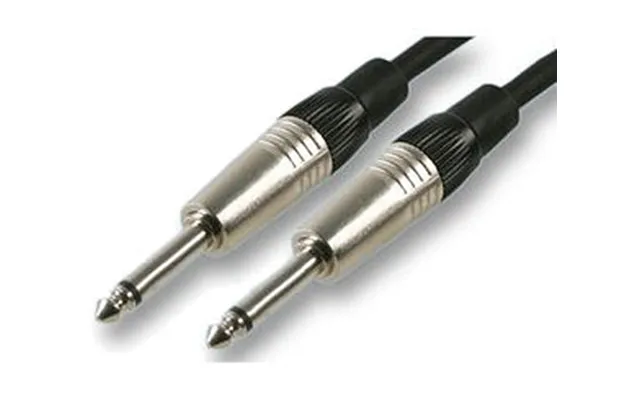
Musical Instrument Amplifier Accessories price list
Last updated Monday, 19 Oct 2026
| Musical Instrument Amplifier Accessories | Price |
|---|---|
| 0.5m Guitar Lead 1 4 Inch Jack To Jack Patch Cable | £6.00 |





Loading...
Last updated Monday, 19 Oct 2026
| Musical Instrument Amplifier Accessories | Price |
|---|---|
| 0.5m Guitar Lead 1 4 Inch Jack To Jack Patch Cable | £6.00 |
Ever plug in, hit a chord, and feel like something’s missing? It’s rarely just the amp. The little extras—your cables, stands, covers, power solutions, and tone tools—shape how your amplifier behaves, sounds, and survives the road. That’s why amplifier accessories aren’t “nice-to-haves”; they’re the backbone of a reliable rig. Whether you’re a guitarist, bassist, keyboardist, or a multi-instrumentalist, the right accessories can make your setup cleaner, quieter, easier to move, and far more consistent. In the UK, popular offers and price lists change quickly, so it pays to know what you need, what to skip, and how to compare the market before you spend. Ready to tighten up your tone and your budget?
Hunting for the best price can feel like playing whack-a-mole—one minute a deal pops up, the next it’s gone. That’s why checking a comparison site like ZoneOffer is so helpful. It isn’t a store; it’s a place to compare prices and spot genuine bargains across multiple retailers. For amplifier accessories, pay attention to seasonal bundles, clearance on last year’s models, and price drops on essentials like stands, covers, pedal power, and high-quality cables. When a price list catches your eye, scan beyond the sticker price—look for warranty info, bundled extras, and delivery costs. If you’re patient and comparison-savvy, you’ll stretch your budget while upgrading the gear that truly impacts your sound and workflow.
Let’s start with the lifeblood of your signal: cables. For instruments, you’ll usually want a 1/4 inch TS cable. Keep a couple of lengths handy—say, a 10 ft for most gigs and a 20 ft when stages are bigger. A right-angle plug can save stress on your jack if your guitar’s output is on the side. For amp to cabinet, always use a proper speaker cable—never an instrument cable—because speaker lines carry far more current. Look for robust jackets and a sensible gauge; beefier cable (think lower AWG numbers) tends to be more durable for speaker runs. For headphones and small devices, a 1/8 inch adapter or cable keeps practice time quiet and neighbor-friendly.
Pedalboards thrive on tidy wiring, and low-profile patch cables are your secret weapon. Short lengths—6 inch to 12 inch—help reduce clutter and the risk of hum. If your amp uses a series effects loop, consider short, high-quality cables for send and return to maintain clarity. Angle your plugs wisely around pedal switches to prevent accidental stomps. Premium patch leads may cost more up front, but the payout is fewer failures on stage and less noise in your signal chain. That calm you feel when everything just works? That’s the magic of good cabling.
Clean power makes a bigger difference than most players realize. A solid surge protector can shield your amp from nasty spikes, and a power conditioner adds extra filtering to reduce hiss and buzz. If you run multiple pedals, an isolated pedal power supply is a game-changer—isolated outputs help kill ground loops and hum. Some players add a compact backup battery pack for small rigs or busking sessions; just make sure it’s designed for audio use and delivers clean power. Label your power cables and keep spares on hand. It’s not glamorous, but it’s gig-saving.
In the UK, fused plugs and grounded connections are common, which is great for safety—but you still need to be mindful. Use grounded outlets when possible, avoid daisy-chaining cheap adapters, and keep power and audio cables crossing at right angles to reduce noise. If you bring gear from abroad, use quality adapters made for audio, not bargain-bin travel widgets. And remember: if a power accessory promises the world but looks flimsy, it probably is. Go reliable over flashy every time.
Can a simple stand improve your tone? Absolutely. Lifting your amp off the floor and angling it toward your ears means you hear details at lower volumes. Tilt-back devices or adjustable stands prevent you from blasting the front row just to hear yourself. For recording or apartment practice, isolation pads decouple the amp from the floor, cutting boomy resonance and neighbor complaints. Look for stands that support your amp’s footprint—measure the width and depth in inches—and ensure the weight rating is comfortably above your amp’s weight. Stability beats ultra-light any day of the week.
Playing out every weekend? Go for a folding stand that sets up fast and rides well in the boot. If you record at home, a heavier studio stand with micro-adjustments can be worth it for precise placement and repeatability. Think about height range, tilt angle, and any safety locks. Rubberized contact points are great for grip, but check they won’t react with your amp’s tolex. A tidy, repeatable amp position is one of those small wins that add up to big confidence on stage and in the studio.
Your amp is an investment; treat it like one. A padded cover keeps dust off and protects against scuffs when you’re shuttling gear from car to venue. For heavier travel, flight-ready hard cases with foam lining are worth the outlay—measure your amp in inches, leave space for handles, and don’t forget vent clearance. If your combo or cabinet is a backbreaker, add removable casters. Look for heavy-duty wheels, sturdy plates, and locking mechanisms that won’t rattle mid-set. Bonus: a good cover also helps your amp look tidy and professional on any stage.
Channel switching by hand mid-song? No thanks. A good footswitch designed for your amp turns channel jumps, boost toggles, and effects loops into effortless moves. Many amps use a 1/4 inch TRS footswitch; others require proprietary connections. Check your manual and compatibility before buying. If your amplifier or rig supports MIDI, a compact MIDI controller can recall presets for channels, effects, and reverb levels in one stomp. It’s the difference between juggling tap dances and focusing on the performance. Label your switches clearly so you don’t hit the wrong one under pressure.
Wireless foot controllers and Bluetooth-style devices are increasingly practical for smaller stages and studio control. The key is reliability—stable connections and sensible power management. Keep a wired backup in your bag just in case, and do a dry run at soundcheck. If your amp supports external control jacks, you can combine a wireless MIDI brain with traditional 1/4 inch footswitch inputs for a hybrid approach that’s flexible and fail-safe.
Love cranked tube tone but not the volume? An attenuator lets you push your amp’s sweet spot while keeping stage levels sane. Reactive load boxes go further by replacing the speaker with a safe load, so you can record silently or send a polished signal to front of house. Many modern units include cabinet simulations or impulse response (IR) loading for ultra-realistic speaker tones. The golden rule: match your gear properly. Follow the amp and accessory ratings printed on the units, use genuine speaker cables for connections, and read the manual before you unleash the beast. Done right, these tools are a shortcut to huge tone at friendly volumes.
Before switching on, double-check connections at both ends, confirm your load matches the amp’s rated output, and use a proper speaker cable for any speaker-level path. Keep ventilation clear, start with conservative volume, and listen for odd noises. If anything smells hot or sounds wrong, stop and reassess. It’s better to lose a minute than fry a transformer.
Tubes are living, breathing components—they drift, wear, and eventually fade. Keep a spare set of preamp and power valves on hand, and learn the signs of tired tubes: volume dips, increased noise, or harshness. Some amps are fixed-bias, others are adjustable; if yours needs adjustment when swapping power tubes, consider tech service unless you’re trained. Cooling matters too. A quiet fan or better airflow can extend tube life, especially in tight racks or hot stages. A little maintenance now prevents breakdowns later, and that’s priceless when you’ve got a crowd waiting.
Ground loops and hum can turn a great set into a headache. A quality hum eliminator or isolation transformer on your pedalboard or effects loop can tame the buzz without killing your tone. Noise gates help with high-gain rigs, but set them gently to preserve dynamics. Keep power supplies isolated, route signal and power separately, and avoid running long unbalanced lines when a balanced solution or DI would be cleaner. Small tweaks, big improvements.
Capturing a great amp sound is part art, part accessory. A sturdy short boom stand and a reliable mic clip help you place a dynamic mic inches from the cone without sag or slip. Reamp boxes let you record a clean guitar track, then send it through your amp later to experiment with tones—super handy in small UK flats where loud tracking isn’t always practical. For fast setups, a load box with built-in cabinet simulation or IRs gives you mix-ready tones without waking the neighbors. Want consistency? Mark mic positions on a piece of gaffer tape and note distances in inches for recall later.
Late-night woodshedding? A headphone out or a compact headphone amp connected to your rig with a 1/8 inch jack can keep practice silent and productive. Some modern amp accessories offer cabinet simulation on the headphone feed, making it feel more like a real speaker than a harsh direct signal. Add a simple aux-in for backing tracks, and you’ve got a portable practice studio that fits in a backpack. It’s the perfect way to keep chops up between gigs.
Guitar players aren’t the only ones who benefit from smart accessories. Bassists should look for heavy-duty speaker cables, robust stands, and pedal power that handles high-current preamps. Keyboardists often rely on clean power strips and DI solutions to keep wide-frequency sounds pristine. Acoustic players benefit from feedback busters, lightweight stands, and reverb or chorus pedals powered by quiet, isolated supplies. Universal wins include protective covers, modest-sized boards for essential pedals, and sturdy instrument cables that can handle repeated plugging without crackles.
If you play outdoors, a battery-powered amp with a dedicated battery pack or a clean portable power station is a lifesaver. Keep your setup minimal: a short 1/4 inch cable, a small reverb or looper, and a secure stand. Charge fully before you head out, bring a spare power lead, and consider a compact cover if UK skies threaten a sprinkle. The goal is reliability without lugging half your living room across town.
When you’re browsing price lists for amplifier accessories, don’t just chase the lowest tag. A comparison site like ZoneOffer helps you see the bigger picture across multiple retailers, but value is about total ownership: build quality, warranty, return friendliness, extras in the box, and how the item fits your rig. For cables, look for strain relief and solid connectors; for stands, check weight ratings and locking features; for power, favor isolated outputs and proper surge protection. Read user reviews with a critical eye—does the reviewer’s use case resemble yours? If not, weigh their experience accordingly. Smart shopping is strategic, not impulsive.
In the UK, you’ll see rolling discounts around bank holidays, late autumn sales, and end-of-line clearances. Keep a short wishlist, set alerts, and pounce when the right bundle appears. If a deal looks too good to be true, compare across sources and verify specs. Prioritize the linchpin accessories that raise your rig’s reliability—power, cabling, and protection—then expand into tone tools, wireless, and recording aids when the perfect offer pops up.
Amplifier accessories are the humble heroes behind every great gig and recording session. From the silent strength of a reliable power setup to the immediate impact of a smart stand or an isolating pad, these tools elevate your tone, your consistency, and your confidence. In the UK, popular offers come and go quickly, so comparing prices and reading the fine print pays off. A comparison site like ZoneOffer helps you scan the market fast—it’s not a store, but it points you to the right one at the right time. Dial in the essentials, add the tone shapers that match your style, and you’ll have a rig that’s dependable, flexible, and ready for any stage or studio you step into.