





All categories
Business & Offices
Electronics & Media
Fashion & Accessories
Groceries & Essentials
Health & Personal Care
Home & Living
Kids & Family
Sports & Outdoors
Search in ZoneOffer
Loading...
When you see a category called “Riding Toys – Other,” it usually points to all the fun ride-on options that don’t neatly fit into just bikes or standard scooters. Think foot-to-floor cars, wiggle cars that zoom by wiggling the steering wheel, rocking horses, hopper animals, balance bikes, pedal go-karts, push cars with parent handles, and even convertible scooters with seats. In short, it’s the treasure chest of kid-powered mobility—everything that helps little ones scoot, glide, bounce, and roll their way to better balance and confidence.
Riding toys are perfect for toddlers taking their first “wobbly-but-proud” steps toward independence and for older kids craving speed and steering practice. If your child can sit up, push with their feet, or steer a simple handle, there’s a riding toy tuned to their stage. You’ll find options for indoor play on hardwood or carpet and sturdier gear for park paths and garden patios. The beauty here? There’s a ride for every age, personality, and space.
Let’s be honest: choosing a riding toy can feel like picking a first car. You want it to look cool, ride smoothly, be a safe fit, and last longer than a growth spurt. Here’s how to zero in on the right one without overthinking it.
Start with fit, not just age. Check seat height and reach. A toddler using a foot-to-floor ride-on should be able to place both feet flat on the ground, with knees slightly bent. For balance bikes, most kids do well when seat height is roughly 1 to 1.5 inches below their inseam, giving them a confident stance. Toddler-friendly seat heights often start around 10 to 12 inches, while bigger kids may need 14 to 18 inches depending on their inseam. If you’re between sizes, choose adjustability so the toy grows with your child.
Look for stable wheelbases, non-slip footrests, smooth edges, and steering limiters that prevent jackknife turns. For any ride-on that can pick up speed—go-karts, scooters with seats, or even zippy wiggle cars—helmets are a must. Brakes should be simple, sturdy, and easy for small hands or feet to use; coaster brakes and step-on rear brakes are common on kid-friendly designs.
Plastic bodies tend to be lighter and great for indoor play, while metal frames add durability for parks and pavements. If you’re choosing a rocking toy, look for solid wood or robust plastic with well-secured handles. For balance bikes or go-karts, sturdy steel or aluminum frames can take a beating and keep rolling. Always check the finish—paint or coatings should be smooth and scratch-resistant.
Wheels change everything. Soft, wide wheels roll quietly indoors and grip nicely on wood floors. For outdoor adventures, larger and slightly firmer wheels offer better glide and control. Foam or rubber tires are low-maintenance, while air-filled tires cradle bumps and give a cushy ride. If your child loves speed, choose a wheel setup that matches your surface: smoother wheels for indoor track-like floors, grippier tread for pavement and paths.
No space for a full-size go-kart? Foldable or compact designs win the day. Convertible scooters with removable seats save space and extend usability, while lightweight balance bikes are easy to carry up stairs. Bonus points for handlebars that tuck in or removable parent handles on push cars, making hallways less of a zigzag obstacle course.
With so many riding toys out there, it helps to know which types fit your child’s age, personality, and play space. Here are the standout categories parents keep coming back to.
These are toddler favourites for a reason. Kids sit and push along with their feet, practicing balance and coordination without the complexity of pedals. Look for models with under-seat storage (kids love hauling treasures) and protective bumpers. For indoor use, seek softer wheels that won’t mark floors. For outdoors, slightly larger wheels smooth out uneven paths.
Wiggle cars move by gently turning the steering wheel side to side—no pedals, no batteries, just physics and giggles. They’re brilliant for indoor hallways and smooth patios. Stability is key: a broad wheelbase and supportive seat keep the ride confidence-boosting, not scary. If your child loves the thrill of fast glides, this might be their new favourite “race car.”
Classic rocking horses bring timeless charm, while modern bouncing animals (or hopper balls with handles) add a playful cardio element. Choose rocker bases with anti-tip designs and handholds. For bouncers, check weight limits and opt for thick, durable materials. These are fantastic for rainy-day energy bursts when outdoor rides aren’t in the cards.
When toddlers want independence but still need guidance, push cars or trikes with parent handles hit the sweet spot. Look for adjustable, detachable handles, safety harnesses, and footrests for younger riders. Many models transition from parent-steer mode to kid-powered pedals or foot-to-floor motion, stretching their useful life nicely.
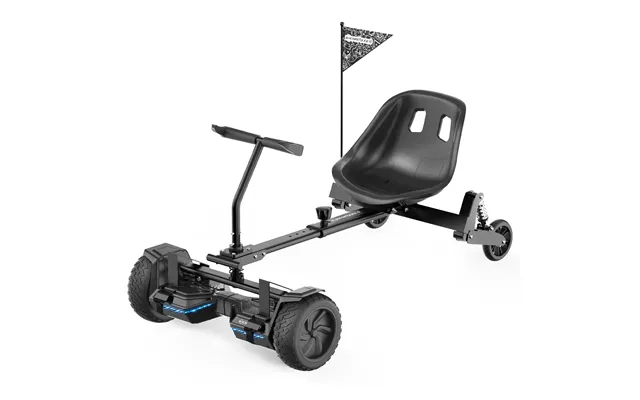
For bigger kids craving adventure, pedal go-karts offer speed, steering skills, and outdoor excitement without the charging cables. Prioritize sturdy frames, responsive handbrakes, and adjustable seating. Go-karts with larger wheels handle grassy patches and park paths better, while lower-slung models feel zippier on smooth surfaces.
Yes, they belong in the “other” riding toys conversation because they’re often the bridge between simple ride-ons and pedal bikes. Balance bikes teach steering and balance without training wheels. A lightweight frame, tool-free seat-height adjustments, and comfortable grips make the learning curve smooth. Many kids skip training wheels entirely after mastering a balance bike.
These clever rigs start as sit-down ride-ons and convert to standing scooters as your child grows. They’re space-savvy and budget-friendly because you’re getting two stages in one. Pay attention to steering (lean-to-steer is beginner-friendly), deck grip, and a reliable foot brake for standing mode. When the seat pops off, ensure storage is simple and parts don’t go missing.
Fit makes or breaks the ride. Use these quick guides to dial in the right size and feel confident with your choice.
For toddlers, seats often start around 10 to 12 inches and can adjust up to roughly 16 inches for early preschoolers. Bigger kids may need 16 to 20 inches depending on their inseam. Test by having your child sit down and place both feet flat. If their knees are locked straight, the seat is too high. If their knees are squashed up tight, it’s too low or the frame is too small.
Always check the stated weight capacity. Many toddler ride-ons support up to 44 to 55 pounds, while sturdier balance bikes and go-karts can handle 66 pounds or more. You’ll want at least a 10-pound buffer beyond your child’s current weight for safety and longevity. For bouncers and rockers, make sure the base won’t flex or shift under load.
Manual toys vary by rider effort and surface. Indoors on smooth floors, wiggle cars can feel surprisingly quick. Outdoors, pedal go-karts on paved paths can cruise at a brisk kid pace. If you’re considering powered ride-ons, typical top speeds stay child-safe—often in the low single-digit miles per hour—so kids can master steering without scary acceleration. Helmets are still essential for any ride that can glide faster than a walking pace.
Both have a place, and the right choice depends on your child’s age, space, and temperament. Let’s break it down so you can pick with confidence.
Powered ride-ons shine for kids who love pretend play—think “driving to the shop,” honking, and flipping switches. They’re wonderful for larger patios or flat driveways where a steady, safe pace is fun. Look for parent remotes on beginner models, seat belts, and smooth start features to prevent jolts. If your child wants the sensory thrill of lights and sounds, these tick the boxes.
Manual ride-ons—balance bikes, go-karts, foot-to-floor toys—excel at building real-world coordination and strength. They’re lighter, easier to store, and you never have to remember to charge them. If your space is limited or you prefer a ride that’s exercise-forward and maintenance-light, manual wins. Bonus: kids usually transition from manual toys to pedal bikes faster, thanks to the balance and steering practice.
Your floors and outdoor surfaces matter more than you might think. Matching the toy to your space means smoother rides and fewer scuffs.
For indoor floors, softer or rubberized wheels roll quietly and protect wood. On carpets, look for slightly larger wheels that won’t bog down. Outside on pavement, firmer wheels or air-filled tires give better control. If you’re hitting mixed surfaces—say, patio stones plus grass—choose wider tires to avoid sudden stalls that can unsettle new riders.
UK weather can change in a blink, so plan for dry storage. Keep ride-ons indoors or in a shed to protect bearings, bolts, and fabrics. After rainy play, wipe down metal parts to reduce the chance of rust and squeaks. If your model folds or the handle comes off, stash it in a hallway corner or under the stairs to keep it handy without tripping over it.
Let’s keep safety practical and doable. No fear-mongering—just the habits that genuinely make a difference.
A properly fitted helmet is non-negotiable for any ride involving speed, steering, or outdoor surfaces. It should sit level on the head, low on the forehead—about two finger-widths above the eyebrows—and the straps should form a snug “V” under the ears. For faster rides or rougher surfaces, consider knee and elbow pads. Teach the habit early so there’s no fuss later.
Before each ride, scan for hazards: wet leaves, loose gravel, toys on the floor, or cluttered hallways. Set clear boundaries—no steep driveways, no near-road play, and no riding toward steps. For multi-kid households, remind everyone to leave “safe passing space” so collisions don’t happen during the excitement.
Small upgrades can make a big difference in how much your child uses and loves their ride-on. Pick the ones that match your child’s style.
Kids adore personalizing their rides. Add a bell for cheerful “coming through!” moments, a small front basket for treasure hunts, or under-seat storage if the toy supports it. Reflective stickers are a simple way to boost visibility when the sun starts to dip, especially in autumn afternoons.
Check whether wheels, seats, or grips are replaceable. Swapping worn grips or upgrading to softer tires can make an old ride feel brand new. If the toy has a parent handle, confirm it’s easy to remove when your child graduates to independent riding. A little modularity extends a toy’s life span dramatically.
Prices vary widely depending on materials, brand, and features. You’ll see affordable indoor ride-ons, mid-range balance bikes and trikes, and premium go-karts or convertible sets that grow with your child. A clear price list helps you weigh must-have features against nice-to-haves, so you don’t overpay for bells you don’t need.
Think of a price list like a map: it shows the spread from budget to premium, and the “popular offers” are landmarks where value meets demand. Comparison platforms such as ZoneOffer help you scan current deals across multiple retailers in one place, spot seasonal discounts, and track how prices shift over time. That way, you can zero in on a smarter buy without hopping between dozens of sites.
Sales often pop up around school holidays and year-end gifting seasons. If you can wait, set alerts and keep a shortlist ready. For spring and summer riding, shop early to avoid stock bottlenecks. If you’re eyeing a fast-selling colour or a model with specific features (like a parent remote on a powered ride-on), a timely buy prevents disappointment.
Just a few minutes of care here and there can stretch a toy’s life by years—and keep rides smooth and squeak-free.
After outdoor play, dust off dirt and grit before storing. Wipe frames with a damp cloth and dry metal parts to ward off rust. For indoor wheels, a quick wipe keeps them floor-friendly. Fabric seats or straps? Spot-clean promptly so stains don’t set. Make it a fun ritual—kids love “tune-up time” when they’re part of the crew.
Every few weeks, do a 2-minute check: tighten visible screws, ensure wheels spin freely, and test brakes if present. Replace worn grips for better control and comfort. If you notice wobble or play in the steering, tighten the headset or consult the manual. Keeping tools handy—like a small wrench and screwdriver—makes fixes painless.
Choosing well-made riding toys isn’t just good for your wallet—it’s better for the planet. Durable toys get passed down, shared, and resold, reducing waste and spreading the joy.
Opt for sturdy frames, replaceable parts, and adjustable seats. Neutral colours can boost resale appeal, while scratch-resistant finishes keep things looking fresh. Multi-stage toys that convert from sit-down to standing modes cover multiple growth stages with one purchase, cutting down on clutter and extra spending.
Keep the original manual and small parts in a labeled bag so the next family can use the toy safely. A quick clean and a photo taken in good light helps you resell quickly. And if selling isn’t your thing, donate locally—community groups and nurseries are often thrilled to give gently used ride-ons a second life.
Every child develops at their own pace, but these general pointers can help you home in on a great fit fast.
Choose stable foot-to-floor ride-ons with supportive seats and easy steering. Rockers and soft bouncers are brilliant for indoor play. Look for wheels that won’t mark floors and handles sized for tiny hands. Keep the seat low—often around 10 to 12 inches—so they can plant both feet and go.
Consider balance bikes, wiggle cars, and beginner scooters with seats. Parent-steer trikes transition nicely to independent pedaling. At this stage, add a helmet habit and start exploring wider outdoor spaces like smooth park paths.
Pedal go-karts, larger balance bikes, and convertible scooters without seats become exciting. Focus on stronger frames, adjustable components, and reliable brakes. If your rider is fearless, steer them toward sturdy wheels and grippy tires for controlled fun.
Readiness isn’t just age—it’s about balance, coordination, and confidence. If your child walks steadily, enjoys pushing toys, and shows interest in steering, they’re ready for a simple ride-on. If they can scoot and glide with control, a balance bike or wiggle car could be the next big step. Keep the progression gradual and celebrate small wins—those first 5 feet of independent roll are magic.
Buying too big “to grow into” is the classic trap. If they can’t reach comfortably or control the steering, they won’t ride, and that’s money parked in the corner. Skipping the helmet is another one—set the habit early and make it part of the excitement. Lastly, ignoring wheels and surfaces can backfire; match the tires to your main play area and you’ll get smoother rides and fewer tears.
Riding toys are more than playthings—they’re confidence machines. Whether your child is discovering balance on a foot-to-floor car, flying down a hallway on a wiggle car, or mastering steering on a pedal go-kart, the right pick turns everyday moments into mini adventures. Use fit and safety as your compass, consider how and where you’ll ride, and compare offers to land a solid value. With a smart choice today, you’ll set up months—maybe years—of proud smiles, growing skills, and happy laps around the garden.
| Riding Toys - Other | Price | |
|---|---|---|
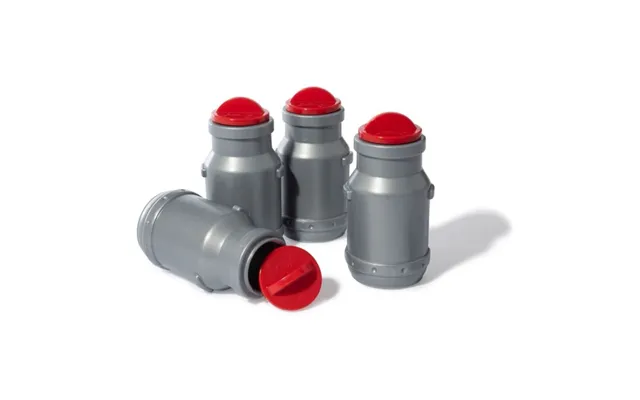
| Rolly Milk Churns | £ 12,99 | |
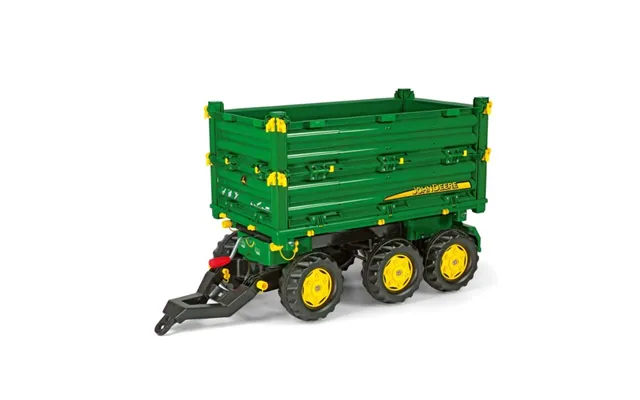
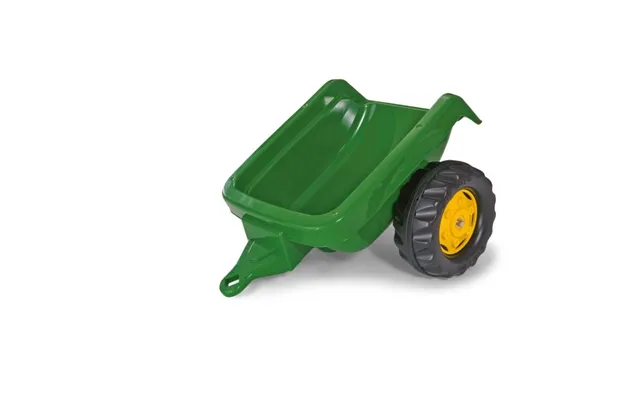
| Rolly Kid Trailer - Green | £ 21,33 | |
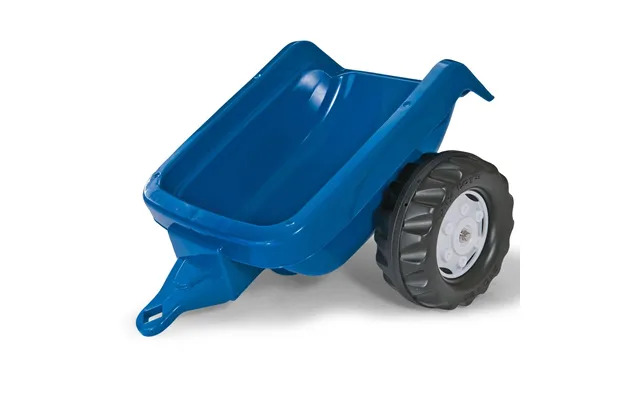
| Rolly Kid Trailer - Blue | £ 21,33 | |
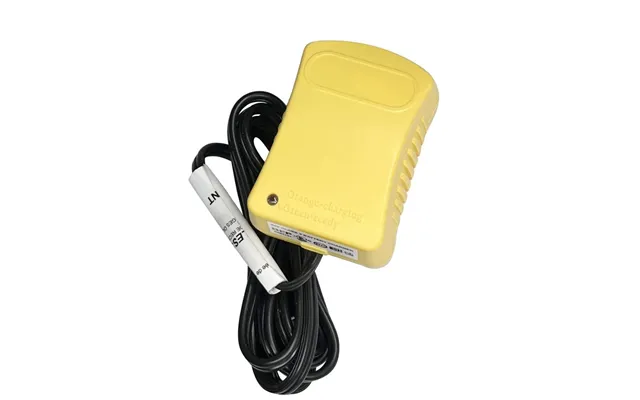
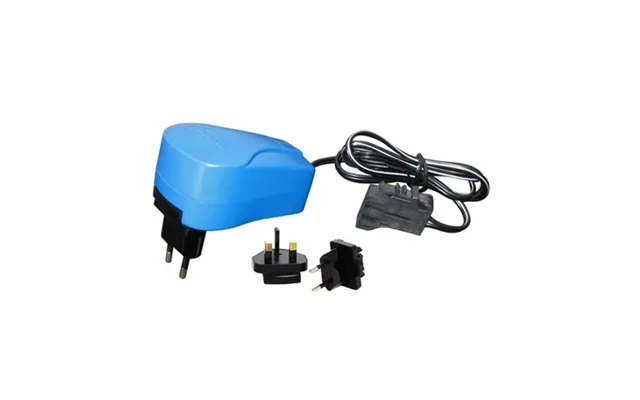
| Peg Perego Official 6v Replacement Battery Charger With Jack | £ 27,97 | |
| Peg Perego Gator Front Wheels - Set Of 2 | £ 34,14 | |
| Peg Perego 24 Volt Battery Charger | £ 34,90 | |
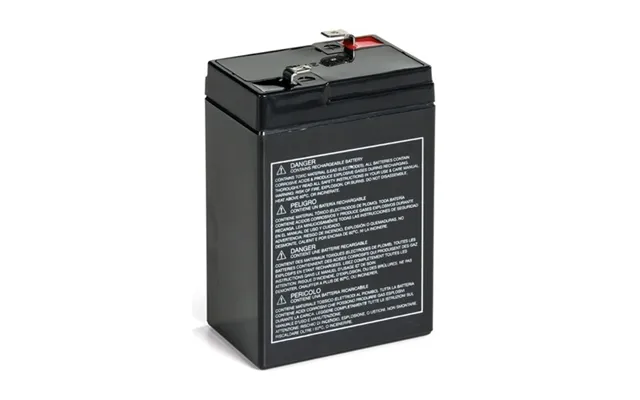
| Peg Perego Official 6v - 4.5 Ah Replacement Battery With Jack | £ 40,- | |
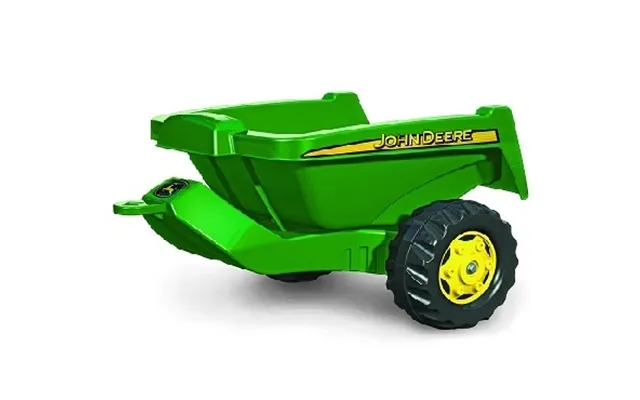
| Rolly John Deere Tipping Trailer - Single Axle | £ 51,29 | |
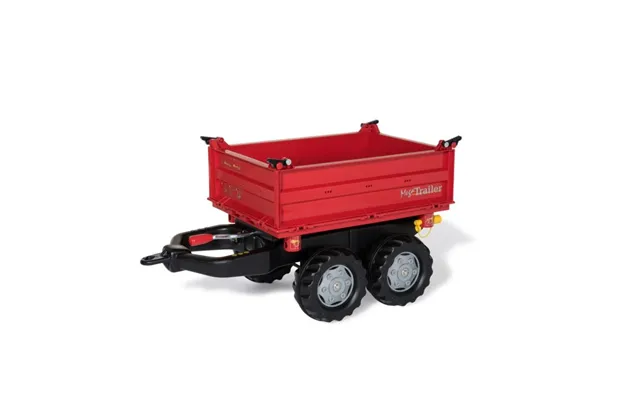
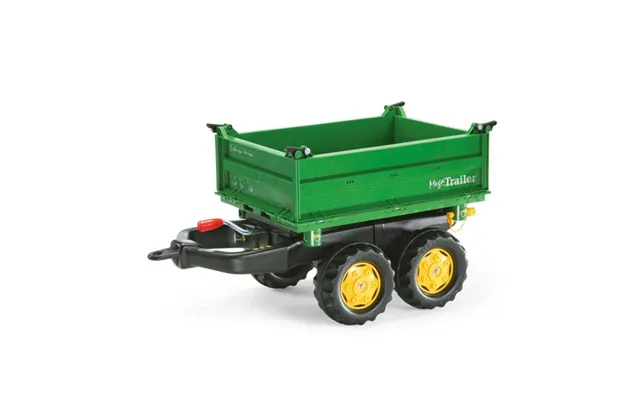
| Rolly Mega Trailer - Red | £ 113,39 | |
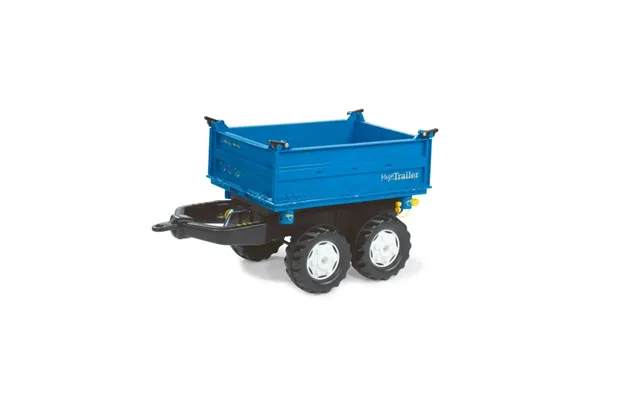
| Rolly Mega Trailer - Blue | £ 117,89 |


