All categories
Business & Offices
Electronics & Media
Fashion & Accessories
Groceries & Essentials
Health & Personal Care
Home & Living
Kids & Family
Sports & Outdoors
Search in ZoneOffer

Loading...
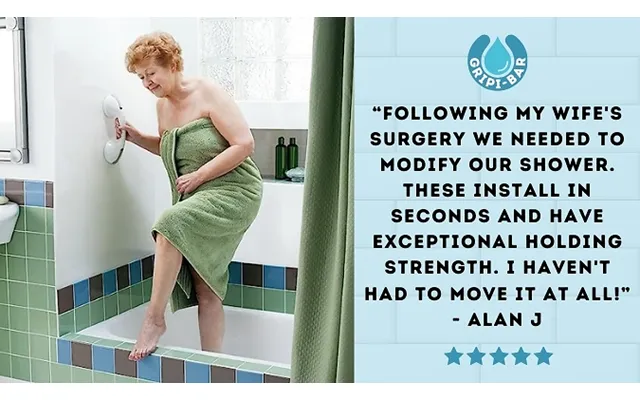
Slips in the bathroom happen in a heartbeat, and the floor or tub doesn’t care how careful you usually are. That’s where bathroom grab bars step in. Think of them as the seatbelt of your bathroom—simple, unobtrusive, and essential when you need a steady hand. Whether you’re supporting a senior loved one, recovering from surgery, or just want extra stability on wet tile, a well-placed grab bar can turn a slippery zone into a safe space. The best part? Modern safety grab bars don’t look clinical anymore. You can find sleek, design-forward options that blend right into your bathroom without broadcasting “medical equipment.”
Safety aside, grab bars also add confidence. That confidence translates into independence—being able to step into a tub, transition from sitting to standing, or move across a wet floor without fear. When you consider the potential cost and stress of a fall, installing a sturdy bar is one of the smartest upgrades you can make.
Need a quick snapshot? Grab bars provide anti-slip support in the shower, tub, and around the toilet; reduce the risk of falls on slick tile; assist with standing, sitting, and pivoting; and deliver peace of mind for caregivers and family. They’re built for strength—many are rated to support 250 lb to 500 lb when properly installed—and are available in lengths from compact 12" models to extra-stable 48" rails. From permanent wall-mounted bars to temporary suction solutions, there’s a version for nearly every bathroom and every budget.
All grab bars share the same goal—stability—but the right style depends on where you’re installing and who’s using it. Don’t worry, you don’t need to be a contractor to figure this out. Once you understand a few core types, matching a bar to your bathroom becomes a no-brainer.
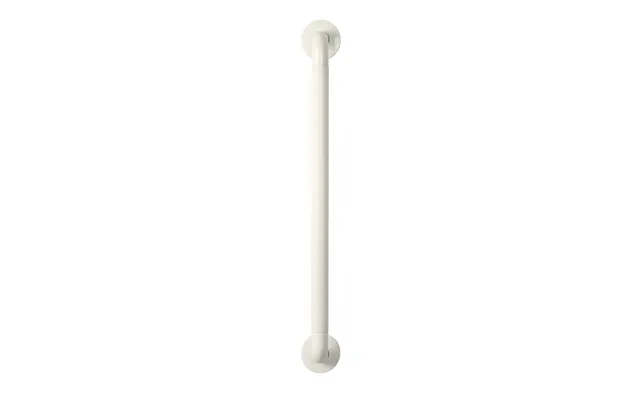
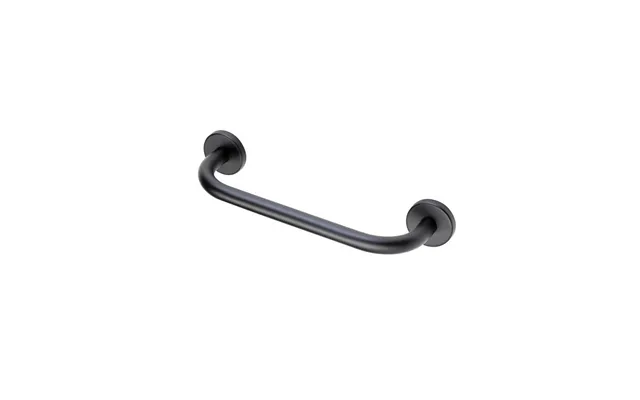
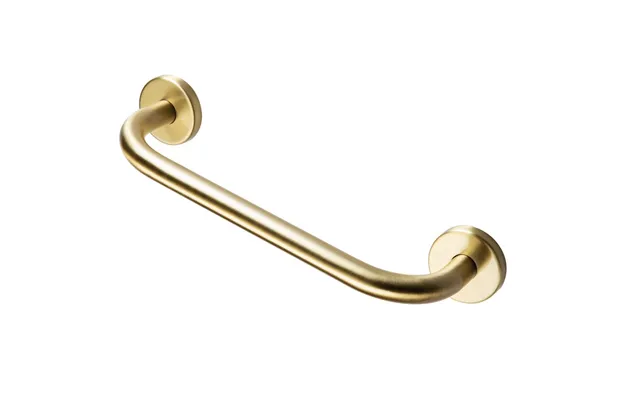
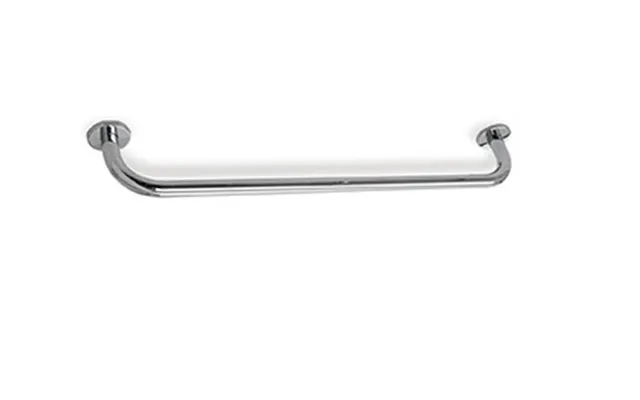
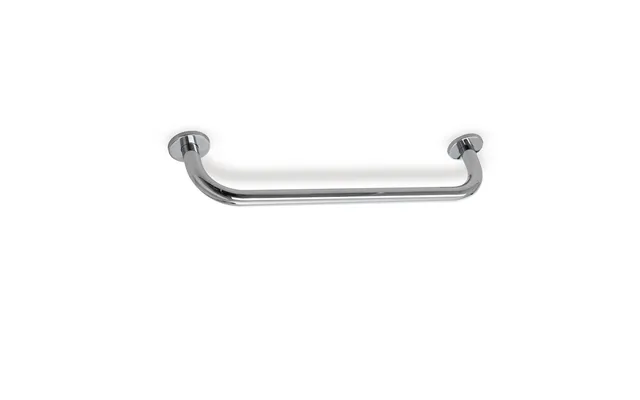
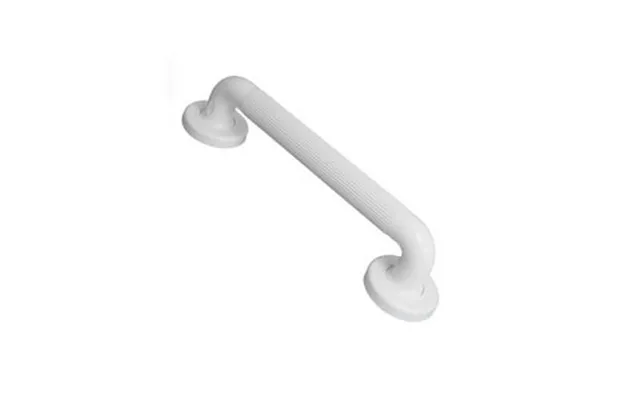
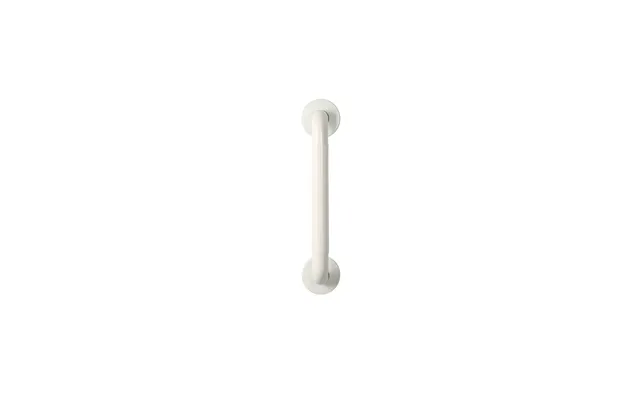
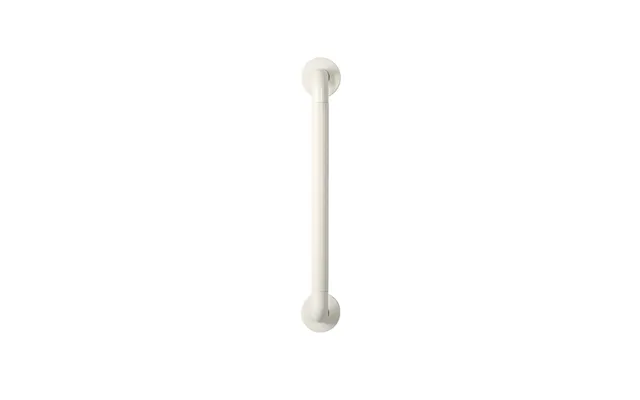
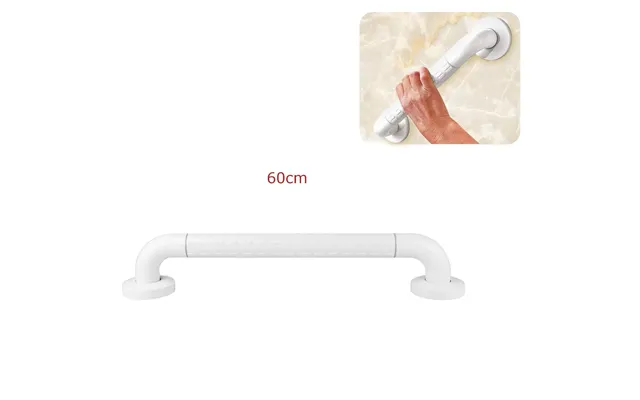
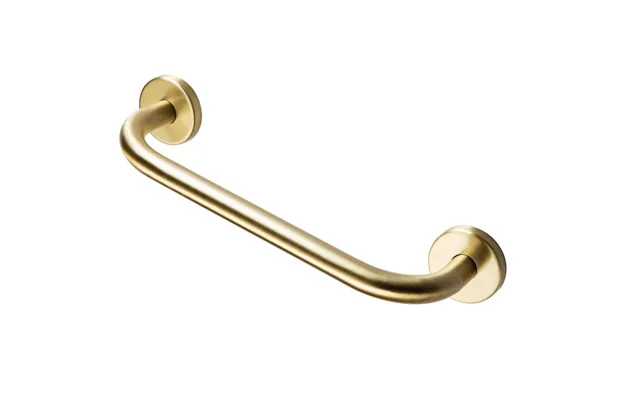
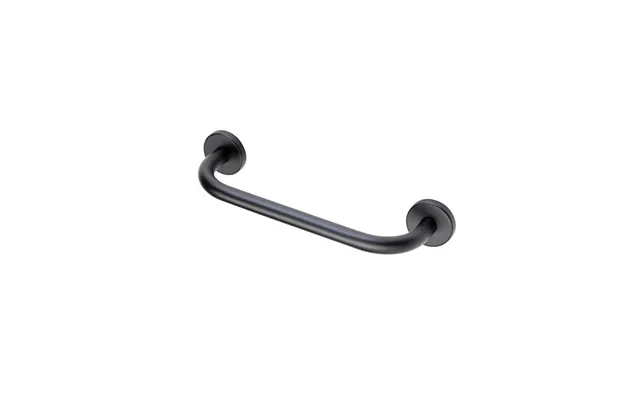
Straight grab bars are the classic choice. They come in lengths like 12", 16", 18", 24", 32", 36", and 48", and they mount horizontally, vertically, or diagonally. Horizontal bars help with balance and sliding transfers, vertical bars are great near entry points for a firm “hand-over-hand” grip, and angled bars (often 45°) are a clever compromise that support both pulling and pushing motions. If you’re outfitting a shower wall or a long bath side, a 24" to 36" straight bar is a strong go-to. For smaller spaces or tight corners, 12" to 18" bars fit neatly without cluttering your design.
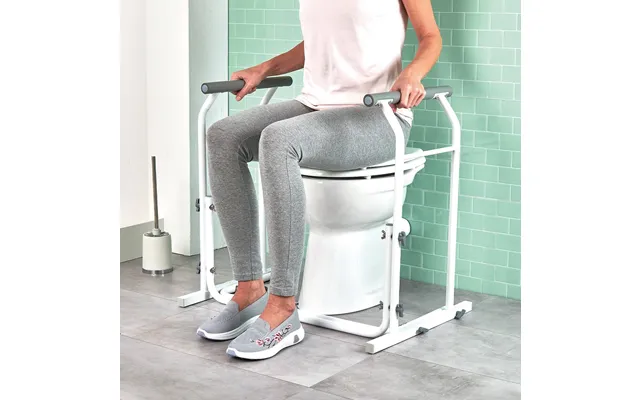
Flip-up rails (also called fold-down grab bars) are heroes in compact bathrooms or beside toilets where space is at a premium. Mounted on a wall or sturdy plate, they swing up when not in use and drop down for solid support when you need it. If someone requires help standing from a seated position, a flip-up rail on one or both sides of the toilet can make a world of difference. Look for models with a positive locking mechanism and a load rating of at least 250 lb for dependable, daily use.
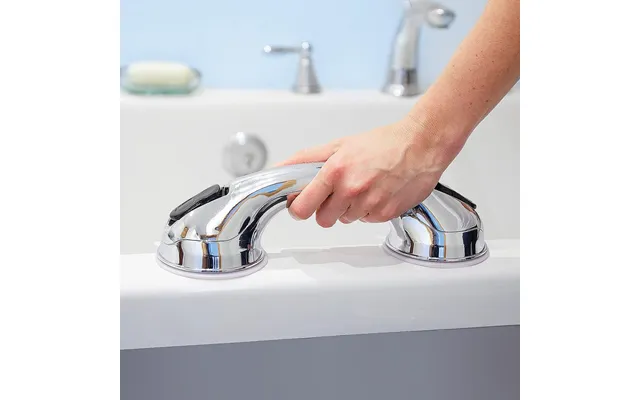
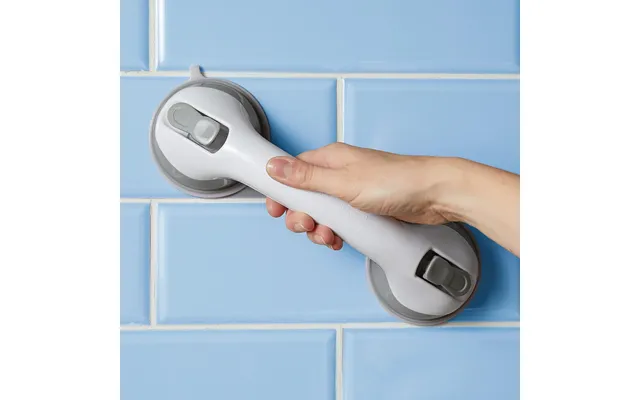
Renting? Renovating soon? Suction grab bars give you flexible, tool-free support. They’re easy to reposition and ideal for short-term use, travel, or as a confidence booster where drilling isn’t possible. That said, they must be installed on smooth, non-porous, non-textured surfaces and rechecked regularly. Suction bars are not a replacement for a properly anchored, wall-mounted bar—think of them as a supplement. If you need a reliable, permanent solution, go drill-mounted into studs or with approved anchors.
Grab bars work hard, endure moisture, and need to look good doing it. Materials matter because they affect grip, durability, and corrosion resistance. The right finish also helps your bar blend with faucets, shower frames, and handles so your bathroom feels coordinated, not cobbled together.
Stainless steel is the gold standard for strength and rust resistance. It’s ideal for steamy showers and daily use, especially in coastal areas where humidity and salt can be tough on metal. Aluminum is lightweight and corrosion-resistant, making it a smart match for modern, minimalist designs. ABS and other high-grade plastics offer a warm-to-the-touch feel; they’re great in colder bathrooms and are often found in budget-friendly or decorative options. Whichever you choose, make sure the bar is rated for at least 250 lb—and higher if needed—and verify the mounting hardware matches the wall type you’ll be drilling into.
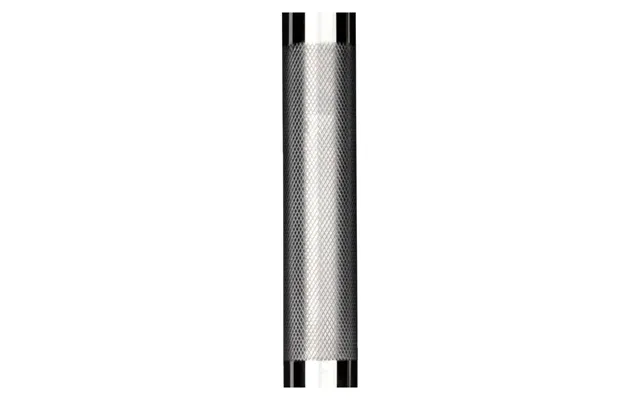
Grip texture is the unsung hero of grab bar safety. Knurled finishes have a cross-hatched pattern that bites gently into your palm, boosting traction when your hands are soapy. Peened finishes offer a subtle, matte texture without looking industrial. Some bars include soft-grip sleeves or molded grips that feel comfortable and secure, especially for folks with limited hand strength. If you’re outfitting a primary shower, a textured grip can be the difference between “nice to have” and “rock-solid” support.
Getting the size and placement right is where safety turns into confidence. Choose the bar length based on the space you want to span and the motion you need to support—climbing over a tub edge, steadying on a slippery floor, or pushing off from a seated position. The diameter matters too: 1.25" to 1.5" is a sweet spot for most hands, offering a secure, comfortable grip without strain. If dexterity is a challenge, lean toward the thicker end for easier grasping.
For showers, 24" to 36" bars mounted horizontally on the back wall give stable, continuous support. For step-in points, a 12" to 18" vertical bar beside the entry offers a secure grab as you step over the curb. Around tubs, a 24" to 32" bar works well along the long side, while a 12" to 16" vertical bar near the faucet wall helps with balance. For toilets, consider a 16" to 24" bar mounted horizontally or a flip-up rail for multi-directional support. Again, aim for a 1.25" to 1.5" diameter to keep the grip comfortable.
While specific needs vary, many professionals recommend mounting horizontal bars roughly 33" to 36" from the finished floor for standing support, and 36" to 42" near toilets depending on user height and reach. In tub-shower combos, a vertical bar near the entrance at about 39" to 48" helps when stepping in and out. The key is to position the bar so your wrist and forearm remain neutral—no awkward angles that force overreaching. If you can, test a temporary position with painter’s tape before drilling. It’s a simple trick that helps you fine-tune the perfect placement.
If you’re handy with a drill, installing a grab bar can be a satisfying project. But the stakes are high—these bars must hold up during slips, not fail when you lean on them. If in doubt, call a professional. A pro knows how to find studs, choose the right anchors, and ensure the bar is truly load-bearing. It’s not just about the hardware; it’s about confidence every time you grab on.
Studs are your best friend. Aim to anchor at least two screws into solid wood studs spaced 16" on center. Use a stud finder and mark carefully. For tile, run painter’s tape over the drill spots to help the bit bite, and use a carbide or diamond-tipped bit sized for your anchors. For fiberglass surrounds, use specialized hollow-wall anchors or an approved mounting system designed for thin walls. Masonry walls call for masonry anchors sized to the manufacturer’s specs. Tighten all screws firmly, then recheck after 48 hours as materials settle. Always follow the bar’s load-rating instructions—your safety depends on it.
After installation, give the bar a firm tug in all directions. No wobble, no creaks—that’s your benchmark. Wipe the bar after showers to reduce moisture spots, and clean with mild soap to preserve finishes. Every couple of weeks, check for loosened screws or suction cups (if you’re using a temporary bar). If someone new begins using the bathroom—say, after an injury—reassess the placement. Sometimes moving a bar by 2" transforms comfort and usability.
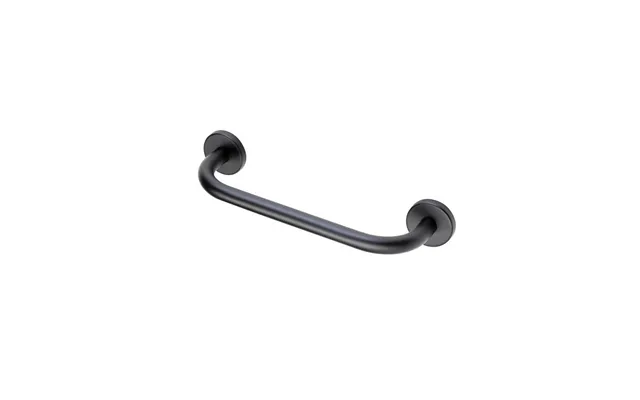
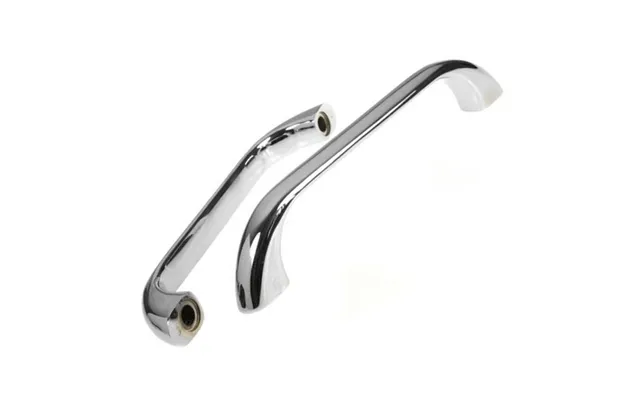
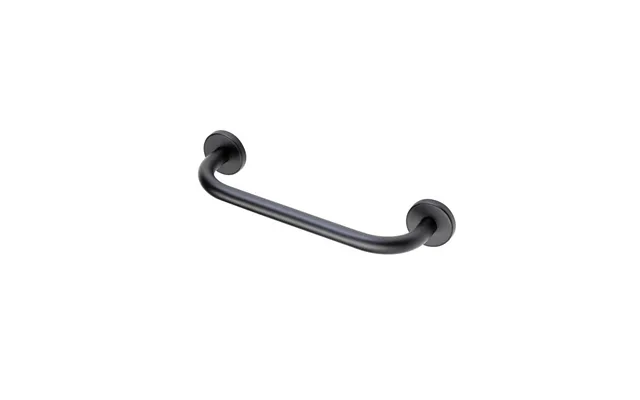
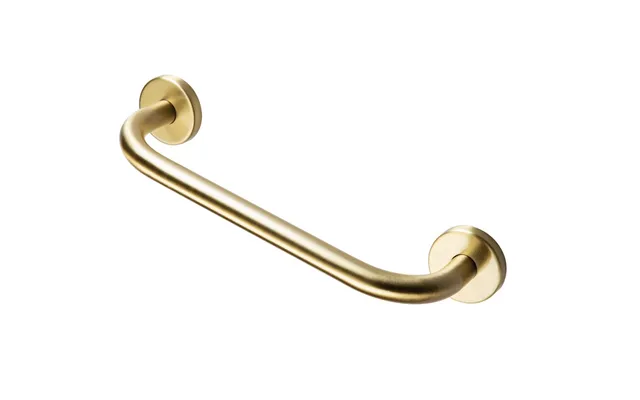
Gone are the days of “hospital chic.” Today’s safety grab bars come in polished chrome, brushed nickel, matte black, oil-rubbed bronze, and powder-coated whites that blend seamlessly with modern fixtures. Some models hide the mounting plates with sleek flanges. Others offer integrated shelves or soap dishes so the bar pulls double duty. If you love minimalist design, look for concealed-screw styles and low-profile end caps. Prefer a spa vibe? Curved rails and warm finishes add a designer touch without sacrificing grip or strength.
Polished chrome pops in bright bathrooms and pairs well with glass and white tile. Brushed nickel is a softer, fingerprint-friendly choice that complements stainless accents. Matte black makes a bold, contemporary statement and can disguise hard water spots. If you’re aiming for a timeless look, stainless steel offers durability with understated style. Whichever finish you pick, make sure the coating is rated for wet environments and matches your existing hardware so the whole room feels curated, not mismatched.
Pricing varies by material, finish, and features. Stainless steel and flip-up rails typically cost more than basic straight bars, but the right deal can level the field. Want to stretch your budget? Keep an eye on bundles that include multiple bars in common lengths, or kits that package bars with mounting hardware suited for tile or masonry. Comparison platforms like ZoneOffer help you browse popular offers across multiple UK retailers, check specs side-by-side, and jump on promotions without hopping from site to site. It’s a smart way to match your needs and your budget without sacrificing safety.
Start with your must-haves: length, weight rating, finish, and grip texture. Then compare brand warranties, included hardware, and return terms. If you’re outfitting more than one spot—say, a shower wall and toilet area—look for multi-pack pricing. Don’t forget the hidden costs: tile drill bits, specialty anchors, or a professional installer if you’re not DIYing. A slightly pricier bar with the right hardware and a solid warranty is often better value than a bargain that needs extra parts or fails early.
Every bathroom is different, and so is every user. The magic happens when you match the bar style to the person and the task. For example, a strong, horizontal 24" to 36" bar on the shower’s back wall is fantastic for steadying during shampooing. A 12" to 18" vertical bar at the entrance supports that first step into the shower. Beside a toilet, a flip-up rail offers leverage without hogging space. If kids use the bathroom, consider a lower-positioned bar to build safe habits early.
Seniors often benefit from multiple bars: one outside the tub for entry, one inside for balance, and one near the toilet for standing up. For kids, smaller bars installed lower (with supervision) can teach safe movement on wet floors. For anyone recovering from a hip, knee, or back procedure, a strategically placed bar reduces strain—and anxiety—during daily routines. If grip strength is limited, choose a 1.5" diameter bar with a knurled or soft-touch surface to make grasping easier.
A great grab bar can only do its job if it’s installed and positioned correctly. A few missteps can undermine even the best product. The good news? They’re easy to avoid with a little planning and a level head (and, yes, an actual level).
Suction-only bars should never be your only line of defense on textured or porous surfaces—they need smooth, flat tile or glass to hold reliably. Mounting too high or too low turns a helpful bar into an awkward reach. And drilling into rough stone or deeply textured tile without the right anchors can lead to loose fittings. Always test placement with tape, confirm stud locations, and use anchors rated for your wall type. If any of this sounds daunting, bringing in a pro is worth every penny.
Looking for a head start? Try this three-point plan. First, place a 24" to 36" horizontal bar along the back wall of the shower, roughly 33" to 36" high. Second, add a 12" to 18" vertical bar at the shower entrance, about 39" to 48" high, for a firm handhold when stepping in. Third, install a 16" to 24" horizontal bar near the toilet at a height that allows a comfortable push to stand—usually between 36" and 42". Adjust slightly for user height and mobility. You’ll be amazed how much safer and calmer the space feels immediately.
Don’t stop at bars if you want a truly slip-smart bathroom. Pair them with anti-slip mats, a low-profile shower threshold, a handheld showerhead for seated bathing, and bright, glare-free lighting. If you have the space, a sturdy shower seat with rubber feet or a wall-mounted fold-down seat creates a safe, comfortable routine for anyone who needs extra time or stability. The goal is a cohesive safety system that works together, not a patchwork of fixes.
Feeling overwhelmed? Use this simple sequence. One: define the locations—shower entry, back wall, tub edge, toilet side. Two: match the motion—balancing, stepping, or pushing to stand. Three: pick the type—straight, angled, or flip-up. Four: choose the length—12" to 48" to span the space. Five: lock in the grip—knurled, peened, or soft-touch. Six: confirm the finish to match your fixtures. Seven: decide on installation—DIY with the proper anchors or hire a pro. When you follow this path, the “right” bar pretty much picks itself.
Even if you’re not worried about slips today, adding reinforced backing during a remodel or choosing a decorative bar that’s actually weight-rated can future-proof your space. Today’s stylish grab bars are functional hardware you won’t regret installing. They add value, comfort, and accessibility—three upgrades every bathroom deserves.
Bathroom grab bars are a small change with big impact. From straightforward 24" stainless steel rails to elegant flip-up supports and textured soft-grip options, there’s a solution for every user, layout, and budget. Focus on the essentials—proper length, secure installation, smart placement—and you’ll transform a slippery room into a safer, more confident part of your home. Want to make the search easier? Use a trusted comparison platform to browse popular offers, compare specs, and find deals that fit your style. Safety that looks great and feels solid under your hand—that’s the goal, and it’s absolutely within reach.
| Safety Grab Bars | Price | |
|---|---|---|
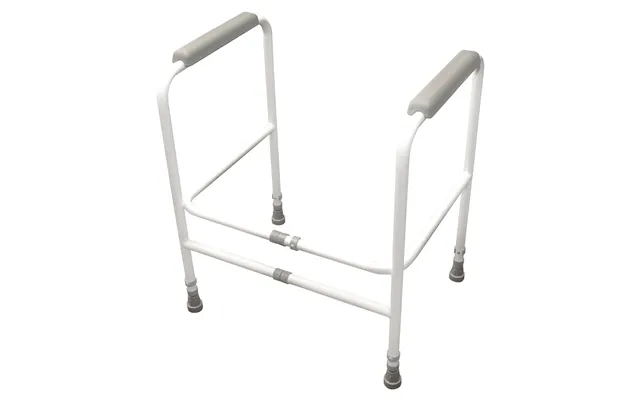
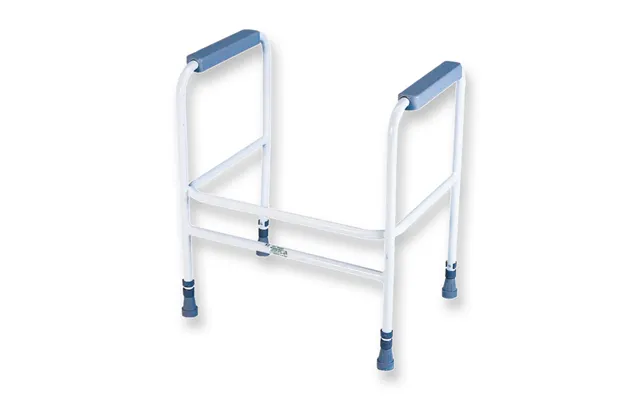
| Broadstairs Toilet Frame With Adjustable Height And Width | £ 59,99 | |
| Toilet Safety Rail Assistance Frame | £ 69,99 |