All categories
Business & Offices
Electronics & Media
Fashion & Accessories
Groceries & Essentials
Health & Personal Care
Home & Living
Kids & Family
Sports & Outdoors
Search in ZoneOffer

Loading...
Think of building consumables as the everyday heroes of any project. They’re the tubes, tubs, rolls, and boxes you reach for again and again—sealants, adhesives, tapes, fillers, foams, fasteners, abrasives, and the prep-and-cleanup gear that keeps jobs moving. They don’t grab headlines like power tools do, but try finishing a bathroom, sealing a roof, or hanging a cabinet without them. It’s like trying to hang a picture with no nail—you’re not going far.
When you’re comparing offers in the UK for “Building Consumables – Other,” you’ll see everything from silicone caulk and construction adhesive to expanding foam, masking tape, and patching compounds. The trick is picking the right consumable for the job, at the right price, with the right specs. That’s where knowing the basics saves you time, money, and a lot of frustration.
From prep to finish, consumables touch nearly every step. You mask and protect, you bond and seal, you fill and sand, you fasten and waterproof, then you clean up and store what’s left. Whether you’re tackling a weekend DIY or a full renovation, stocking reliable consumables means fewer runs to the shop and smoother results. And since prices can vary widely, comparing offers is your shortcut to real savings.
Sealants are the flexible guardians that block air and water where materials meet—around windows, along trim, across bath edges, and in countless gaps. A good bead can make the difference between a crisp, energy-efficient finish and a drafty, leaky headache. But not all caulks are created equal, and choosing the wrong type can mean peeling, cracking, or poor paint adhesion.
Silicone is the go-to for wet areas like showers, sinks, and exterior joints. It stays flexible, resists mold, and shrugs off moisture. Acrylic (often called decorator’s caulk) shines for interior gaps and trim because it’s paintable and easy to tool. Polyurethane is the heavy-duty option for tough, flexible bonds and seals—great outdoors, on masonry, and anywhere movement is expected. When you’re comparing deals, check the label for “paintable” if your finish demands it, and look for temperatures and cure times that fit your schedule.
Use acrylic for baseboards and crown molding, silicone for the tub and tile edges, and polyurethane for exterior thresholds, masonry joints, and high-movement areas. Standard 10 oz cartridges fit a typical caulk gun; wider gaps or long runs may need multiple tubes, so buying value packs can pay off. For precise lines on visible trim, a narrow 1 in tape helps keep edges crisp while you tool the bead.
Modern construction adhesives can replace or reduce mechanical fixings in many scenarios—think subfloors, drywall, panels, trims, and even masonry-to-wood joins. The right adhesive saves time, quiets squeaks, and spreads loads more evenly. But yes, “right” is doing a lot of work here: surface, temperature, gap size, and cure all matter.
For general assembly, look for a “grab” or “instant hold” formula to keep parts from sliding while you clamp or tack in place. For porous surfaces like plaster or timber, a solvent-based formula may penetrate better, while low-odor, low-VOC formulations are ideal indoors. When bonding heavy panels, pair adhesive beads with screws to hold alignment—fewer fixings, stronger result.
Clean, dry, and lightly abraded surfaces help adhesives shine. Bead in zigzags to cover more area, press firmly, and avoid overclamping, which can starve the joint. Check cure times—some reach handling strength in an hour, others need a full day. If you’re working at 40°F on a chilly morning, make sure the adhesive is rated for low-temperature application.
Before you paint or tile, you patch. Fillers and joint compounds level dents, dings, and seams so your finish looks smooth. The key is matching the product to the hole size and substrate. A quick-dry spackling compound cures fast for nail holes; a tougher, fiber-reinforced filler handles bigger voids and exterior repairs.
For small interior touch-ups, a lightweight filler sands easily and won’t slump. For deep repairs or exterior use, pick a hard-setting filler that can be drilled or screwed if needed. Wood filler should match the species or accept stain; multipurpose filler suits painted finishes. Buying in 1 lb tubs is convenient for small jobs, while 1 qt or 1 gal pails make sense for renovations.
Use medium grit paper to shape, then finish with fine grit for paint-ready smoothness. Feather edges wider than you think—8 to 12 in on walls—so the patch disappears. Vacuum dust, wipe with a tack cloth, and prime. If you can run your fingertips across the repair and feel no ridge, you’re ready to paint.
Expanding foam fills gaps, blocks drafts, and quiets rattles around pipes, frames, and cavities. It’s magic in a can: shake, spray, watch it grow. But it can over-expand, so a little mindfulness goes a long way. Opt for low-expansion foam around windows and doors to avoid bowing frames, and choose fire-rated formulas where required.
Foam works wonders on gaps up to about 1 in wide and deeper cavities. It also helps reduce sound transmission around penetrations. For larger voids, layer in lifts, letting each cure before adding more. Don’t forget to wear gloves—the cured foam clings like a barnacle.
Most foams become tack-free within minutes and cure in a few hours. Once cured, trim with a utility blade and cover with a paintable sealant or filler if needed. Some foams are explicitly paintable, but check the label. If you’re sealing a draft under a sill, a follow-up bead of exterior caulk finishes the job neatly.
There’s a tape for almost everything: masking, duct, painter’s, double-sided, foil, flashing, and more. Don’t grab just any roll—matching tape to task means lines stay crisp, seals stay tight, and residues don’t ruin finishes. Width matters: 1 in for detail work, 2 in for general runs, and wider for protection or sealing.
Painter’s tape guards edges without tearing paint when removed within the recommended window. Duct tape handles temporary fixes and bundle jobs but isn’t a long-term waterproof solution. Double‑sided tape is brilliant for trim alignment, carpets, and panel holds before final fixing. If you need more bite, look for “extra-strength” or “outdoor-rated” labels.
For exterior sealing, butyl and flashing tapes cling to tricky surfaces and stay flexible through temperature swings. Foil tapes manage HVAC work, while repair tapes patch tarps, membranes, and hoses. If you’re sealing a roof detail, choose a UV-resistant tape and apply on a clean, dry surface for a lasting bond.
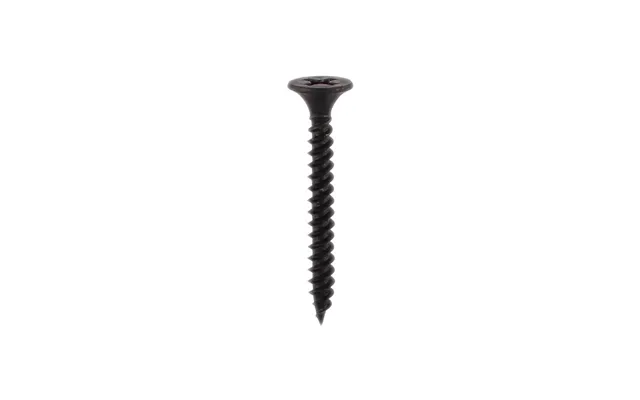
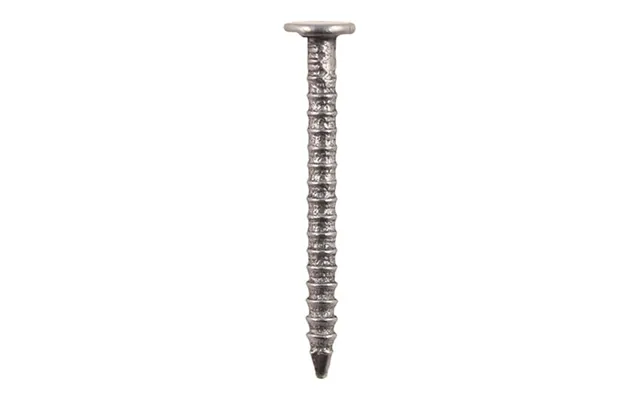
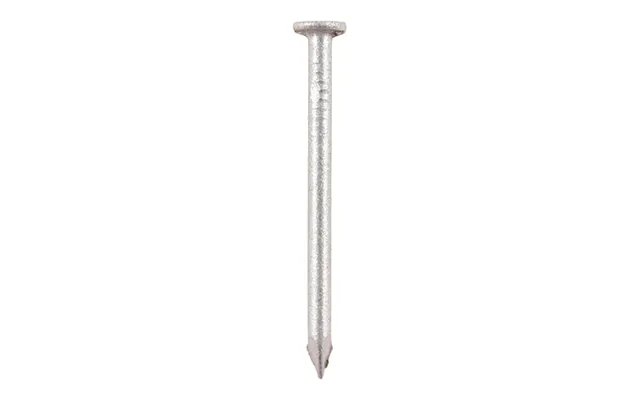
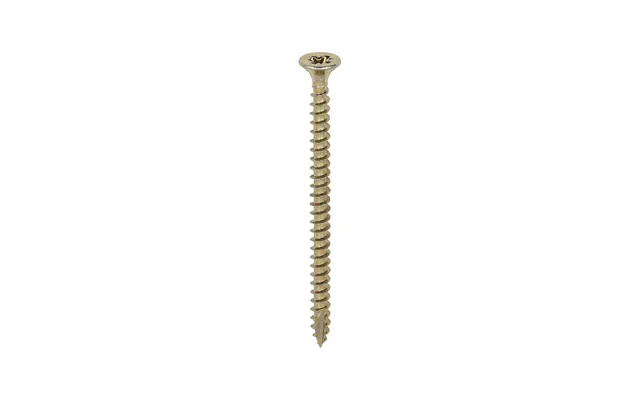
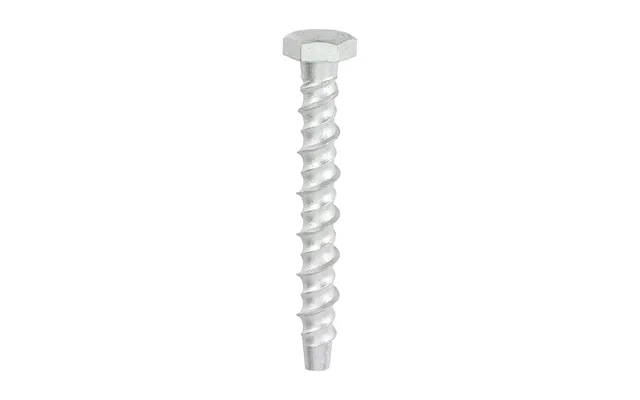
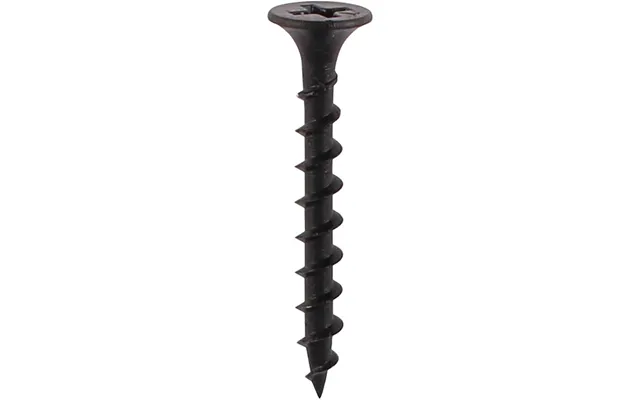
Even with strong adhesives, you still need mechanical fixings. Stock a range of screws (#8 and #10 are workhorses), nails, and wall anchors. Length matters: a 1‑1/2 in wood screw suits many trim jobs, while 2‑1/2 in bites deeper for framing and heavier loads. For masonry, use appropriate plugs or sleeve anchors with the right pilot hole.
Indoors, zinc-coated screws are usually fine. Outdoors or in damp areas, pick stainless or coated fixings to resist corrosion. If you’re hanging in treated lumber, confirm compatibility to avoid electrochemical reactions. For decking and exterior cladding, weather-resistant heads keep the finish clean and rust-free.
Prepping surfaces is half the job. Sandpaper, sanding sponges, and cutting blades are classic consumables that wear down by design. Keep a range of grits and spare blades on hand so you’re not forced to push dull tools—nothing ruins a finish faster.
Coarse grits shape and strip; medium smooths repairs; fine and extra-fine set you up for paint or varnish. On flat walls, a sanding pole speeds things up; on trim, a sanding sponge rounds edges without gouging. Replace paper when it clogs or stops cutting—fresh abrasives are faster and cleaner.
Sharp blades are safer because they glide without forcing. Swap utility blades frequently when trimming foam, cutting drywall, or scoring laminates. For saws, choose the tooth count for the job—fewer teeth for fast cuts, more for clean finishes—and accept that blades are consumables: they have a working life. Budget for them.
Roof leaks and damp patches don’t wait for good weather. Keep the right waterproofing consumables ready so you can respond quickly and prevent small issues from becoming expensive repairs. Think bitumen repair compounds, flashing tapes, sealant strips, and roof patch kits.
Bitumen-based products cling to many surfaces and set up tough. Use flashing tape for seams, vents, and penetrations, pressing firmly and rolling for full contact. Sealant strips create compressible, long-lasting seals under overlaps and trims. Always clean and dry the surface first—a wipe with solvent can make or break adhesion.
For emergency fixes, a roof patch kit buys you time. Paired with a quality exterior sealant, it can stop drips until permanent repairs happen. If a gutter joint is seeping, a bead of exterior-grade silicone and a short length of flashing tape often restore watertightness in minutes.
Consumables also include the unsung supplies that make everything else possible: mixing sticks and buckets, disposable brushes and rollers, tray liners, drop cloths, wipes, rags, and solvents. They’re inexpensive, but missing them can stall a project at the worst moment.
Use disposable brushes for adhesives, primers, and sealants you don’t want in your good bristles. Roller covers come in different naps—short for smooth walls, longer for textured surfaces. Tray liners keep cleanup quick; drop cloths protect floors and furniture from splatter so you can work confidently.
Mineral spirits help remove uncured oil-based residue; dedicated wipes clean hands and tools when you can’t get to a sink. Keep a pack of shop towels for spills and a box of contractor bags for debris. A neat workspace is safer, calmer, and faster—especially when you’re racing a curing clock.
Additives aren’t just for pros. A bonding agent improves adhesion on tricky substrates; a plasticiser can make mixes more workable without extra water. Primers seal porous surfaces so paint and adhesives stick better and last longer. These small extras can turn a “good enough” result into a pro-level finish.
PVA primer is a staple under paint and skim coats; it evens suction so finishes dry uniformly. Bonding agents help fresh plaster or cementitious materials grab onto existing surfaces. Plasticisers increase flexibility and ease of application in certain mixes—handy in colder weather or where you need smoother troweling.
Use set-control additives to adjust working time when temperatures fluctuate. Waterproofing admixtures reduce permeability, protecting basements and wet rooms. When you’re comparing offers, check coverage rates and recommended dosages so you buy the right bottle size—too little underdoses the mix, too much can weaken it.
Consumables are perfect for savvy comparisons because brands often compete on price, pack size, and features. The best value isn’t always the cheapest tube—it’s the product that fits your exact task, saves rework, and holds up over time. Comparison platforms, including price-comparison sites like ZoneOffer, let you scan offers side by side so you can judge on performance and price together.
Always read cure and application ranges. If a sealant needs 70°F to cure properly and you’re working in a chilly loft, your timeline may stretch. Some adhesives reach handling strength in an hour; others need overnight. If you’re painting over caulk, “paintable” on the label is non‑negotiable.
Buying 10 oz tubes one by one might be fine for small jobs, but if you’re sealing an entire room, a contractor pack could cut your cost per run. For fillers, a 1 qt tub handles multiple rooms; for big renovations, a 1 gal pail may be more economical. Tape rolls vary widely—longer rolls can be far cheaper per foot.
Great results start with safe, sensible habits. Ventilate when using solvent-based products, wear gloves, and follow the manufacturer’s guidance. A small respirator and safety glasses are inexpensive insurance when sanding or spraying. Dispose of rags and wipes responsibly.
Open windows, use fans, and wear appropriate gloves when handling adhesives and sealants. If sanding overhead, glasses keep dust out of your eyes. When cutting or trimming, a sharp blade plus a steady hand keeps slips to a minimum—always cut away from your body.
Sealants and adhesives last longer when stored upright, cap on, in a cool, dry spot. Mark the date you opened a tube; partially used cartridges can skin over. Keep tapes in a clean bin so edges don’t pick up dust, and store sanding sheets flat to prevent creasing. Protect cans from freezing unless the label says otherwise.
For most DIYers, a compact kit covers 90% of tasks: silicone and acrylic caulk, a strong construction adhesive, all‑purpose filler, a can of low-expansion foam, painter’s tape (1 in and 2 in), duct tape, a selection of #8 and #10 screws in 1‑1/4 in to 2‑1/2 in, plastic wall anchors, medium and fine grit sandpaper, utility blades, disposable brushes, tray liners, rags, and mineral spirits. With that lineup, you can prep, bond, seal, patch, and finish without breaking stride.
Building consumables may be small, but they punch far above their weight. Choose the right sealant, adhesive, tape, filler, or foam, and your project flies; grab the wrong one, and you’re fighting the job every step of the way. Compare offers, read labels, match products to tasks, and don’t skimp on prep and safety. Do that, and you’ll save money, finish faster, and enjoy a result that looks sharp and lasts.
| Building Consumables - Other | Price | |
|---|---|---|
| Unicrimp Qtb100m Cable Ties 100x2.5 Black Colour | £ 0,64 | |
| Probuilder Staples 6mm 2000 Pcs | £ 1,56 | |

| M6 Screw Set 50 Pieces 50x Black | £ 6,17 | |
| Startech.com 50-pack M5 Screws - 10mm Long Computer Pc Case Fan Screws | £ 12,- | |
| Pack Of 20 Picture Screws | £ 14,95 | |
| Seco Warning Safety Sign Mind The Step Semi Rigid Plastic 300 X 50mm - W0185srp300x50 | £ 17,14 | |
| 2n 9151018 Screw Bolt 4 Pc S Screw Kit | £ 18,80 | |
| Verbatim 55031 3d Printing Material Abs Green 1 Kg | £ 24,58 | |
| Startech.com M6 Cage Nuts - 100 Pack. Black | £ 40,25 | |
| 4m Gutter Protectors Pack Of 3 | £ 59,97 |