
Drain Cleaners price list
Last updated Friday, Sep 18, 2026




View 8 Offers
Loading...
Last updated Friday, Sep 18, 2026
Clogged drains are a small annoyance that can balloon into a plumbing nightmare if you pick the wrong product. Whether slow-draining water in the sink or a full bathroom blockage, the right cleaner clears the pipe without damaging it — think of it as picking the right tool for a jammed lock. A powerful chemical might work overnight on a greasy kitchen trap, but it could eat at old cast-iron or PVC if used repeatedly. Choosing a cleaner that matches the clog type and your pipe material will save time, money, and headaches.
Caustic drain cleaners, often sold in gel form in 16 oz or 32 fl oz bottles, use strong bases like sodium hydroxide to dissolve hair and grease. They work fast and are common in cupboards and under sinks, but they’re also aggressive. Imagine a heavyweight boxer — efficient, but heavy-handed. Use caustics sparingly and follow safety instructions closely. Keep them away from kids and pets, and never mix with other chemicals.
Oxidizing products use peroxides or nitrates to break down organic material. They typically come in powder or liquid that reacts with water to create heat and bubbles. These are good for organic clogs—think food scraps or paper—but like caustics they can be harsh on some pipes if overused. A powder that turns into a bubbling foam can be a dramatic sight, but remember that dramatic action doesn’t always mean safer action for your plumbing.
Enzymatic cleaners are the gentle gardeners of the drain world: they introduce bacteria or enzymes that slowly eat away at organic build-up like soap scum and hair. Sold in bottles from 8 oz to 16 oz or as maintenance tablets, they take longer—hours to days—but are pipe-safe and septic-safe. If you prefer a low-risk, maintenance approach, enzymatic products are a great choice. Think of them as scheduled pruning rather than emergency surgery.
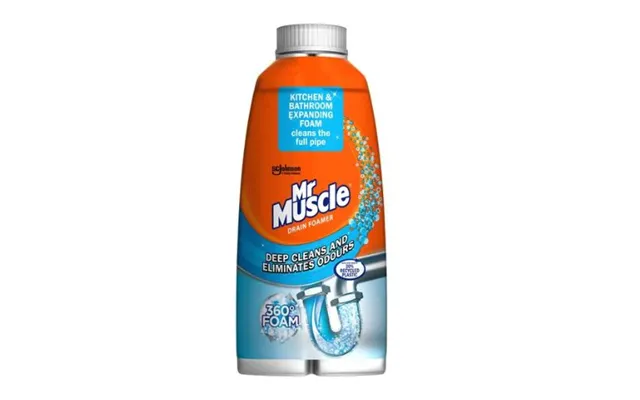
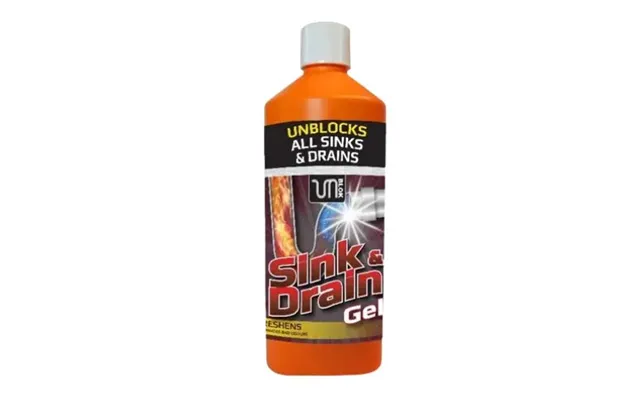
Foaming cleaners expand to coat pipe walls, and gels stick to the clog area, which helps in vertical sinks and slow-moving traps. Gels are handy for bathroom sinks and showers because they cling to hair and residue instead of rushing past the problem. Foams work well for long stretches of pipe. Both forms are available in bottles sized around 16–32 fl oz.
Not everything needs a bottle. A strong plunger or a 25 ft hand auger (also called a drain snake) will clear many blockages mechanically. For tight, stubborn clogs inside 1-1/2 inch or 2-inch pipes, a manual or powered auger is often the fastest and least risky option. Think of mechanical tools as using your hands with a leverage advantage — immediate and controlled without adding harsh chemicals to the system.
Hair is one of the most common culprits in bathroom drains. For recent buildup, a gel or foam that clings to the pipe can work well. If the clog’s more entrenched, an enzymatic cleaner used as a long-term maintenance product can prevent repeats. If you prefer no chemicals at all, a small plastic snake or wire grabber can remove hair directly in minutes.
Kitchen clogs often involve grease, oil and food particles. Caustic or oxidizing cleaners dissolve grease effectively — but use them cautiously, especially if you have older pipes. For blocked kitchen traps, pouring a measured amount of a heavy-duty degreasing product and waiting the recommended time can clear the line, but follow with hot water (not boiling) to flush away residue. Regular enzyme-based maintenance can prevent grease build-up over time.
Slow drains often respond to enzyme or maintenance tablets that work over hours or overnight. Full blockages may require a stronger product or mechanical action. If water won’t move at all, try a plunger first, then a snake, and reserve powerful chemicals for when mechanical methods fail or aren’t practical. Consider the pipe material and how much time you can wait; sometimes calling a pro is the safest move.
Always scan the product label for compatibility with PVC, metal, or older clay pipes. Some caustic formulas will warn against use on certain materials. Also look for “septic-safe” if you have a septic tank — many enzymatic formulas carry that label. Safety labels also tell you whether a product is best for regular maintenance or emergency use.
Gel products are thicker and cling to vertical pipe walls, while liquids pour through quickly and might miss the clog in a vertical trap. Foam products expand to cover surface area, which helps in long runs of pipe. Choose the form factor that matches the geometry of your drain: vertical bathroom traps benefit from gel; long horizontal runs might suit foams.
Do you want a quick fix or a steady cleaner? Caustic and oxidizing products act fast — sometimes within minutes — while enzymatic solutions take hours to days to work but are gentler. If you need immediate water flow restoration, a fast-acting product or mechanical method is the go-to. For long-term prevention, enzymes win.
Compare cost per use, not just sticker price. A 32 fl oz bottle might look pricier, but if it covers multiple treatments it can be cheaper per application than a single 8 oz bottle. Also check multipacks and maintenance tablets priced per month — sometimes subscription-style purchase options yield better price-per-treatment values.
Labels include timing, dilution, and safety guidance for a reason — they’re there to prevent accidents. Use the stated amount (for example, 8 fl oz or a single tablet) and allow the specified dwell time. Most fast-acting chemicals recommend flushing with hot water afterward — again, follow the label’s temperature guidance.
Mixing products is dangerous. Never combine bleach, ammonia, acids, or caustics. Even small mixtures can produce toxic gases or violent reactions. If you’ve used one product and are switching to another, flush the drain with plenty of water first and wait per the label before applying a different product.
Wear gloves and eye protection when handling strong cleaners, and keep a window open or fan running for ventilation. Treat chemicals like concentrated cleaners — avoid skin contact and inhalation. If you spill, follow the label for cleanup and disposal instructions.
Some natural-sounding remedies can still cause problems if used incorrectly or pushed too often. Baking soda and vinegar can help with mild slow drains but won’t cut grease or substantial hair blockages. Think of them as light-duty tools, not heavy machinery.
Start with a plunger or snake for many blockages. These tools are inexpensive and often successful. If a 6-inch or 12-inch clog is beyond reach, a 25 ft drain auger can reach deeper into the pipe. Mechanical solutions are often quicker, cheaper, and less damaging than repeated chemical use.
If clogs recur frequently in the same drain, you could have tree root infiltration, collapsed pipe, or misaligned joints. That’s when a professional camera inspection makes sense. A plumber can identify the underlying cause and recommend repair rather than repeated spot treatments.
If your property uses a septic tank, avoid harsh oxidizing and caustic products that can kill beneficial bacteria. Enzyme-based cleaners are usually the safest option for septic systems. When in doubt, seek a plumber’s recommendation to prevent a costly septic system upset.
Using a maintenance enzyme bottle or tablets once a month helps prevent organic build-up. It’s like flossing for your drains: a small, regular habit that avoids big repairs. A single tablet in the sink or a measured pour in the shower once a month can greatly reduce hair and soap scum accumulation.
Simple hardware solutions go a long way. Sink strainers catch food and hair before they enter the pipe. For kitchens, avoid pouring grease down the drain — instead, collect it in a container and dispose of it with household waste. Small changes in habits reduce reliance on powerful chemicals.
Flushing drains with hot (not boiling) water once a week can keep grease moving and prevent minor blockages. Think of it as routine maintenance oiling the system. For kitchen sinks, a quart or so of hot water after dishwashing helps prevent fatty residues from solidifying in the line.
When shopping, compare price per treatment, bottle size (8 oz, 16 oz, 32 fl oz), active ingredient type, and user reviews for similar clog types. Look for “septic-safe” if relevant and read real user comments about effectiveness on hair, grease, or paper. Be cautious of claims that sound too good — instant miracles are rare in plumbing.
Bulk buy, subscription discounts, and multipacks usually offer the best value if you use the product regularly. Also consider seasonal promotions or clearance on older formulas if the label still fits your needs. A 2-pack of enzyme bottles often costs less per treatment than single bottles when used over a year.
Create a compact toolkit: a medium-strength gel drain cleaner for occasional bathroom clogs, an enzyme bottle for monthly maintenance, a rubber plunger sized to your sink (about 4–6 inches for bathroom sinks, larger for tubs), and a small 10–25 ft hand auger for tougher jams. This combination covers most home plumbing issues without cluttering your cupboard with multiple harsh chemicals.
Choosing the best drain cleaner comes down to matching product type to clog type, pipe material, and safety needs. For instant action, caustic or oxidizing products work fast, but enzymatic cleaners are gentler and better for long-term health of your plumbing and septic system. Mechanical tools should be your first response for many blocks, and preventative habits like strainers, hot-water flushes, and monthly enzymes can cut down on emergencies. When in doubt, compare price-per-use, read labels carefully, and seek professional help for persistent problems. With the right mix of tools and products, you’ll keep drains flowing smoothly and avoid surprises that cost time and money.