All categories
Business & Offices
Electronics & Media
Fashion & Accessories
Groceries & Essentials
Health & Personal Care
Home & Living
Kids & Family
Sports & Outdoors
Search in ZoneOffer

Loading...
Ever find yourself standing in the aisle thinking, “This isn’t mortar, this isn’t brick—so what is it?” That’s the beauty—and the headache—of the “other” category for masonry consumables. It’s the catch-all for the materials that make the visible parts of your build possible: admixtures that make mortar flow better, sealers that keep water out, cleaners that remove stains, foams that fill gaps, and specialist compounds that repair cracks and attach fixings. In short, these are the small purchases that make the big work stand up, look great, and last.
Because these products are often project-specific, it’s easy to overspend or choose something that’s not quite right. The good news? With a little know‑how—and a smart comparison of offers—you can select the exact consumable you need for performance, durability, and value. Let’s break down the top categories, what they do, and how to choose confidently.
If bricks and mortar are the main actors, “other” consumables are the crew working behind the scenes. They improve workability, guard against damp, save time in application, and fix small problems before they become big ones. Skip them, and you’ll probably pay later in rework. Choose well, and you’ll get cleaner lines, tighter fixes, and a finish that looks sharp for years.
Mortar may feel straightforward—mix and go—but the right additives can transform how it behaves in your bucket and on the wall. You’ll notice smoother spreads, fewer cracks, and better performance in tough weather.
Plasticisers are the “power steering” of mortar. A good plasticiser makes a stiff mix easier to spread and helps the mortar sit where you place it without slumping. If you’re laying brick or block all day, that smoother, creamier texture saves time and cuts fatigue. A small bottle—often around 16 fl oz to 32 fl oz—treats multiple mixes, and the difference shows up from the first trowel swipe.
Water ingress is the silent killer of masonry. Liquid waterproofing admixtures blend into your mix and reduce capillary absorption, helping keep your brickwork dry. They’re particularly handy for garden walls, retaining walls, chimneys, and any area that gets hit by wind-driven rain. Look for products that enhance water repellency without trapping vapor—breathability still matters.
Coloring agents let you match existing mortar or design a statement joint. If you’re repairing a section of a long-standing wall, a color match keeps the eye from jumping to the patch. Add dyes in small increments; a little goes a long way. Keep notes: if you hit the perfect shade with, say, 2 teaspoons per 60 lb mix, you’ll want that recipe for the next batch.
Working through a cold snap? Frostproofer can speed set times and protect your mortar from freeze-thaw damage. It’s not a magic wand in deep winter, but paired with good site practice—covering work, warming water—it helps keep productivity up when the thermometer dips below comfortable levels.
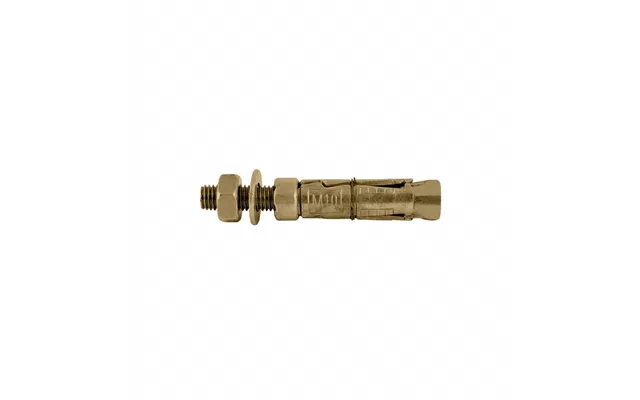
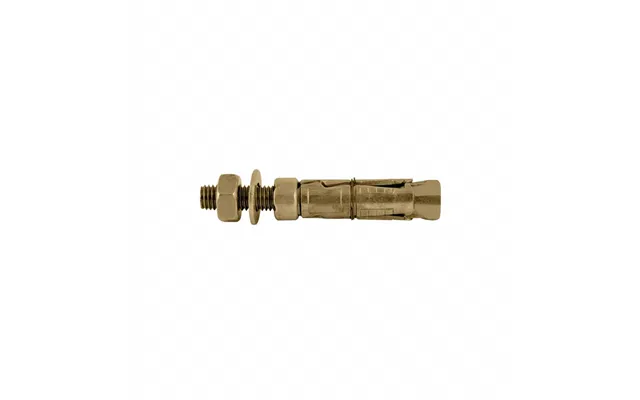
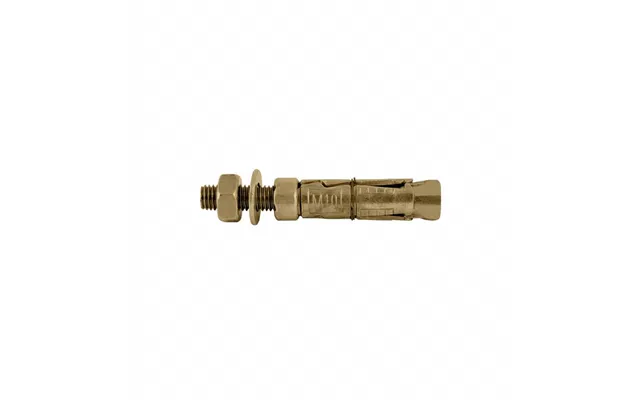
When you need a rock-solid hold in brick, block, or stone, you’ve got a few proven routes: resin anchors, masonry screws with the right plugs, and specialist grouts for structural fixes. The job dictates the choice—light fixtures don’t need what handrails do.
Resin anchors are your go‑to for heavy-duty, vibration-prone, or awkward bases. A typical 10 fl oz cartridge bonds studs or rebar into drilled holes and delivers excellent pull-out strength. If you’re fixing railings, satellite dishes, awnings, or steel plates, resin beats traditional plugs and keeps the fix stable for the long haul. Keep in mind gel times vary—on a warm, breezy day, that resin can set fast.
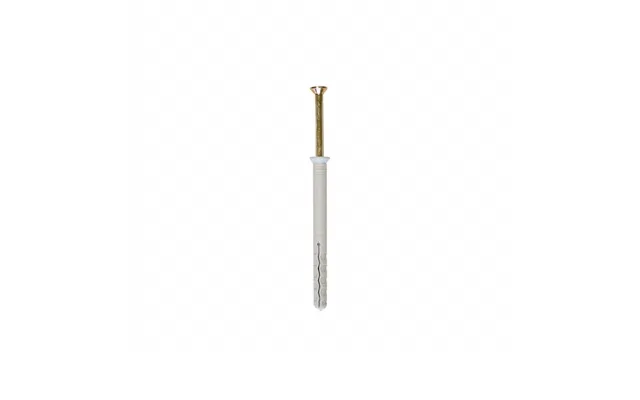
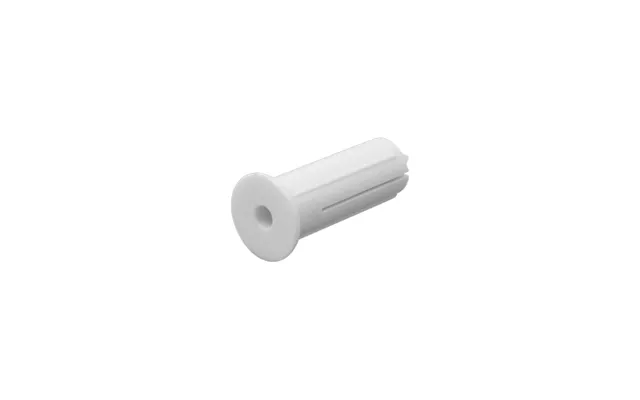
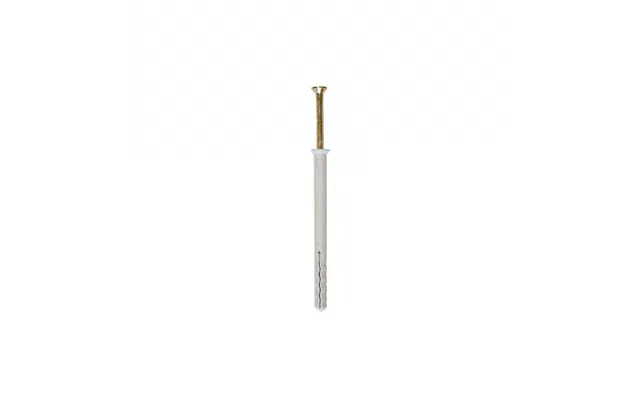
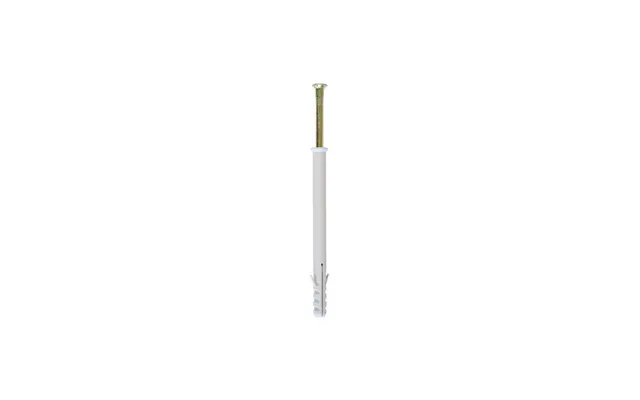
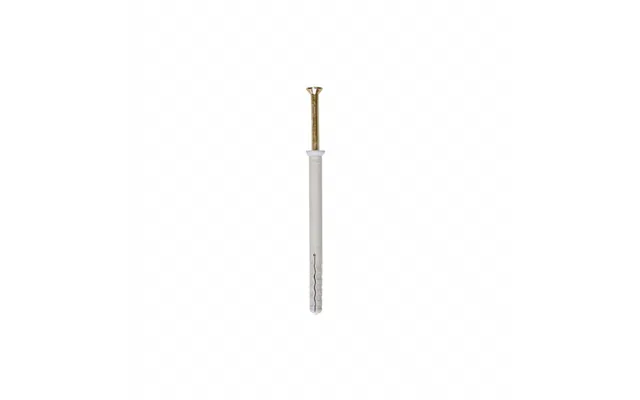
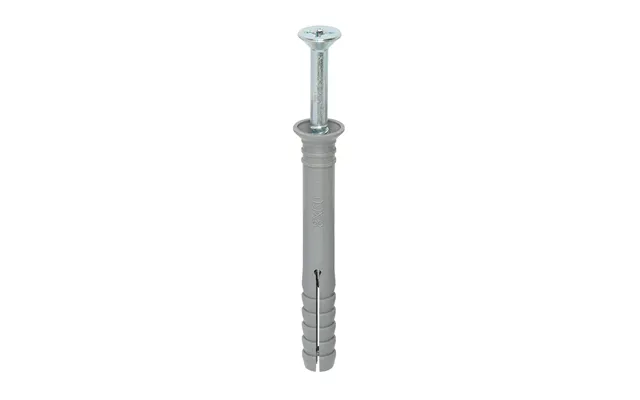
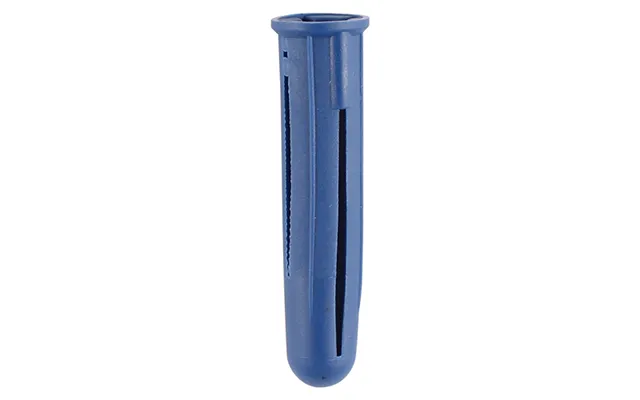
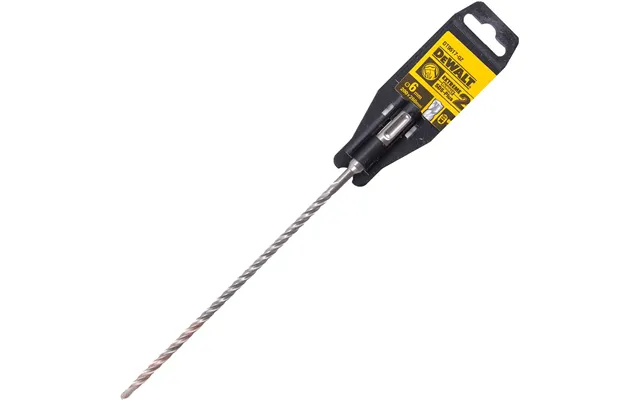
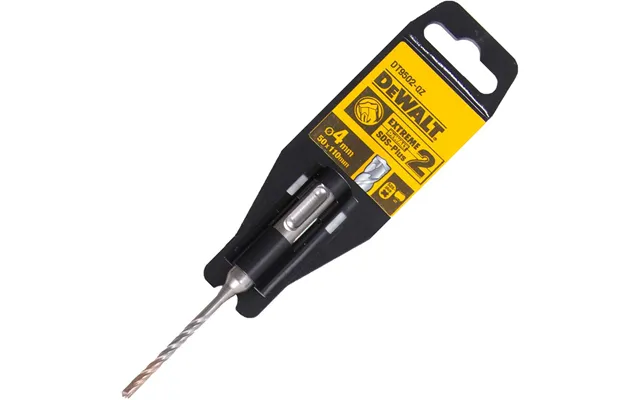
For lighter to medium loads—outdoor lights, conduit clips, brackets—quality plugs and masonry screws do the trick. Pay attention to your drill bit size and hole depth: the most common issues come from oversized holes and dust not cleared from the hole before the screw goes in. A quick blast with a hand pump or vacuum makes a world of difference.
Flowable anchoring grouts are ideal when you need to fix posts or machinery bases into concrete or block. They fill voids, cure hard, and resist shrinkage. If you’re dealing with anything that needs precise alignment, a non-shrink grout helps you lock it in without settling.
The joint lines are the punctuation of your masonry—they guide the eye and keep weather out. Whether you’re pointing a heritage wall or sealing a patio edge, the right compound or sealant keeps everything neat and protected.
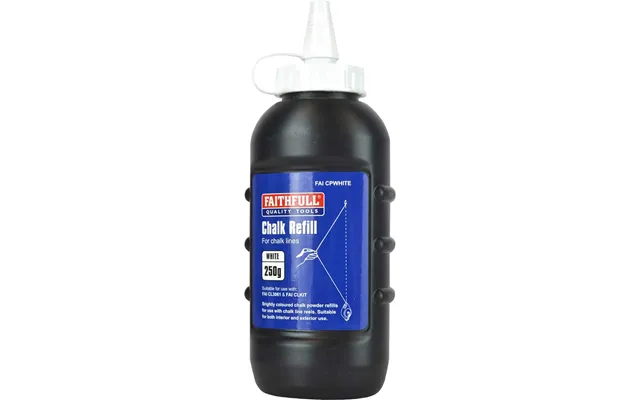
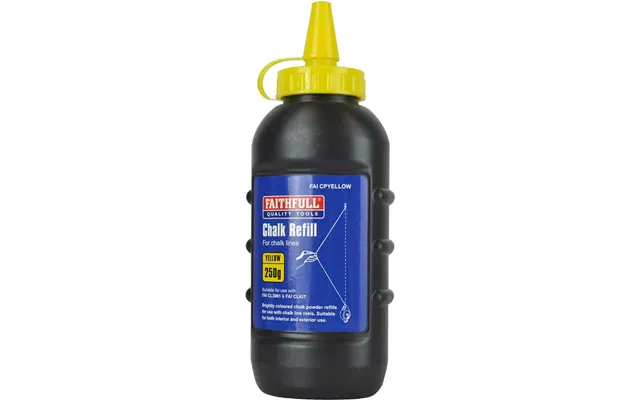
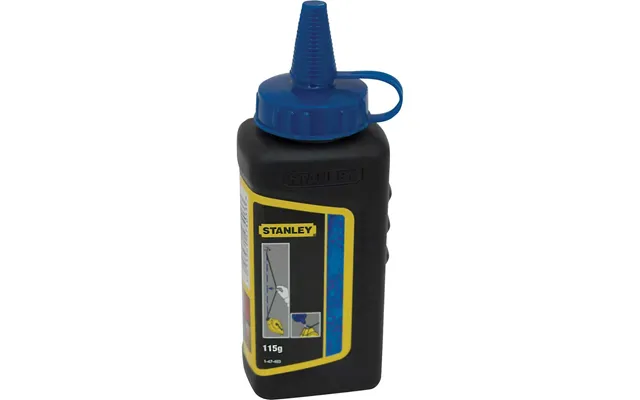
Pre-mixed jointing products are a time-saver, particularly for paving. Many are brush-in or slurry-style mixes that harden to resist washout and weeds. If you’re pointing between pavers or slabs, check drainage: some are permeable by design, while others lock tight for a solid, sealed surface.
Silicone, MS polymer, and hybrid sealants bring flexibility and adhesion. Use them where materials move—around window and door perimeters, expansion joints, or mixed-material interfaces. Look for exterior-grade, UV-stable options. A smooth tooling pass with a dampened finger or finishing tool makes the bead disappear into the joint line.
Movement joints handle expansion and contraction so masonry doesn’t crack. Backer rods make sealant joints the right shape—think of them as invisible supports that help sealants stretch and recover without tearing. If your joint is deeper than about 1/2 in, a rod usually belongs in there.
Masonry breathes. Your job is to let vapor out while keeping liquid water from getting in. The right consumables make that balancing act achievable, even in exposed spots.
Penetrating sealers soak into the surface and repel rain without leaving a plastic-like film. They’re perfect for brick, sandstone, and concrete blocks that need protection but still need to dry out after a storm. A gallon often covers around 150 to 200 sq ft on dense surfaces, more on very smooth substrates, less on porous stone. Two lighter coats usually beat one heavy one.
Rising damp in older walls can often be managed with damp proof cream. It’s injected into drilled holes along the mortar bed to form a water-repellent barrier. The key is consistent hole spacing and depth, plus patience—let the wall dry down naturally over time before repainting or replastering.
Weep vents look tiny, but they’re essential. They let moisture escape from cavity walls and prevent pressure buildup behind cladding or at lintels. Use them at regular intervals, keep them clear of debris, and choose colors that blend with mortar joints for a discreet finish.
Cleaning isn’t just cosmetic. A properly prepped surface helps sealers bond, makes repainting stick, and ensures repairs don’t loosen. The right cleaner saves hours of scrubbing and prevents damage.
Got mortar smears or general grime? Acid-based brick cleaners can shift stubborn residues quickly. Use with care: pre-wet the surface, apply according to the label, scrub lightly, then rinse thoroughly. On sensitive stone, pick non-acidic formulas to avoid etching or discoloration.
Those white salt blooms on your wall? That’s efflorescence. It can be persistent, especially after heavy wet spells. Specialized removers dissolve salts so you can brush them away. After treatment, consider a breathable water repellent to reduce future salt migration.
North-facing walls and shaded patios often grow algae or lichen. A biocidal wash kills and helps deter regrowth. Apply on a dry day, allow it to work over time, and return for a gentle rinse. It’s a low-effort way to revive tired brickwork and paving.
Cracks don’t have to spell trouble if you catch them early and use the right repair system. Good repair mortars bond well, resist shrinkage, and match the texture of the surrounding surface.
Need to patch a chipped corner or fill a deep spall? Rapid-set mortar hardens fast—often walkable or paintable the same day—so you can keep a project moving. It’s ideal for steps, sills, edges, and general masonry patching that can’t wait.
For high-strength repairs or bonding, epoxy kits stick to tough substrates and cure extremely hard. They’re brilliant for structural edges, heavy wear zones, or anchoring where movement is expected. Mind the mix ratio and pot life; measure carefully and mix only what you can use in one go.
When you want flexibility and adhesion in a user-friendly mix, polymer-modified fillers are the sweet spot. They handle hairline cracks and non-structural gaps without crumbling out. If the crack keeps returning, consider adding a movement joint nearby—it’s the safety valve your wall might be asking for.
Gaps and penetrations are more than just ugly—they’re pathways for drafts, sound, and even fire. The right foam locks down comfort and safety in one go.
Gun-grade expanding foam fills voids around frames, conduits, and irregular holes. It expands to seal drafts and can be trimmed, sanded, and finished. A single can goes a long way; it’s perfect for those “while I’m here” fixes during a project. Just don’t use it where movement or significant compression is expected—pair with backer rod or a flexible sealant where needed.
Where codes require fire stopping—think pipe penetrations and service chases—fire-rated foam is non-negotiable. It expands to fill voids and helps maintain compartmentalization. Always check fire ratings and application limits, and label your fire stops so future trades know what’s in the wall.
Masonry work eats through blades and abrasives. Using the right consumable saves money and protects your tools.
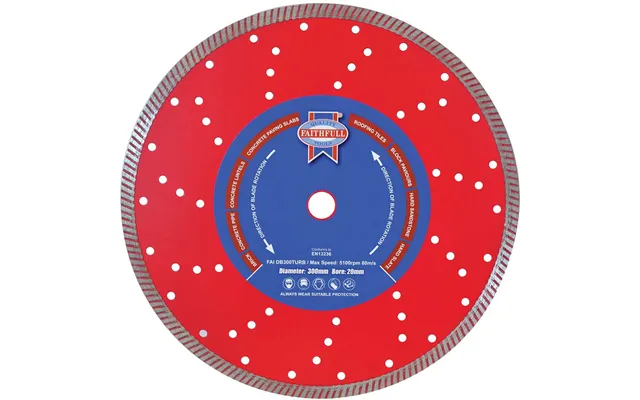
Not all blades are created equal. A premium diamond blade cuts faster, runs cooler, and lasts longer in brick, block, and stone. If you’re dry-cutting, make shallow passes and let dust clear between cuts. For wet cutting, ensure adequate water flow and proper splash control.
Grinding cups level high spots and prep surfaces for coatings. Use steady pressure—let the diamonds do the work. For smoothing cured repairs, masonry-rated sanding products help blend textures so patches don’t advertise themselves.
Mother Nature doesn’t clock in when you do. Weather awareness turns average results into great ones and prevents early failures.
In colder conditions, use warm mixing water, consider a frostproofer, and protect fresh work with insulated covers. Mortar that chills too fast can weaken, powder, or crack. As a rule of thumb, keep materials above freezing and avoid working against a hard frost.
Heat and wind suck moisture out of mixes and sealants, leading to flash setting or weak bonds. Shade your work, dampen porous substrates before application (especially for repair mortars), and keep sealant beads narrow so they skin over at the right pace. If it’s gusty, watch the open time on resins—you’ve got less than you think.
Running short mid-job is frustrating—and costly. A little planning keeps the work flowing and your budget intact.
For sealers, plan roughly 150 to 200 sq ft per gallon per coat on typical brick, with very porous surfaces taking more. A 50 to 60 lb repair mortar bag covers small patches generously; for deeper voids, buy extra to avoid mixing different batches on the same repair. For resin anchors, figure a 10 fl oz cartridge for roughly a dozen 3/8 in x 4 in holes—more for larger diameters or deeper embedments.
Mix small. Most of these consumables kick off faster than you expect, especially on warm or breezy days. Close lids tightly, decant only what you need, and store in a cool, dry place. For color and finish consistency, complete each visible elevation with the same batch when possible.
A great price isn’t always the best value. Compare coverage rates, cure times, flexibility, breathability, and weather tolerance. If two sealers cost the same but one covers 250 sq ft per gallon and the other covers 180 sq ft, your “cheaper” option might actually be pricier per square foot. That’s where comparison platforms shine—side-by-side specs make the better deal obvious.
Most masonry consumables are simple to use, but many are also potent. Respect the chemistry, and they’ll reward you with pro-level results.
Pre-wet masonry, protect surrounding areas, and never mix acids with bleach. Wear gloves and eye protection, and neutralize with a clean water rinse. If in doubt, test on a small, hidden spot first—once etched, stone doesn’t grow back.
Cutting, grinding, or chasing masonry releases fine dust. Use wet methods where possible and wear a suitable dust mask. Keep bystanders clear of the dust plume and vacuum dust from holes before fixing—your anchors will hold better, and your lungs will thank you.
Check fire ratings before you seal penetrations. Standard foam is not a substitute for fire-rated products. Label your fire stops, and don’t paint over manufacturer markings if they’re required for inspections.
When you’re choosing between similar bottles, tubes, and tubs, it’s easy to feel stuck. Comparison sites help by pulling specs and prices into one place, so you can match performance with budget. Instead of guessing, you compare set time, coverage, flexibility, UV resistance, and actual cost per square foot or per joint.
Look beyond the headline price. Consider cost per gallon, per fl oz, or per joint. If you’re sealing 400 sq ft and a gallon covers 200 sq ft per coat, you’ll need 2 gallons for two coats—do the math before checkout. That quick calculation prevents half-finished jobs and surprise spend.
Specs tell you whether a product fits your scenario: interior vs. exterior, wet area vs. dry, flexible vs. rigid, breathable vs. blocking. A few minutes reading those lines saves hours of rework later. When in doubt, pick the product with clearer data and better third-party test results.
Masonry consumables in the “other” category may be small in size, but they’re huge in impact. From admixtures that smooth your day’s work, to sealers that keep walls dry, to repair kits that turn “uh‑oh” into “good as new,” the right choices make your project tighter, cleaner, and longer lasting. Keep an eye on coverage, match products to conditions, and compare offers with an eye for true value—not just the sticker price. Do that, and you’ll get polished results that stand proud for years, whether you’re building from scratch, refreshing a facade, or rescuing a weary wall.

| £ 35,80 |
| Faithfull Faidb230crp 230mm Porcelain Diamond Blade | £ 43,30 |