



All categories
Business & Offices
Electronics & Media
Fashion & Accessories
Groceries & Essentials
Health & Personal Care
Home & Living
Kids & Family
Sports & Outdoors
Search in ZoneOffer
Loading...
If you've ever stared at your door and wondered why tiny metal plates exist around keyholes, you aren't alone. Door keyhole escutcheons do more than cover an awkward hole — they protect your lock from wear, add a finishing touch to your décor, and can even improve security. Think of them as the trim on a suit: small, often unnoticed, but they pull everything together.
An escutcheon gives a neat, polished look to a door while preventing dirt, moisture, and drafts from getting into the lock mechanism. For exterior doors, a well-fitted escutcheon helps shield the cylinder from tampering. For interior doors, a stylish escutcheon can elevate a plain handle to a design feature. It’s a subtle upgrade with outsized impact.
There’s more variety here than you might expect. Escutcheons vary by shape, purpose, and compatibility with lock types. Choosing the right type is mostly about matching the escutcheon to the lock cylinder and the door’s style.
Round escutcheons are classic and minimal. They work well with tubular or rim cylinders and often suit modern or mid-century aesthetics. If your lock’s keyhole is circular, a round escutcheon is usually the simplest, most elegant choice.
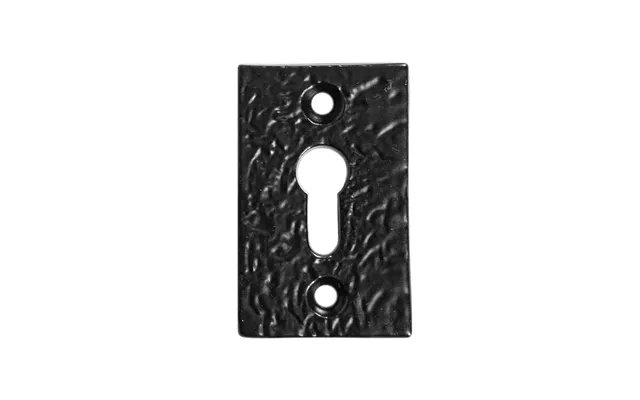
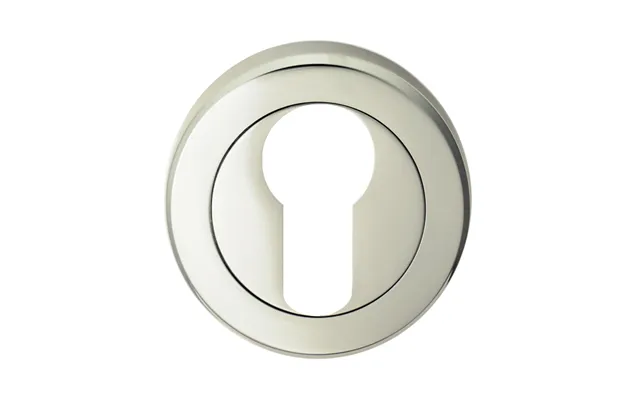
Euro profile escutcheons are designed for euro cylinder locks — the common keyway used in many mortice locks. They typically have an elongated shape to accommodate the cylinder and sometimes include reinforcement plates that resist snapping. If your door has a euro cylinder, choose a profile escutcheon made for that standard.
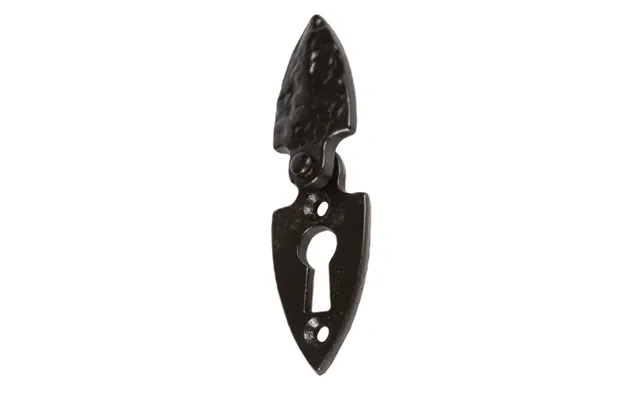
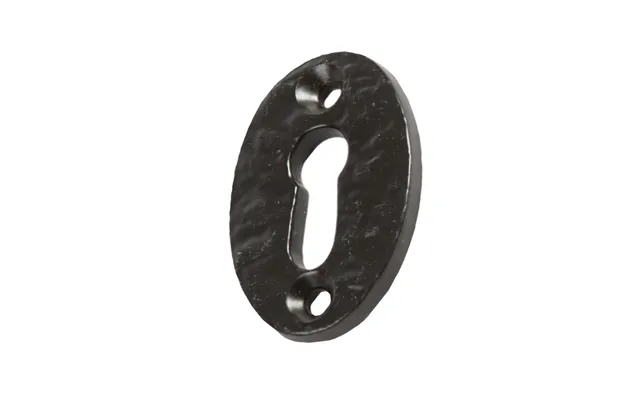
Keyhole-plate escutcheons are the traditional plates with an elongated slot to guide the key. They’re common for mortice locks and old-world aesthetics. These plates can be decorative, with ornate edges, or plain and functional depending on the style of your home.
Privacy escutcheons include a turn-and-release mechanism for bathroom or bedroom doors or a sliding cover that conceals the keyhole when not in use. These are both practical for privacy and useful for preventing dust buildup inside the lock.
Material choice affects longevity, look, and cost. Different finishes visually transform the same plate, so match the escutcheon to other hardware like handles, hinges, and knockers for a cohesive finish.
Stainless steel and satin nickel are durable and corrosion-resistant, making them an excellent choice for exterior doors exposed to the elements. The brushed finish hides fingerprints and scratches, keeping your door looking smart with minimal upkeep.
Brass adds warmth and a classic feel. Polished brass gleams and suits traditional interiors, while antique or aged brass offers a vintage look that pairs beautifully with wood doors. Keep in mind polished finishes show wear sooner, while antique finishes hide it.
Matte black or powder-coated escutcheons are trendy for contemporary homes. They create bold contrast on light doors and blend seamlessly with other black hardware. Modern coatings can also provide extra scratch resistance.
Measurements are the foundation of a successful escutcheon swap. A poorly sized plate looks sloppy and may interfere with the lock’s operation. Before buying, always measure twice and buy once.
Measure the cylinder’s projection from the door face in inches. Common cylinder lengths are measured as the distance from the center of the fixing hole to each end, such as 1 1/2" + 1/2" giving a 2" total. Make sure the escutcheon fully covers the cylinder edge and sits flush on the door surface.
For mortice locks, note the position of the keyhole relative to the door’s edge and the center of the handle backplate. A typical interior door is about 1 3/4" thick, so check that screws supplied with the escutcheon reach far enough without protruding through the door. Measure screw center-to-center distance if replacing an existing plate to avoid extra drilling.
Installing an escutcheon is often straightforward, but a few tricks make it look like it was fitted by a pro. Most homeowners can handle the job with a screwdriver and a tape measure, but be careful when drilling into finished doors.
Keep handy a Phillips or flat screwdriver, a tape measure marked in inches, fine-grit sandpaper for smoothing, a pencil for marking, and a level for alignment. If your screws need to be longer for a thicker door, choose stainless steel screws in lengths like 1/2" or 1".
Start by removing the old escutcheon and cleaning the area. Position the new plate and mark screw holes. Pre-drill small pilot holes about 1/8" in diameter to avoid splitting the wood. Attach the escutcheon firmly but avoid over-tightening screws that can warp thin plates. Check that the key turns freely and that covers or turn releases operate smoothly.
Escutcheons can provide real security benefits when designed to resist forced entry. If you’re upgrading for safety as well as looks, consider enhanced features.
Some escutcheons include reinforcement collars or hardened steel inserts around the cylinder to make snapping and drilling much harder. These are particularly important for external doors fitted with euro cylinders; they can significantly reduce a burglar’s ability to break the lock quickly.
Certain escutcheons come with keyed covers that only open with a small key, adding an extra barrier when the door is locked. While not common for every household, they’re a smart option for high-risk areas or where extra protection is required.
Choosing an escutcheon is as much about aesthetics as it is about fit. Here are a few easy styling tips to help you create a cohesive look.
Keep the finish consistent between the escutcheon, handle, hinges, and kick plates. A mixed-metal approach can work if intentional — for example, a brass knocker with black handles — but most designers recommend sticking to one primary finish for a clean look.
Don’t choose an escutcheon that’s too small for a heavy handle or vice versa. Proportion matters: a large ornate plate suits thick, traditional doors, while slim modern plates fit sleek contemporary hardware. Think of visual weight the same way you’d balance furniture in a room.
Proper care keeps escutcheons looking new and prevents premature corrosion. Luckily, maintenance is simple and quick.
Use a soft cloth and mild soap to remove grime; avoid harsh chemicals that strip protective coatings. For brass that you want to keep bright, a gentle brass polish applied with a soft cloth will restore shine. For matte or powder-coated surfaces, wipe gently and avoid abrasive pads.
For exterior escutcheons, ensure a tight seal around the plate to keep moisture out. If the escutcheon is installed on a painted door, use a thin bead of paintable exterior caulk to prevent water ingress. Regularly inspect screws for loosening and replace any that are rusted with stainless steel equivalents.
Choosing the right combo depends on the door’s role. Here are common pairings that homeowners and professionals frequently use.
For front doors, security is king. Choose a reinforced euro profile escutcheon with an anti-snap feature if you have a euro cylinder lock. Pair it with a brass or stainless finish that matches your handle and knocker for curb appeal.
For bedrooms and bathrooms, privacy escutcheons with turn-and-release mechanisms are ideal. These can be matched to lever handles or knob sets and are best in satin nickel, brass, or matte black to blend with interior decor.
Older homes benefit from ornate keyhole-plate escutcheons in antique brass or aged nickel to preserve character. Choose plates with historic detailing that fit the scale of thicker, solid wood doors typically found in period properties.
When shopping for escutcheons, price, warranty, and compatibility matter. Use comparison tools to review brands, finishes, and customer feedback so you don’t pay extra for features you don’t need.
Does the escutcheon fit your cylinder type? Is the material weather-rated for external use? Are anti-snap features included? What screw lengths are supplied and do they match your door thickness? Answering these questions prevents returns and ensures you get the performance and look you expect.
While swapping an escutcheon, it’s a great time to evaluate related hardware. Small upgrades improve function and visual harmony across your doorways.
Replace or upgrade strike plates to hardened steel versions for better security. Matching hinge finishes will complete the look and keep wear consistent across moving parts. If your door hardware is more than a few years old, replacing multiple pieces at once will give a unified, refreshed appearance.
For exterior doors, consider new weatherstripping and a threshold when you replace escutcheons. These small additions improve insulation and prevent drafts — a practical complement to the aesthetic upgrade provided by a new escutcheon.
The right escutcheon balances style, fit, and security. Start by identifying the lock type, measuring accurately in inches, and choosing a material and finish that match the door and surrounding hardware. From there, consider security features like anti-snap protection for exterior doors and decorative options for interiors.
Measure cylinder projection and door thickness. Confirm screw lengths and hole centers. Match finish to handles and hinges. Decide on security features needed for the location. Read product reviews and compare pricing across reliable retailers and comparison sites to find the best value.
Upgrading a door keyhole escutcheon is an affordable, quick way to increase security, reduce wear on your locks, and improve the look of your doors. Whether you prefer polished brass for a traditional mantelpiece door or a discreet stainless-steel plate for a minimalist entrance, the right escutcheon ties everything together — like the perfect pair of shoes finishing off an outfit.
Take a few minutes to measure, decide on material and finish, and consider any extra security features you might need. With the right choice, your doors will not only look better but function better for years to come.
Now that you’ve got the essentials, why not take another look at your doors? A tiny plate could be the upgrade that makes your whole home feel more thought-through and secure.
Conclusion: Thoughtful selection of a door keyhole escutcheon is an easy, affordable way to blend security and style. Measure carefully in inches, match finishes, and choose materials suited to the door’s location to get the best results.
| Door Keyhole Escutcheons | Price | |
|---|---|---|
| Serozzetta Serozetta Euro Profile Escutcheon - Polished Nickel | £ 3,17 |

